Key Takeaways
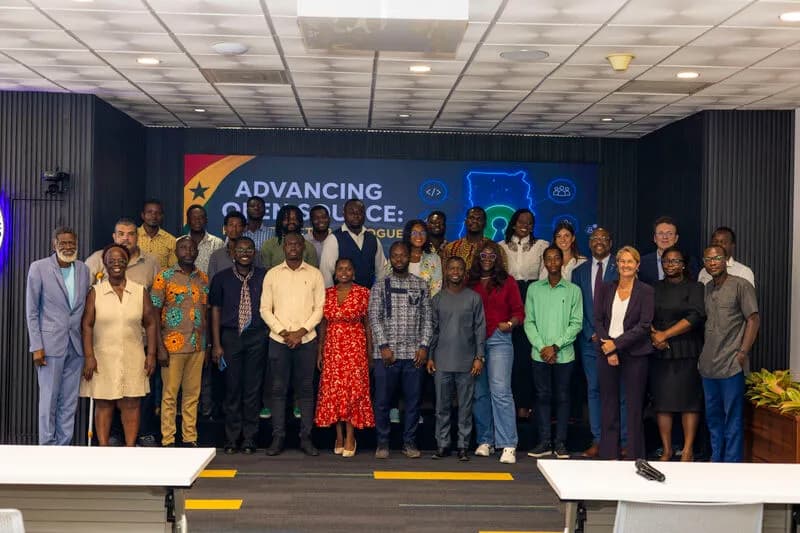
- GitHub and UNDP announced a partnership to use open source solutions for development priorities in Ghana
- The collaboration targets digital public goods aligned with UN Sustainable Development Goals
- Ghana's growing tech hub status makes it a strategic choice for this kind of pilot program
GitHub and the United Nations Development Programme have announced a partnership to advance development priorities in Ghana using open source technology. The collaboration aims to apply open source tools and digital public goods to challenges aligned with the UN's Sustainable Development Goals.
The partnership builds on GitHub's Social Impact program, which has previously focused on expanding developer access in emerging markets through education and infrastructure support. Ghana, with its 31 million population and growing reputation as a West African tech hub, represents a strategic choice for this kind of initiative.
Why Ghana for open source development?
Ghana has emerged as one of Africa's more active tech ecosystems. The country's government has pushed to digitize public services, and its developer community has grown steadily over the past decade. That existing infrastructure makes it a reasonable testbed for applying open source solutions to public sector problems.
The UNDP has increasingly embraced what it calls digital public goods: open source software, open data, and open AI models built for public benefit rather than private profit. The theory is straightforward. Open source projects can be adapted to local needs, forked and improved by local developers, and deployed without vendor lock-in or recurring license costs that strain government budgets.
Mathias Schindler, who authored the announcement, has spent more than 15 years working on open source, open content, and EU legislation around copyright and transparency. His background in both NGOs and European parliamentary work reflects the policy-meets-technology approach the partnership seems to take.
What does the partnership actually involve?
The announcement describes collaboration on development priorities, but specifics remain thin. GitHub's role likely centers on providing platform access, training resources, and possibly direct support for projects. The company hosts over 420 million open source repositories and serves more than 100 million developers globally.
UNDP brings the development expertise and local relationships. The agency has been pushing digital transformation as a core part of its strategy, arguing that technology can accelerate progress on all 17 Sustainable Development Goals. Past UNDP digital initiatives have ranged from open data portals to AI tools for humanitarian response.
The practical output could include anything from open source tools for healthcare delivery to platforms for agricultural data. Without more detail from either organization, the scope remains unclear.
The bigger picture for developers
For developers and engineering managers, this partnership signals continued momentum behind open source as a vehicle for social impact work. GitHub acquired by Microsoft for $28.9 billion in 2018 has steadily expanded its non-commercial initiatives, including free access for students and open source maintainers.
The question is whether these partnerships produce lasting tools or fade into well-intentioned pilots that never scale. Open source projects for development have a mixed track record. Some, like DHIS2 for health data management, have become critical infrastructure across dozens of countries. Others launch with fanfare and stall once initial funding ends.
What separates the successes from the failures usually comes down to local ownership. Projects built by and with local developers tend to stick. Projects parachuted in from global organizations often don't survive their first maintainer turnover.
What this means for African tech
Ghana joins a growing list of African countries attracting attention from major tech platforms. Nigeria, Kenya, and South Africa have all seen significant investment in their developer ecosystems. GitHub's focus on Ghana suggests the company sees opportunity beyond the continent's largest markets.
For Ghanaian developers, the partnership could mean access to training, mentorship, and visibility on projects with real-world impact. Whether that translates to career opportunities or remains resume padding depends on execution.
Logicity's Take
The partnership looks promising on paper, but developers should watch for specifics. Will this produce maintained repositories with active contributors, or another repo graveyard? GitLab and Gitea offer alternatives for organizations wanting to self-host, but GitHub's network effects make it the default for public collaboration. The real test is whether Ghanaian developers end up as project owners or just users of tools designed elsewhere. That distinction determines whether this builds capacity or just consumption.
Frequently Asked Questions
What is GitHub's Social Impact program?
GitHub's Social Impact program provides resources, training, and platform access to expand developer participation in emerging markets and support open source projects with social benefit.
What are digital public goods?
Digital public goods are open source software, open data, and open AI models designed for public benefit. The UNDP promotes them as accelerators for the UN Sustainable Development Goals.
Why did GitHub and UNDP choose Ghana?
Ghana has a growing tech ecosystem, government initiatives to digitize public services, and an active developer community, making it a practical location for open source development pilots.
How can developers participate in this partnership?
The announcement did not specify how developers can join. Interested contributors should watch GitHub's Social Impact channels and UNDP's digital transformation initiatives for project announcements.
Explores how AI tools are changing developer workflows, relevant context for platform partnerships
Need Help Implementing This?
If your team is building open source tools for social impact or exploring partnerships with international development organizations, Logicity can help you navigate the technical and strategic considerations. Contact us for consulting on open source project management and developer ecosystem strategy.
Source: The GitHub Blog / Mathias Schindler
Huma Shazia
Senior AI & Tech Writer
Produced with AI assistance and reviewed by the Logicity editorial team. Learn more in our Editorial Policy.