Key Takeaways
- A single code bug created 2.1 billion+ runes per player, threatening RuneScape's entire virtual economy
- Jagex executed a full server rollback within hours, prioritizing economic integrity over short-term player satisfaction
- Any platform with virtual currencies or marketplaces faces similar risks without proper testing environments
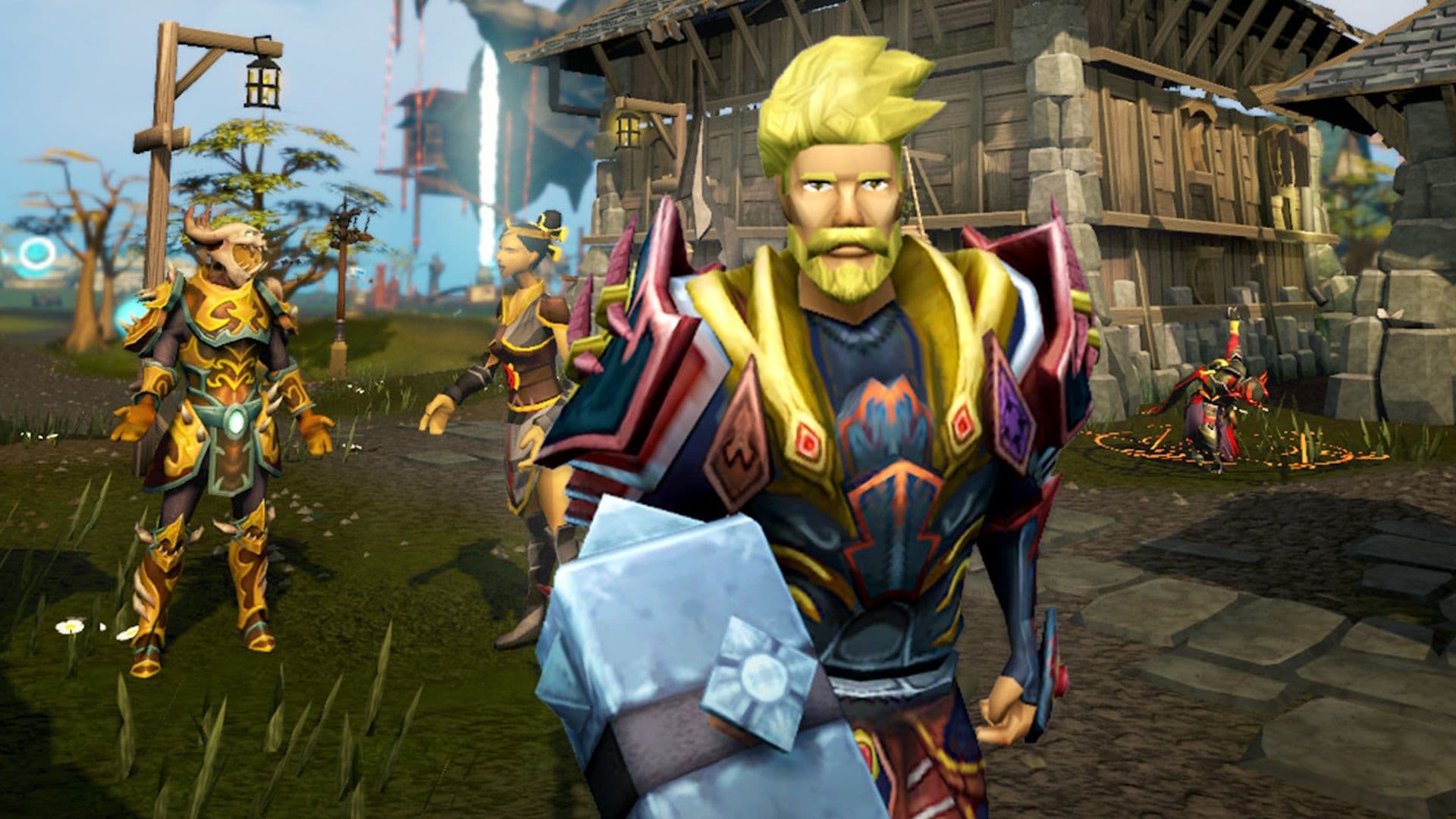
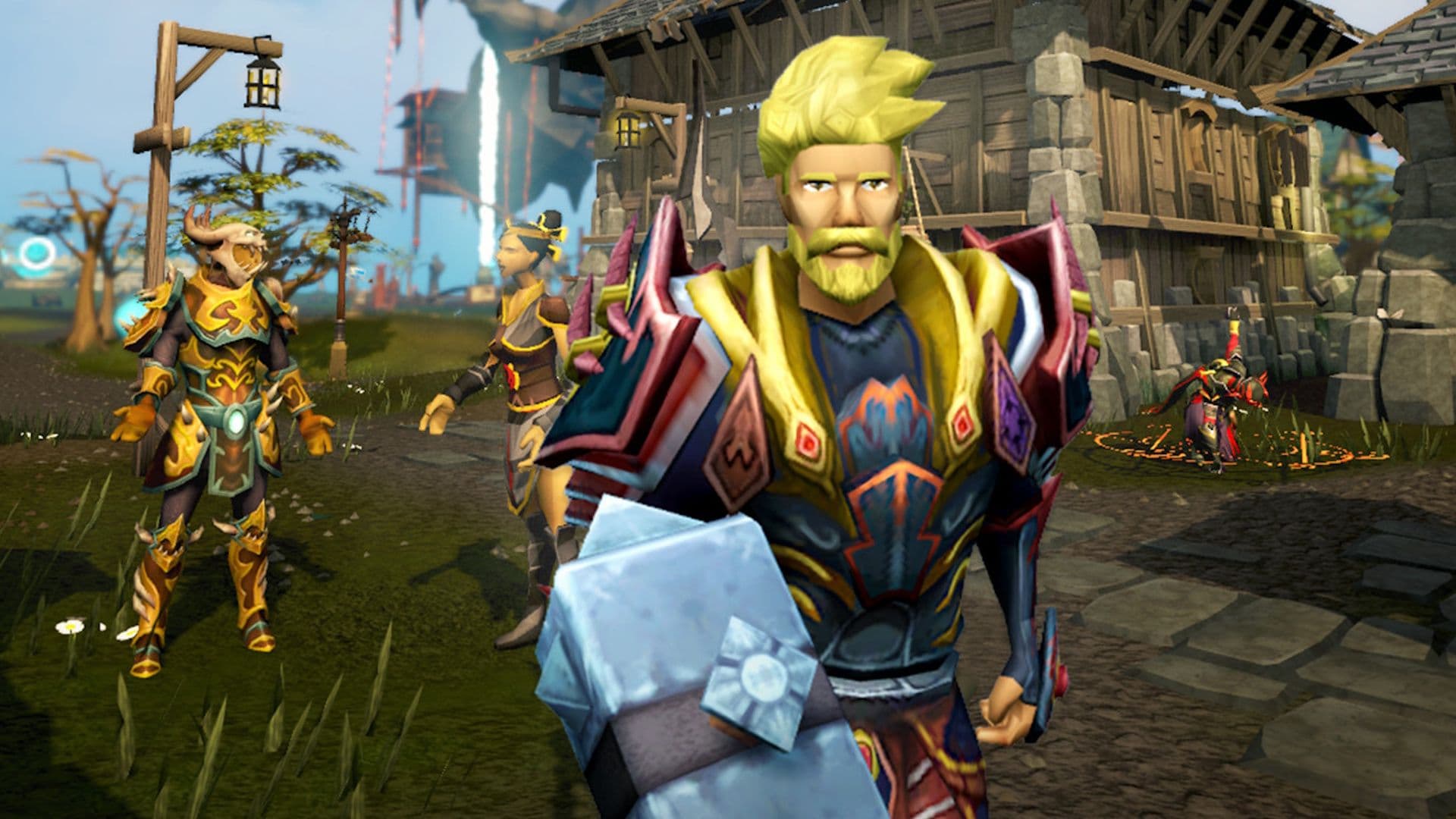
According to [PC Gamer](https://www.pcgamer.com/games/mmo/jagex-initiates-emergency-runescape-rollback-for-the-most-ironic-reason-possible-too-many-runes/), RuneScape developer Jagex was forced to execute an emergency rollback of the entire game after a bug caused rune pouches to fill with trillions of duplicated in-game currency, threatening what the company called 'irreparable economic damage' to the 23-year-old MMO.

Read in Short
A routine RuneScape update accidentally gave players up to 2.1 billion runes each instead of just expanding storage capacity. Jagex rolled back all player progress to prevent total economic collapse. For any business running digital economies, marketplaces, or loyalty programs, this is a masterclass in what can go wrong and how to respond.
What Happened: A Bug That Created Trillions in Fake Currency
The irony is almost too perfect. In a game literally called RuneScape, the developers accidentally created too many runes. But beyond the humor lies a serious business problem that any platform operator should study.
Here's the sequence: Jagex pushed a quality-of-life update that was supposed to expand rune pouch storage capacity to 2,147,483,647 runes per type. That number isn't random. It's the maximum value for a 32-bit signed integer in programming, a standard technical ceiling. The update was supposed to let players store more runes. Instead, it filled their pouches with that maximum amount.
Players logged in to find their rune pouches overflowing with currency they never earned. The bug spread fast. Within hours, the potential economic damage was catastrophic.
Why Should CEOs Care About a Video Game Bug?
Because this isn't just a gaming story. It's a story about any business that runs a digital economy. And that includes more companies than you might think.
- E-commerce platforms with loyalty points or store credits
- SaaS companies with usage-based credits or tokens
- Fintech apps with wallet balances or rewards programs
- Marketplaces with seller credits or promotional balances
- Any Web3 or blockchain project with tokenomics
RuneScape's economy is sophisticated. Players trade items, runes function as currency for skills and commerce, and real-world trading (though against ToS) means in-game wealth has actual dollar value. When billions of runes appeared from nowhere, every rune already in circulation became worthless. Every player who'd spent months earning runes legitimately watched their wealth evaporate in real-time.
The Business Decision: Rollback vs. Let It Ride
Jagex faced a brutal choice. Roll back the entire game, wiping hours of legitimate player progress, or try to surgically remove the bugged runes and risk missing some. They chose the nuclear option.
“The amount of Runes that could flow into RuneScape's economy as a result of this bug would cause irreparable economic damage and challenge the economic integrity of the game.”
— Jagex, via Reddit
This decision prioritized long-term platform health over short-term user satisfaction. Some players lost hours of progress. But the alternative was an economy so flooded with currency that the game's core progression systems would become meaningless.
✅ Pros
- • Preserved long-term economic integrity
- • Prevented months of inflation correction
- • Demonstrated commitment to fair play
- • Quick decision prevented bug from spreading further
❌ Cons
- • Legitimate players lost hours of progress
- • Immediate community backlash and frustration
- • Trust damage from the bug occurring at all
- • Resources spent on crisis management vs. development
How Did This Bug Happen? Testing Failures CTOs Should Study
The technical root cause appears straightforward: a storage capacity change accidentally became a storage population change. But the real question is how this reached production.
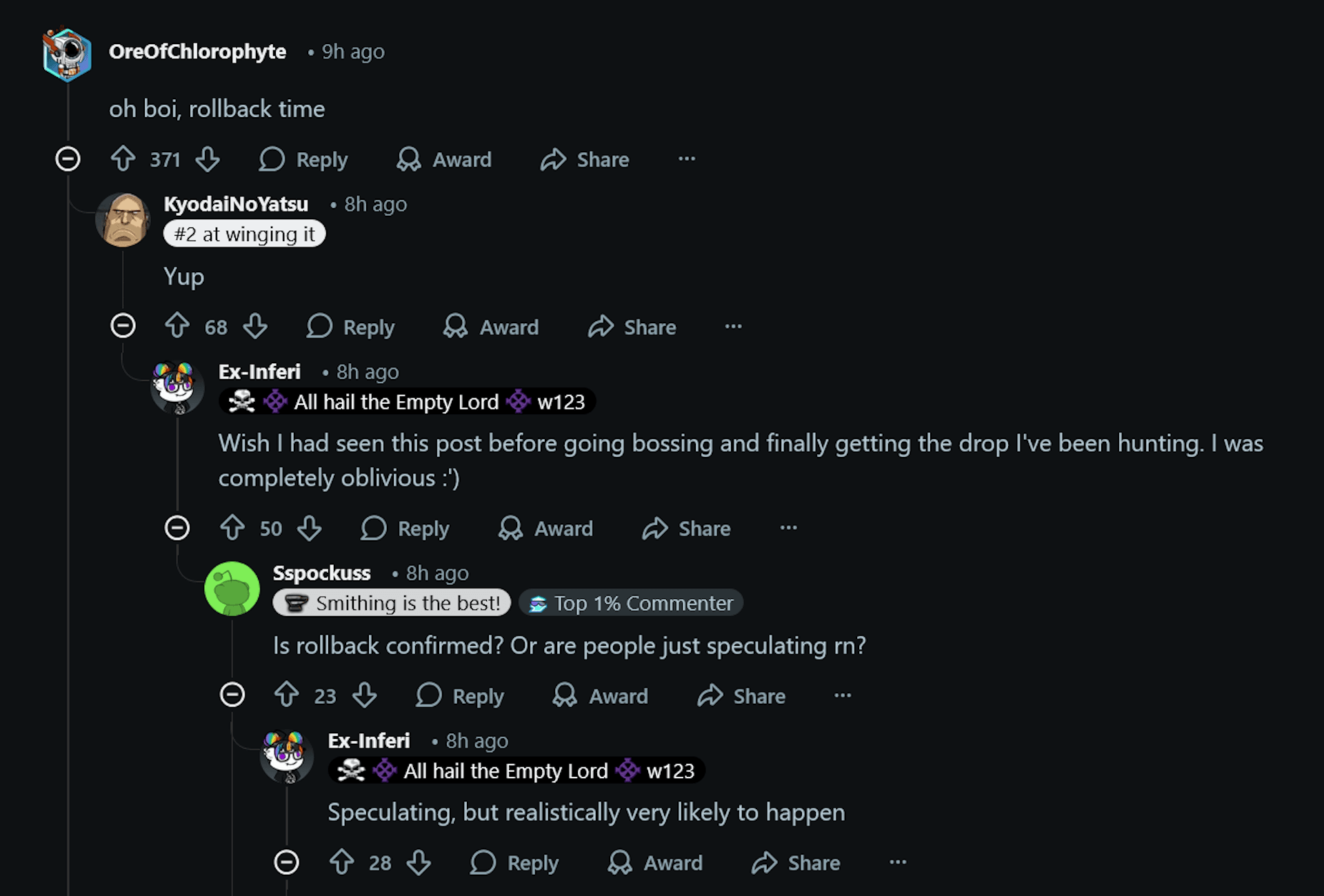
This wasn't a subtle bug. Players immediately noticed trillions of runes in their inventories. Any basic QA process involving logging in with a rune pouch would have caught it. The fact that it shipped suggests one of several systemic failures.
- Insufficient staging environment testing before production deployment
- QA process that didn't include checking affected inventory states
- Rushed deployment timeline for the 'game jam' features
- Lack of automated checks for economic anomalies post-deployment
For CTOs managing any platform with economic systems, the lesson is clear: your testing environment needs to simulate real economic conditions. A feature that 'works' technically can still destroy your platform economically.
Virtual Economy Risk Management: What Your Platform Needs
RuneScape has been running for over two decades. If a mature platform with experienced developers can ship an economy-breaking bug, so can yours. Here's what proactive risk management looks like.
| Control Layer | What It Does | RuneScape Gap |
|---|---|---|
| Pre-deployment economic simulation | Models currency flow impact before shipping | Bug shipped without economic testing |
| Real-time anomaly detection | Flags unusual currency generation instantly | Players reported bug before systems caught it |
| Circuit breakers | Auto-halts transactions when thresholds exceeded | Manual intervention required |
| Rollback infrastructure | Enables quick state restoration | This worked - rollback executed successfully |
| Economic monitoring dashboards | Tracks currency supply, velocity, inflation | Unknown if this existed |
The fact that Jagex could execute a rollback quickly suggests their infrastructure was prepared for worst-case scenarios. That's the silver lining here. The crisis response worked even if the prevention failed.
The Cost of Economic Collapse: When Prevention Fails
What would have happened if Jagex hadn't rolled back? We have case studies from other games that let hyperinflation run.
In 2010, a World of Warcraft exploit allowed gold duplication. Blizzard's delayed response let enough duplicated gold circulate that auction house prices took weeks to stabilize. In 2019, Fallout 76's duplication glitches caused such severe inflation that rare items became worthless, and player engagement dropped significantly. Some players never returned.
For businesses outside gaming, the parallels are direct. A loyalty program that accidentally credits millions of points destroys the perceived value of those points. A marketplace that allows seller credit duplication undermines trust in the entire platform. The currency itself might be virtual, but the business damage is very real.
Another case study in digital economy vulnerabilities and the real-world costs of security failures.
Crisis Communication: What Jagex Got Right
Beyond the technical response, Jagex's communication strategy offers lessons for any company facing a public crisis.
- Immediate acknowledgment: They didn't hide or delay announcing the issue
- Clear explanation: Players understood exactly what went wrong and why
- Ownership: 'It sucks' language showed they understood player frustration
- Transparency about constraints: Explained why other solutions weren't viable
- Direct channel: Used Reddit where their community already gathered
The worst thing a company can do during an economic crisis is stay silent or deflect. Players and customers will fill that vacuum with speculation, often worse than reality. Jagex got ahead of the narrative by being first, clear, and honest.
Action Items for Platform Operators
If you run any platform with virtual currencies, credits, points, or marketplace balances, here's your checklist after reading about RuneScape's near-miss.
- Audit your deployment pipeline: Does QA include economic impact testing, not just functional testing?
- Implement anomaly detection: Can your systems flag unusual currency generation within minutes?
- Test your rollback capability: When did you last actually test restoring to a previous state?
- Create circuit breakers: Can you automatically halt transactions if thresholds are exceeded?
- Document your crisis playbook: Does your team know who decides on rollbacks and how fast?
The RuneScape incident is a gift for other platform operators. It's a detailed case study in what can go wrong, delivered without you having to experience it yourself. Learn from it.
FAQs About Virtual Economy Management
Frequently Asked Questions
How much does a game economy crash cost a company?
Direct costs include engineering time for fixes and customer support surge. Indirect costs are harder to measure but more significant: player churn, reduced spending, and long-term trust damage. Industry estimates suggest major economic exploits can reduce player lifetime value by 20-40% for affected cohorts.
Can a server rollback be avoided in these situations?
Sometimes. If anomaly detection catches the bug within minutes and the exploit hasn't spread widely, surgical removal of duplicated items/currency is possible. But once thousands of players have the bugged currency and begin trading, tracking every affected transaction becomes impossible. Rollback becomes the only clean solution.
How do you test for economic bugs before deployment?
Best practice includes staging environments that simulate real economic conditions, automated checks that compare pre/post-deployment currency supplies, and 'chaos engineering' approaches that deliberately try to break economic systems before attackers do. Many companies also run limited rollouts to catch issues before full deployment.
Does this apply to non-gaming businesses?
Absolutely. Any platform with loyalty points, credits, tokens, or virtual currencies faces identical risks. A bug that accidentally credits customer accounts with extra points, or a marketplace glitch that duplicates seller balances, creates the same economic integrity crisis.
How long does economic recovery take after a major exploit?
With a clean rollback like RuneScape's, recovery is immediate. The economy returns to pre-bug state. Without a rollback, recovery can take weeks to months as inflated currency slowly drains from the system. Some games have implemented 'gold sinks' or emergency economic measures to accelerate recovery.
Logicity's Take
At Logicity, we build web applications and AI integrations, not MMO game economies. But the principles here are universal to any system we ship for clients. We've seen similar risks in loyalty program integrations and marketplace features where a single misconfigured API endpoint could credit accounts incorrectly. Our approach borrows from what Jagex got right: we build rollback capabilities into every database-touching feature, we test economic flows separately from functional flows, and we implement logging that lets us trace every balance change. For Indian startups building fintech or e-commerce platforms, this case study should be required reading. Your 'runes' might be wallet credits or reward points, but the damage from duplication bugs is identical. If you're launching any feature that touches user balances or credits, consider whether your staging environment actually simulates economic conditions or just checks if buttons work. That's the gap that got Jagex, and it's the gap we see in many early-stage platforms.
Platform expansion strategies and the importance of testing at scale before global rollouts.
Need Help Building Resilient Digital Platforms?
Logicity specializes in building web applications and AI integrations with proper testing infrastructure, rollback capabilities, and economic safeguards built in from day one. Whether you're launching a marketplace, loyalty program, or any platform with virtual currencies, we help you avoid becoming the next cautionary tale. Contact us to discuss your platform architecture.
Source: PCGamer latest
Huma Shazia
Senior AI & Tech Writer
Produced with AI assistance and reviewed by the Logicity editorial team. Learn more in our Editorial Policy.