Key Takeaways
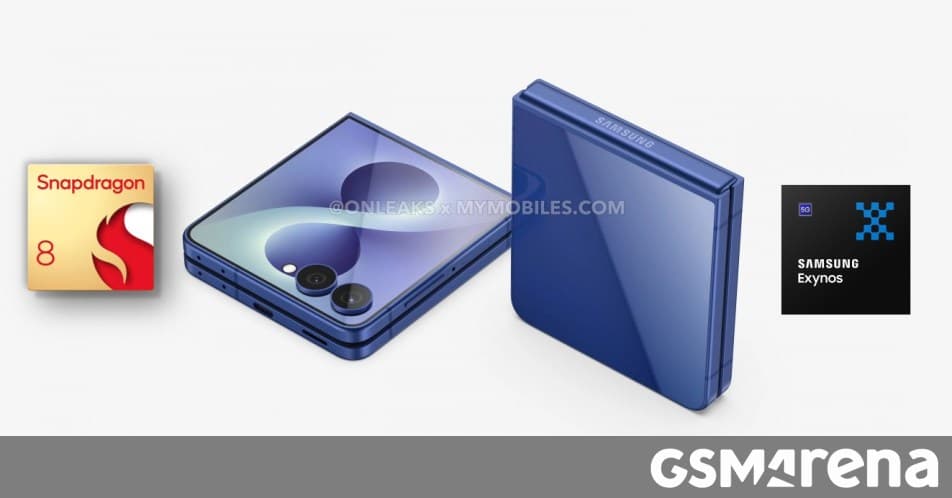
- Europe and South Korea get the Exynos 2600, while all other regions receive a Snapdragon chip
- Samsung cites lower performance sensitivity in the Flip series as justification for using cheaper in-house chips
- The Z Flip8 keeps the same battery and cameras as its predecessor, with a new crease-free hinge design as the main upgrade
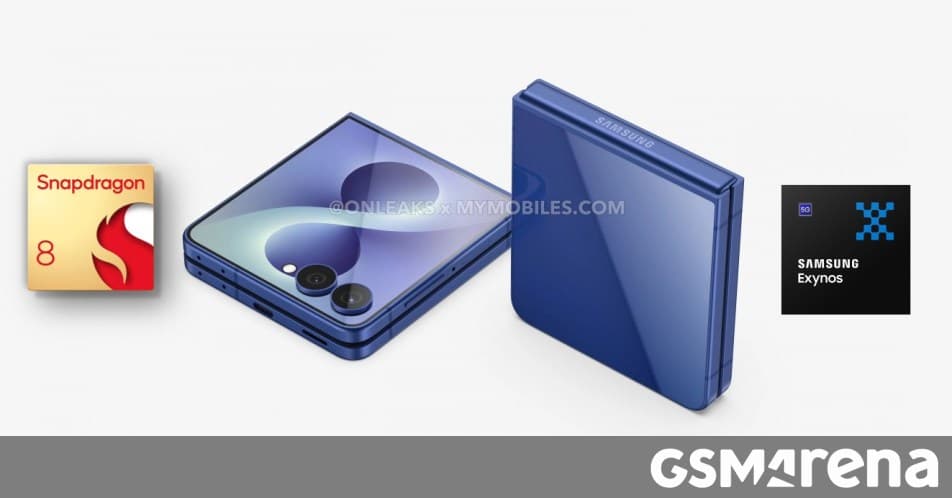
Samsung is abandoning its all-Exynos experiment from last year. The Galaxy Z Flip8 will ship with different processors depending on where you buy it, according to a report from Korean publication The Bell.
Buyers in South Korea and Europe will get the Exynos 2600. Everyone else gets a Qualcomm Snapdragon chip. The exact Snapdragon model remains unconfirmed, though it's expected to be either the Snapdragon 8 Elite Gen 5 or Snapdragon 8 Gen 5.
Why Samsung Is Splitting Its Chipset Strategy
Last year's Galaxy Z Flip7 used the Exynos 2500 in every market, including the US where Snapdragon typically dominates. That strategy is dead. Samsung is reverting to the regional split it uses for the Galaxy S series.
“The Galaxy Z Flip series is a product line where customers prioritize design and portability over top-tier performance. Performance sensitivity is lower compared to the Fold series, so the burden of applying in-house APs is relatively lighter.”
— Samsung MX division insider, via The Bell
Translation: Samsung thinks Flip buyers care more about looks than benchmarks, so they're comfortable giving those customers the cheaper chip.
The Exynos 2600 costs less than Qualcomm's flagship silicon. Samsung's MX (Mobile Experience) division is reportedly under pressure to improve margins. RAM and flash memory shortages have pushed component costs higher across the board.
Using its own chips also benefits Samsung's LSI (chipset design) and foundry businesses. The Exynos 2600 has limited customers. Besides the Z Flip8, only the Galaxy S26 and S26+ use it in non-US, non-China, non-Japan markets. The S26 Ultra sticks with Snapdragon globally.
The Performance Problem
Here's the catch. GSMArena's Galaxy S26 review found the Exynos 2600 underperformed compared to the Snapdragon variant. Battery life was also disappointing.
That's concerning for the Z Flip8. The phone reportedly keeps the same battery capacity as last year's model. No charging speed upgrade either. If the Exynos chip drains power faster, European and Korean buyers could end up with worse endurance than their Snapdragon-equipped counterparts elsewhere.
Online reaction reflects this skepticism. Discussions on r/samsung and r/Android show European users wary of Exynos returning to their region. Historical complaints about heating and efficiency persist, despite Samsung's claims that the 2nm fabrication process will fix those issues.
What Else Is New on the Z Flip8
Hardware upgrades look minimal. The camera system carries over from the Z Flip7. Battery and charging remain unchanged.
The one notable improvement: a new hinge design that promises a crease-free display. Samsung has struggled with visible creases on its foldables since launch. If the company has finally solved it, that's significant for daily usability.
The Fold Series Gets Different Treatment
Samsung's premium foldables are not following the same playbook. The Galaxy Z Fold8 and the new Galaxy Z Fold Wide will use Snapdragon chips in all markets.
The reasoning is straightforward. Fold buyers spend more and expect flagship performance. Samsung isn't willing to risk alienating that customer base with a potentially slower processor.
Launch Timeline
Samsung is expected to announce three foldables next month: the Galaxy Z Flip8, Z Fold8, and Z Fold Wide. The rumored date is July 22.
And this split strategy isn't going away. The same Samsung insider told The Bell that rising electronic component prices will push Exynos adoption further. Expect the Exynos 2700 in next year's Galaxy S27 and S27+ as well.
Logicity's Take
Regional Breakdown
- Exynos 2600 regions: South Korea, Europe
- Snapdragon regions: North America, China, Japan, and everywhere else
- Galaxy Z Fold8 and Z Fold Wide: Snapdragon globally
More on chipset history and how processor decisions shape product generations.
Frequently Asked Questions
Which regions will get the Exynos 2600 in the Galaxy Z Flip8?
South Korea and Europe will receive the Exynos 2600 version. All other markets, including the US, China, and Japan, will get a Snapdragon chip.
Why is Samsung using Exynos in the Z Flip8 but Snapdragon in the Z Fold8?
Samsung says Flip buyers prioritize design over raw performance, making them more tolerant of the in-house chip. Fold buyers expect flagship performance, so those devices get Snapdragon globally.
When will the Galaxy Z Flip8 be announced?
Samsung is expected to unveil the Z Flip8, Z Fold8, and Z Fold Wide on July 22, according to current rumors.
Does the Galaxy Z Flip8 have a bigger battery than the Z Flip7?
No. The Z Flip8 reportedly keeps the same battery capacity and charging speed as its predecessor.
Will next year's Galaxy S27 also use Exynos?
A Samsung insider confirmed the Exynos 2700 will appear in the Galaxy S27 and S27+, continuing the regional split strategy.
Need Help Implementing This?
Source: GSMArena.com / Peter
Manaal Khan
Tech & Innovation Writer
Produced with AI assistance and reviewed by the Logicity editorial team. Learn more in our Editorial Policy.