Framework's new Laptop 13 Pro is the company's most polished machine to date. It's also arriving at the worst possible time. LPCAMM2 memory shortages have forced Framework to raise prices by as much as $800 on pre-built configurations, and some customers are finding their RAM allocations downgraded on orders they placed months ago.
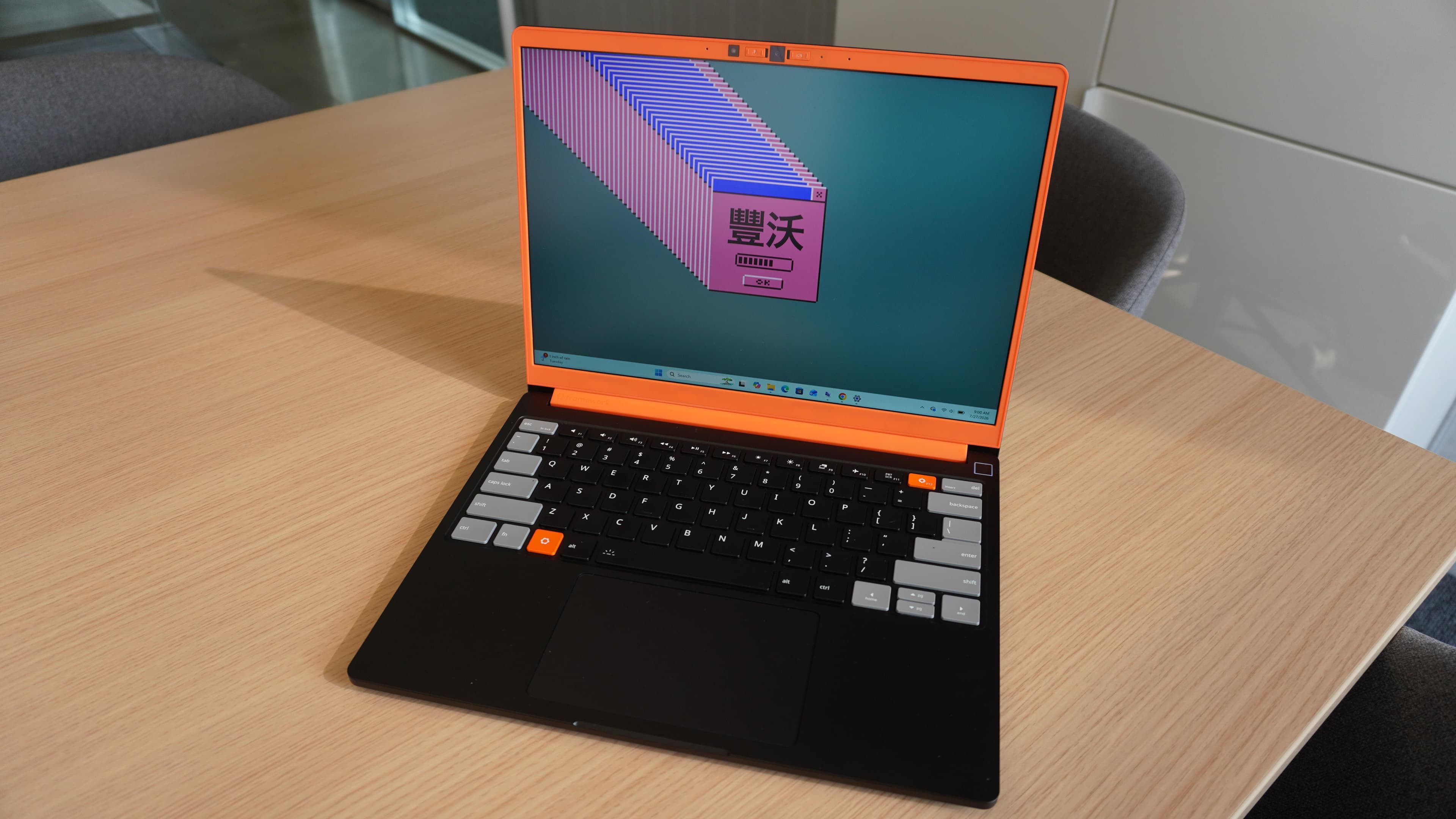
The timing stings. When CEO Nirav Patel announced the Laptop 13 Pro in April 2026, he pitched it as the "MacBook Pro for Linux users." The hardware backs that claim: a 74Wh battery, Intel Series 3 processors, and a haptic touchpad that reviewers are calling excellent. But the RAM crisis means buyers are paying a premium for a laptop that might ship with less memory than they ordered.
What's driving the price hike?
The Laptop Apple Wishes You Couldn’t Build: Framework Laptop 13 Pro Review | Lab Report
In a recent blog post, Patel blamed price increases on LPCAMM2 RAM "that goes far beyond anything we had predicted." LPCAMM2 is a newer memory standard that offers better power efficiency and easier upgrades than soldered RAM, but it's also produced by fewer manufacturers. When supply tightens, niche buyers like Framework get squeezed first.
The company's response has been blunt: existing orders are being downgraded to lower RAM configurations unless customers pay the difference. Framework is honoring original prices for customers who accept less memory, but that's cold comfort for someone who ordered 64GB and is now looking at 32GB.
The hardware itself is strong
Set the pricing chaos aside and the Laptop 13 Pro is genuinely impressive. The haptic touchpad and keyboard earn high marks. Battery life is very good. The build is thinner and more refined than previous Framework machines, moving away from the utilitarian DIY aesthetic toward something that could sit next to a ThinkPad or XPS without looking out of place.
It's still a modular machine underneath. QR codes on components link to assembly guides, and the full range of Framework's customization options remains: swappable ports, user-replaceable CPU, upgradeable storage. The company has spent years perfecting that process, and it shows.
Not everything lands. Reviewers note the speakers are "just alright," and the display panel has enough wobble to work against the touchscreen option. These are minor complaints for most users, but they matter if you're paying $2,000 or more.
Customer backlash is real
Framework built its brand on transparency and customer loyalty. The RAM situation is testing both. Reddit threads and forum posts show frustrated buyers who feel blindsided by price increases on hardware they thought was locked in. Some are canceling orders outright.
The company's communication has been direct, which helps. Patel's blog post didn't bury the bad news or blame vague "supply chain issues." He named the specific component and acknowledged the impact. Whether that honesty is enough to retain goodwill depends on how long the shortage lasts and whether Framework can stabilize pricing before shipments ramp up.
Logicity's Take
Framework is in an unenviable spot. The Laptop 13 Pro proves the company can build premium hardware, not just repairable hardware. But launching during a memory shortage exposes a vulnerability in the modular model: when you depend on specific, less common components like LPCAMM2, you're more exposed to supply shocks than Dell or Lenovo, who can absorb cost swings across millions of units. For buyers who can wait, prices should stabilize. For those who can't, the value proposition just got harder to justify.
Should you buy one now?
If you're committed to repairability and Linux support, the Laptop 13 Pro is still the best option in its class. Nothing else combines this level of modularity with this level of polish. But if you're price-sensitive, waiting makes sense. LPCAMM2 supply won't stay constrained forever, and Framework has shown it will adjust pricing when conditions change.
The alternative is accepting less RAM than you wanted, or paying a premium that puts the Laptop 13 Pro into MacBook Pro territory, where the value comparison gets much harder.
Need Help Implementing This?
Evaluating hardware for your team? We help CTOs and ops leads build procurement frameworks that account for repairability, total cost of ownership, and supply risk. Reach out at logicity.in/contact.
Source: Latest news
Manaal Khan
Tech & Innovation Writer
Produced with AI assistance and reviewed by the Logicity editorial team. Learn more in our Editorial Policy.