Key Takeaways
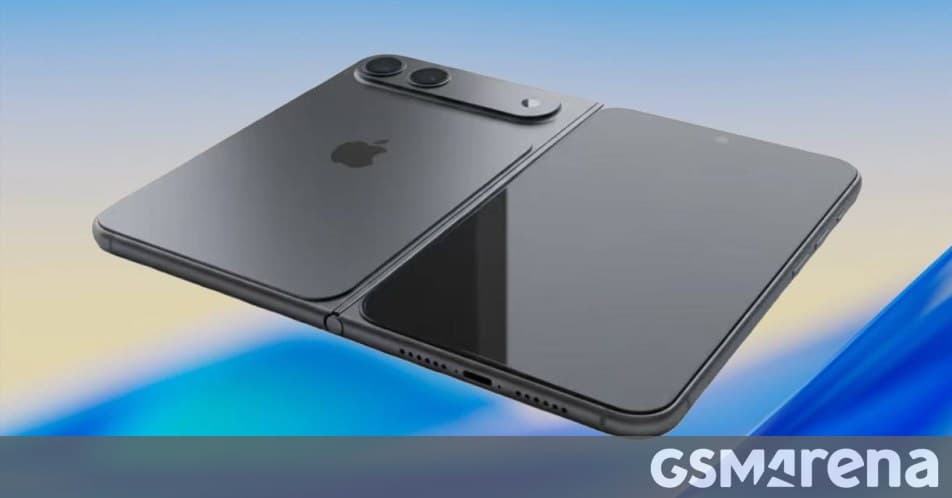
- Fixed Focus Digital claims the foldable iPhone Ultra will still be announced alongside iPhone 18 Pro in September
- The actual release may slip by up to a month, but the unveiling remains on schedule
- Other analysts including Bloomberg's Mark Gurman suggest shipping may not happen until December
The foldable iPhone Ultra has not been delayed, according to leaker Fixed Focus Digital, who disputes reports from yesterday claiming Apple pushed back its first folding smartphone to early 2026. The device will still be announced alongside the iPhone 18 Pro models in September as originally planned, FFD says, though the actual shipping date could slip by a few weeks.
This contradicts a wave of reports suggesting Apple's foldable ambitions had hit another roadblock. FFD's position is that production capacity remains tight, but tight capacity and a delayed announcement are two different things. Apple has done this before.
Why the iPhone X precedent matters
The iPhone X launched in November 2017, two months after Apple announced it alongside the iPhone 8 and 8 Plus in September. That gap let Apple build buzz while ramping up production of a device with genuinely new components, specifically the TrueDepth camera system and OLED display.
A similar playbook makes sense for a foldable. The hinge mechanism, flexible display, and thermal management challenges are all first-generation problems for Apple. Announcing in September but shipping in October or November gives the company breathing room without abandoning its traditional fall event cycle.
Fixed Focus Digital puts the potential delay at one month at most. That would mean an October release, not a 2026 slip.
What other analysts are saying
Not everyone is as optimistic. Bloomberg's Mark Gurman and Barclays analyst Tim Long have both indicated that a September release might not happen. Long's estimate is more pessimistic: he suggested Apple might not start shipping units until December.
Even if Apple does hit a fall release window, limited availability could push actual delivery dates into 2026 for many buyers. Supply constraints on a new form factor are almost a given. Samsung faced similar challenges with early Galaxy Z Fold units, and Apple's quality bar tends to be even stricter.
What we know about the foldable iPhone Ultra
Details remain speculative, but persistent rumors point to a premium positioning. The Ultra name suggests Apple will slot this above the Pro Max, not as a replacement for it. Pricing estimates hover around $2,000, which would make it Apple's most expensive iPhone by a significant margin.
The internal folding display is rumored to measure 7.8 inches, larger than any current iPhone. Battery capacity reportedly tops out at 5,800mAh, which would also be an iPhone record, though the power demands of a larger display and hinge mechanism mean runtime gains are uncertain.
Community discussions on Reddit and Hacker News are split. Some enthusiasts are skeptical about the Ultra pricing, arguing that Apple is entering a market Samsung has owned for years with a device that costs more but offers less maturity. Others point to iOS 27 beta code that reportedly contains foldable-specific UI tweaks as evidence the hardware design is finalized.
Delay reports have a long history
Reports of a foldable iPhone delay are not new. Analysts and leakers have been predicting imminent foldable launches, then subsequent delays, for at least three years. The supply chain oscillates between anticipated launches and indefinite postponements, usually citing hinge durability or display yield problems.
This pattern makes it difficult to evaluate any single report. FFD has a reasonable track record, but so does Gurman. The truth is probably somewhere in between: Apple is close, production is constrained, and the exact timing depends on yield rates that even Apple cannot fully predict.
What seems clear is that Apple will enter the foldable market. The question is whether that happens in fall 2025 or slips to 2026. A September announcement with a delayed ship date would let Apple claim a 2025 launch while buying time to ramp production.
The competitive landscape
Samsung's Galaxy Z Fold series has defined the book-style foldable category since 2019. Google entered with the Pixel Fold in 2023. OnePlus, Xiaomi, and Oppo all have foldables in various markets. Apple is late.
Late is not necessarily a disadvantage. Apple waited years after Android to launch a large-screen phone, then dominated that segment with the iPhone 6 Plus. The company has a history of letting competitors prove out a form factor before entering with a more polished product.
Whether that playbook works with foldables depends on whether Apple has actually solved the problems that plagued early competitors: crease visibility, hinge durability, and software that justifies the larger canvas. Those are engineering questions, not marketing ones.
Frequently Asked Questions
When will the foldable iPhone Ultra be announced?
According to Fixed Focus Digital, the device will be announced in September 2025 alongside the iPhone 18 Pro models. Other analysts suggest the actual release may slip to October, November, or even December.
How much will the foldable iPhone cost?
Estimates put the starting price around $2,000, which would make it Apple's most expensive iPhone. The Ultra branding suggests premium positioning above the Pro Max line.
What size is the foldable iPhone display?
Rumors indicate a 7.8-inch internal folding display, larger than any current iPhone screen.
Has Apple confirmed a foldable iPhone?
No. Apple has not officially confirmed any foldable iPhone. All information comes from supply chain reports, analyst predictions, and leaker claims.
Logicity's Take
The FFD claim and the Gurman/Long reports are not actually incompatible. A September announcement with a November or December ship date would satisfy FFD's assertion that the unveiling is on schedule while matching the more cautious analyst predictions about when units actually reach customers. Apple could announce, build hype for two months, and ship limited quantities before year-end. That would let the company claim a 2025 launch while managing constrained production. Watch for an October event invite that mentions 'one more thing.'
A look at how other manufacturers are pushing battery capacity limits
Need Help Implementing This?
Whether you're tracking Apple's hardware roadmap for enterprise deployment or evaluating foldable form factors for your mobile strategy, Logicity can help you cut through the rumor noise. Contact our team for focused briefings on emerging device categories.
Source: GSMArena.com / Peter
Huma Shazia
Senior AI & Tech Writer
Produced with AI assistance and reviewed by the Logicity editorial team. Learn more in our Editorial Policy.