Key Takeaways
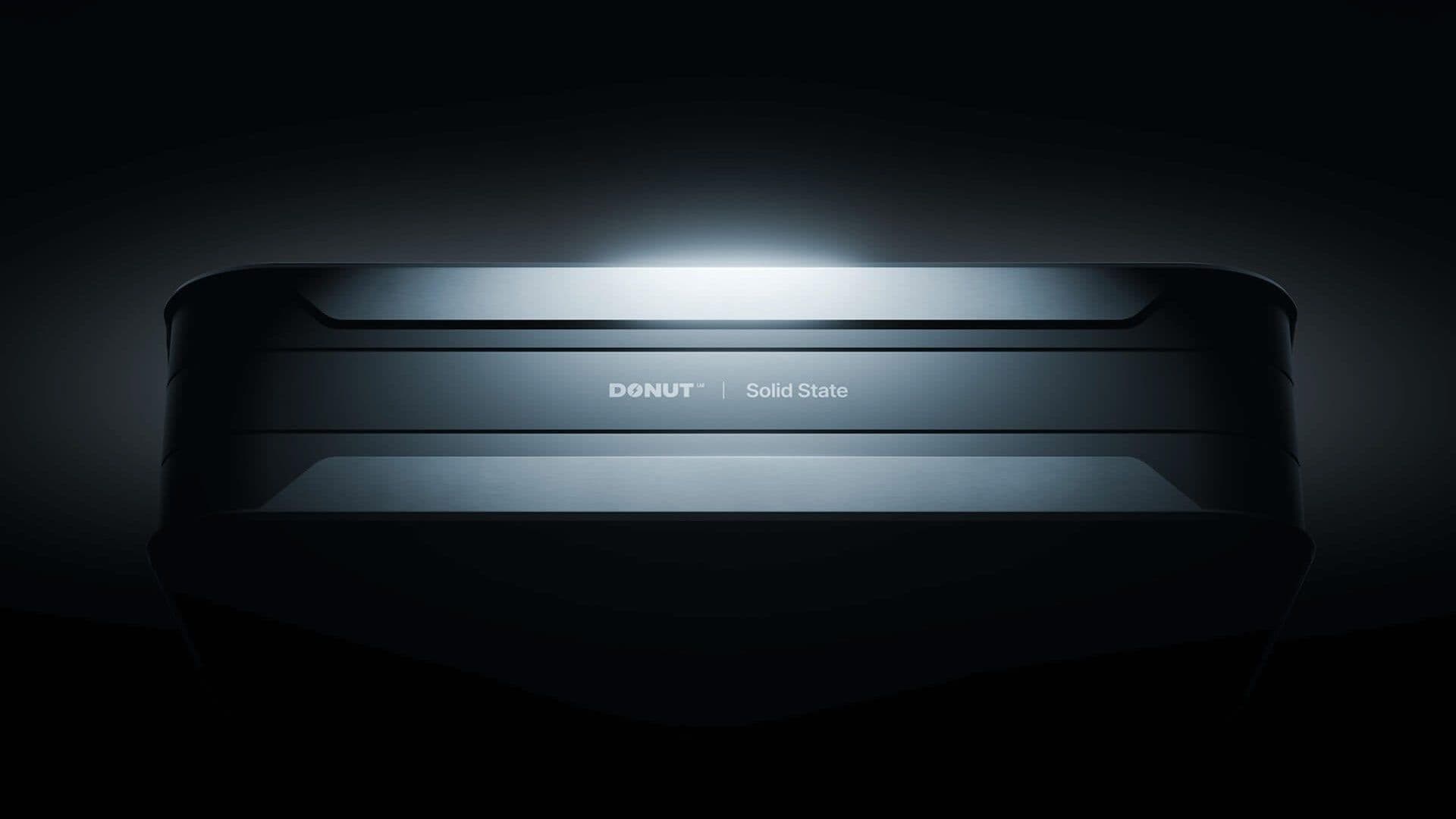
- Independent tests confirmed Donut Lab's 'solid-state' battery is actually conventional lithium-ion
- The company raised $25 million from thousands of retail investors on debunked performance claims
- Actual energy density measured at 298 Wh/kg, far below the claimed 400 Wh/kg
Donut Lab, a Finnish startup that promised to revolutionize energy storage with solid-state battery technology, has been exposed as using standard lithium-ion chemistry. The revelation comes after independent analysis by over 20 battery experts, coordinated by YouTube researcher Ryan Inis Hughes of the Ziroth channel.
The company had raised $25 million from thousands of small investors and achieved a valuation of $1.25 billion. Its claims included a 400 Wh/kg energy density, 100,000 charge cycles, and 5-minute charging. These specs would have outpaced efforts by Toyota and Samsung. Instead, testing revealed the batteries are repackaged conventional cells.
Authorities are now investigating. Electrek reports the case is already being compared to Theranos, the blood-testing startup whose founder Elizabeth Holmes was convicted of fraud.
How the Investigation Unfolded
The scrutiny began shortly after Donut Lab CEO Marko Lehtimäki announced at CES 2026 that the company's solid-state technology was 'going to transform the industry.' The startup claimed its batteries were already shipping in production vehicles.
Cracks appeared before any lab work started. A whistleblower from partner company Nordic Nano Group, the firm's former COO, alleged the CES specifications weren't accurate. Then a scientist from Fraunhofer Research Institute, after speaking with Donut Lab's technology provider CT Coatings, said 'these people have no idea how a battery actually works.'
A claimed partnership with a motorcycle manufacturer also fell apart under scrutiny. Donut Lab had announced its batteries were in the 'first production motorcycle.' In reality, the partnership was merely at the development test phase.
The Scientific Evidence
Scientists from Fraunhofer and multiple universities conducted chemical and electrical analysis on Donut Lab cells. Their conclusion was unanimous: the tested cells are lithium-ion.
Two pieces of evidence were central. First, voltage curves precisely matched high-nickel lithium-ion cells using NCM (nickel-cobalt-manganese) chemistry. This is standard technology found in electric vehicles today, not the solid-state breakthrough Donut Lab advertised.
“The voltage curve at 50% state-of-charge is the undeniable fingerprint of standard lithium-ion chemistry, not solid-state.”
— Ryan Inis Hughes, Battery Researcher & Host of Ziroth
The actual measured energy density came in at 298 Wh/kg. That's 25% lower than the 400 Wh/kg Donut Lab claimed and roughly in line with current commercial lithium-ion cells. No solid-state performance advantage exists.
Why the Fraud Was Detectable
Battery experts in online communities have pointed out that Donut Lab's claims were verifiably false from publicly available data. The voltage 'kink' at specific charge states is a known signature of NCM lithium-ion chemistry. Anyone with basic electrochemistry knowledge could spot it.
This has sparked criticism of investors who funded the company. On Reddit's r/batteries and Hacker News, commenters expressed frustration that due diligence failed to catch what they describe as transparent fraud. The 'too good to be true' performance claims should have triggered deeper investigation, they argue.
What Happens Next
Regulatory authorities are now investigating the company. The case highlights ongoing challenges in cleantech investing, where breakthrough claims can attract capital before independent verification.
The comparison to Theranos is apt. Both companies raised significant capital on performance claims that turned out to be fabricated. Both targeted an industry where outside investors lack technical expertise to evaluate claims independently.
For the thousands of small investors who put money into Donut Lab, the path forward remains unclear. The investigation will determine whether criminal charges follow and what recovery, if any, is possible.
Logicity's Take
More on battery technology developments in consumer devices
Frequently Asked Questions
What did Donut Lab claim about its batteries?
Donut Lab claimed to have developed a solid-state battery with 400 Wh/kg energy density, 100,000 charge cycles, and 5-minute charging capability. The company said these batteries were shipping in production vehicles.
How was the fraud discovered?
Over 20 independent battery experts, coordinated by researcher Ryan Inis Hughes, analyzed Donut Lab cells. Voltage curves and chemical analysis confirmed the batteries were standard lithium-ion using NCM chemistry, not solid-state.
How much money did Donut Lab raise?
Donut Lab raised $25 million from thousands of small investors and reached a peak valuation of $1.25 billion before the fraud was exposed.
What is the actual energy density of Donut Lab batteries?
Independent testing measured 298 Wh/kg, which is 25% lower than the claimed 400 Wh/kg and consistent with standard commercial lithium-ion cells.
Are authorities investigating Donut Lab?
Yes. Regulatory authorities are investigating the company, and the case is being compared to the Theranos fraud in the medical device industry.
Need Help Implementing This?
Source: Latest from Tom's Hardware
Manaal Khan
Tech & Innovation Writer
Produced with AI assistance and reviewed by the Logicity editorial team. Learn more in our Editorial Policy.