Key Takeaways
- DeepSeek V4 Pro Max scores 90.2% on Apex Shortlist, leading GPT-5.4 and Claude Opus 4.6 in coding benchmarks
- The flagship model has 1.6 trillion parameters and supports one million tokens of context
- American models still lead in general knowledge and tool-use benchmarks
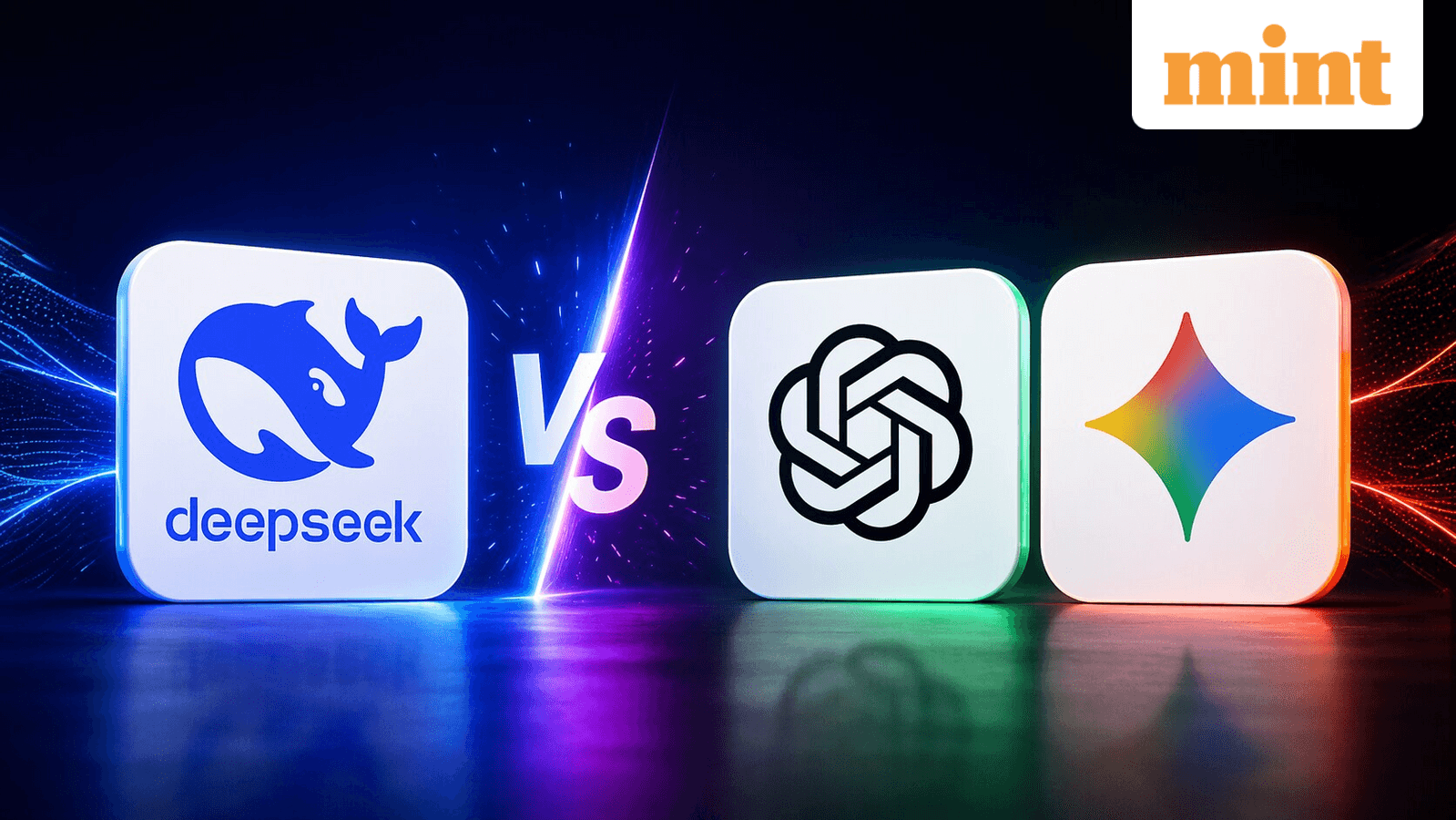
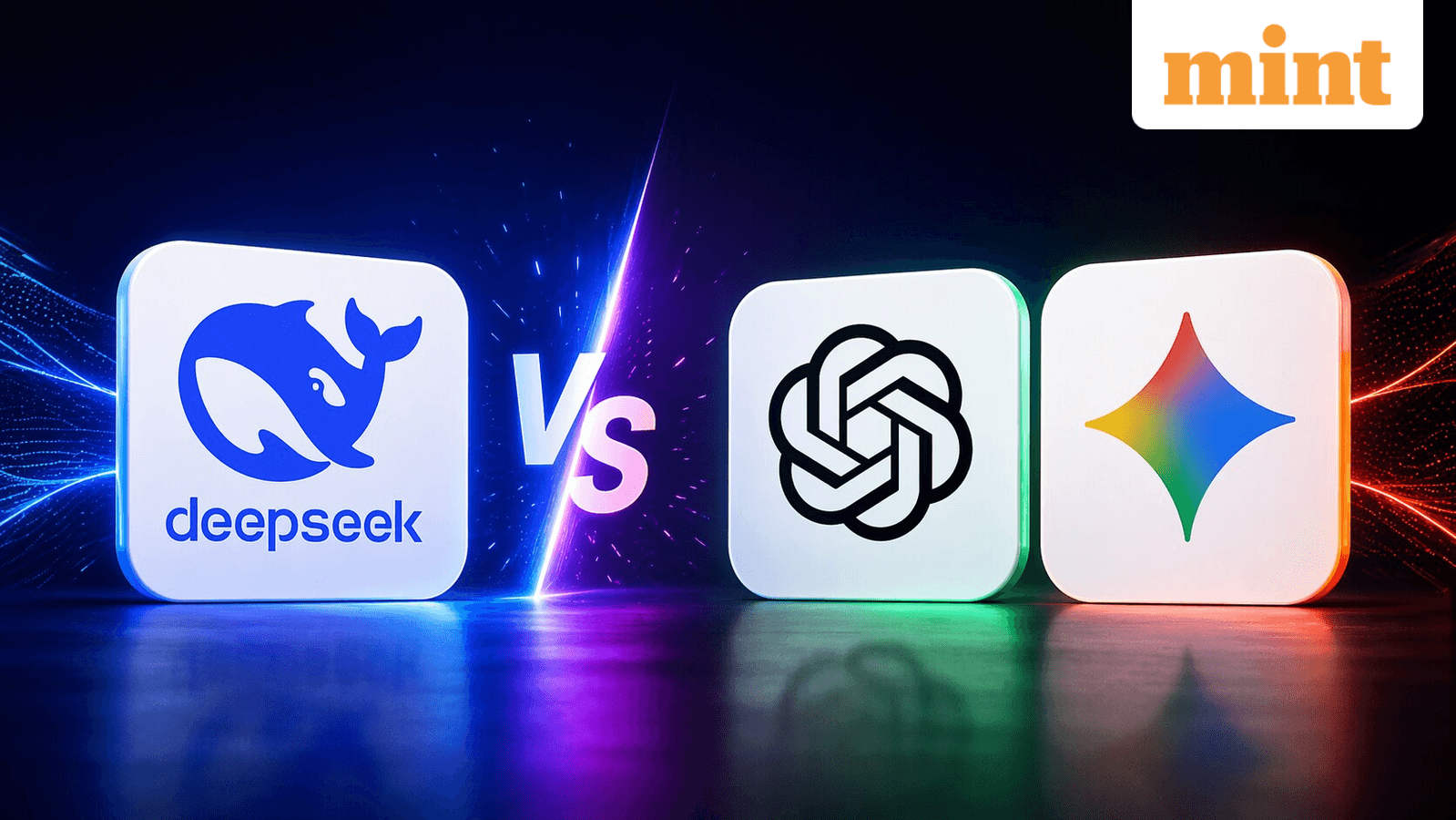
DeepSeek, the Chinese AI startup that rattled markets early last year, has released preview versions of its V4 series models. The company claims its flagship V4 Pro Max beats OpenAI's GPT-5.4, Anthropic's Claude Opus 4.6, and Google's Gemini 3.1 Pro on coding and math benchmarks.
The release comes more than a year after DeepSeek's R1 and V3 models went viral and triggered a trillion-dollar stock market selloff over fears that China had closed the AI gap with the US. This time, the benchmarks tell a more nuanced story.
What the V4 Series Offers
DeepSeek's V4 lineup splits into two models. The flagship V4 Pro packs 1.6 trillion total parameters. The lighter V4 Flash runs on 284 billion parameters. Both support a one-million-token context window, roughly 750,000 words of input text.
The models introduce three reasoning modes. Non-think handles everyday tasks and low-risk decisions. Think High targets complex problem-solving and planning. Think Max tackles the hardest coding and math challenges.
Benchmark Performance: Where DeepSeek Leads
DeepSeek published benchmark comparisons against GPT-5.4, Claude Opus 4.6, and Gemini 3.1 Pro. On coding and math tasks, V4 Pro Max claims the top spot.
The model scores 90.2% on Apex Shortlist, a benchmark focused on high-difficulty reasoning. It achieves a Codeforces rating of 3206, which indicates strong competitive programming ability. On SWE Verified, a benchmark measuring performance on practical software engineering tasks, V4 Pro Max ties for first place.
DeepSeek also claims efficiency gains. The company says V4 Pro Max uses nearly 10 times less memory than its V3.2 model when processing long inputs.
Where American Models Still Win
The benchmarks don't favor DeepSeek across the board. On general knowledge and broader reasoning, American models hold the lead.
Google's Gemini 3.1 Pro tops SimpleQA-Verified, which tests factual accuracy and question answering. OpenAI's GPT-5.4 ranks highest on Terminal Bench 2.0, measuring how well models use tools and operate in agent-like environments.
This pattern matches what we saw with earlier DeepSeek releases: strong performance on structured tasks like coding and math, weaker results on open-ended knowledge retrieval.
| Benchmark | Leader | What It Tests |
|---|---|---|
| Apex Shortlist | DeepSeek V4 Pro Max (90.2%) | High-difficulty reasoning |
| Codeforces Rating | DeepSeek V4 Pro Max (3206) | Competitive programming |
| SWE Verified | DeepSeek V4 Pro Max (tied) | Software engineering tasks |
| SimpleQA-Verified | Gemini 3.1 Pro | Factual accuracy |
| Terminal Bench 2.0 | GPT-5.4 | Tool use and agent tasks |
Timing and Context
DeepSeek's launch came hours after OpenAI released GPT-5.5, which OpenAI positioned as a response to Claude's growing dominance in coding applications. The AI industry is now in a rapid release cycle, with major labs pushing updates within days of each other.
On Hugging Face, DeepSeek describes V4 Pro and V4 Pro Max as "the best open-source model available today." The company says it has "significantly bridged the gap with leading closed-source models on reasoning and agentic tasks."
Context on competing AI coding capabilities
What This Means for Developers
For teams evaluating AI coding assistants, DeepSeek V4 presents a compelling option on narrow technical benchmarks. The Codeforces rating and SWE Verified scores suggest real capability for algorithmic challenges and practical engineering tasks.
The one-million-token context window is notable. It allows the model to process entire codebases or lengthy documentation in a single session. Combined with the 10x memory efficiency claim, this could make V4 practical for local deployment in ways previous models were not.
The tradeoff is general knowledge. If your use case involves factual lookup, web research, or tool integration, GPT-5.4 and Gemini 3.1 Pro still appear stronger based on these benchmarks.
Practical applications for AI coding tools
Logicity's Take
Frequently Asked Questions
How many parameters does DeepSeek V4 Pro have?
DeepSeek V4 Pro has 1.6 trillion total parameters. The lighter V4 Flash model has 284 billion parameters.
What is DeepSeek V4's context window size?
Both V4 Pro and V4 Flash support a one-million-token context window, equivalent to approximately 750,000 words.
Does DeepSeek V4 beat ChatGPT on all benchmarks?
No. DeepSeek V4 Pro Max leads on coding benchmarks like Apex Shortlist and Codeforces, but GPT-5.4 outperforms it on Terminal Bench 2.0, which tests tool use and agent capabilities.
Is DeepSeek V4 open source?
DeepSeek describes V4 Pro and V4 Pro Max as the best open-source models available, with weights accessible via Hugging Face.
What are DeepSeek V4's three reasoning modes?
The three modes are Non-think (daily tasks), Think High (complex problem-solving), and Think Max (hardest coding and math problems).
Need Help Implementing This?
Source: mint / Aman Gupta
Manaal Khan
Tech & Innovation Writer
Produced with AI assistance and reviewed by the Logicity editorial team. Learn more in our Editorial Policy.