Key Takeaways
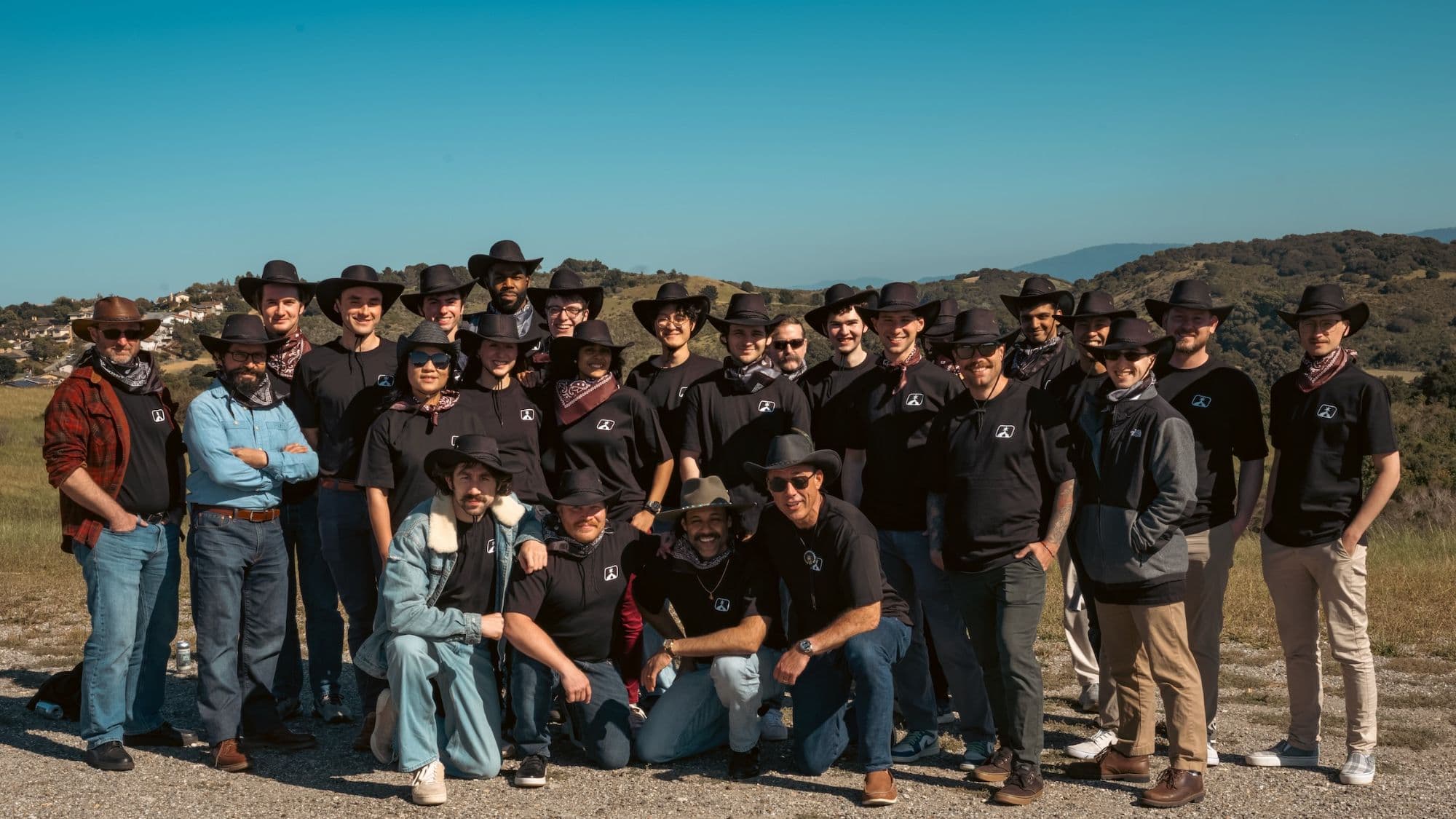
- Cowboy Space raised $275 million in Series B funding led by Index Ventures
- The company's rocket upper stage doubles as a 1-megawatt orbital data center
- First launch is planned for later this year to demonstrate space-to-Earth power beaming
Cowboy Space Corp. has closed a $275 million Series B funding round to build something that sounds like science fiction: AI data centers that orbit Earth and run on solar power.
The company, based in San Carlos, California, was previously known as Aetherflux. It was founded in 2024 by Robinhood co-founder Baiju Bhatt, who serves as CEO. The rebrand to Cowboy Space came with a new direction: instead of focusing purely on space-based solar power, the company now wants to put computing infrastructure in orbit.
One Rocket, One Data Center
The engineering approach is unusual. Cowboy Space is building its own rockets, and the upper stage of each rocket will also serve as the data center itself. Once in orbit, each unit will function as a 1-megawatt computing hub. No separate payload deployment. The rocket stage and the satellite are the same piece of hardware.
The company calls its planned constellation "Stampede." It did not disclose how many satellites it intends to deploy.
Why Put Data Centers in Space?
Cowboy Space points to a specific bottleneck: power grid connection times. In major U.S. markets, getting a new data center connected to the grid takes five to seven years. Sometimes longer. AI workloads are growing faster than terrestrial infrastructure can accommodate.
"Earth's energy grid can't run at the pace of AI. We can," the company said in an X post on May 11. "AI is driving the largest infrastructure build-out in recent history, and the power grid on planet Earth can't keep pace."
Solar power in orbit has one major advantage: no night, no clouds. A satellite in the right orbit can collect sunlight almost continuously. The challenge is getting that power to where the computing happens, and getting the results back to Earth.
Vertical Integration and Speed
Cowboy Space plans to own its entire manufacturing chain. It will have dedicated launch sites. The goal is to move fast.
Bhatt described the approach as "a first-principles departure from the traditional constellation model." Most satellite constellations buy launches from providers like SpaceX or Rocket Lab. Cowboy Space wants to control the whole stack.
The team includes engineers from SpaceX, Astranis, Amazon's Project Kuiper, and NVIDIA. The company says NVIDIA is providing an AI-focused chip platform for the orbital data centers.
From Aetherflux to Cowboy
The company's pivot is notable. When Bhatt founded Aetherflux in 2024, the focus was space-based solar power. It beamed energy from orbit to ground receivers. About a year ago, Aetherflux raised $50 million in Series A funding for that mission.
Now the pitch has evolved. Instead of just transmitting power, the satellites will use that power for computation and transmit data back via optical links. The energy stays in space. The results come down.
First Launch Later This Year
Cowboy Space says it plans to launch its first satellite before the end of 2026. That mission will demonstrate the company's ability to beam power from space to Earth. It's a proof-of-concept for the broader constellation.
The company has not announced which launch site it will use for the first mission or whether it will fly on its own rocket or hitch a ride with another provider.
Logicity's Take
The Competitive Landscape
Cowboy Space is not the only company exploring space-based power or orbital computing. But the combination of building rockets, satellites, and data centers as a single integrated system is unusual. Most space companies specialize.
The vertical integration strategy echoes SpaceX's approach to launch services. Whether a company founded in 2024 can execute at that level is the central question. The $275 million gives Cowboy Space runway to find out.
Frequently Asked Questions
What is Cowboy Space Corp.?
Cowboy Space is a San Carlos, California-based startup building solar-powered AI data centers designed to operate in Earth orbit. It was previously known as Aetherflux and was founded in 2024 by Robinhood co-founder Baiju Bhatt.
How much funding has Cowboy Space raised?
The company has raised $275 million in Series B funding led by Index Ventures. It previously raised $50 million in Series A funding about a year ago.
How do Cowboy Space's orbital data centers work?
The company is building rockets where the upper stage doubles as a 1-megawatt data center. Once in orbit, the stage functions as a solar-powered computing hub that transmits data back to Earth via optical links.
When will Cowboy Space launch its first satellite?
The company plans to launch its first satellite later in 2026 to demonstrate its ability to beam power from space to Earth.
Why put data centers in space instead of on Earth?
Cowboy Space argues that grid connection times for new terrestrial data centers can take five to seven years in major U.S. markets. Orbital data centers could theoretically bypass this bottleneck by generating their own solar power in space.
Need Help Implementing This?
Source: Latest from Space.com
Manaal Khan
Tech & Innovation Writer
Produced with AI assistance and reviewed by the Logicity editorial team. Learn more in our Editorial Policy.