Key Takeaways
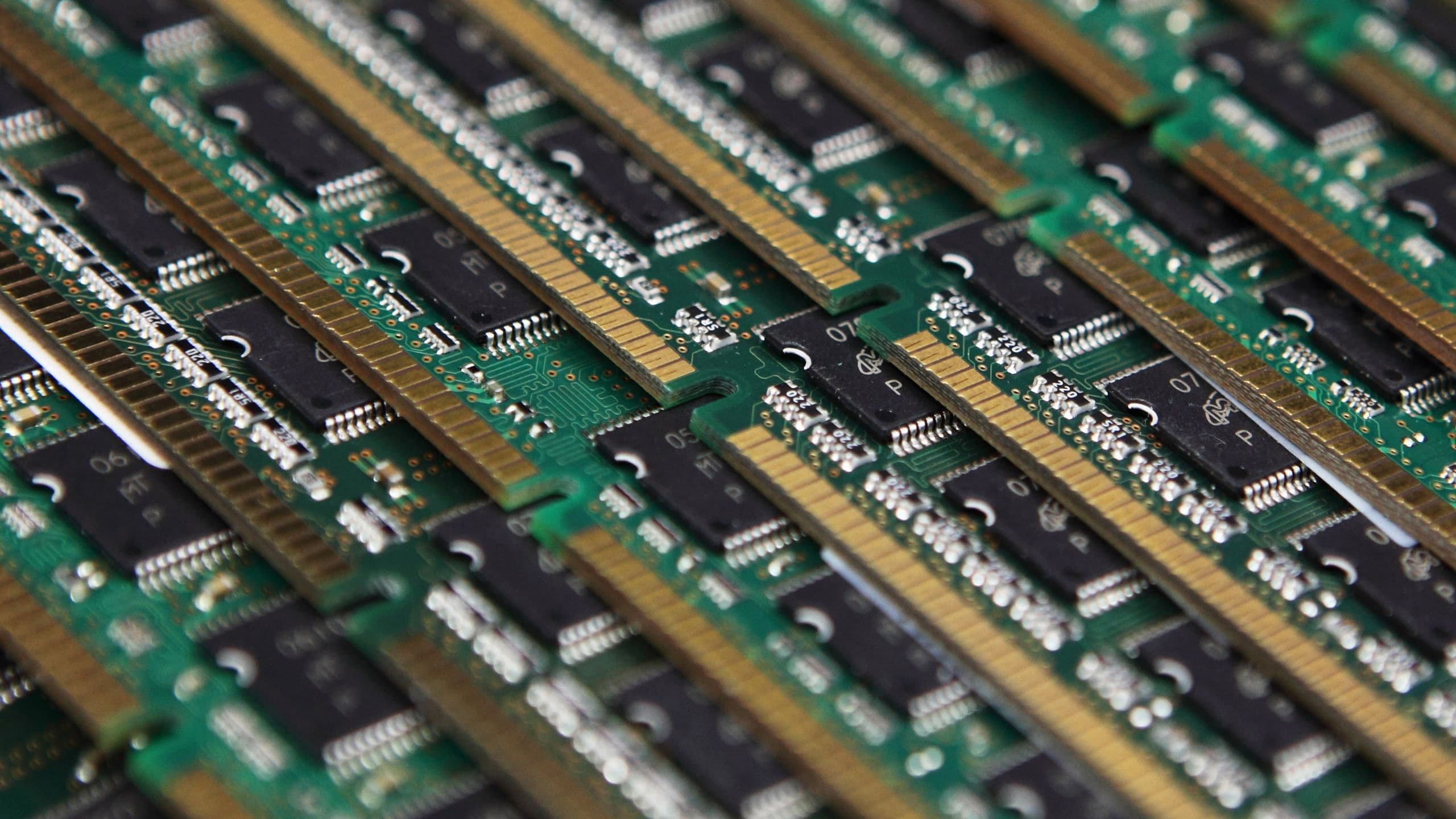
- Corsair's Vengeance DDR5 lineup now includes CXMT silicon, while HP and Dell are qualifying Chinese memory for their products
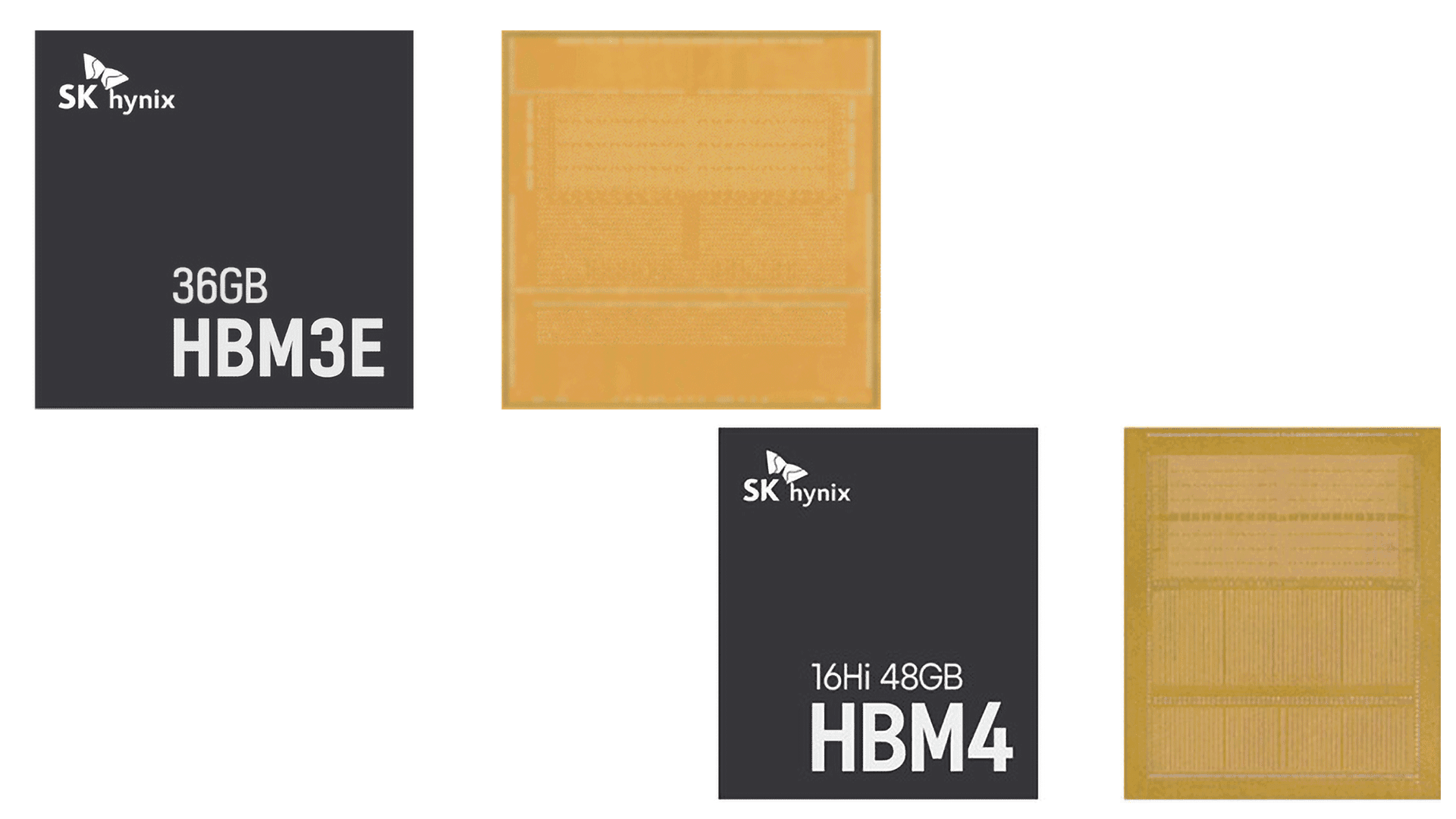
- Samsung, Micron, and SK Hynix have shifted production toward HBM for AI, creating supply gaps in consumer DDR5 and NAND
- CXMT produces DDR5 on 16nm DUV tools despite US export controls blocking access to EUV lithography
Corsair, HP, and Dell are now sourcing DDR5 memory chips from Chinese manufacturers CXMT and YMTC, marking a significant shift in the global memory supply chain. The move comes as Samsung, Micron, and SK Hynix redirect production capacity toward high-bandwidth memory for AI data centers, leaving consumer PC brands scrambling for alternatives.
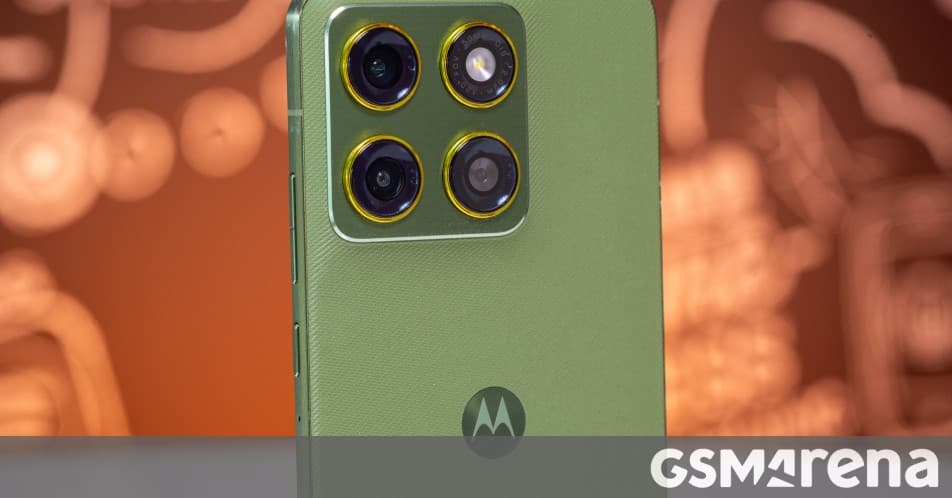
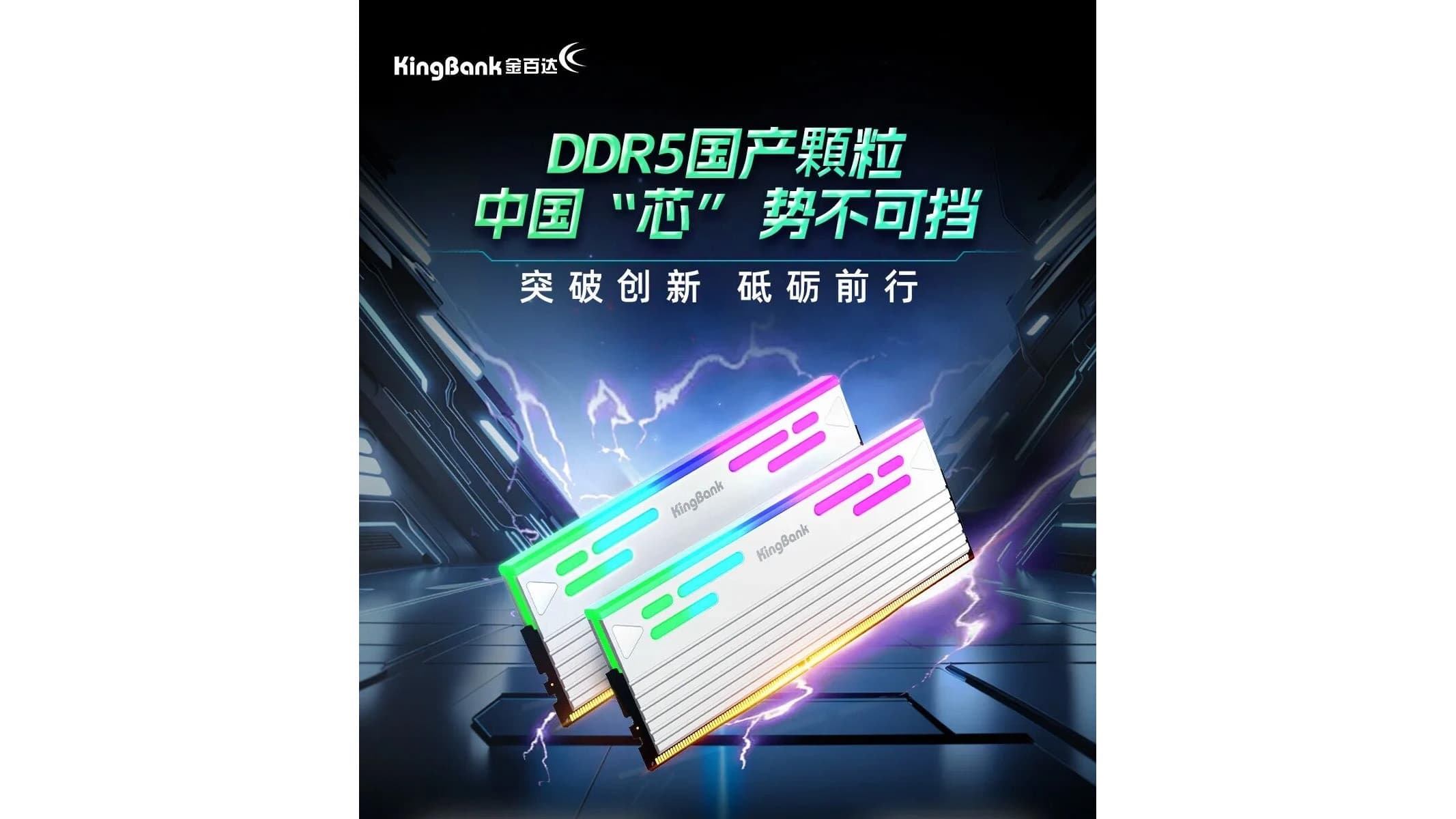
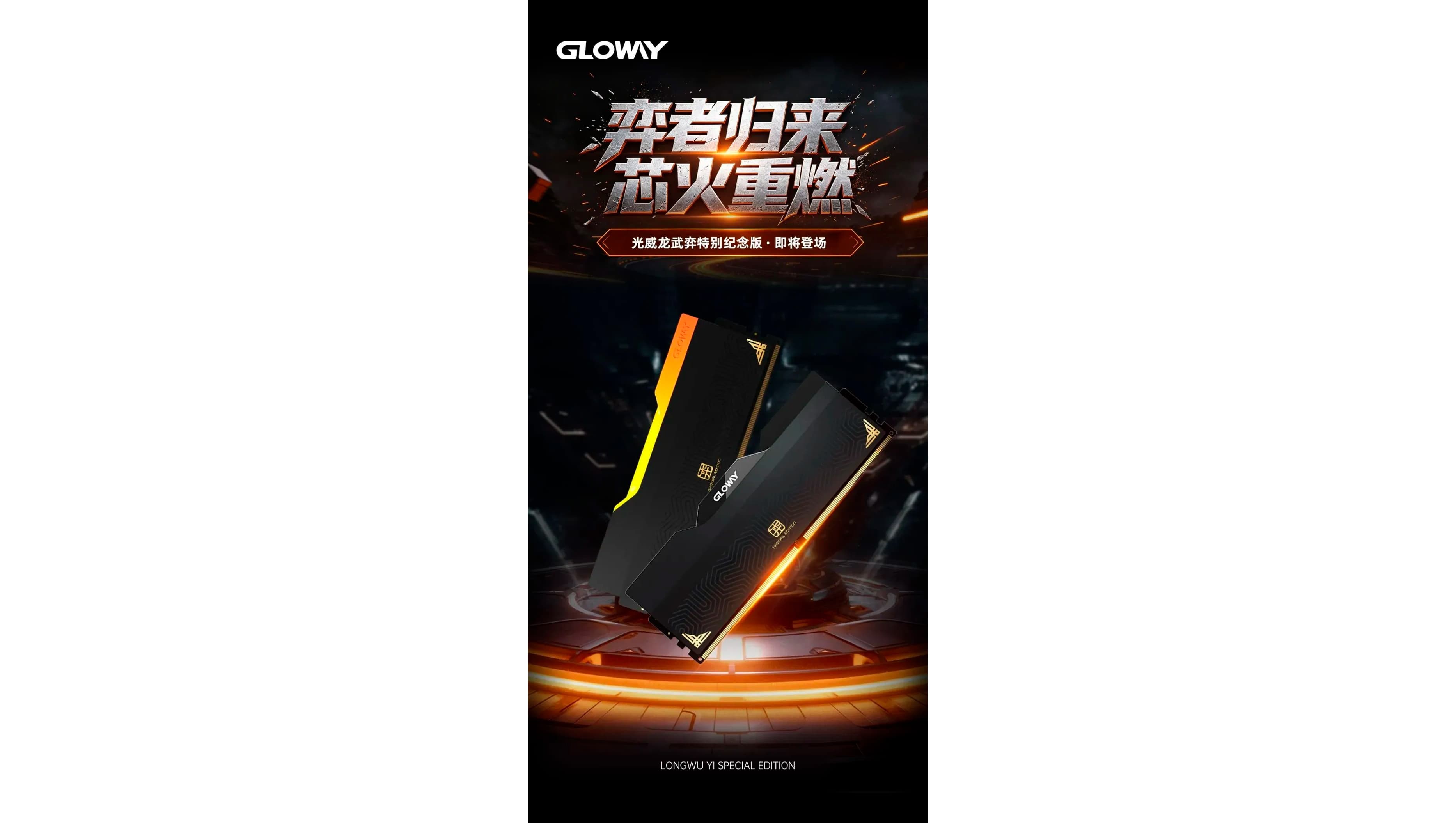
Corsair has already implemented CXMT DDR5 in some kits from its Vengeance lineup. HP and Dell are qualifying CXMT modules for their systems. Chinese domestic brands Gloway and KingBank have announced DDR5 modules using 24Gb CXMT chips, enabling 24GB sticks that can scale to 96GB in quad-DIMM configurations.
Why are Western brands turning to Chinese DDR5?
The answer is supply, not price. The Big Three memory giants are chasing returns from the AI boom. Data centers running Nvidia's H100 and upcoming Blackwell GPUs require massive amounts of HBM3 and HBM3e. That silicon is more profitable per wafer than consumer DDR5, so Samsung, Micron, and SK Hynix have reallocated capacity accordingly.
Nelson Duann, Silicon Motion's Senior Vice President, explained the dynamic in a recent interview with Tom's Hardware: "Foreign suppliers generally follow the highest-return opportunities and can allocate most of their supply to data centers. Chinese suppliers cannot do that in the same way because the government can provide guidance and encourage them to support certain local industries."
CXMT and YMTC operate under a different mandate. Heavy government subsidies come with an expectation that these firms prioritize China's technological self-sufficiency. Profit takes a back seat to stable supply. For Chinese PC brands, this means predictable pricing and availability, shielded from the steep premiums the Big Three now command.
How advanced is CXMT's manufacturing?
CXMT is only ten years old, and US export controls have blocked the company from acquiring ASML's extreme ultraviolet lithography machines. The company has built its entire DDR5 and LPDDR5X production on older deep ultraviolet tools.
Its current flagship is a 16nm process (internally called G4). That's a generation or two behind Samsung and SK Hynix, which have moved to 12nm-class nodes. The gap shows up in die size: CXMT's 17nm-class DDR5 dies are roughly 40% larger than Samsung's equivalent. Bigger dies mean higher costs per chip and lower yields.
Still, CXMT has roadmapped DDR5 speeds up to 8,000 MT/s, which would position its modules alongside enthusiast-grade kits from established brands. Whether that speed target arrives on time, or with competitive latencies, remains unproven.
What about storage? YMTC's NAND push
YMTC mirrors CXMT's role in NAND flash. The company uses its proprietary Xtacking 4.0 architecture to produce competitive PCIe 5.0 SSDs. Its latest controllers hit 10.5 GB/s sequential reads, matching Western Digital and Samsung's flagship drives.
YMTC faced direct US sanctions in 2022, which restricted its access to American equipment and customers. The company has since focused on the domestic Chinese market and unsanctioned export channels. Some YMTC NAND has appeared in budget SSDs sold in Europe and Asia under white-label brands.
How are enthusiasts reacting?
Community sentiment is split. Discussions on r/hardware and Hacker News show skepticism about long-term reliability and overclocking headroom. Tom's Hardware notes that no independent outlet has reviewed CXMT-based memory kits, so performance data remains thin.
Others welcome the competition. The Big Three have operated as an effective oligopoly for years. New entrants, even government-backed ones, could apply downward pressure on pricing once the AI crunch eases.
US export controls are reshaping multiple technology supply chains
What does this mean for global supply chains?
The adoption of CXMT and YMTC silicon by Western OEMs is a hedge. Dell and HP cannot afford motherboard shortages because Samsung chose to prioritize HBM wafers. Qualifying a second source, even one with geopolitical complexity, reduces that risk.
For Corsair, the calculus is simpler. Memory modules are commodity products. If CXMT chips hit speed and reliability specs at a better cost, they go into the kit. Brand loyalty matters less when the sticker on the heat spreader says Vengeance.
Whether this remains a temporary measure or marks a permanent shift depends on how long the AI memory crunch lasts. If HBM demand plateaus, Samsung, Micron, and SK Hynix may fight to reclaim consumer share. If the crunch deepens, CXMT's market position only strengthens.
Logicity's Take
The real story here is not Chinese nationalism; it's market economics. Samsung, Micron, and SK Hynix are rational actors chasing HBM margins, and that creates an opening for CXMT. US export controls were designed to slow Chinese semiconductor progress, but they've also forced CXMT to become a viable DDR5 producer faster than it otherwise might have. The irony is that American OEMs now benefit from that capability. This is less a supply chain revolt than a supply chain adaptation.
Frequently Asked Questions
Are CXMT DDR5 chips slower than Samsung or Micron?
CXMT produces DDR5 on a 16nm process, roughly a generation behind Samsung's 12nm-class. This results in larger dies, but speed specifications can still match. Performance benchmarks are not yet publicly available.
Which Corsair products use Chinese DDR5 chips?
Some kits in Corsair's Vengeance DDR5 lineup now include CXMT silicon. Corsair has not disclosed specific SKUs or regional availability.
Is YMTC under US sanctions?
Yes. YMTC was added to the US Entity List in December 2022, restricting its access to American equipment and customers. The company continues to operate in China and export to unsanctioned markets.
Will Chinese DDR5 lower memory prices?
Possibly. New supply sources could apply pricing pressure once the AI-driven HBM crunch eases. For now, CXMT's primary role is filling supply gaps, not undercutting on price.
Need Help Implementing This?
If your organization is navigating semiconductor supply chain decisions or needs to understand the implications of shifting memory sourcing strategies, contact Logicity's enterprise technology team for briefings and strategic analysis.
Source: Latest from Tom's Hardware
Huma Shazia
Senior AI & Tech Writer
Produced with AI assistance and reviewed by the Logicity editorial team. Learn more in our Editorial Policy.