Key Takeaways
- Corgi raised $106 million at a $2.6 billion valuation, three weeks after its $1.3 billion Series B
- Limited partners are increasingly skeptical of rapid internal markups with no liquidity events
- The company has raised $378 million total since its 2024 founding
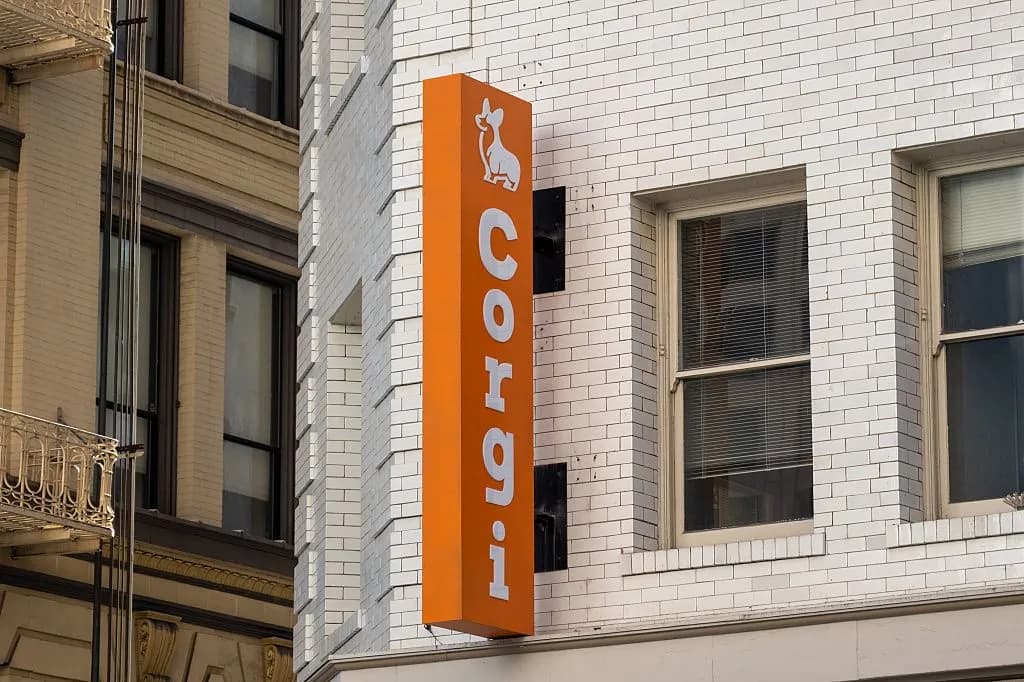
Corgi, an insurance startup focused on covering tech companies and their AI-related risks, announced a $106 million Series B1 round on Thursday. The round values the company at $2.6 billion. Three weeks ago, Corgi announced a $160 million Series B at half that valuation.
That's a 100% markup in 21 days. Even in today's frothy funding environment, that timeline is raising eyebrows.
The Rapid-Fire Funding Timeline
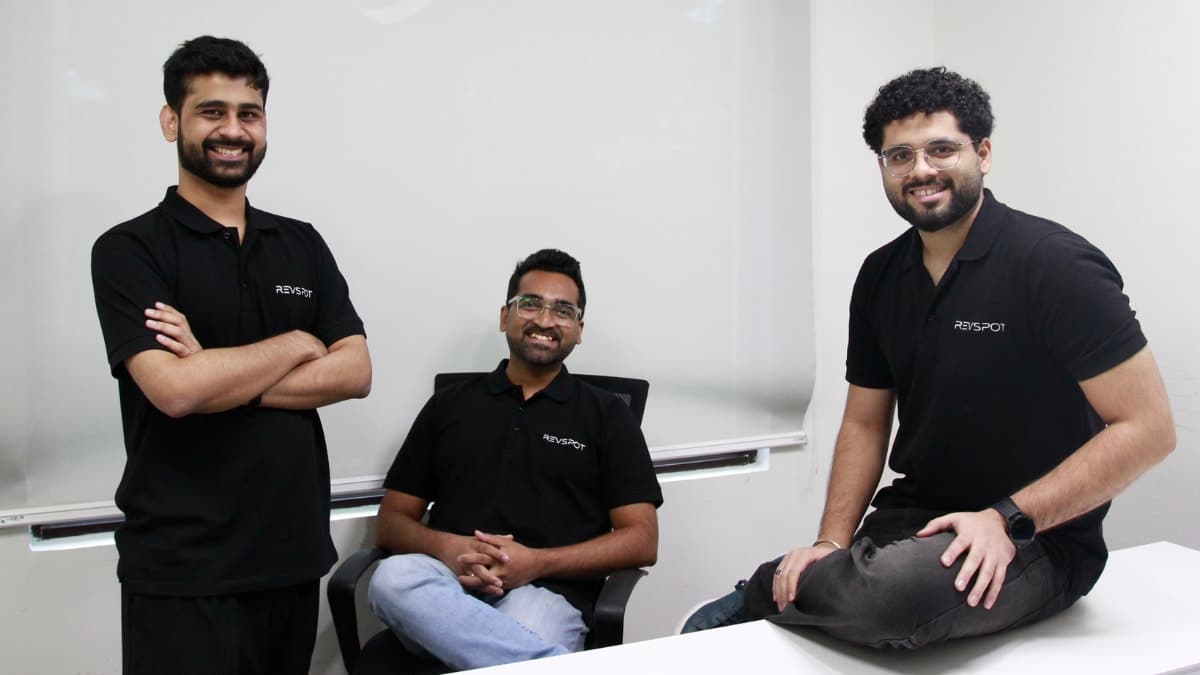
Founded in 2024 by Emily Yuan and Nico Laqua, Corgi has moved fast. The company raised a $108 million Series A four months ago, followed by a $160 million Series B, and now the $106 million B1. Total capital raised: $378 million.
The investor set stayed the same across both recent rounds. Kindred Ventures, Prime Capital, Leblon Capital, Alumni Ventures, and Y Combinator all participated. When TechCrunch asked Kindred's Kanyi Macqubela what justified a valuation doubling in three weeks, he pointed to momentum.
“LPs really like exits above all. They discount the value of markups since those aren't always reflective of reality.”
— Kanyi Macqubela, Kindred Ventures
Macqubela added that revenue growth rationalized the new round. But the explanation may not satisfy everyone watching.
Why LPs Are Getting Skeptical
The core concern is straightforward: when a fund invests at one valuation and marks it up three weeks later, paper returns look better than the underlying business may warrant. There's no external validation. No acquisition offer, no IPO pricing, no secondary sale to a new investor at arm's length.
One limited partner who backs multiple venture funds spoke to TechCrunch on condition of anonymity. The concern was blunt.
“There's growing distrust of internal markups. If a company is just getting re-priced upward with no real liquidity event, LPs notice.”
— Anonymous LP, speaking to TechCrunch
The practice of rapid-succession rounds at steep step-ups has become almost routine in recent years. But a 100% jump in three weeks stands out even in that context.
What Corgi Actually Does
Corgi sells insurance to startups. The company focuses on tech, cyber liability, and general business coverage for early-to-growth-stage companies. Deel and Artisan are among its customers.
The pitch is that legacy insurers either exclude startup-specific risks or handle them vaguely. AI risks are a particular focus.
Co-founder Nico Laqua explained the gap to TechCrunch: "Corgi covers anything from when an AI system causes financial loss, misinformation, operational failures, or compliance issues. Many legacy policies either exclude these risks or handle them ambiguously."
It's a real market need. As more startups deploy AI in production, the question of who pays when things go wrong is becoming urgent. Traditional insurers were built for traditional risks.
The Capital-Intensity Argument
When asked about the back-to-back rounds, Laqua pointed to the nature of the insurance business. "Insurance is a highly capital-intensive industry," he said. "Demand has accelerated quickly across new product lines and partnerships."
Building an AI-native platform adds to those costs. Insurance carriers need reserves to back their policies. Growth means more policies, which means more capital.
Corgi isn't alone in this space. Vouch, also backed by Y Combinator, operates in a similar market. The competitive pressure may explain some of the urgency to raise.
The Bigger Question
Corgi's rapid fundraising is a specific case, but it reflects a broader dynamic. Venture funds report performance to their LPs based on portfolio valuations. When those valuations come from internal markups rather than external transactions, the numbers are softer than they appear.
This matters for pension funds, endowments, and other institutions that allocate capital to venture. They're making decisions based on reported returns. If those returns are inflated by paper markups, capital allocation gets distorted.
Discussion on Hacker News has been skeptical. Users questioned what "material event" could justify such a dramatic step-up in three weeks. Some speculated about the specific terms of the B1 round and the investor incentives involved.
Logicity's Take
Frequently Asked Questions
What is Corgi and what does it do?
Corgi is an AI-native insurance carrier founded in 2024 that provides coverage for startups, including cyber liability, tech errors and omissions, and general business insurance. It focuses on risks that legacy insurers often exclude, particularly those related to AI systems.
How much has Corgi raised in total?
Corgi has raised $378 million across three rounds: a $108 million Series A, a $160 million Series B, and a $106 million Series B1.
Why are LPs concerned about internal markups?
When venture funds invest at one valuation and mark it up shortly after without any external transaction, portfolio performance looks better on paper than it may actually be. LPs worry these markups don't reflect real business progress.
Who are Corgi's competitors?
Vouch, also backed by Y Combinator, operates in the same startup insurance space. Traditional insurers also compete, though Corgi argues they handle startup and AI risks poorly.
Who are Corgi's investors?
Corgi's investors include Kindred Ventures, Prime Capital, Leblon Capital, Alumni Ventures, and Y Combinator.
Another recent AI infrastructure development
Need Help Implementing This?
Source: Venture Capital News | TechCrunch / Dominic-Madori Davis
Huma Shazia
Senior AI & Tech Writer
Produced with AI assistance and reviewed by the Logicity editorial team. Learn more in our Editorial Policy.