Key Takeaways

- Corgi has reportedly closed its third funding round in eight weeks, reaching a $4B valuation
- The Y Combinator alum's revenue run rate is projected to grow from $40M in January to $450M by year-end
- Beyond insurance, Corgi now offers data room software and operates two 24-hour coffee shops
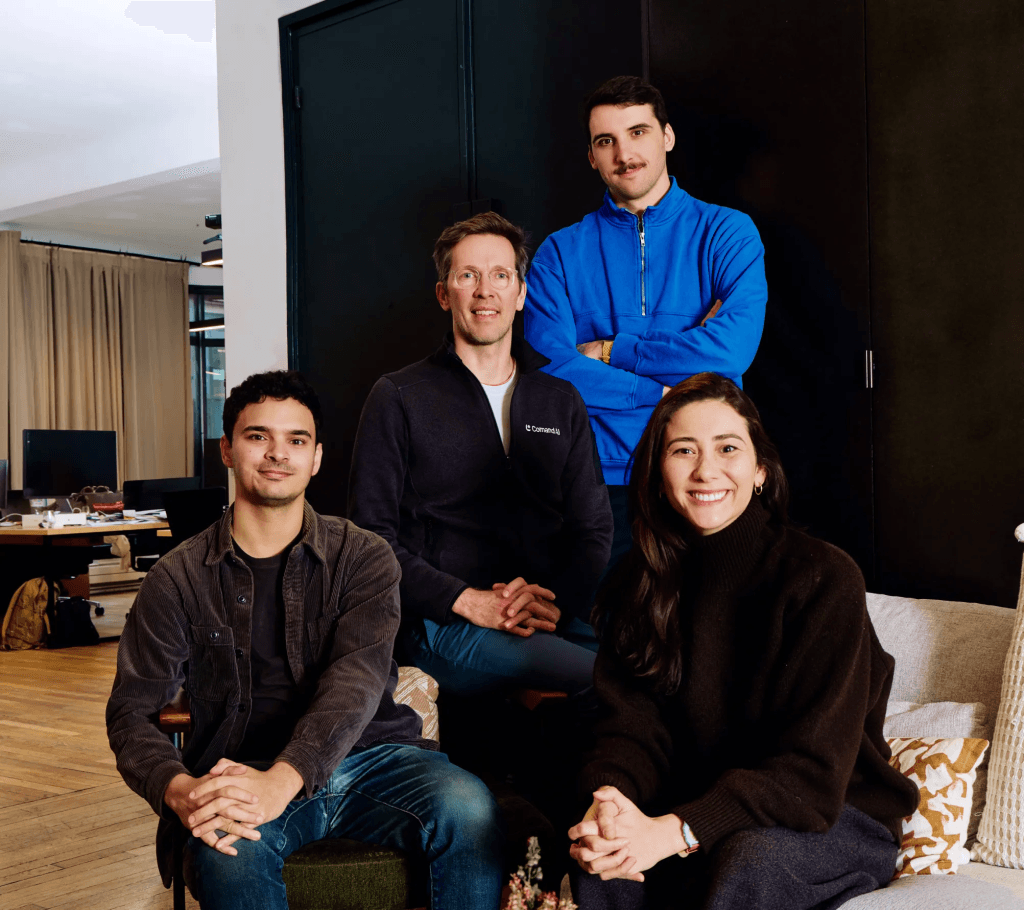
Corgi, the Y Combinator-backed insurtech startup, has reportedly closed yet another funding round at a $4 billion valuation. That's double what it was worth eight weeks ago, and more than six times its January valuation. The B2 extension, first reported by Forbes, marks the company's third raise since late May.
The speed is unusual even by 2026 standards, where AI-adjacent startups routinely stack rounds. Corgi stands out because its core business is insurance, a category not known for hypergrowth, and because it has branched into two unrelated verticals: data room software and coffee shops.
How did Corgi raise three rounds in two months?
The timeline is dense. In January, Corgi announced a $108 million Series A at an estimated $630 million post-money valuation. Four months later, it closed a $160 million Series B at $1.3 billion. Three weeks after that came a B1 extension of $106 million at $2.6 billion. Now, eight weeks later, the B2 reportedly doubles the company's worth to $4 billion.
Forbes did not report the size of the B2 round, and Corgi declined to comment. TCV and Kindred Ventures back the company. Kindred's Kanyi Maqubela previously cited Corgi's momentum to justify the B1 valuation leap.
Revenue growth justifies the valuation, sources say
When Corgi announced its Series A seven months ago, founders said the company had already hit $40 million in annualized revenue run rate. Sources told Forbes it's now on track to reach $450 million by year-end. That's more than 10x growth in under a year.
If accurate, that trajectory would put Corgi's forward revenue multiple under 9x, a figure more grounded than many AI startups command. The question is whether the company can sustain that growth rate while managing the risks inherent in insurance.
What does Corgi actually sell?
Corgi started as an AI-powered insurance provider targeting startups. It uses machine learning to generate fast quotes and accelerate claims processing. The product line includes general liability, tech-related incident coverage, employment liability, business renters' insurance, and auto insurance.
But the company has expanded far beyond insurance. Corgi now offers data room software, a pivot that drew attention earlier this year when reports surfaced that the product was largely vibe coded. The company also operates two 24-hour coffee shops in San Francisco and Atlanta, with five more planned, including locations in New York and London. Some drinks carry ad-sponsored names like "Brexspresso."
Why insurance is cash-hungry for Corgi
Insurance is capital-intensive by nature. Corgi's structure makes it even more so. The company uses Risk Retention Groups (RRGs), a model where businesses in similar industries pool resources to self-insure. RRGs avoid some state regulations that apply to traditional underwritten carriers.
The tradeoff is risk concentration. Claims are paid from the pool. A large claim can drain reserves and leave other members exposed. RRGs are not backed by state guaranty funds. If the pool can't pay, members bear the loss. In extreme cases, steep claims can bankrupt the RRG entirely.
A Corgi spokesperson noted the company uses different structures for different insurance types. Some policies run through state-regulated carriers. Still, the RRG model explains why Corgi might want a larger war chest.
Culture and controversy
Corgi has drawn attention for more than its funding pace. Founder-CEO Nico Laqua has said he expects employees to work seven days a week, a stance that sparked criticism in Silicon Valley. The company's data room product also faced scrutiny after reports that it was built using vibe coding practices, raising questions about code quality and long-term maintainability.
For founders evaluating Corgi as a vendor, these cultural signals may matter. A company moving this fast, across this many verticals, with this kind of internal intensity, presents both opportunity and risk.
Another AI-adjacent startup raising at eye-popping valuations in 2026
What this signals for startup fundraising
Corgi's rapid-fire rounds reflect a broader pattern. Investors are competing to get into companies showing strong revenue growth, even if the underlying business model has unanswered questions. The willingness to re-price a company three times in eight weeks suggests either deep conviction or fear of missing out.
For other founders, the lesson is nuanced. Yes, capital is available for companies that can demonstrate momentum. But stacking rounds this quickly creates its own pressures: heightened expectations, compressed timelines to prove out the next valuation, and less room for strategic pivots.
Logicity's Take
Corgi's numbers look impressive on paper, but the company is running three businesses at once: insurance, enterprise software, and physical retail. Each has different unit economics, regulatory environments, and operational demands. Founders watching this story should note that Corgi's model works only if all three verticals contribute. For comparison, traditional insurtech players like Lemonade and Root took years to reach $4B valuations, and both faced scrutiny over loss ratios. Corgi's RRG structure adds another variable. The $450M revenue target is bold; the real test is whether margins hold.
Frequently Asked Questions
How much has Corgi raised in total?
Corgi has raised at least $374 million across its Series A, Series B, and B1 rounds. The B2 round size has not been disclosed.
What is a Risk Retention Group?
An RRG is a member-owned insurer where businesses with similar risks pool resources to self-insure. RRGs face fewer state regulations but also lack state guaranty fund backing.
Who are Corgi's investors?
TCV and Kindred Ventures are known backers. The company is also a Y Combinator alum from the summer 2024 batch.
Why is Corgi opening coffee shops?
Corgi operates two 24-hour coffee shops in San Francisco and Atlanta, with five more planned. The shops feature ad-sponsored drink names, suggesting a brand-building or revenue diversification strategy.
What types of insurance does Corgi offer?
Corgi provides general liability, tech incident coverage, employment liability, business renters' insurance, and auto insurance, primarily targeting startups.
Need Help Implementing This?
If you're a founder navigating fast-paced fundraising or evaluating insurtech vendors, reach out to the Logicity team. We cover funding rounds, startup tools, and operational strategy for early-stage companies.
Source: Startups | TechCrunch / Julie Bort
Huma Shazia
Senior AI & Tech Writer
Produced with AI assistance and reviewed by the Logicity editorial team. Learn more in our Editorial Policy.