Key Takeaways
- Chinese memory makers receive government guidance to supply local SSD and DRAM module producers, giving them reliable chip access
- Samsung, SK Hynix, and Micron are prioritizing AI data center customers, squeezing supply for consumer electronics
- Major brands including Lenovo, Corsair, and Patriot Memory have already started using Chinese memory chips
Chinese memory manufacturers have a structural advantage their American and Taiwanese competitors cannot easily replicate: state guidance. While Samsung, SK Hynix, and Micron chase high-margin AI data center contracts, Beijing directs domestic chipmakers like CXMT and YMTC to keep local SSD and DRAM module producers supplied.
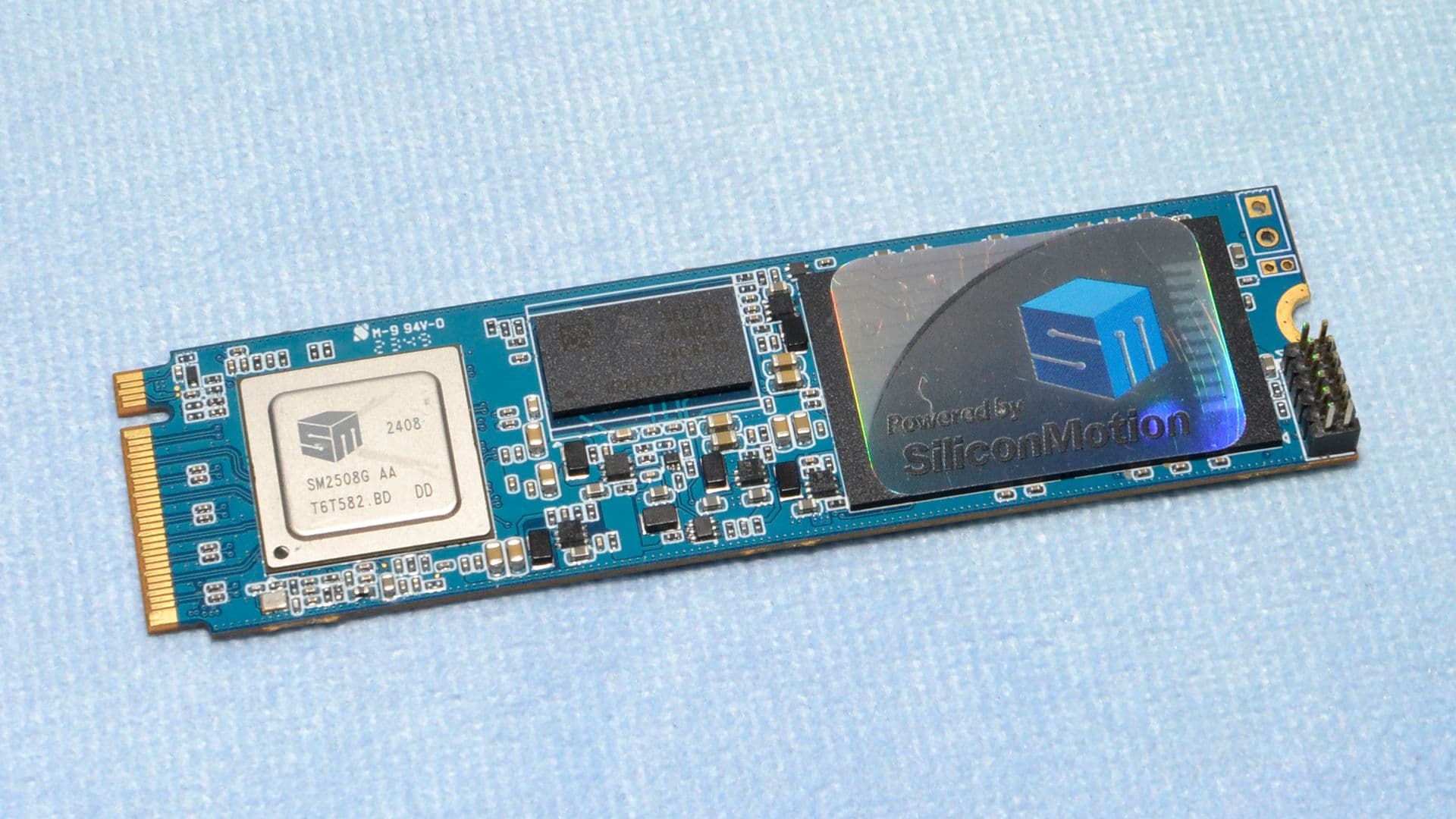
That's the assessment from Nelson Duann, senior vice president at Silicon Motion, one of the world's largest SSD controller suppliers. In an interview with Tom's Hardware, Duann explained how government involvement reshapes the competitive dynamics of the memory industry.
“China has domestic NAND and DRAM makers, and their strategy is not the same as that of foreign memory suppliers. Because they receive government support, they also have a responsibility to help maintain the health of the local market.”
— Nelson Duann, Senior VP, Silicon Motion
Why the Big Three are abandoning consumer markets
The logic is straightforward. AI data centers buy in massive volumes and pay premium prices. Memory giants follow the money. Retail SSD and DRAM sales have declined sharply in recent quarters as manufacturers allocate chips to their most profitable customers first.
The downstream effects hit hard. SSD and memory module producers struggle to source chips. Smartphone and PC manufacturers face the same squeeze. Prices rise across the board.
By 2027, analysts expect AI data centers to consume 70 to 80 percent of global NAND output. That leaves everyone else fighting over the remaining 20 to 30 percent. Consumer electronics manufacturers will feel that pinch acutely.
How state guidance changes the equation for Chinese suppliers
Chinese memory makers operate under different rules. Federal and local governments can provide guidance that encourages CXMT, YMTC, and other domestic producers to prioritize supply for local industries. The math here is political as much as economic.
CXMT and YMTC employ thousands of workers. But the DRAM module, SSD, smartphone, and PC industries they supply employ hundreds of thousands. Keeping those industries running matters more to Beijing than any single AI model or service.
"Foreign suppliers generally follow the highest-return opportunities and can allocate most of their supply to data centers," Duann said. "Chinese suppliers cannot do that in the same way because the government can provide guidance and encourage them to support certain local industries."
Who is already buying Chinese memory chips?
The shift is already underway. Lenovo has adopted Chinese memory in its systems. Acer, Dell, and HP are evaluating Chinese chips for their own products. Even established Western module brands are making the switch.
Corsair and Patriot Memory, both well-known names in enthusiast hardware, have started using Chinese DRAM chips and SSD platforms. For these companies, the calculation is simple: secure a steady supply or face shortages.
This creates an interesting dynamic. Chinese memory was once viewed primarily as a cost-cutting measure. Now it's becoming a supply chain necessity. When the Big Three allocate their best chips to hyperscalers, smaller customers look elsewhere.
What this means for global memory pricing
The implications extend beyond supply access. Chinese memory makers operating under state guidance face different incentive structures than profit-maximizing multinationals. They may keep prices more stable for domestic customers even when global markets tighten.
That stability could accelerate adoption. If Western memory suppliers continue prioritizing AI contracts, more manufacturers will turn to Chinese alternatives. Not because they're cheaper, necessarily, but because they're available.
Online hardware communities have noticed the trend. Discussions on Reddit's r/hardware and Hacker News reflect concern over shrinking consumer SSD availability, with users noting that manufacturers increasingly favor enterprise and AI contracts over retail.
The 2027 crunch point
If current trends hold, 2027 becomes a critical year. That's when NAND shortages for non-AI customers are expected to intensify significantly. Companies that haven't diversified their supply chains by then may find themselves locked out of competitive pricing or, worse, unable to source chips at all.
Chinese manufacturers building relationships now are positioning themselves for that crunch. Their government backing provides a hedge that pure market participants cannot replicate.
Logicity's Take
This is less about Chinese chips being better and more about them being present. When memory giants chase AI margins, they create a vacuum. State-guided suppliers fill it. The real question is whether Western policymakers will view this as a competitive threat requiring intervention, or simply the market working as expected. For hardware manufacturers outside China, the immediate lesson is clear: diversify supply chains now, before 2027 makes the decision for you.
Frequently Asked Questions
Why are DRAM and SSD prices increasing?
Samsung, SK Hynix, and Micron are prioritizing chip shipments to AI data centers, which buy in larger volumes and pay premium prices. This reduces supply for consumer electronics and drives prices up across retail markets.
What is state guidance for Chinese memory makers?
Chinese federal and local governments can encourage domestic memory producers like CXMT and YMTC to supply local industries rather than chase the highest-margin export opportunities. This keeps Chinese SSD and DRAM module makers supplied even when global markets tighten.
Which companies are using Chinese memory chips?
Lenovo has already adopted Chinese memory in its systems. Acer, Dell, and HP are evaluating Chinese chips. Corsair and Patriot Memory have started using Chinese DRAM and SSD platforms in their products.
When will memory shortages get worse?
Industry analysts expect NAND supply shortages to intensify by 2027, when AI data centers are projected to consume 70 to 80 percent of global NAND output.
Are Chinese memory chips as good as Samsung or Micron?
Chinese memory has improved significantly, and major brands are now using it in mainstream products. For many applications, it meets the required specifications, though cutting-edge AI and data center chips still come primarily from the Big Three.
Need Help Implementing This?
Evaluating your supply chain options for memory components? Logicity.in covers the latest hardware and component sourcing developments. Subscribe to stay informed on industry shifts that could affect your procurement strategy.
Source: Latest from Tom's Hardware
Manaal Khan
Tech & Innovation Writer
Produced with AI assistance and reviewed by the Logicity editorial team. Learn more in our Editorial Policy.