Key Takeaways
- CCI approved upGrad's all-stock acquisition of Unacademy, valuing the target at ₹2,055 crore ($218M)
- Unacademy's valuation dropped roughly 93% from its 2021 peak of $3.4 billion
- The deal gives upGrad entry into K12 and test prep while adding an estimated ₹500 crore to consolidated revenue
The Competition Commission of India has cleared upGrad's acquisition of Unacademy, removing the last regulatory barrier for one of the largest edtech consolidation deals in the country. The all-stock transaction values Unacademy at approximately ₹2,055 crore ($218 million), a brutal 93% markdown from the company's $3.4 billion peak valuation in 2021.
CCI approved the combination under Section 31(1) of the Competition Act, 2002. upGrad had announced the deal in April 2025 after months of negotiations that repeatedly stalled over valuation disagreements.
What does the upGrad Unacademy acquisition include?
The merger hands upGrad two segments it previously lacked: K12 tutoring and competitive exam preparation. Unacademy built its reputation on test prep for Indian civil services and engineering entrance exams, reaching over 10 million registered learners at its peak.
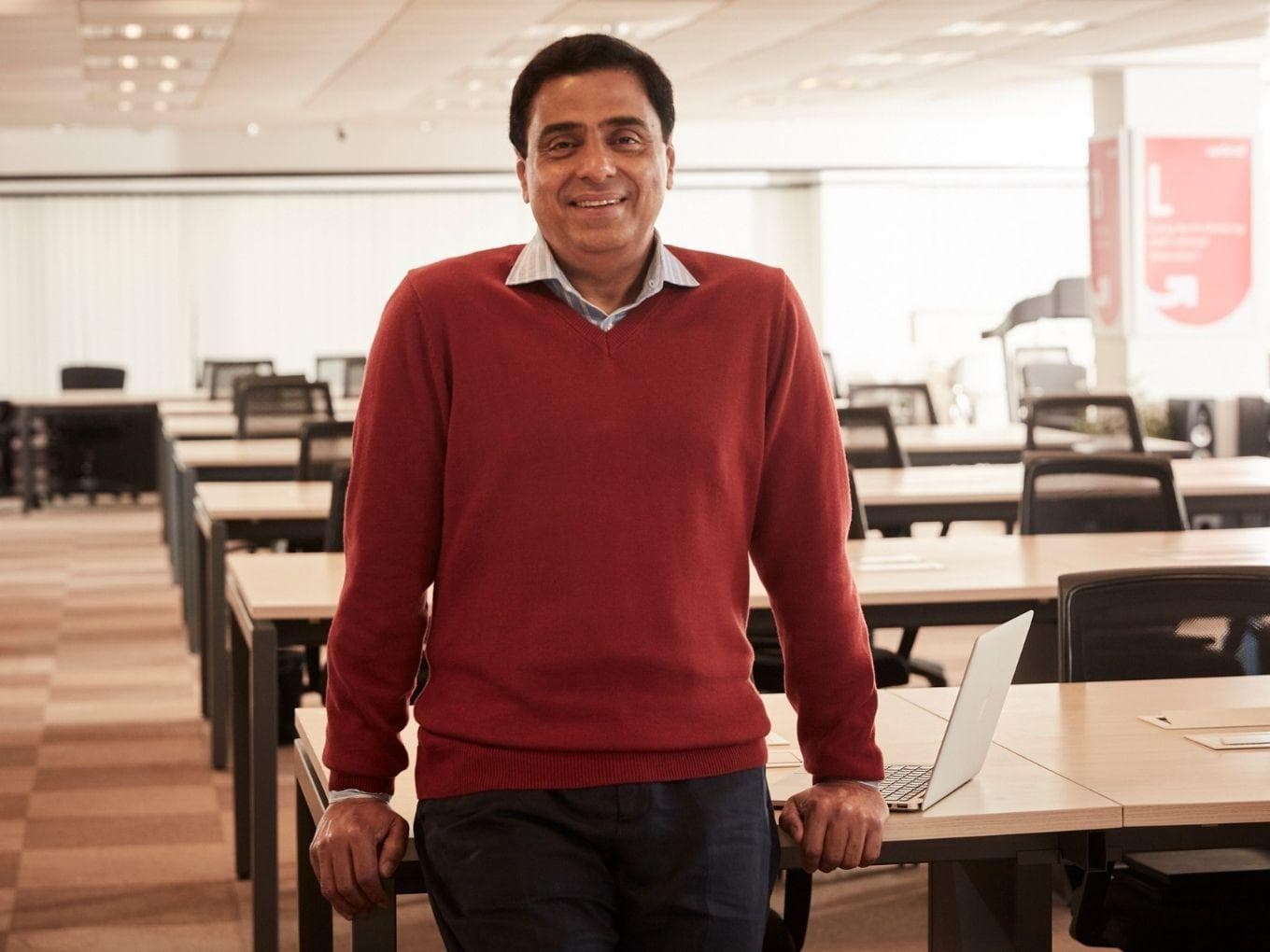
upGrad, led by media veteran Ronnie Screwvala, has focused on working professionals pursuing degrees and certifications. Adding Unacademy fills the earlier life-cycle gap, covering students from school through mid-career upskilling.
Inc42 previously reported that Unacademy held between ₹900 crore and ₹950 crore in cash at the time of signing. That balance gives upGrad a runway buffer and room to integrate operations without immediate capital pressure.
Why did Unacademy's valuation collapse?
Unacademy raised roughly $830 million from Peak XV Partners (formerly Sequoia India), Blume Ventures, Elevation Capital, and others. At its 2021 high, it was India's second-most valuable edtech company behind Byju's. Then the pandemic-era boom ended.
Post-2021, growth rates across Indian edtech plummeted as students returned to physical classrooms. Unacademy cut over 1,500 jobs between 2022 and 2023, shuttered subsidiaries like Relevel, and pulled back its offline coaching centers. The company pivoted to a leaner, profitable model, but investors had already repriced the sector.
CEO Gaurav Munjal acknowledged in earlier interviews that the startup raised money at valuations that, in hindsight, were unsustainable. That candor did not prevent the 93% haircut, but it did allow the term sheet to close after prior merger talks collapsed over price.
How does this fit upGrad's acquisition strategy?
Unacademy is upGrad's seventh acquisition since 2022. Earlier this year, the company bought Internshala, the internships and careers platform popular among Indian college students. The pattern is clear: upGrad is assembling a full-spectrum education company through inorganic moves rather than building each vertical from scratch.
upGrad recently turned profitable. In the first 11 months of FY26, it posted a profit after tax of ₹38 crore on provisional revenue of ₹1,532 crore. Management expects to close the fiscal year with revenue around ₹1,972 crore and PAT exceeding ₹60 crore.
The Unacademy deal is projected to add roughly ₹500 crore to consolidated topline, pushing the combined entity past ₹2,400 crore in annual revenue. For a sector littered with unprofitable startups, that scale while staying in the black is a meaningful differentiator.
What does this mean for India's edtech sector?
The deal accelerates a trend that has defined Indian edtech since 2022: consolidation through distress. Smaller players sell to stronger ones at steep discounts. Profitability, not growth at all costs, drives strategy.
Byju's, once the sector's undisputed leader, remains mired in insolvency proceedings. PhysicsWallah, which raised at a $2.8 billion valuation, has trimmed headcount and slowed expansion. Vedantu merged with a smaller peer. The survivors are those who cut costs early and found paths to positive unit economics.
upGrad's bet is that a single platform spanning test prep, higher education, and professional certifications can cross-sell to users over decades. Whether that thesis works depends on execution, but the regulatory green light means integration can now begin.
Logicity's Take
For finance teams evaluating edtech exposure, this deal is a case study in valuation discipline. Unacademy's ₹900 crore cash pile was arguably the real asset; the brand and user base came along at a 93% discount. upGrad's ability to stay profitable through serial M&A suggests operational rigor, but the combined entity now carries integration risk across multiple product lines, tech stacks, and cultures. Watch for margin compression in FY27 as one-time costs hit.
Frequently Asked Questions
What is the upGrad Unacademy acquisition valuation?
The all-stock deal values Unacademy at approximately ₹2,055 crore ($218 million), roughly 93% below its 2021 peak of $3.4 billion.
When did CCI approve the upGrad Unacademy deal?
The Competition Commission of India approved the combination under Section 31(1) of the Competition Act, 2002, at a meeting held in mid-2025.
Why is Unacademy selling to upGrad?
Unacademy faced a severe post-pandemic slowdown, laid off over 1,500 employees, and shut down multiple business lines. Selling to upGrad provides an exit for investors and access to a profitable, scaling platform.
How many companies has upGrad acquired since 2022?
upGrad has completed more than half a dozen acquisitions since 2022, including Internshala and now Unacademy, as part of its inorganic growth strategy.
Is upGrad profitable?
Yes. upGrad reported a profit after tax of ₹38 crore in the first 11 months of FY26 and expects to close the year with PAT exceeding ₹60 crore.
Need Help Implementing This?
If your team is analyzing M&A targets in the edtech or broader startup space, Logicity can help you build valuation frameworks, due diligence workflows, and integration playbooks. Reach out for consulting support.
Source: Inc42 Media / Lokesh Choudhary
Manaal Khan
Tech & Innovation Writer
Produced with AI assistance and reviewed by the Logicity editorial team. Learn more in our Editorial Policy.