Key Takeaways

- Bluecore Energy raised $10M pre-seed led by Slauson & Co. to build small modular reactors on floating barges
- The startup targets ports, coastal communities, and AI data centers with relocatable clean energy
- Bluecore has already secured a port terminal, barge, and test reactor pressure vessel for development
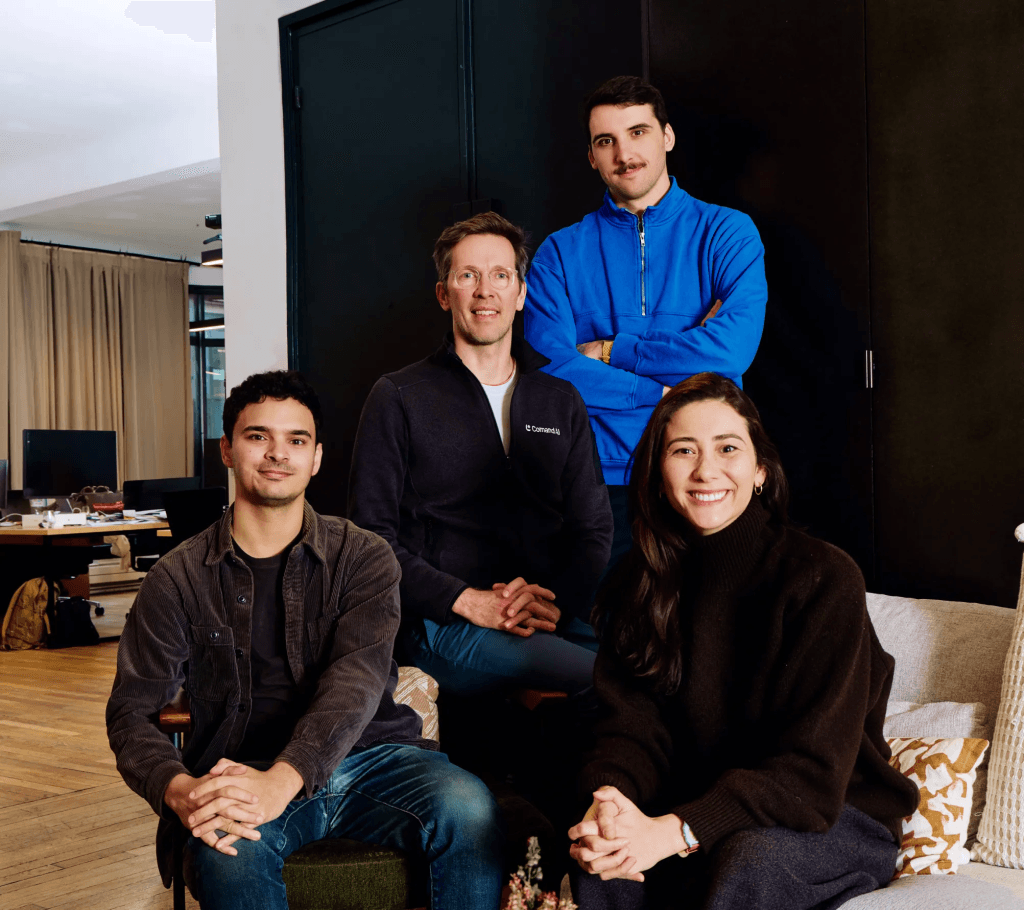
Bluecore Energy, a seven-month-old startup founded by former Uber Freight executive Kofi Asante, just closed a $10 million pre-seed round to build small modular nuclear reactors on floating barges. The company wants to provide relocatable clean power to ports, coastal infrastructure, and the AI data centers hungry for electricity that doesn't strain local grids.
Slauson & Co. led the round, with participation from Harlem Capital, Precursor Ventures, Ripple co-founder Chris Larsen, and Kevin Hart's Hartbeat Ventures. For a pre-seed in the nuclear space, $10 million is substantial. Most hardware startups at this stage raise $2-5 million. The size signals investor confidence in both Asante's vision and the commercial timing for SMR technology.
How the floating reactor works
The technical approach is straightforward, at least in principle. Bluecore's reactors heat water, transferring the resulting steam to a generator that spins a turbine. The system uses closed-loop water cooling. Because the entire power plant sits on a barge, it can be towed by ship to new locations, eliminating emissions from transport. Asante claims the reactor only needs refueling once every few years.
Each barge can theoretically power around 15,000 homes or scale up to meet the demands of a major port. Docking near communities and connecting to the grid via subsea cables is part of the design. "We are able to utilize existing water-cooled nuclear technology that has been operating for over 70 years," Asante told TechCrunch. Naval vessels have run on nuclear power since the 1950s. The question is whether that track record translates to commercial, civilian applications.
Where the money goes
Bluecore isn't starting from scratch. The company has already secured a port terminal, a barge, and a test reactor pressure vessel. The test vessel lets the team simulate water flow for cooling system validation. Hardware and software testing run in parallel.
Regulatory work is underway. Asante says Bluecore is working with agencies to "embed the safest design decision" into the first product. Safety layers include uranium cladding protected in a thick steel pressure vessel, surrounded by concrete shielding and steel lining. Multiple redundancies are built in.
AI data centers as the killer use case
Asante is betting on timing. The data center buildout driven by AI workloads has created a power crunch. New data centers consume hundreds of megawatts. Connecting them to existing grids strains local infrastructure and often faces community opposition.
"AI data center execs have shared with me that they would not need to pull water or energy from communities around them if they are able to receive their own source of electricity and have access to water that is provided at sea," Asante said. A floating reactor solves both problems: it generates power independently and uses seawater for cooling.
The competition and precedent
Bluecore isn't the first to try this. Russia launched Akademik Lomonosov in 2020, the world's first floating nuclear power station, which now supplies remote Arctic regions. China is developing floating SMRs for South China Sea operations. Neither has targeted commercial ports or data centers in the way Bluecore proposes.
In the broader SMR market, NuScale Power has made the most regulatory progress in the United States, though its Utah project was canceled in 2023 due to cost overruns. TerraPower, backed by Bill Gates, is building a next-generation reactor in Wyoming. Neither is pursuing the floating approach.
The global SMR market is projected to hit $5.3 billion by 2030, according to Allied Market Research. Over 70 SMR designs are currently in development worldwide per the IAEA. Bluecore's differentiation is mobility. A reactor that can relocate changes the economics for customers who need flexibility.
The regulatory gauntlet
Nuclear licensing in the United States takes years. The NRC approved NuScale's design in 2020 after a six-year review. Bluecore will face similar scrutiny, plus the added complexity of maritime regulations. Coastal permitting, environmental reviews, and port authority approvals add layers.
Asante hasn't disclosed a timeline for commercial deployment. The test vessel and current work focus on design validation. Between regulatory approval and scaling manufacturing, the path to actual power generation likely stretches well beyond 2030. That's not unusual for nuclear. It does mean the $10 million is seed money for a very long game.
Logicity's Take
Bluecore's pitch hinges on solving two problems at once: the AI power crunch and community resistance to new energy infrastructure. Floating reactors sidestep NIMBY opposition by moving offshore. But the regulatory timeline is brutal. Asante's Uber Freight background may help with logistics and operations, but nuclear licensing requires a different kind of patience. The real test is whether data center operators will commit to contracts before the technology is proven at scale. Amazon, Google, and Microsoft have all signed nuclear power agreements recently. If Bluecore can land a letter of intent from a hyperscaler, the next funding round gets much easier. Without one, it's a compelling vision searching for commercial validation.
Frequently Asked Questions
What is Bluecore Energy building?
Bluecore Energy is developing small modular nuclear reactors mounted on floating barges. These can be towed to ports, coastal communities, or data center sites to provide relocatable clean power.
How much funding did Bluecore Energy raise?
Bluecore raised $10 million in a pre-seed round led by Slauson & Co., with participation from Harlem Capital, Precursor Ventures, Ripple co-founder Chris Larsen, and Kevin Hart's Hartbeat Ventures.
Who founded Bluecore Energy?
Kofi Asante, a former Uber Freight executive, founded Bluecore Energy seven months ago.
How does a floating nuclear reactor connect to the power grid?
Bluecore's barges can dock near coastal communities and connect to existing power infrastructure via subsea cables.
Has anyone built a floating nuclear power plant before?
Yes. Russia launched Akademik Lomonosov in 2020, which powers remote Arctic regions. China is also developing floating SMRs for the South China Sea.
More on how seed-stage startups are navigating a tighter funding environment
Need Help Implementing This?
Building a deep-tech startup in energy, climate, or hardware? Logicity covers the fundraising strategies, regulatory playbooks, and market timing that founders need. Subscribe for weekly analysis on what's working in hard-tech ventures.
Source: Venture Capital News | TechCrunch / Dominic-Madori Davis
Huma Shazia
Senior AI & Tech Writer
Produced with AI assistance and reviewed by the Logicity editorial team. Learn more in our Editorial Policy.