Key Takeaways
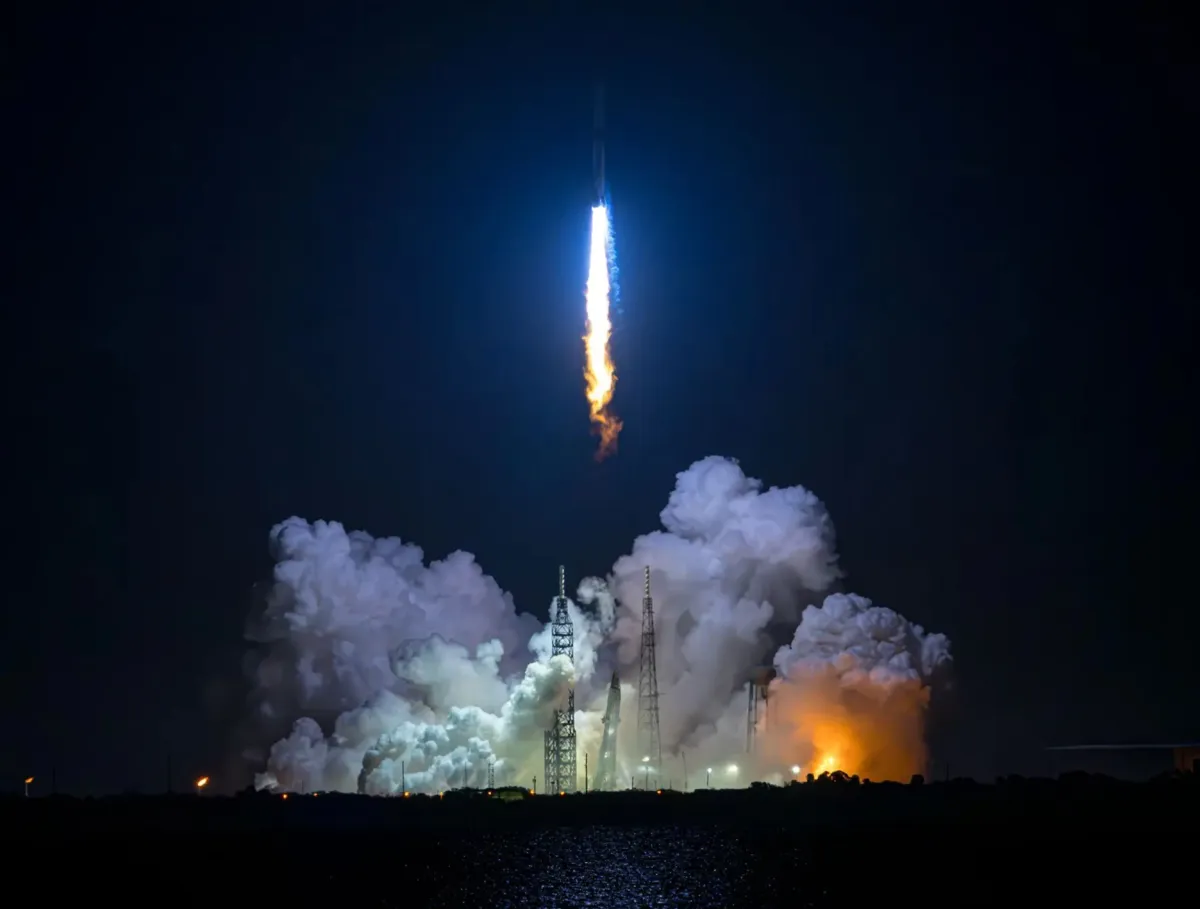
- Blue Origin is raising $10 billion at a $130 billion pre-money valuation, its first external funding round ever
- Coatue Asset Management will invest about $4 billion, with Bezos adding $2 billion personally
- The funding comes weeks after the New Glenn rocket exploded during testing, and the company still doesn't know why
Blue Origin is raising $10 billion at a $130 billion pre-money valuation from Coatue Asset Management, Jeff Bezos, and other large investors, according to The New York Times. This marks the first time in the company's 26-year history that it has taken external capital.
Coatue is expected to put in about $4 billion, making it the lead investor. Bezos himself is committing $2 billion. Other investors will cover the remaining $4 billion. The deal would instantly make Blue Origin one of the most valuable private space companies in the world.
Why is Bezos seeking outside money now?
Bezos has self-funded Blue Origin since founding it in 2000, reportedly selling around $1 billion in Amazon stock annually to keep the company running. Estimates suggest he has poured over $27 billion into the venture. External funding signals a shift in strategy: Blue Origin needs to scale faster, and Bezos apparently no longer wants to fund that growth alone.
The timing is notable. SpaceX completed its IPO last month, raising more than $85 billion at a $1.75 trillion valuation. That IPO likely reset expectations across the industry for what a space company can be worth and how much capital it can attract. Blue Origin's $130 billion valuation still trails SpaceX significantly, but it positions Bezos's company as the clear number two.
The New Glenn problem
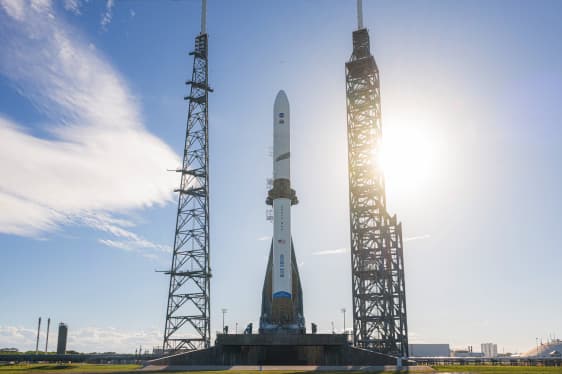
This fundraise comes at an awkward moment. Blue Origin's flagship rocket, New Glenn, exploded during testing in late May while preparing for its fourth launch. As of last week, the company still had not identified the cause.
The explosion destroyed more than the rocket. It damaged the launchpad at Cape Canaveral, the only facility capable of supporting New Glenn and one of the most powerful launch vehicles operating today. Blue Origin needs to rebuild that pad before resuming flights. The company says it still plans to use New Glenn for launches later this year, but that timeline looks optimistic given the unknowns.
Getting New Glenn operational is not optional. Blue Origin has refocused its business entirely on supporting NASA's Artemis missions to the moon. Without a working heavy-lift rocket, that contract becomes very difficult to fulfill.
Where the money might go
The $10 billion could fund several initiatives beyond fixing New Glenn. Blue Origin has disclosed ambitions to launch and operate data centers in space, riding a trend that seeks to move massive computing capacity to orbit. The economics of orbital data centers remain unproven, but proponents argue the approach could reduce cooling costs and provide global coverage.
The company also revealed earlier this year that it is building a satellite internet network. The plan involves thousands of satellites providing data connectivity to enterprise, government, and data center customers. This puts Blue Origin in direct competition with SpaceX's Starlink, which already has operational satellites and paying customers.
What $130 billion buys you
At $130 billion pre-money, Blue Origin would be valued at roughly 7.4% of SpaceX's $1.75 trillion. That gap reflects real differences in maturity. SpaceX has a working Starlink business, a proven Falcon 9 with over 300 successful flights, and the Starship program progressing toward full reusability. Blue Origin has New Shepard for suborbital tourism, a flagship rocket that just exploded for unknown reasons, and a lot of ambitious plans.
Still, the valuation suggests investors believe Blue Origin can catch up. Coatue's $4 billion bet is a significant vote of confidence. The firm has a track record in growth-stage tech investments and presumably conducted diligence on the New Glenn failure before committing.
Logicity's Take
The timing here matters more than the valuation. Bezos is raising external capital weeks after a catastrophic test failure, while his main competitor just completed the largest space-company IPO in history. This looks less like a position of strength and more like a necessary response to competitive pressure. For enterprise customers evaluating space infrastructure providers, the question is whether Blue Origin can deliver on Artemis timelines and satellite internet promises while simultaneously rebuilding a launchpad. SpaceX's execution record makes it the safer bet today, but $10 billion buys a lot of runway to close the gap.
The broader space funding picture
Blue Origin's round adds to a busy period for space company financing. Venus Aerospace recently raised $90 million for hypersonic rocket engine development. Stoke Space added former OpenAI executive Kevin Weil to its board. The industry is attracting talent and capital at levels not seen since the early SpaceX hype cycle.
Whether this investment boom produces companies that can compete with SpaceX or simply creates expensive also-rans remains the open question. Blue Origin has advantages, including Bezos's deep pockets and NASA contracts, but advantages mean little if rockets keep exploding.
Another major space and rocket technology funding round from the same period
Frequently Asked Questions
Has Blue Origin ever raised external funding before?
No. This $10 billion round would be the company's first external fundraise since Jeff Bezos founded it in 2000. He has self-funded operations for 26 years.
Why did the New Glenn rocket explode?
Blue Origin has not identified the cause. As of late June 2026, the company was still investigating the late May testing explosion that damaged its only compatible launchpad.
How does Blue Origin's valuation compare to SpaceX?
Blue Origin's $130 billion pre-money valuation is about 7.4% of SpaceX's $1.75 trillion valuation following its June 2026 IPO.
What will Blue Origin use the $10 billion for?
Likely priorities include rebuilding the Cape Canaveral launchpad, supporting NASA Artemis missions, developing space-based data centers, and building a satellite internet network.
Need Help Implementing This?
Logicity helps tech leaders track industry shifts and make informed infrastructure decisions. Subscribe to our newsletter for weekly analysis on space tech, enterprise software, and emerging platforms.
Source: TechCrunch / Ram Iyer
اكتتاب SpaceX التاريخي يعزز شهية المستثمرين لقطاع الفضاء
المقال الجديد يضيف سياقاً مهماً حول اكتتاب SpaceX الذي تم الشهر الماضي بتقييم 1.75 تريليون دولار بعد جمع 86 مليار دولار، وهو ما يفسر زيادة شهية المستثمرين لشركات الفضاء. كما يذكر أن بلو أوريجين تتوقع استئناف عمليات الإطلاق هذا العام بعد حادثة انفجار نيو غلين.
Huma Shazia
Senior AI & Tech Writer
Produced with AI assistance and reviewed by the Logicity editorial team. Learn more in our Editorial Policy.