Key Takeaways
- Two zero-day vulnerabilities in BitLocker allow attackers with physical access to bypass encryption on Windows 11
- The exploit code is publicly available on GitHub, making immediate mitigation essential
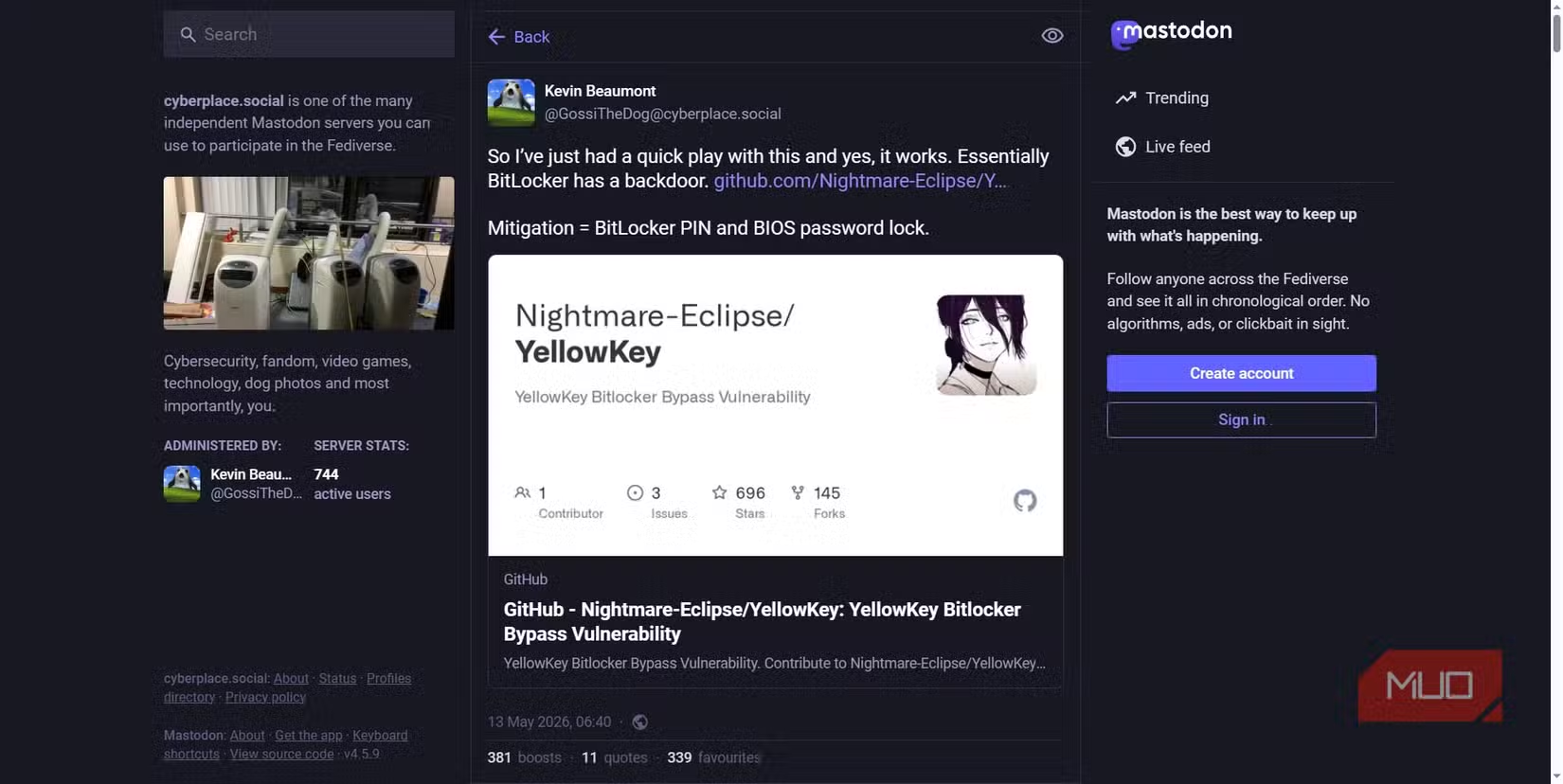
- Enable a BitLocker PIN, strong password, and BIOS/UEFI admin password until Microsoft patches
What the Exploit Does
A cybersecurity researcher using the handle Chaotic Eclipse (also known as Nightmare Eclipse) has publicly released exploit code targeting two previously unknown BitLocker vulnerabilities. The flaws, nicknamed 'YellowKey' and 'GreenPlasma,' work together to give attackers unrestricted filesystem access on encrypted Windows 11 machines.
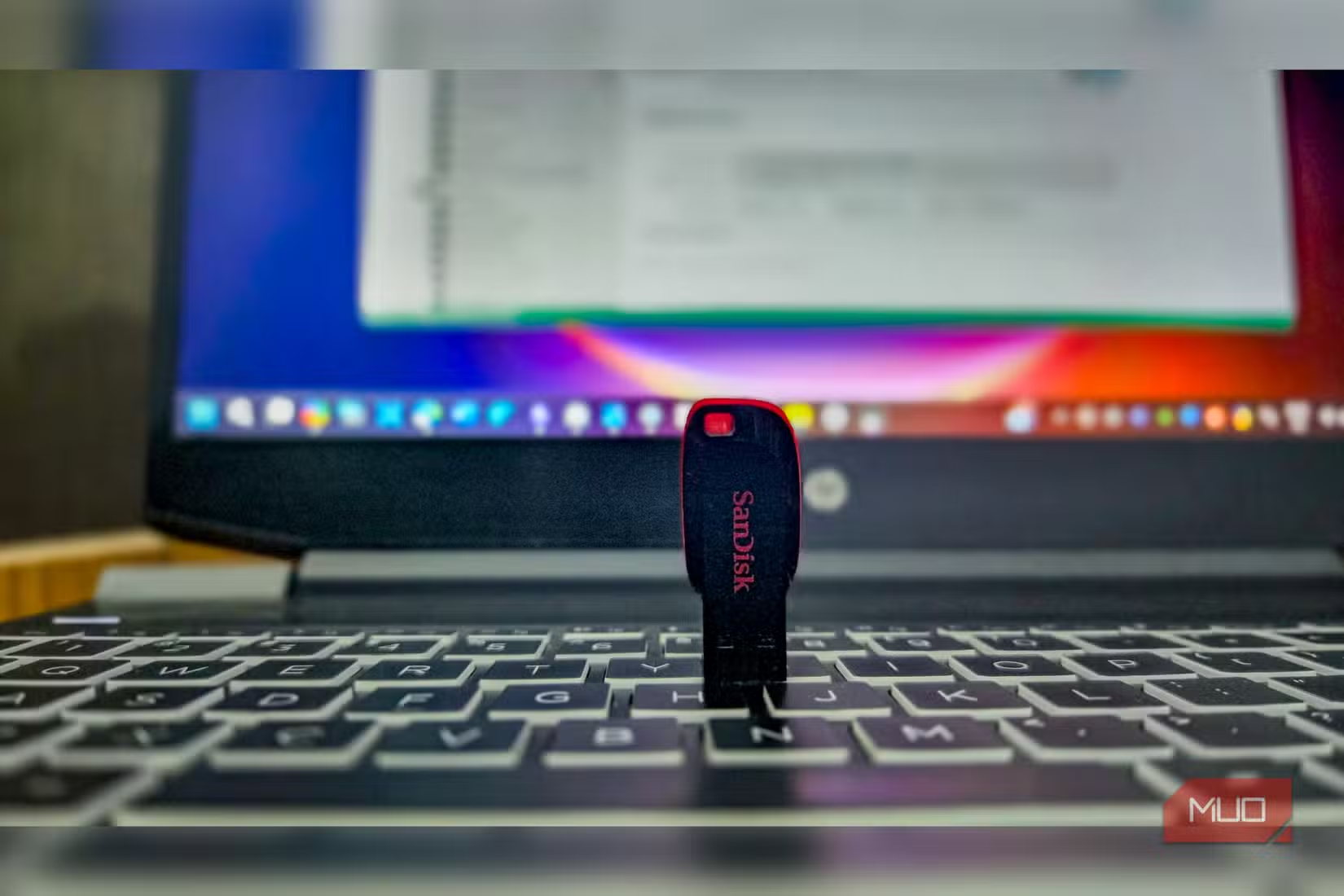
The attack requires physical access to the target computer and a USB drive. Once executed, YellowKey bypasses BitLocker's recovery protections, while GreenPlasma escalates privileges to allow direct manipulation of system services and drivers. The result: complete access to every file on the encrypted drive.
The exploit affects Windows 11 and Windows Server 2022 and 2025 editions. Windows 10 systems appear unaffected.
Why the Researcher Went Public
Security researchers typically report vulnerabilities to vendors privately and wait for patches before disclosure. Chaotic Eclipse took a different path. The researcher appears to have a grievance with Microsoft's handling of previous bug reports, stopping just short of accusing the company of intentionally building a backdoor.
“I can't wait when I will be allowed to disclose the full story. I think people will find my crashout very reasonable and it definitely won't be a good look for Microsoft.”
— Chaotic Eclipse, security researcher
The exploit code is currently available on GitHub, which means anyone with basic technical skills can download and compile it. This raises the urgency for Windows 11 users to implement mitigations immediately rather than waiting for Microsoft's patch.
Independent cybersecurity researchers Kevin Beaumont and Will Dormann confirmed the findings on Mastodon, lending credibility to the disclosure.
How the Attack Works
The attack chain exploits Windows Recovery Environment (WinRE) to bypass BitLocker's normal protections. An attacker with physical access copies files to a USB flash drive, then uses WinRE to sidestep the recovery process and open a system command prompt with elevated privileges.
This isn't the first time BitLocker has faced scrutiny. Previous vulnerabilities have demonstrated that full-disk encryption can be bypassed under specific conditions. But the combination of public exploit code and the severity of access gained makes this disclosure particularly concerning for organizations relying on BitLocker to protect sensitive data on laptops and workstations.
What You Should Do Now
Until Microsoft releases a patch, the researcher and security experts recommend several mitigations:
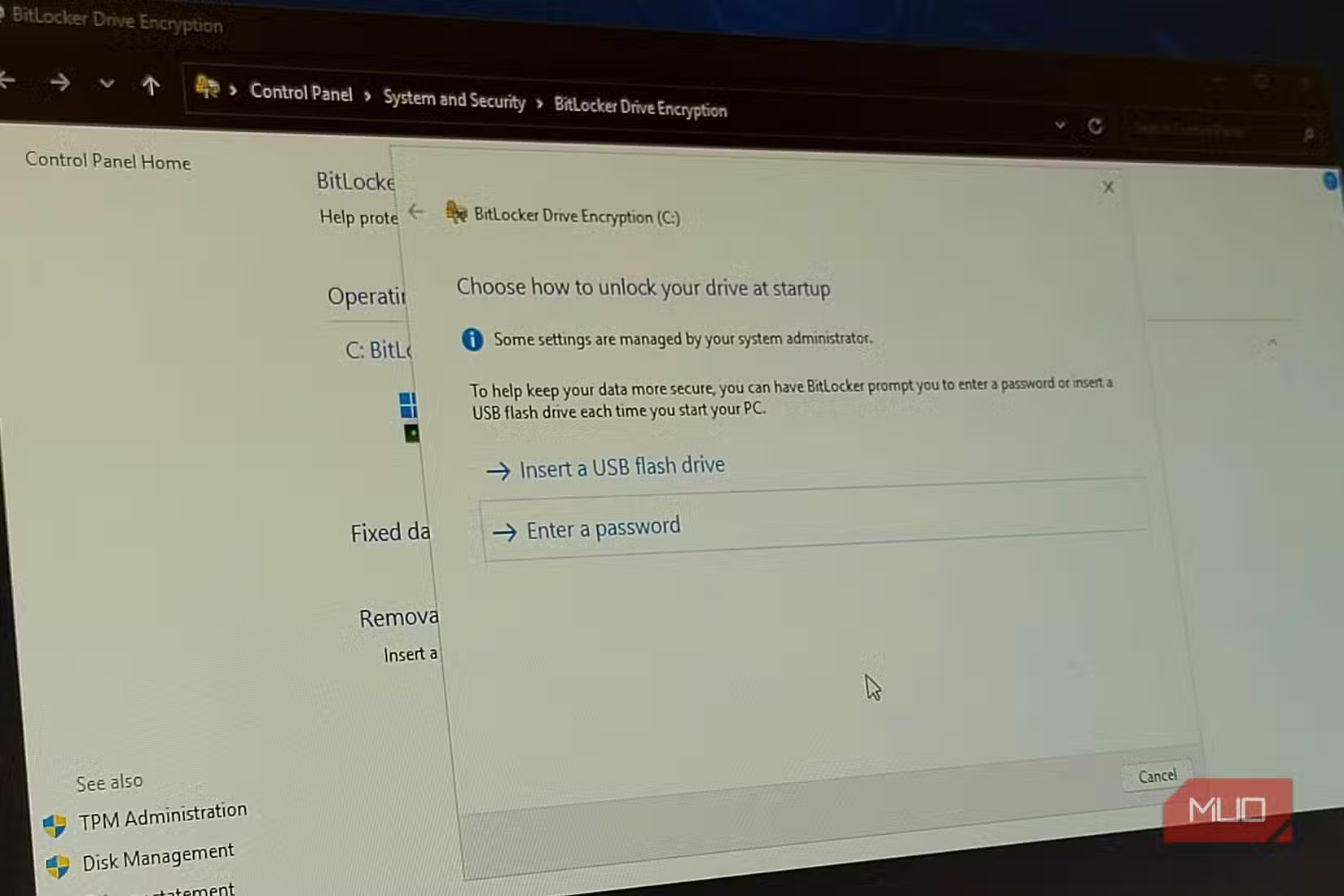
- Enable a BitLocker PIN: This adds pre-boot authentication that the exploit cannot bypass.
- Set a strong BitLocker password: Avoid simple numeric PINs in high-security environments.
- Store recovery keys offline: Keep them on paper or in a secure location disconnected from the network.
- Set a BIOS/UEFI administrator password: This prevents attackers from modifying boot settings to facilitate the exploit.
- Limit physical access: The attack requires hands-on access to the machine. Data center and office security matter.
For organizations with large Windows 11 deployments, the BitLocker PIN requirement can be enforced through Group Policy. This should be a priority for any IT team managing laptops used by traveling employees or executives.
Logicity's Take
The Bigger Picture
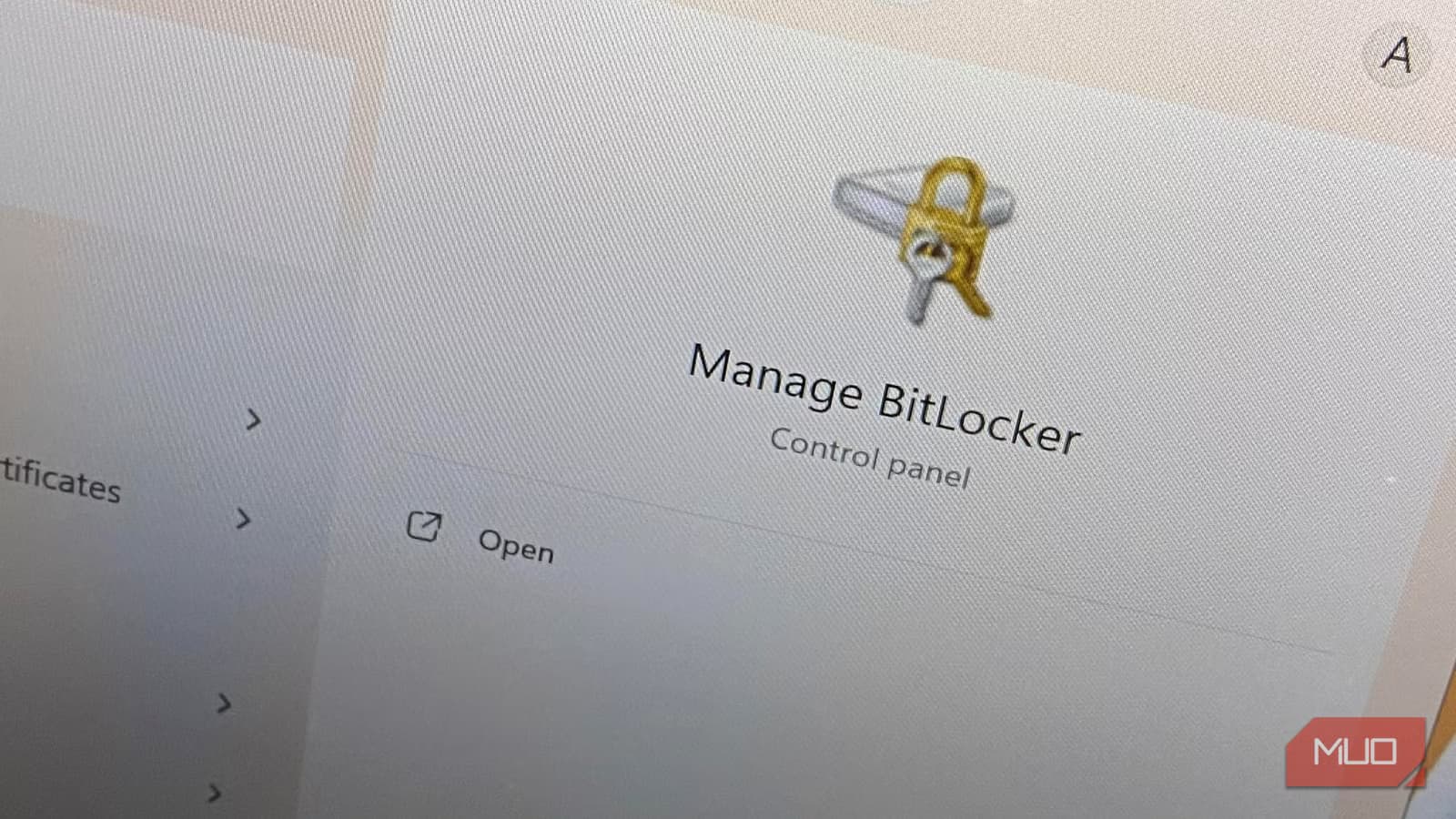
BitLocker is the default encryption solution for Windows Pro and Enterprise editions. Many organizations treat it as adequate protection for data at rest. This vulnerability is a reminder that encryption is only as strong as its implementation.
Physical access attacks have always been the hardest to defend against. But an exploit that requires only a USB drive and public instructions significantly lowers the barrier. Corporate security teams should reassess their assumptions about laptop protection, especially for devices that leave the office.
Frequently Asked Questions
Does this vulnerability affect Windows 10?
No. According to the researcher, the exploit only works on Windows 11 and Windows Server 2022/2025 editions.
Can the attack be executed remotely?
No. The attacker needs physical access to the target computer and a USB drive to execute the exploit.
Has Microsoft released a patch?
Not yet. Until a patch is available, users should enable a BitLocker PIN and BIOS/UEFI password as mitigations.
What is the best immediate protection against this exploit?
Enable a BitLocker PIN for pre-boot authentication. This adds a layer the current exploit cannot bypass.
Need Help Implementing This?
Source: MakeUseOf
Manaal Khan
Tech & Innovation Writer
Produced with AI assistance and reviewed by the Logicity editorial team. Learn more in our Editorial Policy.