Key Takeaways
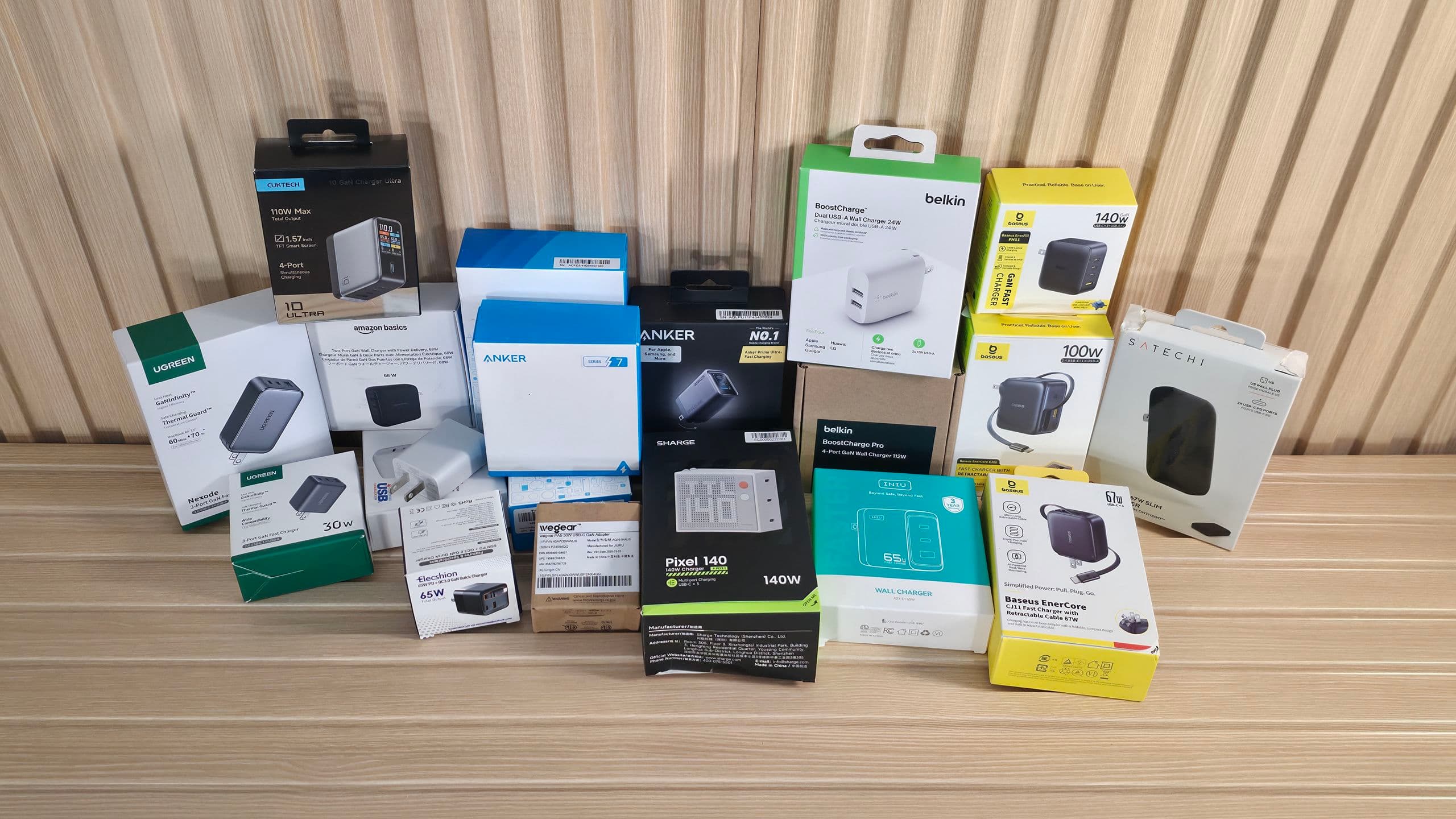
- The Anker Nano 3 30W at $15.99 wins for low-power devices with consistent output and solid thermal performance
- Baseus Enercore 67W ($29.99) leads the midrange with a retractable cable and lowest temperatures in its class
- At 100W+, heat management matters most. The Cuktech 10 Ultra maintained nearly 90% output over extended charging
Tom's Hardware tested 20 USB chargers and found that most modern options handle basic charging fine, but differences emerge fast once you push past 65W. Their picks: the Anker Nano 3 30W for phones, the Baseus Enercore 67W for midrange needs, and the Cuktech 10 Ultra 110W for laptops and multi-device setups.
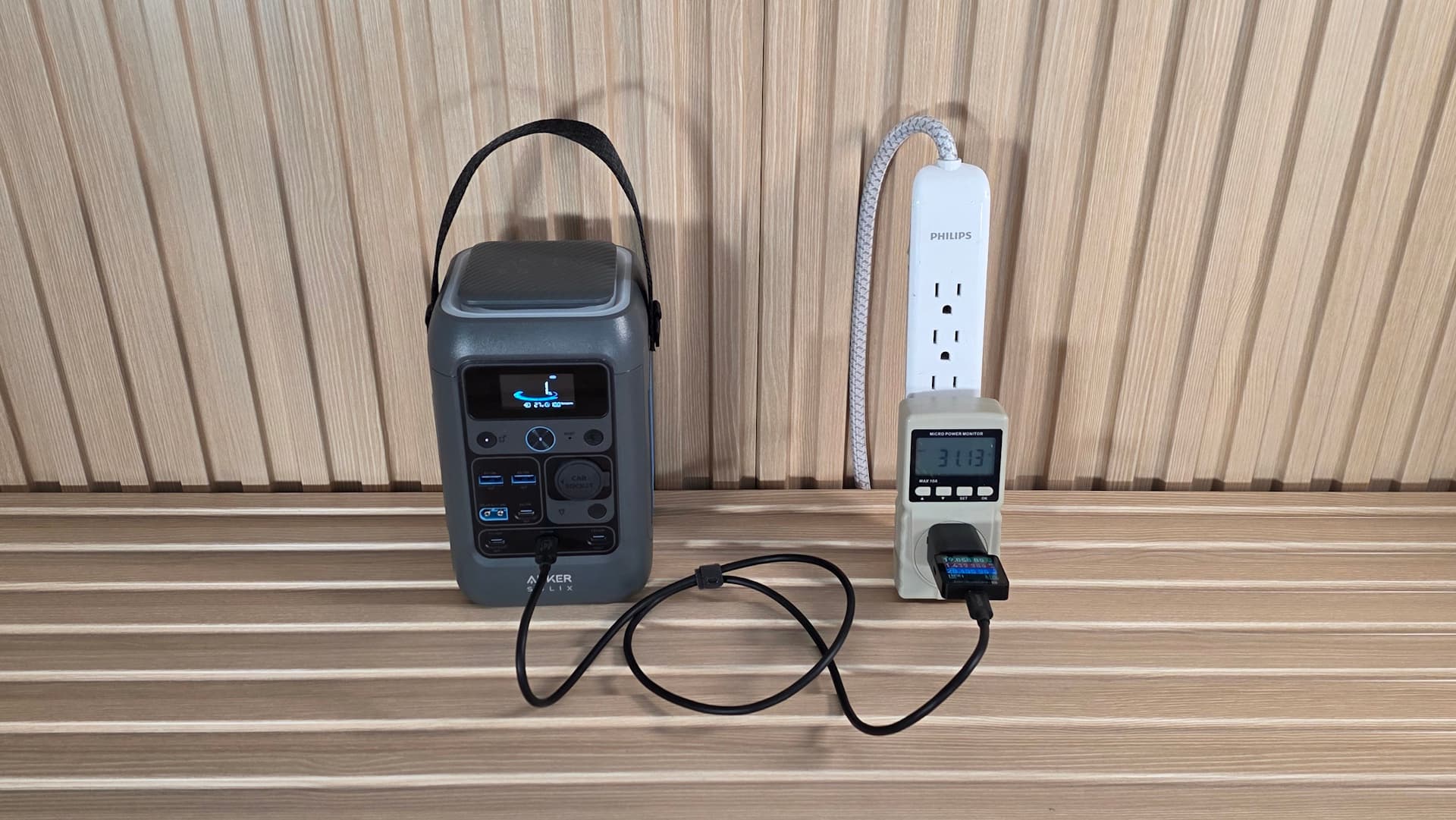
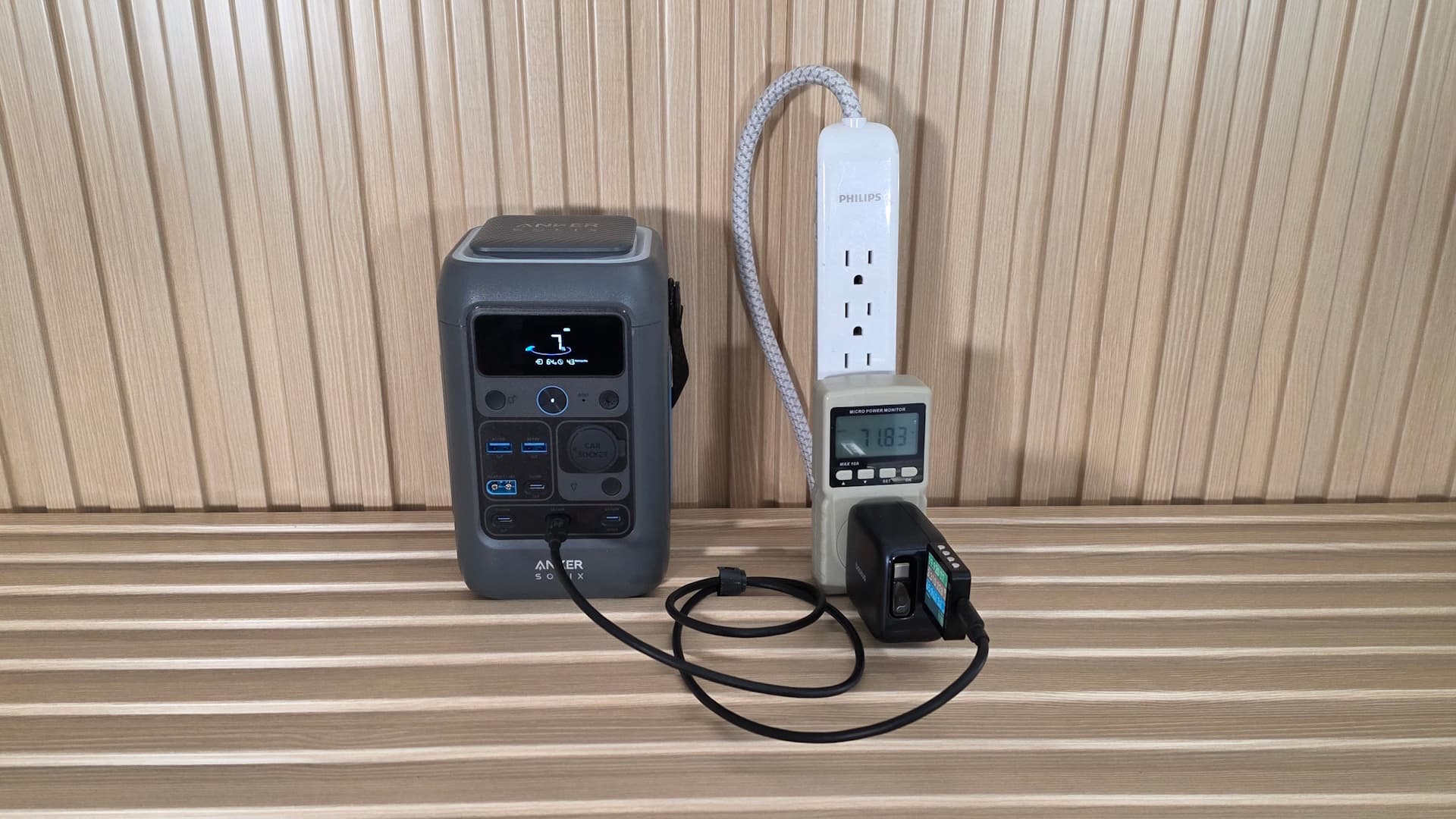
The testing methodology went beyond marketing claims. The team measured sustained output over time, thermal performance, efficiency, idle power draw, and calculated a dollar-per-watt metric. The result: even cheap chargers handled low-wattage tasks without issue. But at 100W and above, heat dissipation becomes the limiting factor.
Which USB charger wins for phones and tablets?
The Anker Series 5 (Nano 3, 30W) took the low-power crown at $15.99 on Amazon. It delivered consistent output throughout testing, ran cool, and includes Anker's ActiveShield 2.0 safety features. The single USB-C port supports PD 3.0, Quick Charge, and Anker's proprietary PowerIQ 3.0.
For smartphones, smartwatches, tablets, and lower-power ultrabooks, 30W is plenty. The Nano 3's compact size makes it a practical travel companion. Tom's Hardware notes that all low-output chargers tested performed similarly on sustained output, so the differentiators come down to size, price, and safety features.
What's the best 65W charger for mixed use?
The Baseus Enercore 67W ($29.99) earned the midrange recommendation. It maintained full wattage throughout testing and recorded the lowest temperatures of any charger in its class. The built-in retractable USB-C cable is genuinely useful for travel, and two additional USB-C ports let you charge multiple devices simultaneously.
This wattage range covers most laptops, tablets, and phones without thermal compromises. The 67W output handles a MacBook Air or most Windows ultrabooks while leaving headroom for a phone on the secondary ports.
Do 100W+ chargers actually deliver their rated power?
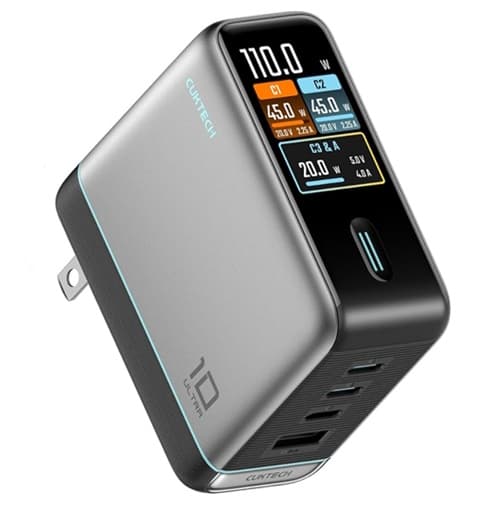
Some do, some don't. The Cuktech 10 Ultra 110W ($59.99) maintained nearly 90% of its rated output over extended charging periods. Competing models, including the Baseus Enercore 100W, dropped more significantly under sustained load.
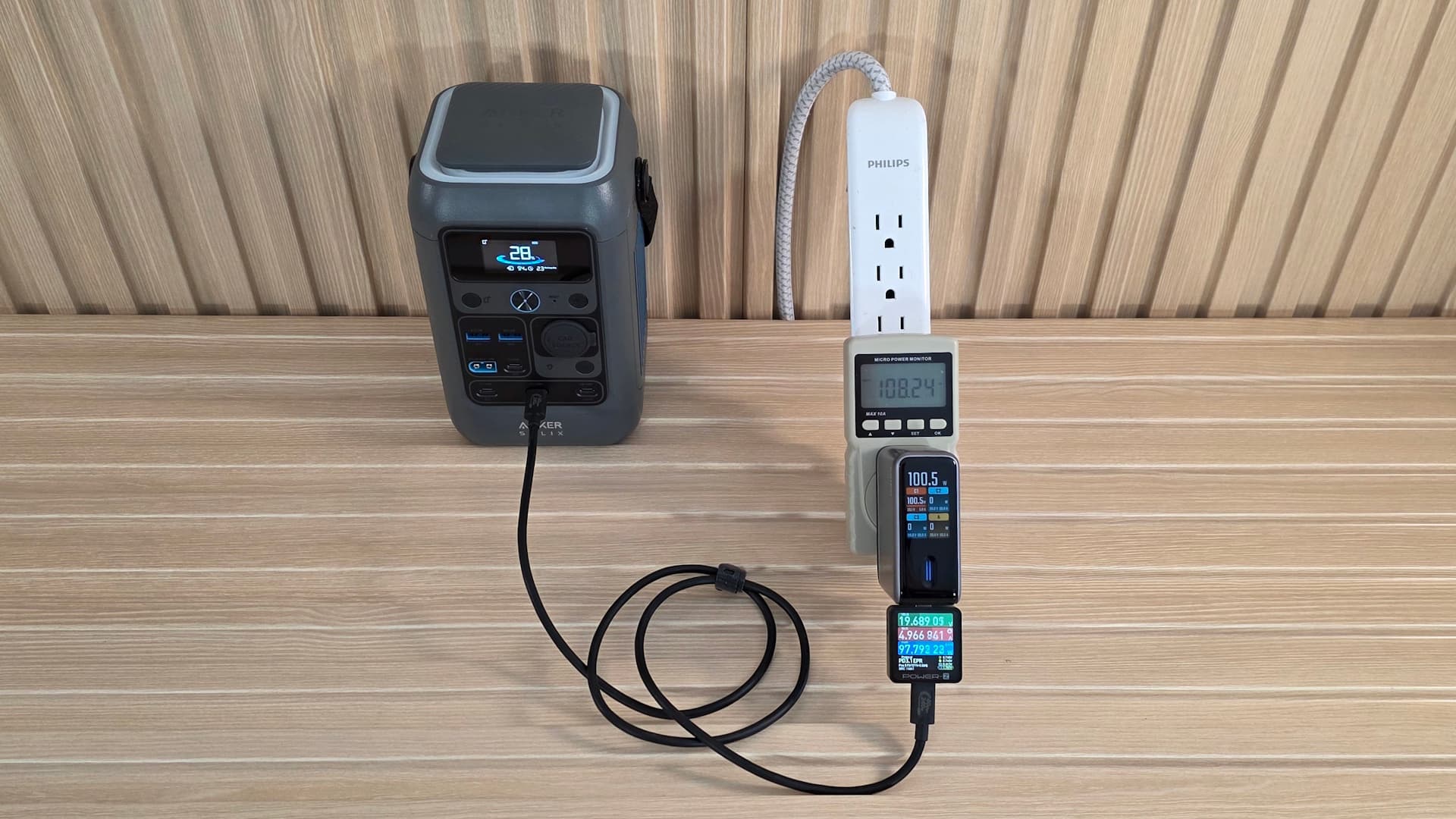
The Cuktech's screen displaying per-port wattage in real time becomes practical when you're splitting limited output across four devices. At this power level, the charger is roughly the size of a deck of cards but needs to dissipate 140W of heat. Physics wins eventually.
Is GaN worth the premium?
Yes. Tom's Hardware's testing confirms GaN (gallium nitride) chargers run cooler and more efficiently than silicon-based alternatives at comparable wattages. The size reduction alone justifies the cost for anyone who travels. A 65W GaN charger today occupies roughly the same footprint as a 30W silicon charger from a few years ago.
Modern protocols like USB-PD, PPS, and Quick Charge have standardized fast charging across brands. The charger negotiates the optimal voltage and current with your device automatically. Compatibility headaches have largely disappeared.
Should you buy cheap no-name chargers?
For low-wattage use, the risks are minimal. The cheap options Tom's Hardware tested handled basic smartphone charging without incident. But at higher wattages, the thermal headroom and safety certifications of established brands matter more. A charger that throttles aggressively under load defeats the purpose of buying a high-wattage unit.
| Model | Output | Price | Ports | Best For |
|---|---|---|---|---|
| Anker Nano 3 | 30W | $15.99 | 1 USB-C | Phones, tablets |
| Baseus Enercore | 67W | $29.99 | 3 USB-C | Laptops, multi-device |
| Cuktech 10 Ultra | 110W | $59.99 | 4 USB-C | Gaming laptops, power users |
Logicity's Take
The charger market has matured. GaN is no longer exotic, safety features are standard, and the real differentiation happens at sustained output under thermal stress. For most users, the $16 Anker handles daily needs. But if you're powering a laptop and phone from a single charger, spending $30-60 buys measurable performance gains, not just marketing claims.
Frequently Asked Questions
Can I use a 100W charger for my phone?
Yes. USB-PD negotiates the correct power level automatically. Your phone will draw only what it needs, typically 15-30W.
Do multi-port chargers split power evenly?
No. Most prioritize the highest-power device and allocate remaining capacity to secondary ports. Check the charger's spec sheet for exact splits.
What does GaN mean for chargers?
Gallium nitride transistors run cooler and more efficiently than silicon. This allows higher wattage in smaller enclosures with less heat.
Is USB-PD the same as Quick Charge?
No. USB Power Delivery is an open standard. Quick Charge is Qualcomm's proprietary protocol. Most modern chargers support both for compatibility.
Need Help Implementing This?
Looking to spec chargers for office deployments, event kits, or travel gear? Contact Logicity's tech advisory team for bulk recommendations tailored to your device mix and budget.
Source: Latest from Tom's Hardware
Huma Shazia
Senior AI & Tech Writer
Produced with AI assistance and reviewed by the Logicity editorial team. Learn more in our Editorial Policy.