Key Takeaways
✅ 11 Best Rugged Phones 2026 - Don't Buy Before Watching This!
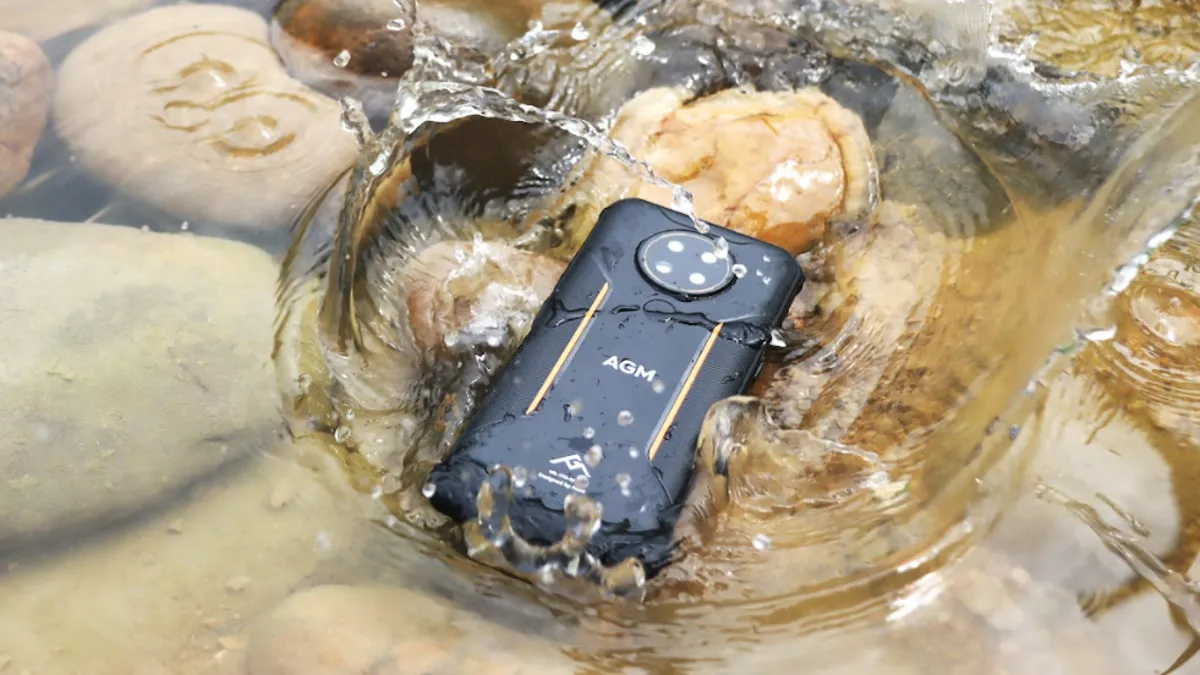
- The Oukitel WP210 tops ZDNET's rugged phone rankings with mid-range MediaTek performance that doesn't sacrifice speed for durability
- Samsung's Galaxy XCover 7 Pro offers the best mainstream brand option with smooth performance and strong battery life
- Google's Pixel 10 Pro Fold marks the first foldable phone durable enough to earn a spot on rugged phone lists
Your iPhone survives a coffee spill. Your Galaxy handles the occasional fumble onto carpet. But drop either from a scaffold onto concrete, and you're shopping for a replacement. ZDNET's testing team spent months putting seven rugged phones through military-standard durability tests, and the results separate the genuinely tough from the merely water-resistant.
The winner: Oukitel's WP210, a device that survives what would shatter mainstream flagships while running a capable MediaTek chipset. For those who prefer a familiar brand, Samsung's Galaxy XCover 7 Pro delivers reliable performance in an armored frame. The surprise entry? Google's Pixel 10 Pro Fold, which earned a durability recommendation as the first foldable tough enough to compete in this category.
Why the Oukitel WP210 beat the competition
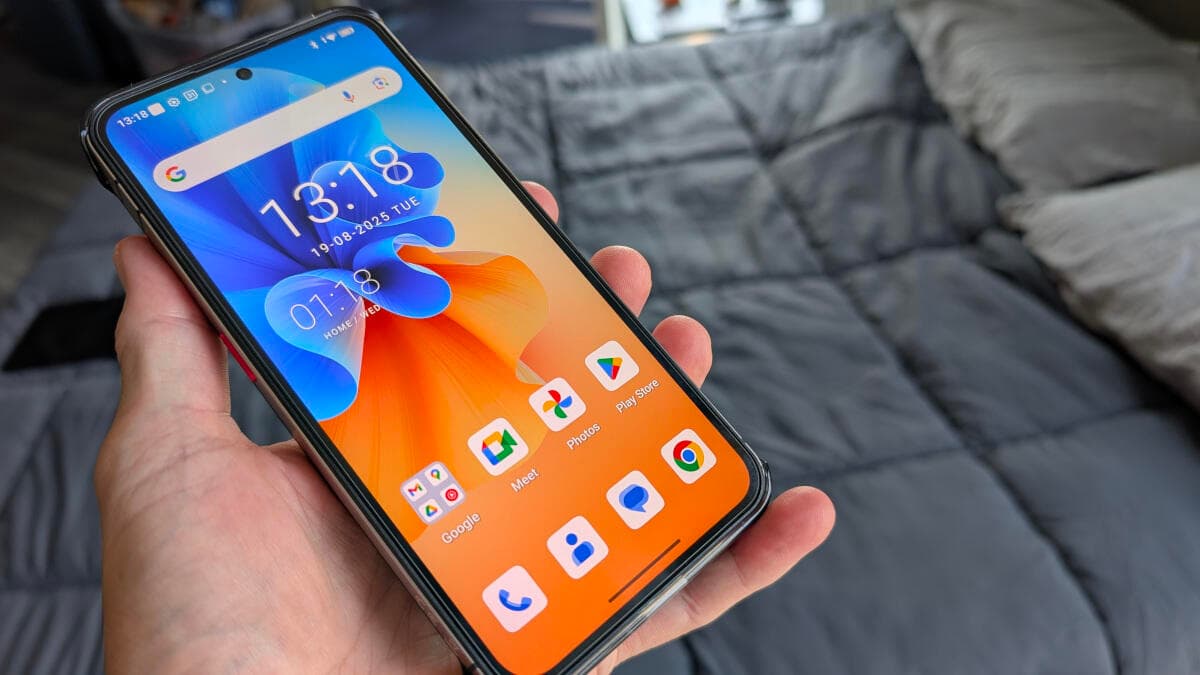
Rugged phones historically forced a painful tradeoff: you got durability but suffered through laggy performance and grainy cameras. The WP210 breaks that pattern. Its mid-range MediaTek chipset handles everyday tasks smoothly, a notable improvement over the budget processors that plague most of this category.
The phone passed MIL-STD-810H testing, the U.S. military's 21-method environmental durability standard. That covers drops from height, vibration, temperature extremes from -22°F to 131°F, and exposure to dust, sand, and saltwater. For construction supervisors, field engineers, or anyone who's cracked one too many screens, those specs translate to phones that survive real job sites.
Samsung's XCover 7 Pro: the mainstream choice
Not everyone wants a phone from a brand they've never heard of. Samsung's Galaxy XCover 7 Pro answers that concern with the company's software ecosystem and update commitments wrapped in rugged hardware. Battery life stands out as a particular strength.
The XCover line targets enterprise buyers who need devices they can deploy across teams. IT departments get familiar Knox security management. Field workers get a phone that won't die midway through a shift. It's a practical choice rather than a spec-sheet champion.
The full tested lineup
ZDNET's testing covered seven models across different price points and use cases:
- Oukitel WP210: Best overall, combining durability with usable performance
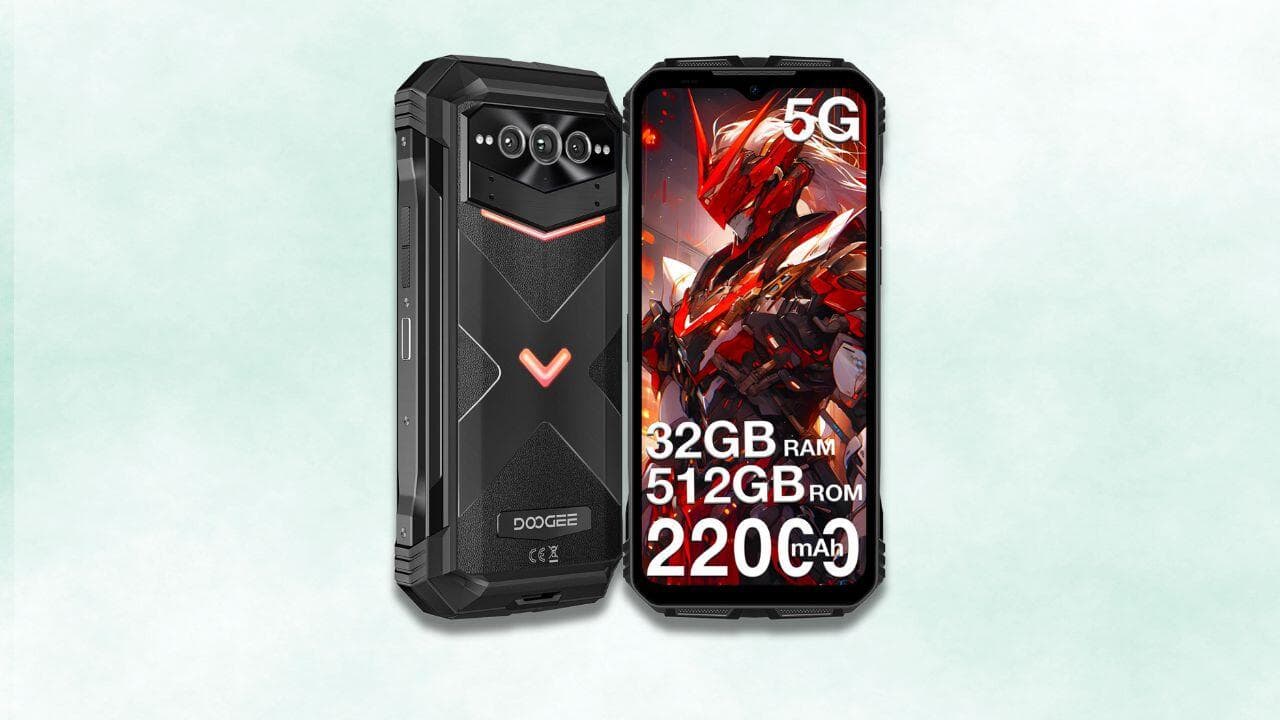
- Doogee V Max Pro: Best performance among rugged phones, for users who refuse to compromise on speed
- Samsung Galaxy XCover 7 Pro: Best mainstream brand option with enterprise-friendly software
- AGM H6: Best affordable option for budget-conscious buyers
- Google Pixel 10 Pro Fold: Best durability in a foldable form factor
- Doogee S200 X: Strong alternative to the V Max Pro at a lower price
- Ulefone Armor 25T Pro: Best specialty camera features in a rugged phone
What IP68 and MIL-STD-810H actually mean
Marketing materials throw around these certifications, but understanding them matters before you commit. IP68 means completely dust-tight and capable of submersion in water up to 1.5 meters. IP69K adds resistance to high-pressure water jets. These ratings test controlled conditions, not necessarily real-world abuse.
MIL-STD-810H goes further. The military standard includes drop testing onto hard surfaces, exposure to temperature shocks, vibration resistance, and more. A phone passing this standard has survived conditions that replicate actual harsh environments rather than just lab water tanks.
The foldable surprise
Google's Pixel 10 Pro Fold appearing on a rugged phone list signals a shift in the foldable category. Early foldables were fragile experiments. The Pixel 10 Pro Fold earned its spot through durability testing that would disqualify most phones with moving parts.
This matters for professionals who want larger screen real estate in the field but couldn't trust foldables in demanding environments. It's not built for construction sites, but it handles the drops and dust that defeat standard foldables.
Logicity's Take
The rugged phone market has quietly matured into a legitimate enterprise category. Where these devices once meant accepting crippled hardware, the Oukitel WP210's MediaTek chipset and Samsung's XCover software support show manufacturers are competing on user experience alongside durability. For IT managers evaluating field deployments, the real comparison now is total cost of ownership: a $350 AGM H6 that survives three years versus $1,000+ flagship phones that crack in six months. Doogee and Ulefone remain unfamiliar names in North American boardrooms, but their specs often beat Samsung's offerings. That gap between brand trust and actual performance creates buying decisions that depend heavily on how much IT control you need over deployed devices.
Who should consider a rugged phone
The traditional answer was construction workers and outdoor guides. That's expanded. Healthcare workers who sanitize devices constantly benefit from waterproofing. Warehouse staff who drop phones onto concrete need impact resistance. Parents who hand phones to toddlers know the value of indestructibility.
Modern rugged phones pack batteries in the 5,000 to 10,000mAh range, far exceeding mainstream flagships. For anyone frustrated by mid-afternoon battery warnings, that alone justifies the category. The tradeoff is weight and thickness. These are not slim devices.
Frequently Asked Questions
Are rugged phones waterproof or water-resistant?
Most are water-resistant with IP68 ratings, meaning they survive submersion up to 1.5 meters in controlled conditions. IP69K-rated models handle high-pressure water jets. No phone is truly waterproof under all conditions.
Do rugged phones get software updates?
It varies significantly by brand. Samsung's XCover line receives regular security patches. Lesser-known brands like Doogee and Oukitel often provide fewer and slower updates.
Can rugged phones replace standard smartphones?
Yes, modern rugged phones run full Android with capable cameras and processors. The tradeoffs are weight, thickness, and often less refined camera software compared to flagships.
What does MIL-STD-810H certification mean?
It's a U.S. military standard covering 21 environmental tests including drop impacts, temperature extremes, vibration, and dust exposure. Phones passing this standard have demonstrated durability beyond typical IP ratings.
How long do rugged phone batteries last?
Most rugged phones pack 5,000 to 10,000mAh batteries, lasting 1.5 to 3 days of typical use compared to the single-day battery life of most flagship phones.
Need Help Implementing This?
Logicity helps technology teams evaluate and deploy enterprise mobile solutions. If you're considering rugged device fleets for field operations, reach out for vendor-neutral guidance on balancing durability, manageability, and cost.
Source: Latest news
Huma Shazia
Senior AI & Tech Writer
Produced with AI assistance and reviewed by the Logicity editorial team. Learn more in our Editorial Policy.