Key Takeaways
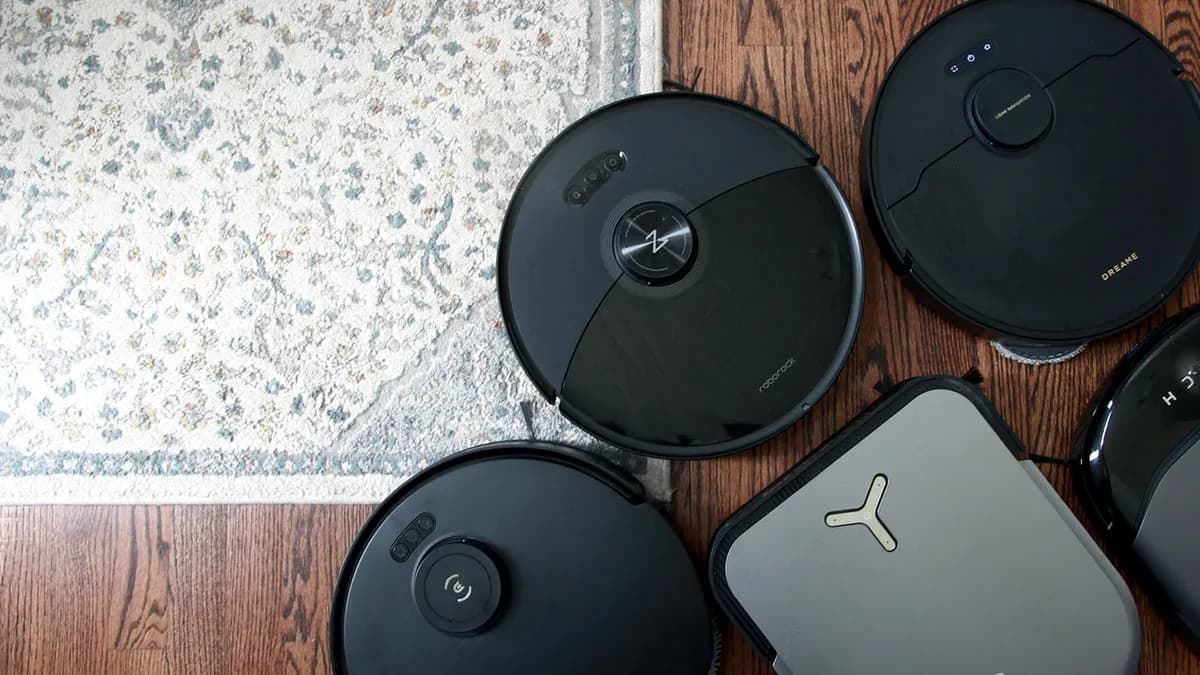
- Ecovacs Deebot X8 Pro Omni leads with 60.3% debris pickup in lab tests
- Budget option 3i G10+ and premium Matic Robot offer strong alternatives
- Premium models now combine vacuuming, mopping, and self-cleaning docks as standard
The Ecovacs Deebot X8 Pro Omni is the best robot vacuum you can buy in 2026, according to ZDNET's lab testing. The robot picked up 60.3% of debris from both hard floors and carpet, outperforming every competitor in controlled conditions. That number matters because most manufacturers quote suction power in pascals, a spec that tells you almost nothing about actual cleaning.
ZDNET's testing methodology combines lab measurements with in-home performance over extended periods. Reviewers set up obstacle courses, tracked pet hair removal, and documented mopping effectiveness on hard floors. The result is a ranking based on what these robots actually do, not what their spec sheets claim.
Which robot vacuums made the cut?
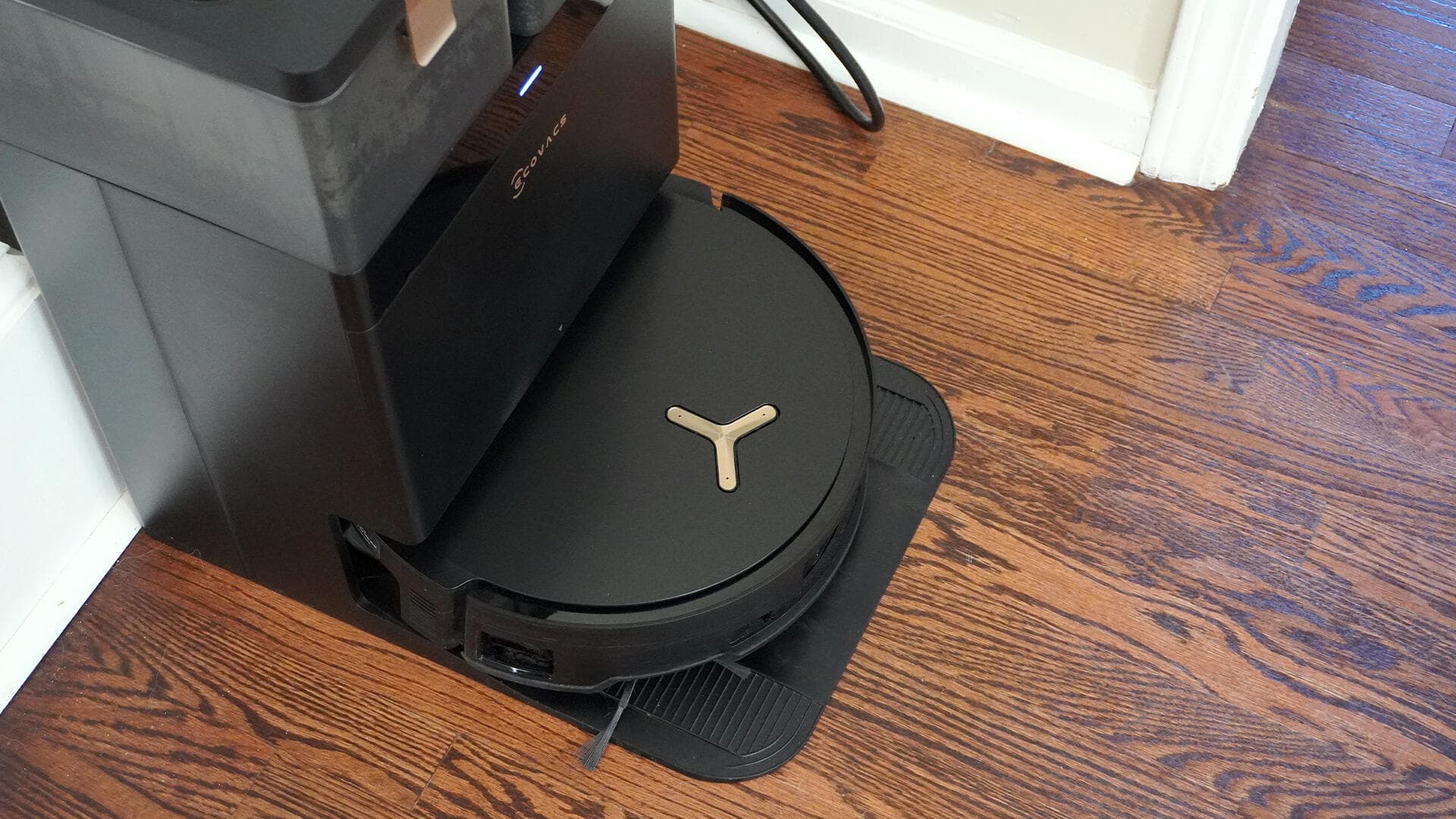
Five models earned ZDNET's recommendation across different categories. The Deebot X8 Pro Omni takes the overall crown with its 18,000Pa suction and self-cleaning roller mop. The 3i G10+ wins for budget buyers. Matic Robot leads in navigation and obstacle avoidance. Roborock's Qrevo Curv 2 Flow has the best mopping system. And Mova's P50 Pro Ultra handles pet hair better than the rest.
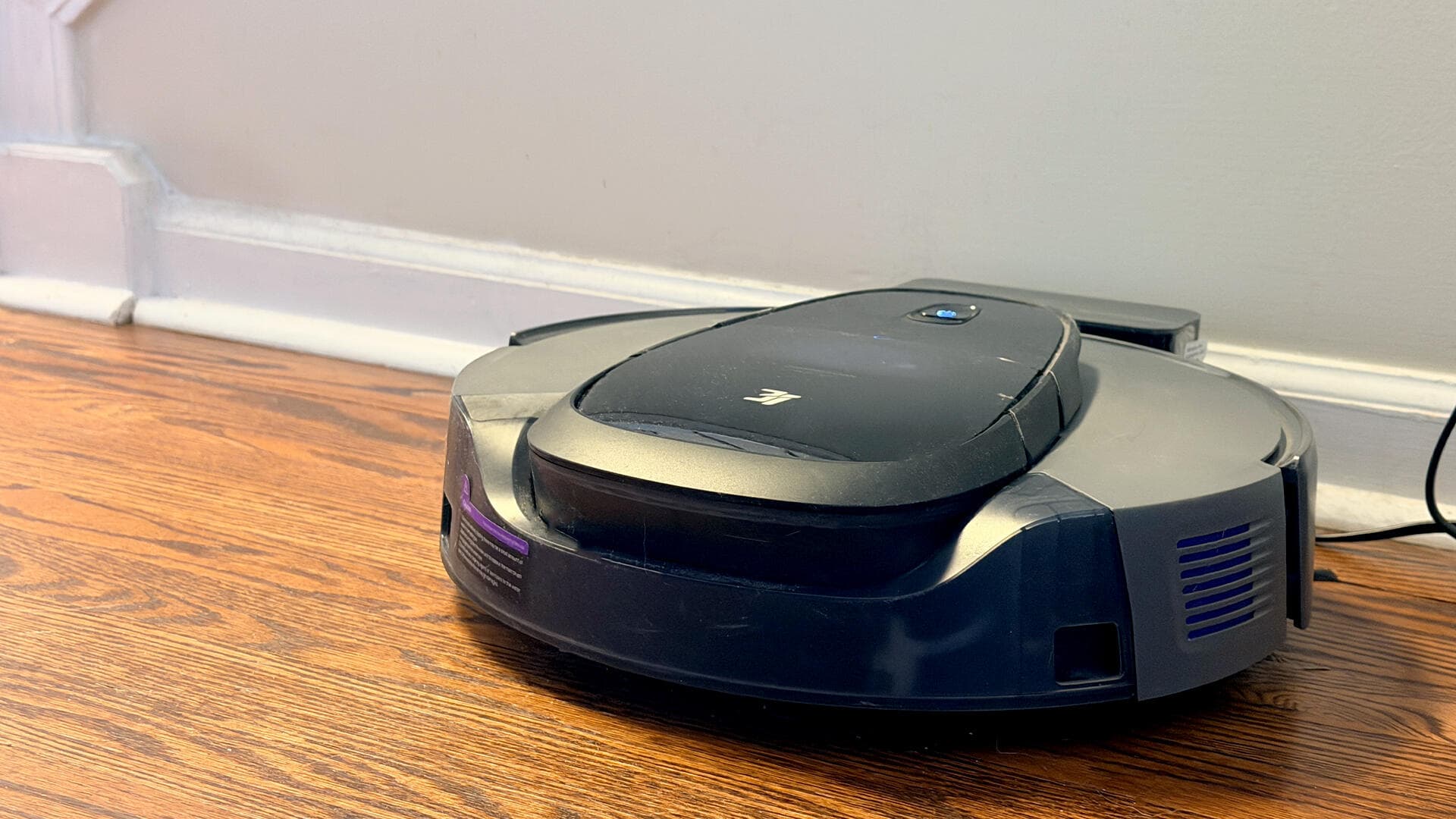
The current deals worth noting: Narwal Freo X10 Pro at $400 (down from $700), Eufy Omni S1 Pro at $700 (saving $800), and the Shark AV2511AE at $250. The iRobot Roomba Plus 405 dropped to $360 from $800, a 55% discount that makes the legacy brand competitive again.
What separates premium from budget models?
The $800 to $1,500 premium tier now includes features that were optional two years ago: auto-empty docks that wash mop pads, refill water tanks, and dry the cleaning heads. LiDAR navigation maps rooms in real time. AI-powered cameras identify cables, pet waste, and small toys before the robot reaches them.
Budget models skip the mopping function or require manual pad changes. Their navigation relies on bump sensors rather than mapping, which means random coverage patterns and missed spots. For a small apartment with hard floors, that's fine. For a multi-room home with pets, the premium features pay off quickly.
How the market shifted from Roomba's dominance
iRobot created this category in 2002. Twenty-four years later, Chinese manufacturers dominate the top recommendations. Roborock, Ecovacs, Dreame, and newer entrants like Mova ship feature-rich devices at prices that undercut Roomba by hundreds of dollars. The global robot vacuum market is projected to hit $15.2 billion by 2028, growing at 23.4% annually. Over 40 million units ship each year.
Amazon's attempted acquisition of iRobot collapsed in 2024 after regulatory pressure. The company laid off 31% of its workforce. Meanwhile, Roborock's S9 and Ecovacs' X-series kept adding capabilities: better suction, smarter navigation, integrated mopping that actually works.
What should you prioritize when buying?
Start with your floor types. All-carpet homes need strong suction; the Deebot X8 Pro Omni's 18,000Pa rating is currently the benchmark. Hard floor homes benefit more from mopping, where the Roborock Qrevo Curv 2 Flow excels. Pet owners should look at the Mova P50 Pro Ultra's anti-tangle brush design.
Navigation quality determines whether the robot cleans efficiently or wastes battery wandering. The Matic Robot's obstacle avoidance impressed testers most, avoiding cables and pet toys that tripped up competitors. For homes with clutter, that intelligence matters more than raw suction numbers.
Logicity's Take
The robot vacuum market has matured to the point where sub-$500 models clean competently and premium models genuinely reduce maintenance effort. For tech decision-makers considering office deployments, the real question is integration: can these devices report to facility management systems or schedule around occupancy? Ecovacs and Roborock both offer API access for commercial accounts, while iRobot's enterprise offerings remain limited. The 60.3% debris pickup figure from ZDNET's lab testing is the most credible benchmark we've seen, as most reviews rely on manufacturer claims.
Frequently Asked Questions
What is the best robot vacuum for pet hair in 2026?
The Mova P50 Pro Ultra earned ZDNET's recommendation for pet hair specifically. Its anti-tangle brush design handles fur without wrapping around the roller, reducing maintenance.
How much should I spend on a robot vacuum?
Budget models like the 3i G10+ cost around $200-300 and handle basic vacuuming. Premium models with mopping and self-cleaning docks run $800-1,500. The mid-range sweet spot is $400-600 during sales.
Are robot vacuums with mops worth it?
For hard floors, yes. The Roborock Qrevo Curv 2 Flow's mopping system handles dried spills that vacuuming alone can't remove. Carpet-heavy homes see less benefit.
How long do robot vacuum batteries last?
Premium models run 150-200 minutes per charge, enough for 2,000-3,000 square feet. They return to dock automatically when low and resume cleaning after recharging.
Can robot vacuums replace regular vacuuming?
For daily maintenance, yes. For deep cleaning corners, stairs, and furniture, you'll still need a traditional vacuum or occasional manual cleaning.
Robot vacuums integrate with Home Assistant for scheduling and automation
Need Help Implementing This?
Looking to automate your home or office cleaning operations? Contact Logicity for recommendations on commercial robot vacuum deployments and smart home integration strategies.
Source: Latest news
Huma Shazia
Senior AI & Tech Writer
Produced with AI assistance and reviewed by the Logicity editorial team. Learn more in our Editorial Policy.