Key Takeaways
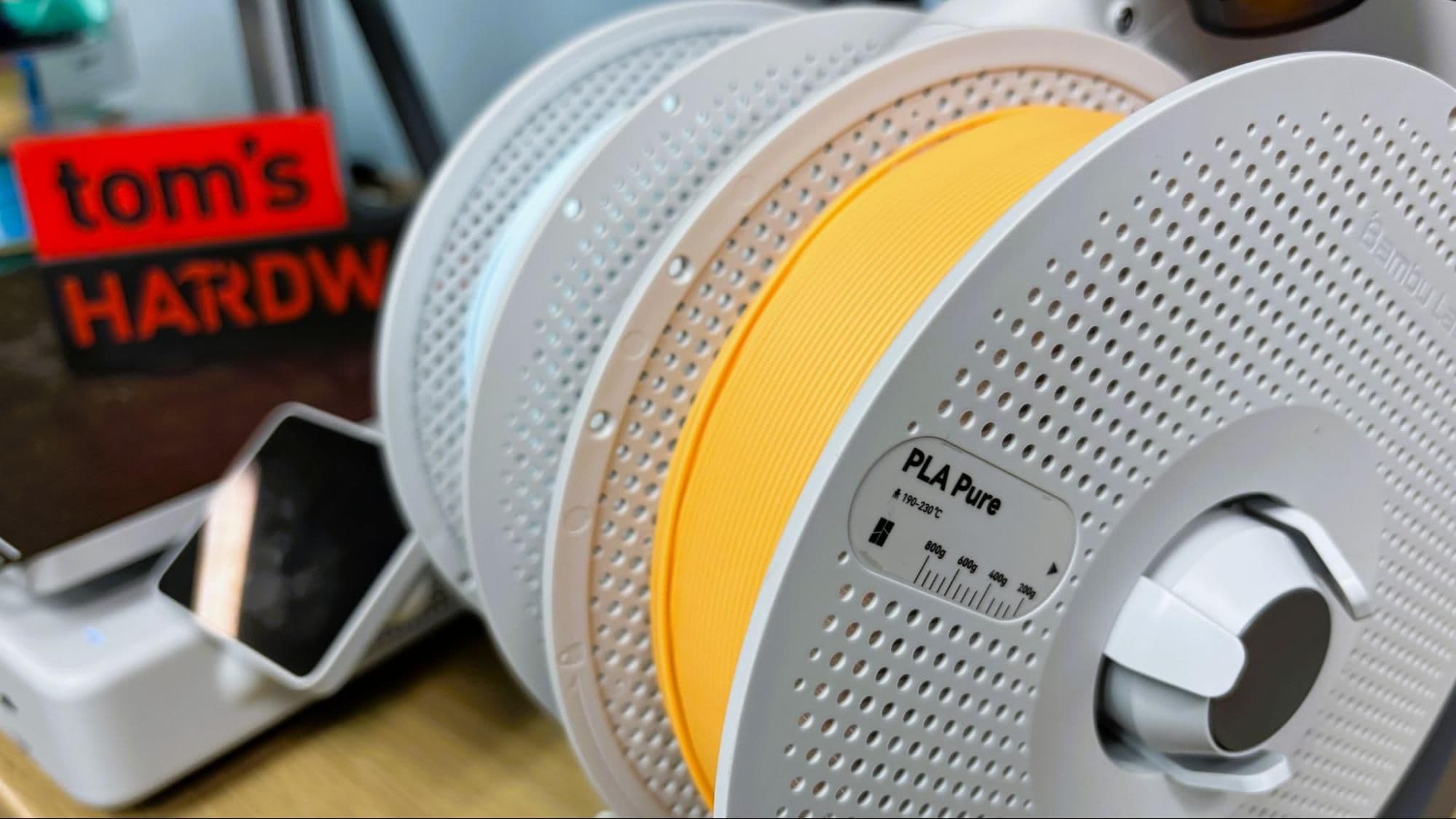
- PLA Pure lists all five ingredients publicly, a first for Bambu Lab filament lines
- The material holds EN 71-3 toy safety certification for heavy metal migration limits
- Printed objects still can't go in the dishwasher or hold liquids safely
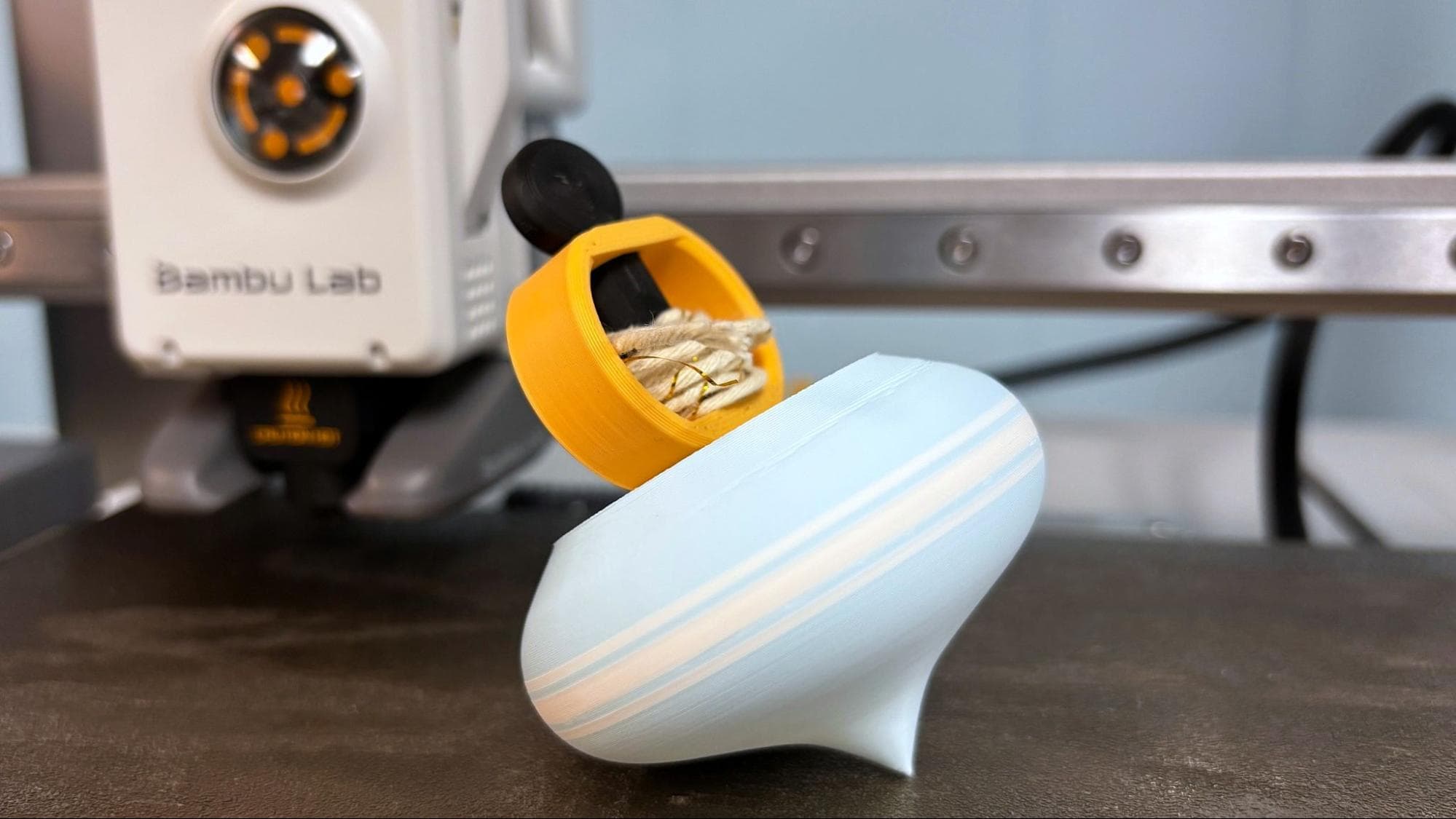
Bambu Lab PLA Pure is a new filament line that does something unusual in the 3D printing industry: it tells you what's actually inside. The company lists all five ingredients, touts toy-safety certifications, and specifically calls out that its talc is asbestos-free. Available now for $24.99 per kilogram spool ($21.99 as a refill), the material targets families who want to print toys in shared living spaces without worrying about chemical unknowns.
The timing makes sense. Desktop 3D printers have migrated from garages and workshops into living rooms and home offices. Parents printing toys for their kids, or pet owners making accessories, face a basic problem: nobody knows what's in most filament. Safety Data Sheets for typical PLA list 95-99% polylactic acid and 1-5% vague "additive." That's not reassuring when a toddler puts a printed dinosaur in their mouth.
What's in Bambu Lab PLA Pure?
The five disclosed ingredients are: polylactic acid (derived from corn and sugarcane), acrylic copolymer (used in children's toys), color pigments (the same ones in baby tableware), ethylene bis-stearamide (from food packaging), and talc verified as asbestos-free. That last detail is notable because talc and asbestos form under the same geological conditions and often mingle in deposits. Separating them at commercial scale is difficult and expensive.
The asbestos disclosure raises an uncomfortable question. If PLA Pure proudly features asbestos-free talc, what about standard matte PLA? Bambu Lab hasn't said. And if five ingredients count as "pure," what's hiding in the company's tough PLA, silk variants, or glitter filaments?
Which safety certifications does PLA Pure carry?
PLA Pure holds three safety standards. UL 2904 GREENGUARD certification measures particulate matter and volatile organic compounds (VOCs) for indoor air quality. Bambu Lab says emission levels during printing fall below typical concentrations in an average kitchen or living room. Testing used A1 and A2L printers without enclosures or filtration.
The EU 10/2011 standard covers food-contact materials. EN 71-3, the certification Bambu Lab emphasizes most, governs heavy metal migration from toy materials. Lead, cadmium, and chromium are the main concerns. A child mouthing a printed toy won't ingest dangerous levels of these metals, per the certification.
Does "food-safe" mean you can eat off prints?
No. The certifications apply to the raw filament, not the finished print. FDM 3D printing creates layer lines with microscopic gaps that trap bacteria. You can't sanitize these surfaces in a dishwasher because PLA softens above 60°C. Bambu Lab warns explicitly against using prints for liquids or heat exposure.
Reddit's r/3Dprinting community has been quick to point this out. While many users appreciate the transparency around ingredients, there's debate about whether "food-safe" labeling is misleading. The raw material passes tests. The printed object is still porous plastic that harbors germs.
How does PLA Pure compare to standard PLA?
Bambu Lab says its Basic PLA also holds UL 2904 indoor air quality certification, but PLA Pure's cleaner ingredient profile yields lower emission levels. The company hasn't published comparative numbers. PLA Pure costs the same as Basic PLA at $24.99 per spool, so the main tradeoff is color selection. PLA Pure comes in three soft pastels plus black and white. Basic PLA offers a wider palette.
For parents printing toys, the EN 71-3 heavy metal certification is the practical difference. Basic PLA doesn't carry it. If you're printing a rattle that will end up in a baby's mouth, PLA Pure is the safer documented choice.
What PLA Pure won't solve
Certified-safe material doesn't fix design problems. Small parts remain choking hazards. Sharp edges are still sharp. Layer lines still trap bacteria regardless of what plastic they're made from. PLA Pure addresses chemical composition. Everything else about responsible toy design stays on the maker.
The broader issue is industry opacity. Bambu Lab deserves credit for listing five ingredients. But the fact that this counts as transparency shows how low the bar sits. Most filament manufacturers disclose nothing beyond "PLA plus additives." Few independent studies analyze what printing actually releases into home air. PLA Pure is a step forward. It's also a reminder of how little we know about the rest.
Logicity's Take
Bambu Lab is betting that safety transparency becomes a competitive advantage as 3D printers move into family spaces. The real story isn't this single product. It's the pressure this puts on competitors to disclose their own ingredient lists. If PLA Pure sells well, expect Prusa, Creality, and generic filament brands to follow. The industry's era of "trust us, it's fine" may be ending.
Frequently Asked Questions
Is Bambu Lab PLA Pure actually food-safe for plates and cups?
The raw material passes EU 10/2011 food-contact standards, but printed objects have porous layer lines that trap bacteria. Bambu Lab says not to use prints for liquids or temperatures above 60°C.
Why does Bambu Lab mention asbestos-free talc?
Talc and asbestos form in the same geological conditions and often mix in mineral deposits. Separating them at scale is difficult, so Bambu Lab is certifying their talc source is tested and asbestos-free.
Does PLA Pure cost more than regular PLA?
No. Both retail at $24.99 per 1kg spool or $21.99 as a refill. The main difference is PLA Pure's limited color selection and additional safety certifications.
Can I print toys for babies with PLA Pure?
The EN 71-3 certification means heavy metals won't migrate at dangerous levels. However, you still need to design toys without choking hazards, and printed surfaces will harbor bacteria that can't be dishwasher-sanitized.
Need Help Implementing This?
If your business is exploring 3D-printed products for consumer markets, Logicity can connect you with regulatory consultants and materials testing labs. Contact our team for recommendations on certification pathways and safe manufacturing practices.
Source: Latest from Tom's Hardware
Huma Shazia
Senior AI & Tech Writer
Produced with AI assistance and reviewed by the Logicity editorial team. Learn more in our Editorial Policy.