Key Takeaways
- ASML denies US Commerce Secretary Lutnick's suggestion that an EUV system may have reached China
- The company says it tracks all 314 active and 26 retired EUV machines, none in China
- US officials claim they have evidence of EUV-related equipment exports but have not disclosed it
ASML is pushing back hard against US government suggestions that one of its extreme ultraviolet lithography machines may have reached China. The Dutch company told Tom's Hardware that recent claims are 'inaccurate and damaging to our reputation,' asserting it knows the location of every EUV tool it has ever built.
The dispute surfaced during meetings between US Commerce Secretary Howard Lutnick and ASML executives, according to Bloomberg sources. Lutnick reportedly questioned whether an EUV system had found its way to China, which would constitute a serious breach of export controls under the Wassenaar Arrangement and subsequent US-led restrictions.
What evidence does the US have?
Senior US administration officials told Bloomberg they possess information indicating ASML exported 'equipment associated with EUV systems,' including specialized transport systems. They declined to produce evidence, citing sensitivity concerns. The US government has not publicly demonstrated that a complete EUV scanner is operating in China.
ASML's response was categorical. 'ASML has never shipped an EUV machine to China, nor have we shipped to China any component, module or equipment specially designed to be used in an EUV machine,' a spokesperson stated.
Why would an EUV machine be hard to smuggle?
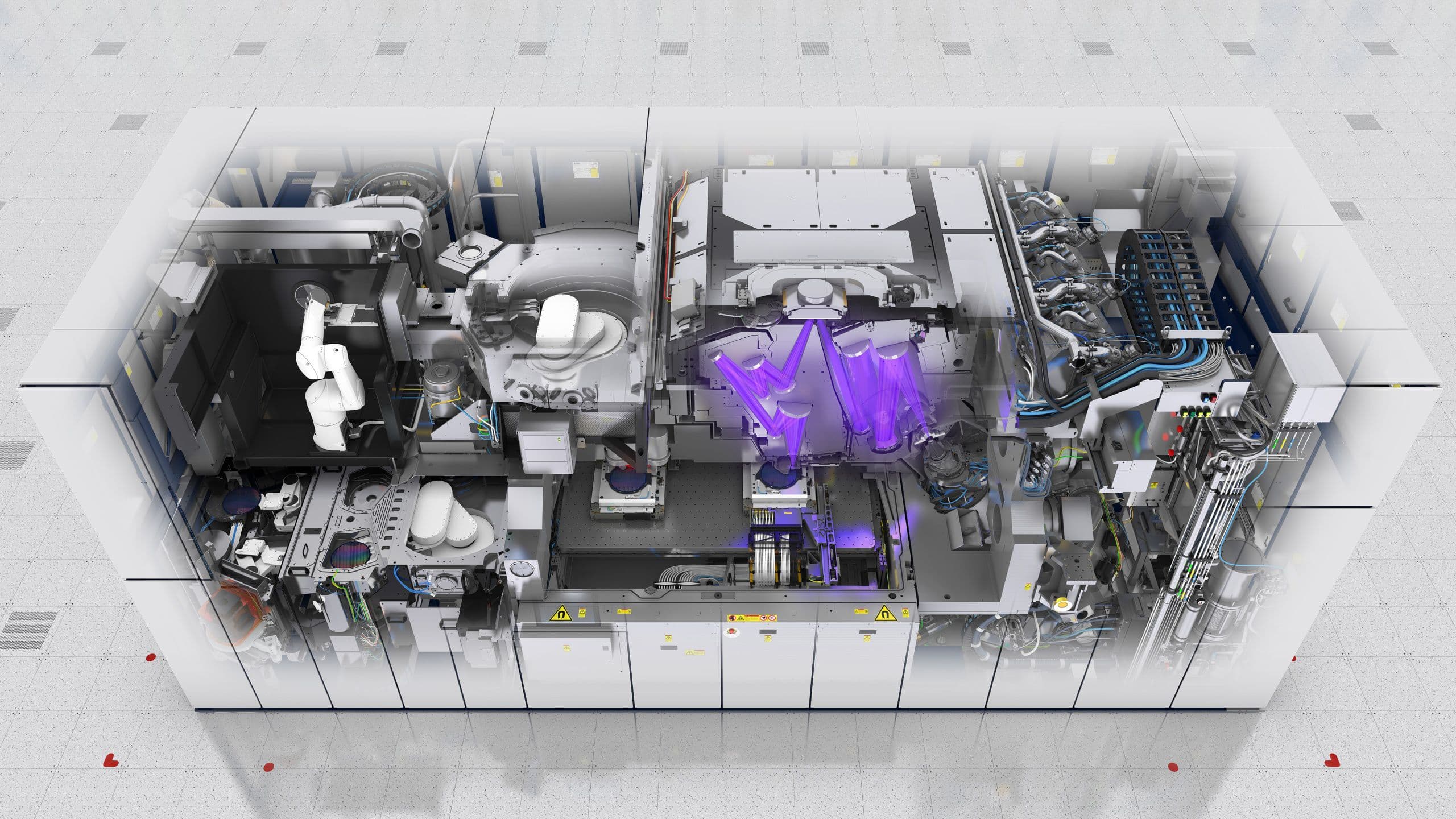
The physics of moving an EUV scanner makes covert transfer nearly impossible. Each machine weighs 180 tons, contains 100,000 components, and requires multiple cargo planes for transport. ASML ships them only by air. Intercepting or diverting such a shipment without detection would cause an international incident.
Bloomberg reports that ASML has circulated an internal presentation titled 'No indication of any ASML EUV System in China.' The document states 314 EUV systems are currently operating worldwide, with another 26 retired. None are in China.
The presentation also notes that EUV scanners continuously communicate with ASML, allowing the company to detect interruptions, abnormal activity, or connectivity issues. Customers cannot simply dismantle, transport, and reinstall a scanner without direct ASML assistance due to specialized logistics requirements.
What about SMIC's EUV order?
China's Semiconductor Manufacturing International Corp. did purchase an EUV tool. It never left the Netherlands. The order predates the tightening of export controls, but the machine remains in ASML's home country, never delivered to SMIC's fabs.
This distinction matters. ASML can point to that order as proof it follows the rules. The company has repeatedly adjusted its business to comply with evolving export controls from both the US and the Netherlands.
Why the accusations now?
The timing coincides with ongoing negotiations between US officials and ASML over the scope and enforcement of chip equipment export restrictions. Commerce Secretary Lutnick has taken a more aggressive posture on tech exports to China than some predecessors.
ASML holds a unique position in the semiconductor supply chain. It is the sole manufacturer of EUV lithography systems globally, each costing around $380 million. Without ASML machines, no company can produce chips at 7 nanometers or below. That monopoly makes ASML both strategically vital and a pressure point for geopolitical maneuvering.
'ASML regularly engages in transparent and open dialogue with government leaders globally,' the company said. 'We recognize the national security considerations behind export control regulations in the U.S. and the Netherlands.'
What happens next?
Without evidence from the US side, the standoff remains at the level of accusation versus denial. ASML's tracking systems and the sheer logistics of moving EUV equipment give its defense credibility. But the accusation itself, even without proof, can damage the company's reputation and complicate its relationships with governments and customers.
ASML stock and business depend on trust from both Western governments and its global customer base. Repeated unfounded accusations create friction even when disproved.
Logicity's Take
This dispute looks less like a genuine security breach and more like negotiating theater. The US wants tighter export controls and more cooperation from ASML. Floating accusations, even unsubstantiated ones, applies pressure. ASML's detailed rebuttal, including the internal presentation tracking all 340 machines, suggests the company anticipated this kind of challenge and prepared its documentation accordingly. The real question is whether this tactic pushes ASML toward compliance or creates resentment that complicates future cooperation.
Frequently Asked Questions
Has ASML ever shipped an EUV machine to China?
No. ASML states it has never shipped an EUV machine, nor any EUV-specific components, modules, or equipment to China. The one EUV system ordered by SMIC remains in the Netherlands.
How does ASML track its EUV machines?
EUV scanners continuously communicate with ASML, allowing the company to monitor their location and detect interruptions or abnormal activity. The machines also cannot be reinstalled without direct ASML assistance.
Why are EUV machines restricted for export to China?
Under the Wassenaar Arrangement and subsequent US-Netherlands export controls, EUV equipment cannot be sold to Chinese customers due to national security concerns about advanced semiconductor manufacturing capabilities.
How much does an ASML EUV machine cost?
A single EUV lithography system costs approximately $380 million and requires multiple cargo planes to transport due to its 180-ton weight and 100,000 components.
Need Help Implementing This?
If your organization is navigating semiconductor supply chain risks or export compliance questions, Logicity can connect you with industry analysts and legal experts. Contact us at hello@logicity.in.
Source: Latest from Tom's Hardware
Manaal Khan
Tech & Innovation Writer
Produced with AI assistance and reviewed by the Logicity editorial team. Learn more in our Editorial Policy.