Key Takeaways
- Arm-based servers captured over 45% of data center revenue in Q1 2026, up from near-zero eight years ago
- GPU and ASIC-accelerated systems now generate over 70% of global server revenue
- Dell leads the server market with 16.5% share after 244% year-over-year revenue growth
Arm-based servers now command over 45% of global data center revenue, according to new IDC data. The shift represents one of the most significant architectural transitions in computing history. Less than a decade ago, x86 processors from Intel and AMD held near-total dominance. That era is ending.
The global server market hit a record $122.6 billion in Q1 2026, up 30.4% year-over-year. But the real story isn't the total spend. It's where that money is going. Non-x86 platforms generated $58.7 billion in revenue, a 107.6% increase from the same quarter last year. IDC says Arm-based machines account for more than 95% of that non-x86 total.
Why are Arm servers suddenly dominating revenue?
The answer is AI infrastructure, specifically GPU clusters. Systems with various accelerators accounted for over 70% of global server revenue last quarter. And the most expensive AI machines on the planet run on Arm.
Nvidia's NVL72 Blackwell systems sell for up to $6.5 million per unit. Each rack-scale solution contains 36 compute trays, with two Blackwell GPUs and one Grace CPU per tray. The Grace is Arm-based. So while you're only buying 36 processors in unit terms, you're spending enough to buy 928 entry-level x86 servers or 433 higher-end dual-processor machines.
This math explains the revenue shift. Arm isn't winning on volume. It's winning because hyperscalers and enterprises are pouring money into AI infrastructure built around Nvidia's architecture. Custom Arm chips from AWS (Graviton), Google (Axion), and Microsoft (Cobalt) add to the trend, but the GPU cluster effect is the primary driver.
Dell's 244% revenue surge tells the enterprise AI story
The vendor rankings reveal another shift. Dell led the server market with $20.3 billion in revenue and a 16.5% share. That's a 244.1% increase year-over-year. Supermicro hit $9.3 billion with 128.9% growth. These numbers reflect something important: branded vendors are winning a larger portion of AI infrastructure deployments.
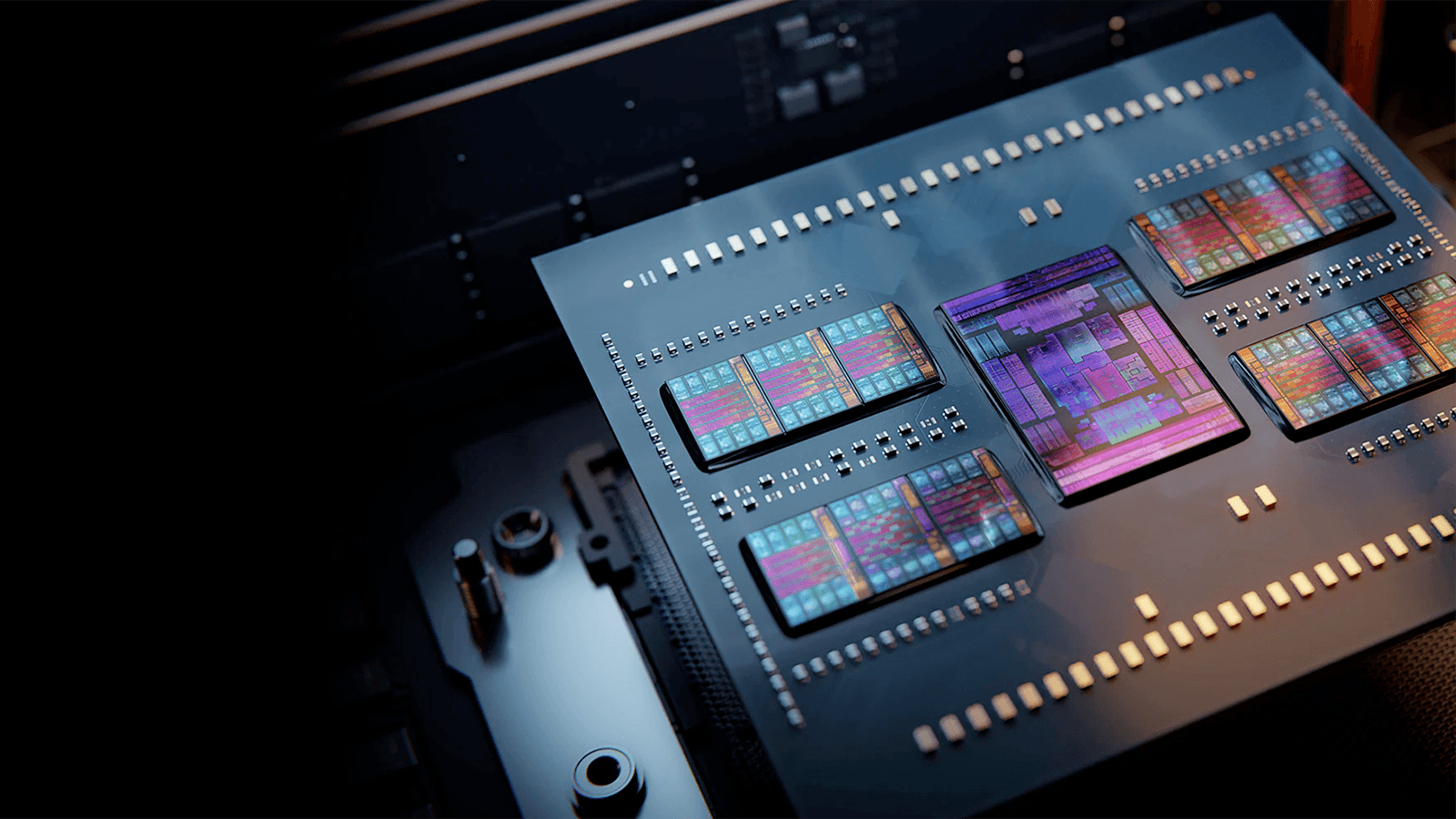
ODM Direct servers, the custom machines ordered by hyperscalers, still accounted for 50.2% of revenue. But that share dropped from 64.1% in Q1 2025. The gap is being filled by enterprise AI deployments and sovereign AI projects, which tend to buy from established brands rather than custom builders.
| Vendor | Q1 2026 Revenue | YoY Growth |
|---|---|---|
| Dell Technologies | $20.3B | +244.1% |
| Supermicro | $9.3B | +128.9% |
| Lenovo | $5.6B | +36.5% |
| IEIT Systems | $4.0B | -7.0% |
| HPE | $3.7B | +17.2% |
IEIT Systems, part of the sanctioned Inspur Group, dropped to fourth place after revenue declined 7%. The sanctions are clearly biting. Meanwhile, HPE grew 17.2% to $3.7 billion, and a long tail of vendors from Asus to Gigabyte captured 14.8% of the market.
What happens to x86 from here?
x86 machines still control 52% of the server market by revenue. That's not nothing. But the trajectory points one direction. Nvidia plans to continue bundling its Arm-based Vera CPUs with future NVL72 Vera Rubin machines, which will be even more expensive than Blackwell systems.
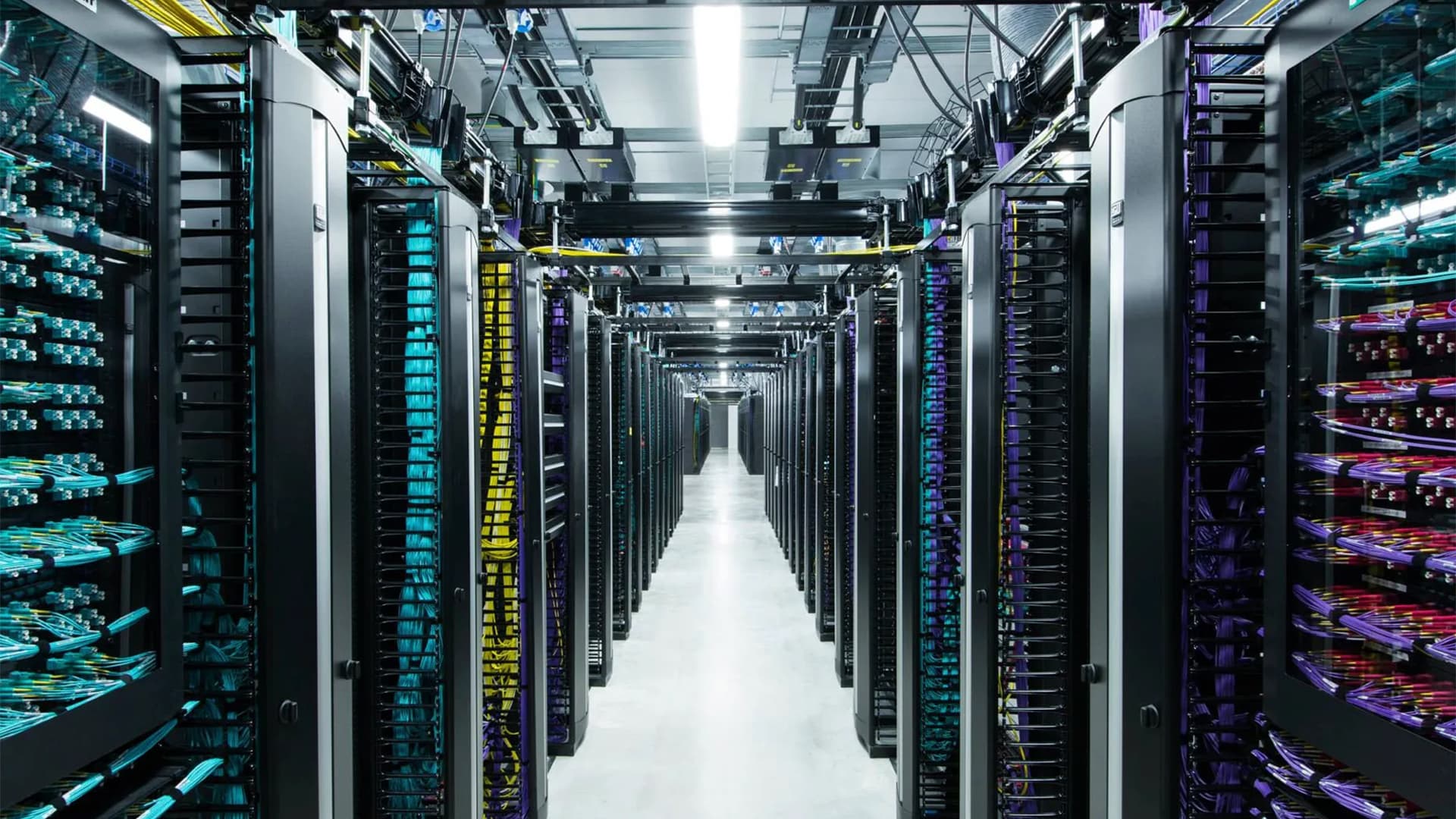
Every dollar spent on these systems is a dollar that doesn't go to Intel or AMD server chips. And hyperscaler custom silicon adds further pressure. AWS has been deploying Graviton processors for years. Google and Microsoft are following with their own designs. These chips handle general workloads at lower power consumption, which matters enormously when you're running millions of servers.
IBM's Power Systems and Z mainframes still generate over $1 billion in revenue using proprietary architectures. But they're a rounding error in a $122 billion quarter. The real competition is Arm versus x86, and Arm is gaining ground at a pace that would have seemed impossible five years ago.
The GPU cluster effect will intensify
AI infrastructure spending isn't slowing down. If anything, the push toward larger models and more inference capacity suggests GPU clusters will consume an even bigger share of data center budgets. Since Nvidia has committed to Arm for its CPU architecture, every new AI cluster effectively votes against x86.
Intel and AMD aren't standing still. Both companies are pushing their own accelerators and trying to win AI workloads. But the numbers suggest they're running uphill. The server market is being restructured around a different architecture, and the companies best positioned to benefit are Nvidia, Arm Holdings, and the hyperscalers building custom silicon.
Another major shift in AI infrastructure as Groq charts a post-Nvidia path
Logicity's Take
The 45% revenue figure undersells the trend. Revenue share lags unit share because AI servers cost so much more than standard machines. But it also leads where the market is heading. Every hyperscaler building custom Arm chips is making a decade-long bet against x86. Intel and AMD have maybe three years to prove their AI accelerator strategies work before the architectural switch becomes irreversible in enterprise data centers too.
Frequently Asked Questions
Why are Arm servers suddenly taking data center market share?
AI infrastructure is the primary driver. Nvidia's high-end GPU clusters use Arm-based Grace CPUs, and hyperscalers like AWS, Google, and Microsoft are deploying custom Arm chips for general workloads. These systems command premium prices, inflating Arm's revenue share.
What percentage of server revenue comes from GPU-accelerated systems?
Over 70% of global server revenue in Q1 2026 came from systems with GPU, ASIC, or FPGA accelerators. AI infrastructure spending is reshaping the entire market.
Is Intel losing the data center market?
Intel and AMD's x86 architecture still holds 52% of server revenue, but the trend is unfavorable. Non-x86 platforms grew 107.6% year-over-year while x86 share declined. The shift is accelerating with each new AI cluster deployment.
How much does an Nvidia NVL72 AI server cost?
Nvidia's NVL72 Blackwell systems sell for up to $6.5 million per unit. Each rack-scale solution contains 36 compute trays with two Blackwell GPUs and one Grace Arm CPU per tray.
Which company leads the server market by revenue?
Dell Technologies leads with $20.3 billion in Q1 2026 revenue and a 16.5% market share. Dell's server revenue grew 244.1% year-over-year, driven by AI infrastructure demand.
Need Help Implementing This?
If you're evaluating server architecture decisions for AI workloads or general data center infrastructure, understanding the Arm versus x86 tradeoffs is critical. Contact Logicity for strategic technology guidance tailored to your organization's roadmap.
Source: Latest from Tom's Hardware
Manaal Khan
Tech & Innovation Writer
Produced with AI assistance and reviewed by the Logicity editorial team. Learn more in our Editorial Policy.