Key Takeaways
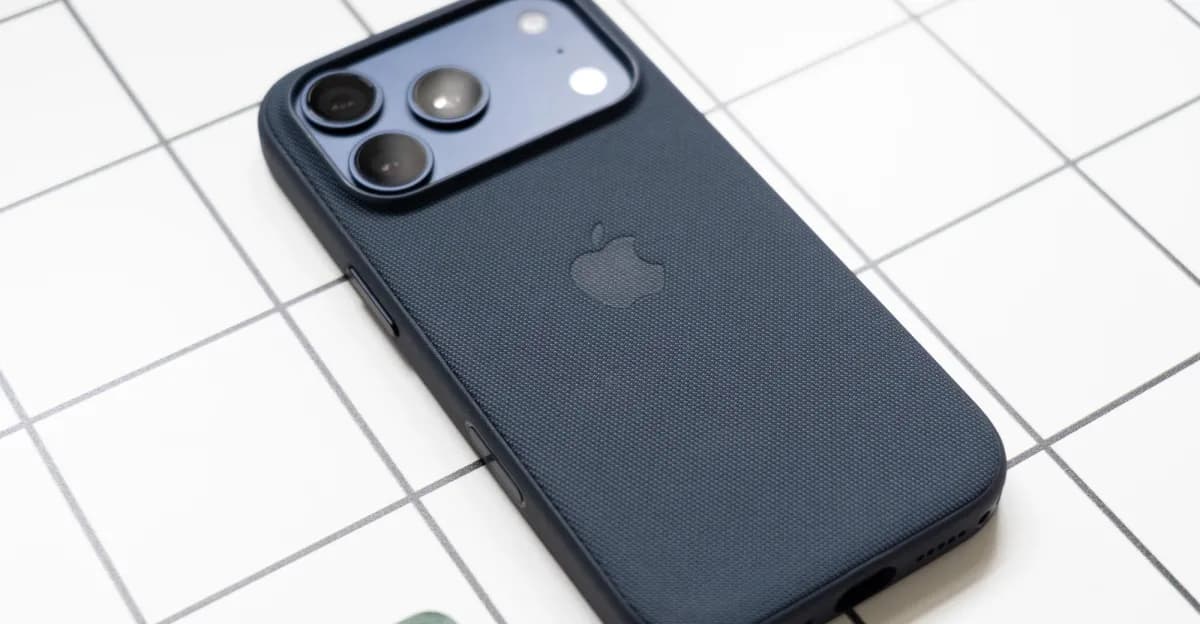
- Tim Cook confirmed Apple will raise prices due to unsustainable RAM costs driven by AI data center demand
- The iPhone 18 Pro could cost $1,299, up $200 from the iPhone 17 Pro according to WSJ estimates
- Memory prices have quadrupled since 2025 as chip manufacturers prioritize AI hardware over consumer electronics
Apple is raising prices. CEO Tim Cook told The Wall Street Journal that the global memory shortage has made current pricing "unsustainable," and the company can no longer absorb the cost increases hitting its supply chain.
"Price increases are unavoidable," Cook said in the interview. "We're doing our best to mitigate the huge increases that are being passed to us, and we've been trying to shield our customers from the increases, but the situation has become unsustainable."
Cook did not specify which products will see price hikes or when they will take effect. But Apple has already been trimming options. In March, the company stopped selling the Mac Studio with 512GB of RAM. It later raised the Mac Mini's starting price to $799 after discontinuing the $599 base model.
Why is Apple raising prices now?
The culprit is AI. Data centers powering generative AI models require enormous amounts of high-bandwidth memory, and chip manufacturers are prioritizing those orders over consumer electronics. DRAM and NAND prices have quadrupled since 2025.
"The HBM crunch has created a bottleneck that even the world's largest buyer of silicon cannot simply ignore or negotiate away," said Sarah Jenkins, lead semiconductor analyst at TechInsights.
Apple has historically used its purchasing volume to secure favorable component pricing. That leverage is failing. When memory suppliers can sell every chip they make to AI companies at premium prices, consumer electronics buyers lose negotiating power, regardless of order size.
"There's less supply at a time when consumers want devices and the memory guys are passing along huge price increases," Cook told the WSJ. "We definitely need memory pricing and supply to return to reasonable levels for consumer products."
How much will the iPhone 18 Pro cost?
The WSJ estimates the upcoming iPhone 18 Pro could cost $1,299, a $200 jump from the $1,099 iPhone 17 Pro. That tracks with broader industry analysis suggesting Apple needs roughly $270 in additional revenue per base model to maintain current profit margins.
Analyst Tim Culpan suggested Apple could also discontinue the base MacBook Neo configuration, keeping only the $699 model with 512GB of storage. This follows the pattern Apple established with the Mac Mini: eliminate cheaper options rather than announce a price increase on the same spec.
Apple is not alone
The memory shortage is hitting the entire consumer electronics industry. Game consoles, laptops, and storage devices have all seen price increases. Nothing CEO Carl Pei said earlier this month that phone prices "are going to keep going up." SanDisk's new PlayStation 5 SSD now costs more than three PS5 Pro consoles.
The difference is that Apple operates on famously high margins. On Reddit's r/apple and Hacker News, users are questioning whether a company that earns roughly 40% gross margin on iPhones truly cannot absorb some cost increases. The debate centers on whether this price hike reflects genuine supply pressure or an opportunity to boost margins further under cover of industry-wide increases.
The AI infrastructure boom driving memory prices is also straining Big Tech's finances
What happens to upgrade cycles?
The real question is whether consumers accept these prices or hold onto devices longer. iPhone upgrade cycles have already stretched. A base iPhone 18 Pro at $1,299 pushes premium smartphones firmly into luxury territory.
Apple's services revenue provides some cushion. If hardware sales slow, subscription income from the App Store, Apple Music, iCloud, and Apple TV+ keeps growing. But the company's identity is still built on hardware. Pricing out a segment of buyers changes the business, even if the balance sheet stays healthy.
The iPhone 18 lineup is expected later this year. That will be the first major test of consumer tolerance for post-shortage pricing.
Logicity's Take
Apple's pricing power has always rested on the assumption that it offers the best premium experience. A $1,299 iPhone tests that assumption against Android flagships that cost several hundred dollars less. The more interesting dynamic: Apple is signaling that its famous supply chain leverage has limits. If the world's largest component buyer cannot negotiate favorable memory prices, smaller manufacturers face even grimmer math. Expect consolidation in the Android mid-range as second-tier brands exit the market.
Frequently Asked Questions
When will Apple raise prices?
Tim Cook did not specify a date. The iPhone 18 Pro, expected later in 2026, will likely reflect the new pricing, with WSJ estimating a starting price of $1,299.
Which Apple products will see price increases?
Cook did not name specific products, but iPhone, iPad, and Mac are all expected to be affected. Apple has already raised the Mac Mini's starting price and discontinued cheaper configurations.
Why are RAM prices so high?
AI data centers require massive amounts of high-bandwidth memory. Chip manufacturers are prioritizing AI orders, reducing supply for consumer electronics and driving prices up 4x since 2025.
How much will the iPhone 18 Pro cost?
The Wall Street Journal estimates the iPhone 18 Pro could start at $1,299, a $200 increase from the iPhone 17 Pro's $1,099 starting price.
Are other companies raising prices too?
Yes. Game consoles, laptops, and storage devices across the industry have seen price increases. Nothing's CEO confirmed phone prices will continue rising.
Need Help Implementing This?
If you're building hardware products and need to navigate component sourcing during the memory shortage, Logicity's consulting team can help you model pricing scenarios and identify alternative suppliers. Contact us at consulting@logicity.in.
Huma Shazia
Senior AI & Tech Writer
Produced with AI assistance and reviewed by the Logicity editorial team. Learn more in our Editorial Policy.




