Apple's long-rumored smart glasses will debut at WWDC 2027 and ship by year's end, according to Bloomberg. The delay from an earlier 2026 target stems from Apple's effort to define a privacy-first approach that distances the product from Meta's controversial Ray-Ban glasses.
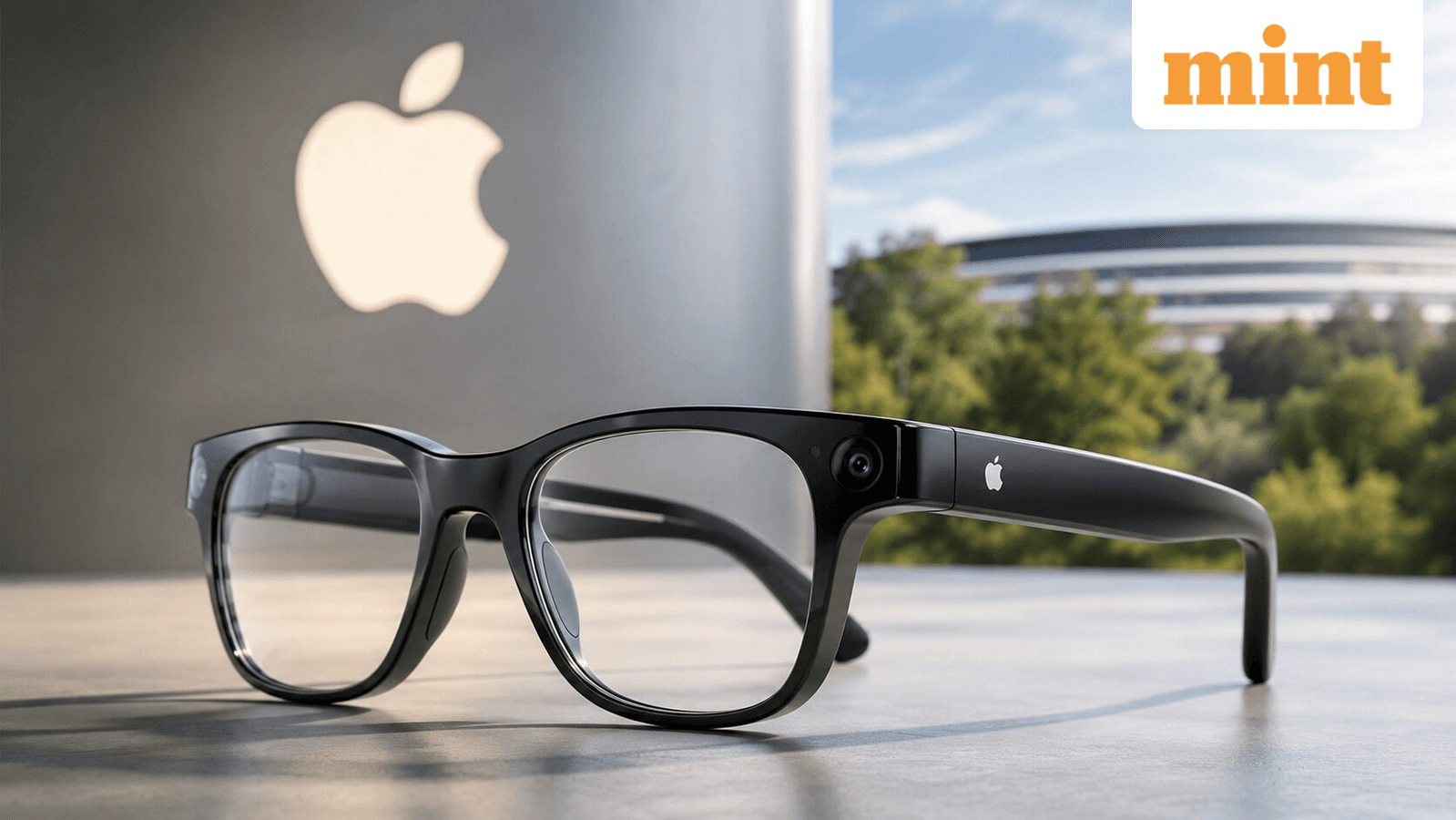
The core pitch: hands-free Siri, phone calls, and music playback without AirPods, all from a pair of glasses that last a full day on a single charge. Earlier leaks suggest iOS 27 integration would let users query Siri about objects and places in their field of view.
Why Apple is distancing itself from Meta's approach
The Apple Glasses Are Coming!
Meta popularized the smart glasses category with Ray-Ban Stories and its successors. But the company's privacy reputation has become, as Bloomberg puts it, a burden for the entire category. Apple sees this as an opening.
The Cupertino company is reportedly avoiding several features that have drawn scrutiny on Meta's devices: no facial recognition, no continuous environment analysis, and no version of Meta's upcoming "super-sensing" mode that constantly scans surroundings. Apple also plans to commit publicly that customer recordings will not train its AI models.
One specific measure: Apple will reportedly avoid using contractors to review customer footage. Meta has recently been accused of exactly this practice. For enterprise buyers worried about data handling, that distinction matters.
The camera question
Apple has debated whether to include a camera at all. One prototype eliminates it entirely, leaving AI features, audio, and calls intact but dropping photo and video capture. A second option includes a camera but blocks users from recording media. In this configuration, the camera only feeds Apple's on-device AI for object and place identification.
The company is also prototyping hardware and software privacy protections that do not exist on current Apple devices. What those look like remains unclear, but on-device AI processing is confirmed as a focus. This fits Apple's existing pattern: the Neural Engine on iPhones already handles sensitive tasks like Face ID locally.
Where this fits in Apple's 2027 lineup
Smart glasses are one piece of a busy year. Apple is also expected to ship a 20th anniversary iPhone, a second-generation foldable iPhone, new smart home devices, updated AirPods, and refreshed MacBooks. The glasses, if they land, would mark Apple's first foray into face-worn wearables beyond Vision Pro.
Related Apple hardware roadmap for 2027
Logicity's Take
Apple's privacy-first framing is strategic, but the real test is whether glasses without full camera functionality can compete. Meta's Ray-Ban glasses sell because they do what phones do, hands-free. A crippled camera trades capability for optics (no pun intended). If Apple ships the camera-less version, it is betting that audio-first AI plus brand trust outweighs feature parity. For enterprise buyers, the contractor review detail is the more consequential signal. That is the kind of policy commitment IT procurement can actually audit.
The bigger unknown is pricing. Vision Pro launched at $3,499. If Apple positions smart glasses as an iPhone accessory rather than a standalone platform, a sub-$500 price point is plausible, but Bloomberg's report offers no figures. CTOs evaluating wearables for field teams will need to wait for concrete specs.
Need Help Implementing This?
Building for wearable platforms or evaluating enterprise use cases for smart glasses? Reach out to our team at Logicity for vendor-neutral guidance on emerging hardware ecosystems.
Source: mint / Aman Gupta
Manaal Khan
Tech & Innovation Writer
Produced with AI assistance and reviewed by the Logicity editorial team. Learn more in our Editorial Policy.