Key Takeaways
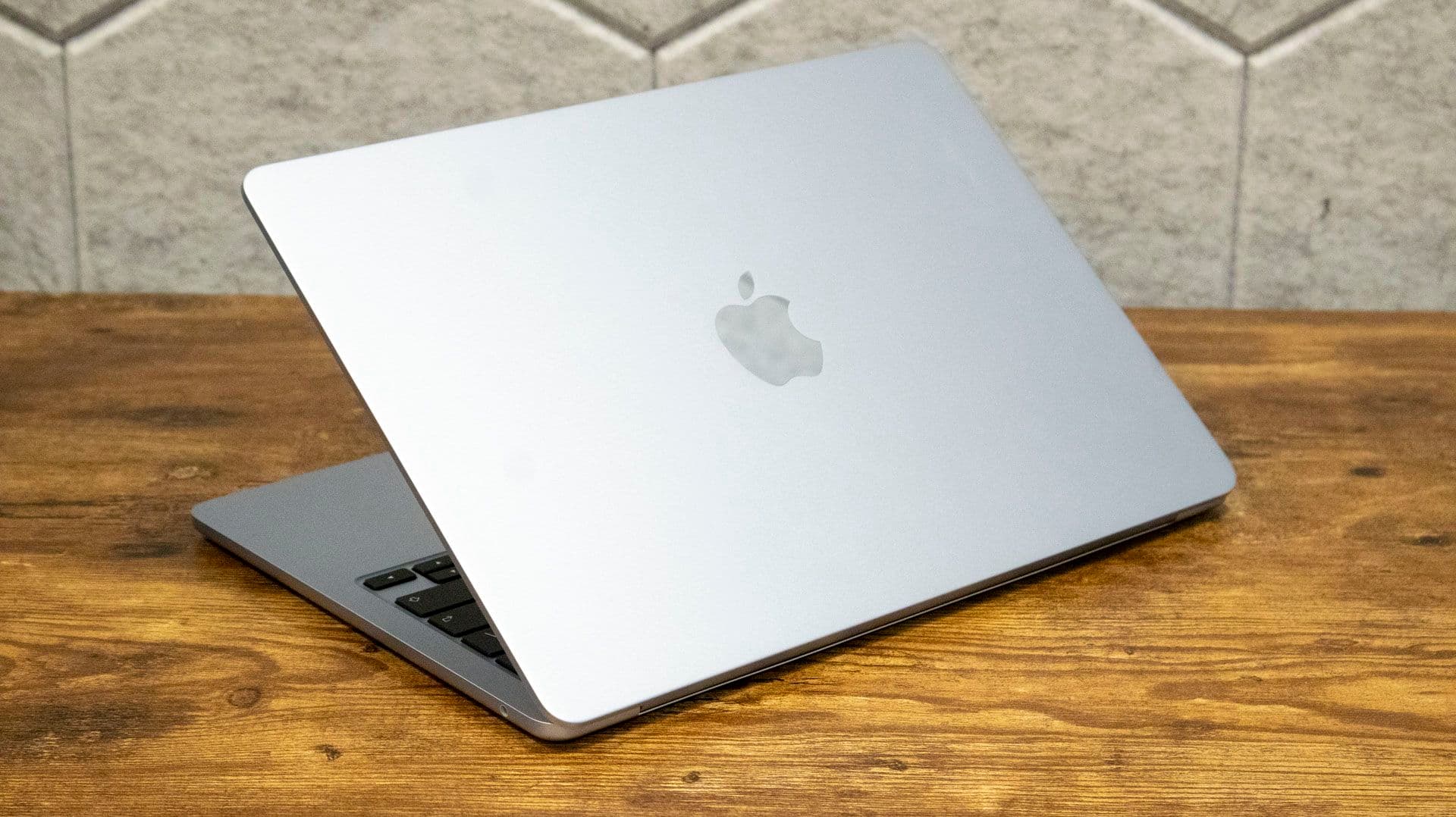
- Apple raised prices on all Macs and iPads, with the MacBook Pro jumping from $1,699 to $1,999
- Memory and storage cost spikes forced the unprecedented mid-cycle price hikes
- iPhones remain unaffected for now, but Apple warned more increases could follow
Apple raised prices across its entire Mac and iPad lineup on June 25, 2026, citing unprecedented memory and storage costs. The entry-level MacBook Pro now starts at $1,999, up $300 from $1,699. The Mac Studio M4 Max saw the steepest dollar increase, jumping $500 to $2,499.
This marks the first time Apple has implemented broad price hikes mid-product-cycle rather than introducing higher prices alongside new hardware. iPhones escaped the increases, at least for now.
How much did Apple raise prices?
Every current Mac and iPad model got more expensive. The increases range from $100 on the budget MacBook Neo to $500 on the Mac Studio. Here's the full breakdown:
| Device | Old Price | New Price | Increase |
|---|---|---|---|
| MacBook Neo | $599 | $699 | $100 |
| MacBook Air | $1,099 | $1,299 | $200 |
| MacBook Pro | $1,699 | $1,999 | $300 |
| Mac Studio M4 Max | $1,999 | $2,499 | $500 |
| iPad Air | $599 | $749 | $150 |
| iPad Pro | $999 | $1,199 | $200 |
The MacBook Pro increase is particularly notable. At $1,999, the entry-level model now crosses the psychological $2,000 barrier before tax. For buyers who stretched to afford the $1,699 configuration, that extra $300 represents a meaningful jump.
Why did Apple raise Mac and iPad prices now?
Bloomberg's Mark Gurman reported that surging memory and storage costs forced Apple's hand. An Apple spokesperson told Gurman the company had been absorbing these increases for months but could no longer hold the line.
“We know this is not welcome news, and we are working tirelessly to find solutions. We have shielded our customers from these increases so far, but we have now reached a point where we need to begin raising prices on a number of products.”
— Apple spokesperson to Bloomberg
The company claimed it had never seen component prices rise so high, so quickly. That's a striking admission from a firm with Apple's purchasing power and supplier relationships.
The RAM crisis has been building for months
This didn't come out of nowhere. Back in April, Tim Cook publicly warned that component shortages and price spikes showed no signs of easing. That statement followed Apple quietly discontinuing the $599 entry-level Mac Mini configuration.
Apple also tried to soften the blow on recent MacBook Air and MacBook Pro updates by bundling more RAM and storage at launch. The strategy bought time, but it couldn't last forever.
The broader memory market has been under severe pressure. AI data centers are consuming enormous quantities of DRAM and NAND flash, the same components that go into consumer devices. Samsung, SK Hynix, and Micron have shifted production toward high-bandwidth memory for AI chips, squeezing supply for standard memory modules.
Apple's vertical integration and massive buying power typically insulate it from these market swings. The company negotiates component contracts years in advance and often locks in favorable pricing. That those advantages weren't enough signals how severe the supply crunch has become.
What does this mean for iPhone prices?
iPhones escaped today's increases, but the spokesperson's phrasing was careful: the company needs to raise prices "on a number of products including today's increases." That leaves the door open for iPhone hikes down the road.
Apple has historically been more protective of iPhone pricing than Mac pricing. The iPhone generates the majority of Apple's revenue, and price sensitivity is higher in the smartphone market. But if memory costs don't stabilize, the iPhone's immunity may not last.
How buyers might respond
The timing creates an awkward situation. Anyone who held off buying a Mac or iPad is now facing higher prices with no new hardware to show for it. The devices are the same as last week; only the price tags changed.
Refurbished Macs through Apple's official store may see increased demand. So might older inventory at third-party retailers, though those stocks will dry up quickly. The secondary market for used Macs could also tighten as buyers look for alternatives.
For business buyers planning fleet refreshes, budgets set months ago are now insufficient. IT departments face the choice of buying fewer machines, delaying purchases, or requesting additional funding.
Logicity's Take
Apple admitting it can't absorb component costs is a bigger story than the price hikes themselves. This company built its brand on stable, predictable pricing. Today's move signals that even Apple's legendary supply chain leverage has limits when the entire memory industry pivots toward AI infrastructure. Watch for other PC makers to follow within weeks.
Frequently Asked Questions
Did Apple raise iPhone prices?
No. iPhone prices remained unchanged in the June 25, 2026 announcement. Apple only increased Mac and iPad prices, though the company's statement left open the possibility of future iPhone adjustments.
How much more expensive is the MacBook Pro now?
The entry-level MacBook Pro increased from $1,699 to $1,999, a $300 jump. This represents roughly an 18% price increase on Apple's most popular professional laptop.
Why is Apple raising prices mid-cycle?
Apple cited unprecedented memory and storage cost increases. The company said it had been absorbing higher component costs for months but could no longer shield customers from the price pressure.
Which Apple device had the largest price increase?
The Mac Studio M4 Max saw the largest dollar increase, jumping $500 from $1,999 to $2,499. In percentage terms, the iPad Air's $150 increase (from $599 to $749) represents a 25% hike.
Will Apple prices go back down?
Apple hasn't indicated when or if prices might decrease. The company stated it's working to find solutions but gave no timeline for relief.
With Apple hardware getting more expensive, free software alternatives become more valuable
Need Help Implementing This?
Planning a Mac fleet refresh and need to re-evaluate your hardware budget? Our consulting partners can help optimize your procurement strategy. Contact us at consulting@logicity.in for introductions.
Source: Latest from Tom's Hardware
Manaal Khan
Tech & Innovation Writer
Produced with AI assistance and reviewed by the Logicity editorial team. Learn more in our Editorial Policy.