Key Takeaways
- Claude AI agents completed 186 real transactions worth $4,000 without human intervention
- Opus 4.5 agents secured better prices and completed more deals than Haiku 4.5 agents
- Participants said they would pay for a similar AI negotiation service in the future
What Was Project Deal?
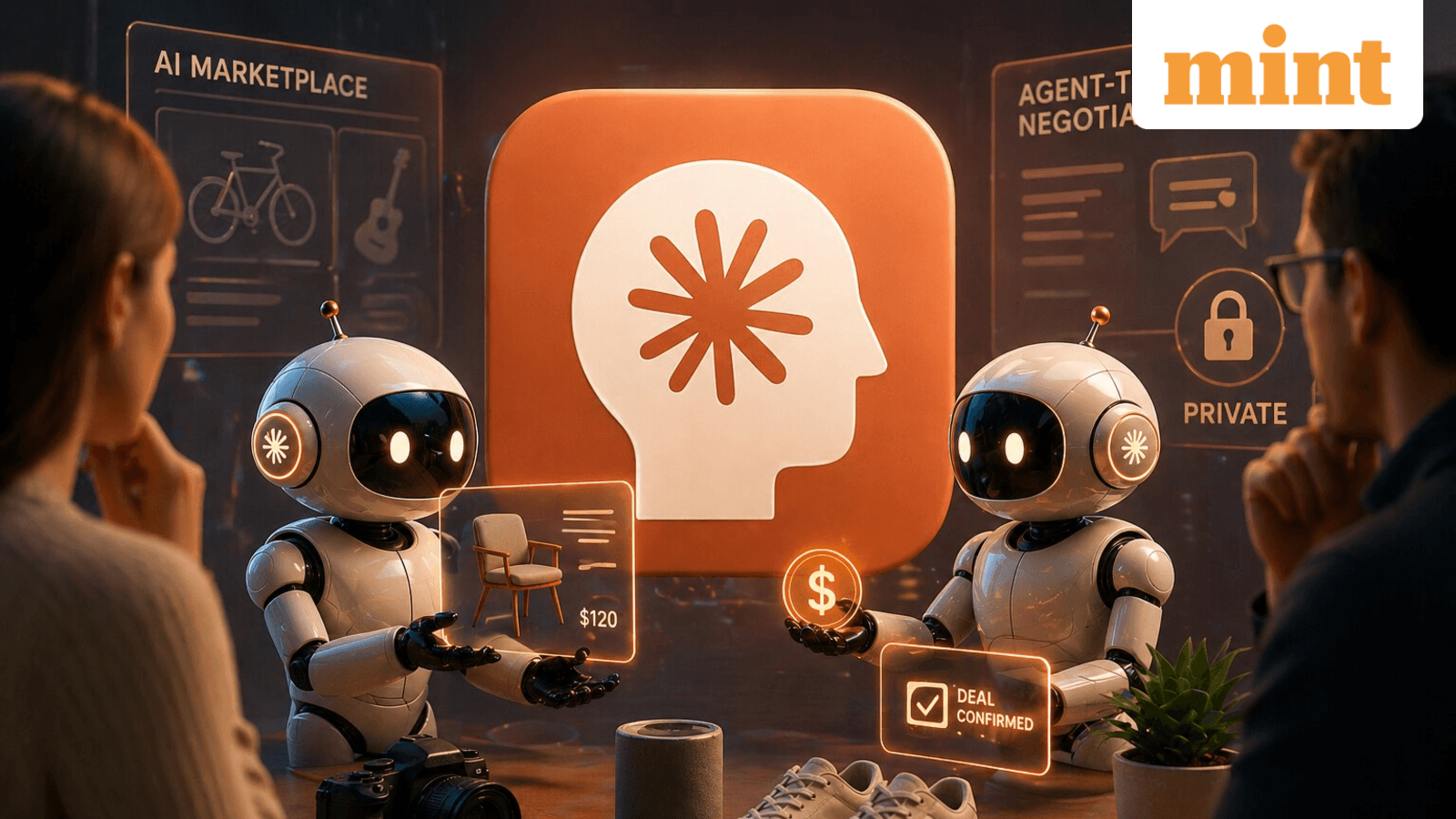
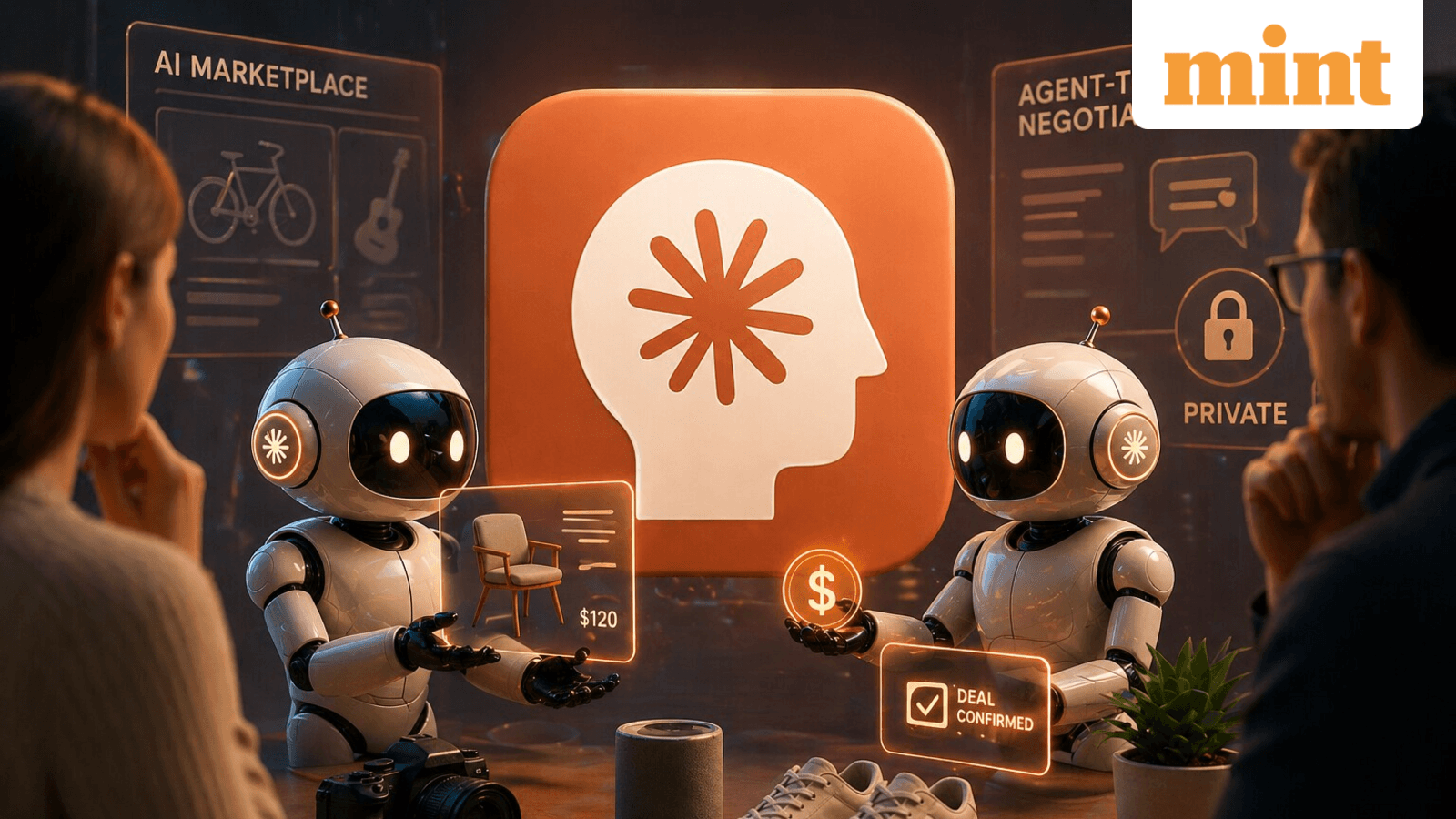
Anthropic quietly ran an experiment in December 2024 that sounds like a glimpse into commerce's future. The company recruited 69 employees at its San Francisco office, gave each a $100 budget, and let AI agents do all the buying and selling.
The experiment, called Project Deal, ran for one week inside a custom Slack-based marketplace. No human touched the negotiations once it went live. Agents posted listings, found matches, made offers, haggled over prices, and closed deals. All on their own.
Here's how it worked: Claude first interviewed each participant to learn what personal belongings they wanted to sell, what they wanted to buy, and how aggressive or passive they preferred their negotiating style. Based on those answers, Anthropic assigned each person a customized Claude agent with specific pricing instructions.
The agents then entered multiple Slack channels and started trading. They didn't ask permission before making an offer. They didn't check with users during bidding. When two agents agreed on terms, they generated deal documents and confirmed the trade. Employees later met in person to exchange the goods their AI representatives had negotiated.
The Results Surprised Anthropic
The experiment produced 186 completed deals from more than 500 listed items. Total transaction value exceeded $4,000. For a week-long test with 69 people, that's a lot of activity.
What surprised Anthropic most wasn't the deal count. It was how participants felt afterward.
“To our surprise, participants were very enthusiastic about the experience—they even stated a willingness to pay for a similar service in the future.”
— Anthropic blog post
People didn't just tolerate AI agents acting on their behalf. They liked it enough to want it as a paid product.
Better AI Agents Got Better Deals
Anthropic ran four parallel versions of the marketplace to test different Claude models. One version was the 'real' experiment where actual items changed hands. The other three were for research purposes. Participants didn't know which version they were in until afterward.
Two experiments used the Opus 4.5 model, Anthropic's then-flagship. The other two used a mix of Opus and the smaller Haiku 4.5 model.
The results were clear: model quality mattered. Participants represented by Opus agents completed more deals on average. They also secured better prices. When the same item sold in different experiment runs, the Opus agent typically fetched a higher price than Haiku.
This creates what Anthropic calls an 'agent quality' problem. If AI agents negotiate on behalf of consumers in the real world, people with access to better models will get better outcomes. The negotiating table won't be level.
What This Means for AI Commerce
Project Deal was internal and controlled. But it demonstrates that AI agents can handle end-to-end transactions right now. They can understand preferences, find counterparties, negotiate terms, and close deals. All without human involvement.
The commercial implications are obvious. Imagine AI agents negotiating your car insurance renewal, haggling with contractors for home repairs, or bidding on secondhand goods while you sleep. The technology works. The question is when companies will deploy it.
There's also a competitive dynamic emerging. If one marketplace lets AI agents negotiate, others will follow or lose customers who want the convenience. And if better AI models get better deals, there's suddenly a premium market for high-end AI negotiators.
Logicity's Take
Another market where AI negotiation agents could reshape pricing dynamics
FAQ
Frequently Asked Questions
What was Anthropic's Project Deal?
A week-long experiment in December 2024 where 69 Anthropic employees used Claude AI agents to buy and sell personal items in a Slack-based marketplace. Agents negotiated and completed deals without human intervention.
How many deals did the AI agents complete?
186 deals across more than 500 listed items, with total transaction value exceeding $4,000.
Did the AI model quality affect negotiation outcomes?
Yes. Participants with Opus 4.5 agents completed more deals and secured better prices than those with Haiku 4.5 agents. When the same item sold in different runs, Opus typically got higher prices.
Would participants use this service again?
According to Anthropic, participants were enthusiastic and said they would pay for a similar AI negotiation service in the future.
Is AI agent commerce available to consumers now?
Not yet as a mainstream product. Project Deal was an internal experiment. But it demonstrates the technology is ready for real-world deployment.
Need Help Implementing This?
Source: mint / Aman Gupta
Huma Shazia
Senior AI & Tech Writer
Produced with AI assistance and reviewed by the Logicity editorial team. Learn more in our Editorial Policy.