Key Takeaways
- Anthropic leased SpaceX's entire Colossus 1 data center with 220,000+ GPUs and 300 MW capacity
- The mixed-architecture design made Colossus 1 inefficient for training Grok, pushing Musk toward a Blackwell-only Colossus 2
- Claude users will see higher API limits, removed peak-hour throttling, and increased Claude Code capacity
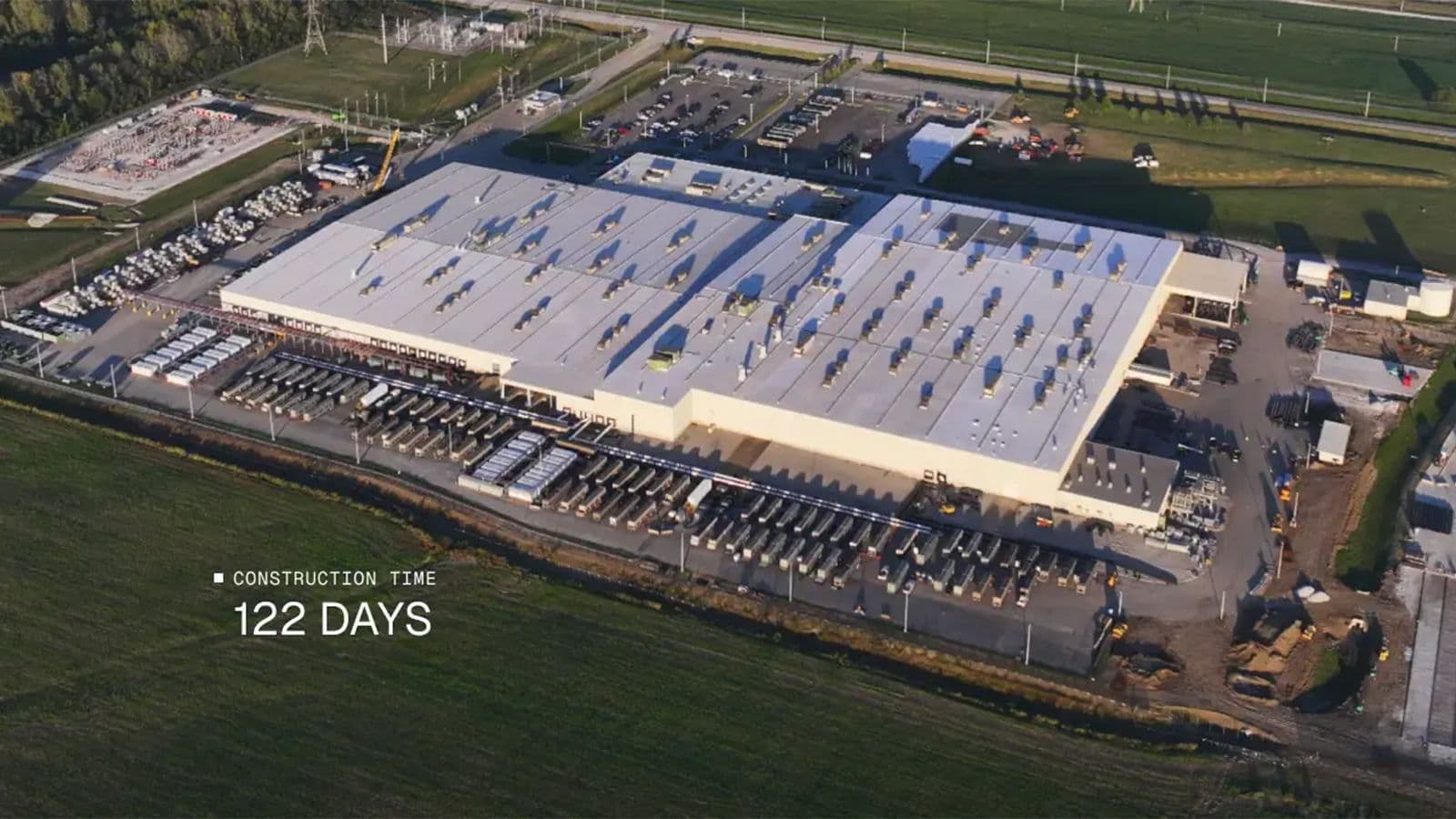
Last week, Anthropic announced it had struck a deal with SpaceX to lease all of SpaceX's Colossus 1 data center. The facility houses over 220,000 GPUs and 30 megawatts of compute capacity. The full lease covers 300 MW of AI supercluster capacity.
The deal raises an obvious question: why would Musk hand one of xAI's most aggressively promoted AI assets to a direct competitor? The answer lies in architecture problems and a potential IPO strategy.
Mixed Architecture Made Colossus 1 Inefficient for Training
Colossus 1's mixed-architecture design, which combines different types of GPUs, proved inefficient for training Grok. The lack of uniformity creates bottlenecks when running large-scale training workloads that need consistent performance across thousands of accelerators.
Training frontier AI models requires synchronized computation across massive GPU clusters. Mixed hardware means some processors wait for slower ones to catch up. For inference workloads, where you're running a trained model rather than building one, this matters less.
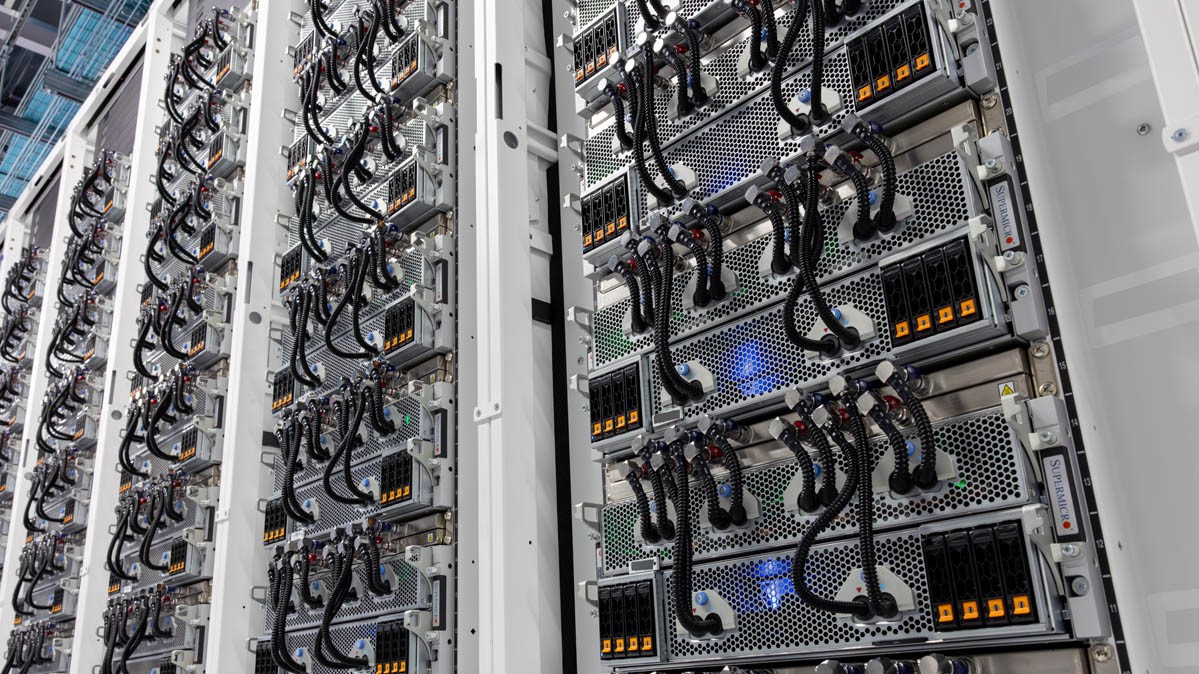
Musk is already preparing Colossus 2, a unified Blackwell-only system designed specifically for frontier training. With SpaceX's IPO approaching, leasing out Colossus 1 generates revenue from an asset that wasn't serving its original purpose.
Anthropic Hit the Compute Wall
The deal also reveals how badly Anthropic needed more inference capacity. The company says it needs the entire 300 MW supercluster just to improve the experience of using Claude.
Signs of strain appeared months ago. Free users complained about rapidly exhausting tokens. Paid Pro, Max, Team, and Enterprise customers hit message caps, peak-hour throttling, API rate limits, and strict time-based ceilings on Claude Code sessions.
While training an AI model is an expensive one-time undertaking, serving that model creates continuous, round-the-clock compute demand. Every new user and every new query adds load. Inference scales linearly with usage in ways training does not.
What Changes for Claude Users
Anthropic says the new capacity will address long-standing bottlenecks across Claude's paid ecosystem. Specific improvements include:
- Significantly higher Claude Code limits
- Removal of peak-hour throttling for Pro and Max subscribers
- Substantially increased API request limits for Claude Opus models
- Better capacity for enterprise customers and developers
The partnership marks a complete turnaround from Musk's earlier stance on Anthropic. But business realities won: Musk had an underutilized asset, Anthropic had a capacity crisis, and both sides found a deal that works.
The Broader Data Center Crunch
Anthropic is also pursuing massive gigawatt deals with Amazon, Google, Microsoft, and Nvidia for long-term capacity. But modern hyperscale AI data centers cost tens of billions of dollars and take years to build.
Utilities struggle to supply enough electricity for AI projects. Land, transformers, cooling infrastructure, and high-end GPUs remain constrained. Leasing existing capacity from Colossus 1 solves Anthropic's immediate problem while the company builds for the future.
Logicity's Take
Frequently Asked Questions
Why did Musk lease Colossus 1 to Anthropic?
Colossus 1's mixed GPU architecture made it inefficient for training Grok. Rather than let the asset sit underutilized, Musk leased it to Anthropic for inference workloads where mixed hardware matters less.
What is Colossus 2?
Colossus 2 is xAI's upcoming AI supercomputer that will use a unified Blackwell-only architecture. This design is optimized for frontier model training, unlike the mixed-architecture Colossus 1.
How will this affect Claude users?
Anthropic says users will see higher Claude Code limits, removed peak-hour throttling for Pro and Max subscribers, and increased API request limits for Claude Opus models.
How many GPUs does Colossus 1 have?
Colossus 1 contains over 220,000 GPUs with 300 MW of total compute capacity, all of which Anthropic has leased.
Need Help Implementing This?
Source: Latest from Tom's Hardware
Growth Metrics and Claude Code Strategy
The article includes exclusive insights from Cat Wu, Anthropic’s head of product for Claude Code, regarding the company's 'lean' product strategy and the introduction of new features for Managed Agents. It also provides a specific 80x growth statistic from CEO Dario Amodei to explain the recent compute crunch and confirms a doubling of usage limits specifically for Pro and Max subscribers.
Internal Productivity and AI-Driven Development
Anthropic CFO Krishna Rao revealed that over 90% of the company's internal code is now generated by Claude Code. He also detailed how the finance team utilizes over 70 specialized AI workflows to reduce reporting times from hours to minutes and noted that hiring is accelerating despite these automation gains.
Anthropic Launches Project Glasswing with Verizon to Test Security-Focused 'Mythos' Model
Anthropic has launched 'Project Glasswing,' a collaboration with global security leaders including Verizon to test a specialized model called 'Claude Mythos Preview.' This model is specifically engineered to identify and contain complex software vulnerabilities in critical infrastructure at unprecedented speeds.
Manaal Khan
Tech & Innovation Writer
Produced with AI assistance and reviewed by the Logicity editorial team. Learn more in our Editorial Policy.