Key Takeaways
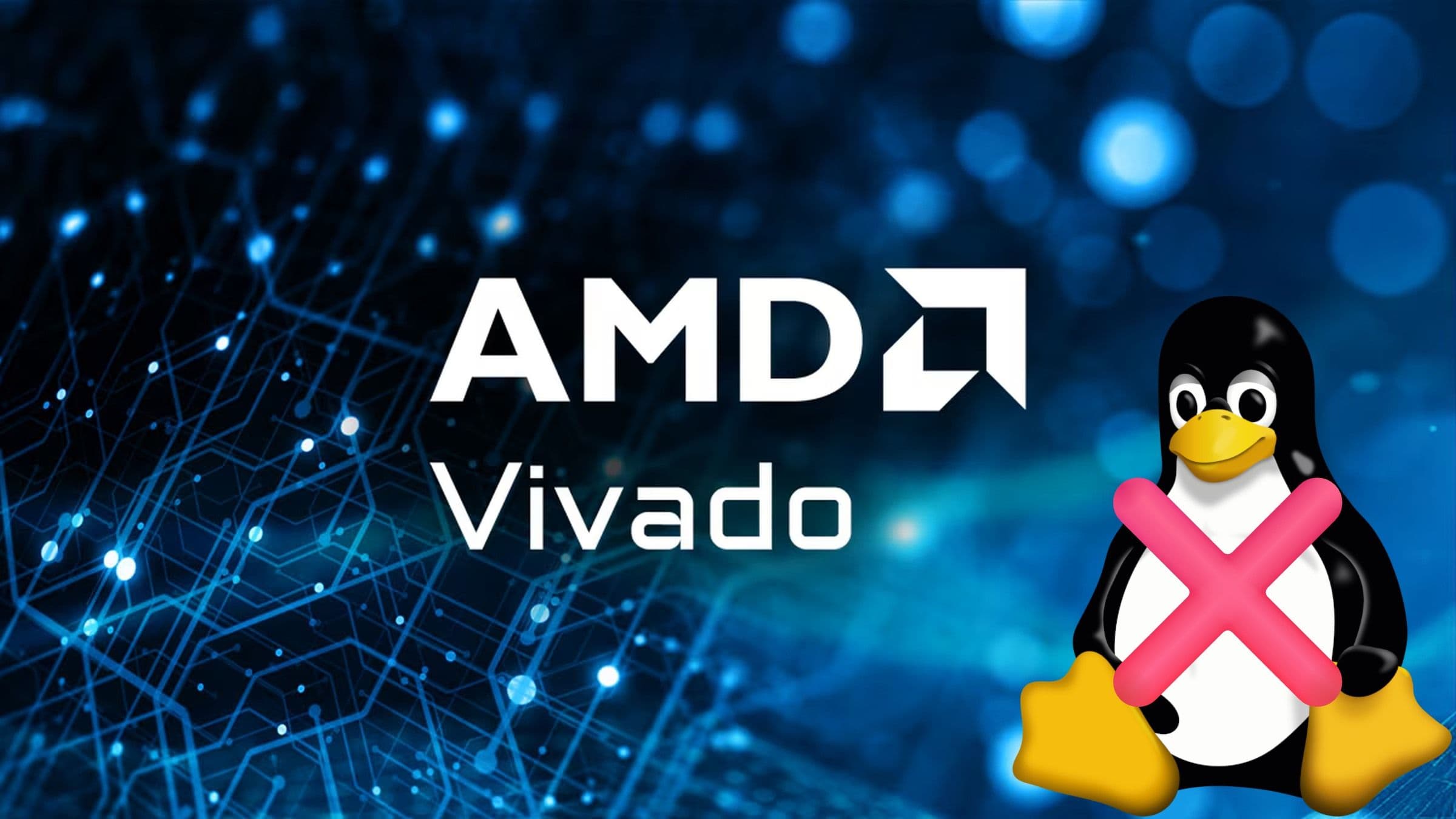
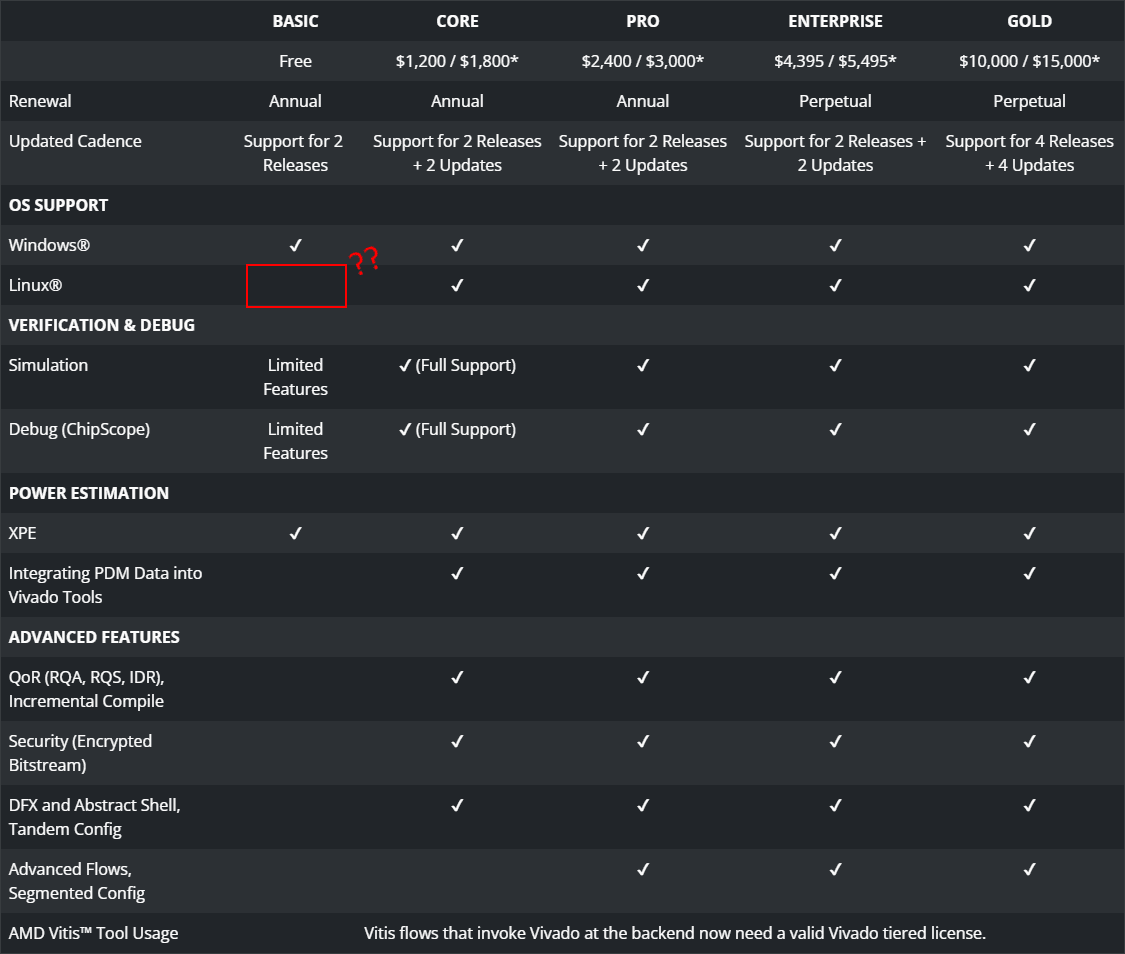
- AMD's free Vivado tier will be Windows-only starting with version 2026.1
- Linux users must pay $1,200-$1,800 annually for the Core tier or stay on legacy versions
- Community backlash has users discussing migration to competitors like Lattice and Altera
What Changed in AMD's Vivado Licensing
AMD has announced a licensing overhaul for Vivado, its proprietary design suite for programming Field Programmable Gate Arrays (FPGAs). The change takes effect with the 2026.1 update and fundamentally alters who can use the software for free.
Previously, the free "Standard" tier supported both Windows and Linux. Under the new tiered model, the free "Basic" tier is restricted entirely to Windows. Linux users who want native support must upgrade to the "Core" tier, which costs between $1,200 and $1,800 per year.
For context, FPGAs are specialized chips that can be reprogrammed via software to mimic nearly any kind of computer hardware. They're essential for simulations, design testing, and prototyping in fields like AI development, aerospace engineering, and advanced electronics. Vivado is the primary tool for programming AMD's (formerly Xilinx's) FPGA products.
AMD's Defense Falls Flat
AMD responded to criticism on its community forums, but the explanation did little to calm frustrated users. The company claimed that 70% of Vivado users are on Windows anyway, framing the change as aligned with user behavior.
The argument essentially tells Linux users they can keep using old versions. But those versions will become unsupported, missing security patches, new chip support, and bug fixes. It's a non-answer that shifts the burden entirely onto users.
Who Gets Hurt
The change hits three groups hardest: academic researchers, engineering students, and open-source hobbyists. All three tend to favor Linux environments and rely on free tools to learn FPGA development.
“I guess no one involved in this decision thought about the millions of hobbyists and amateurs like myself using Vivado for their hobby projects.”
— Vivado user on AMD forums
The irony isn't lost on critics. Linux dominates the AI and data center sectors, both key markets where AMD competes aggressively with its FPGA products. Restricting Linux access to professional tools while courting Linux-heavy enterprise customers creates an obvious contradiction.
Users Explore Alternatives
Community discussions on Reddit and Slashdot show users actively exploring escape routes. Competitors like Lattice Semiconductor and Altera (Intel's FPGA division) are getting fresh attention. Some developers are investing time in open-source FPGA toolchains like Yosys and nextpnr to avoid vendor lock-in entirely.
AMD's forum representative acknowledged the backlash, stating they were "collecting all the feedback received and passing on to the relevant team/marketing." This leaves open the possibility of a policy reversal, but no concrete changes have been announced.
The Bait-and-Switch Pattern
Critics call this a classic bait-and-switch. AMD acquired Xilinx in 2022 and inherited a user base that had grown accustomed to free Linux support. Now, years later, those users face a paywall for functionality they've relied on.
The pattern is familiar in enterprise software. Attract users with generous free tiers, build dependency, then monetize. It's legal but erodes trust, particularly among the technical communities that often serve as unpaid evangelists for development tools.

Logicity's Take
Frequently Asked Questions
Can I still use Vivado for free on Linux?
Yes, but only versions prior to 2026.1. These will eventually become unsupported and won't receive security updates or support for newer AMD FPGAs.
How much does Vivado cost for Linux users now?
The Core tier, which includes Linux support, costs between $1,200 and $1,800 per year depending on the subscription terms.
What are the alternatives to AMD Vivado?
Users are exploring Lattice Semiconductor and Altera (Intel) tools, as well as open-source toolchains like Yosys and nextpnr for compatible FPGAs.
Why did AMD restrict Linux support?
AMD claims 70% of Vivado users are on Windows. The company hasn't provided additional justification for the change.
Will AMD reverse this decision?
AMD says it's collecting feedback, leaving the door open for changes. No reversal has been announced as of now.
Need Help Implementing This?
Source: Latest from Tom's Hardware
Huma Shazia
Senior AI & Tech Writer
Produced with AI assistance and reviewed by the Logicity editorial team. Learn more in our Editorial Policy.