Key Takeaways
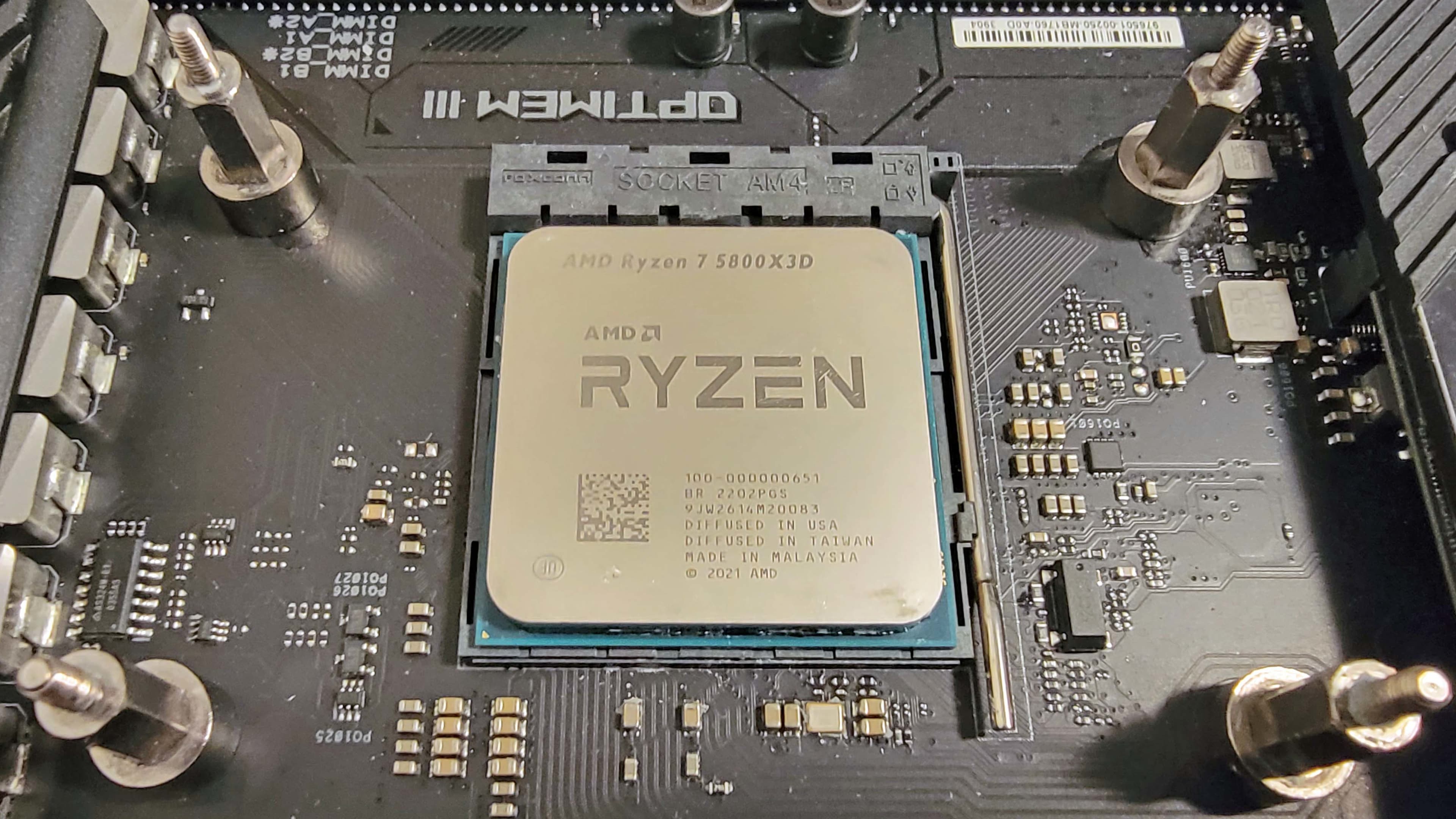
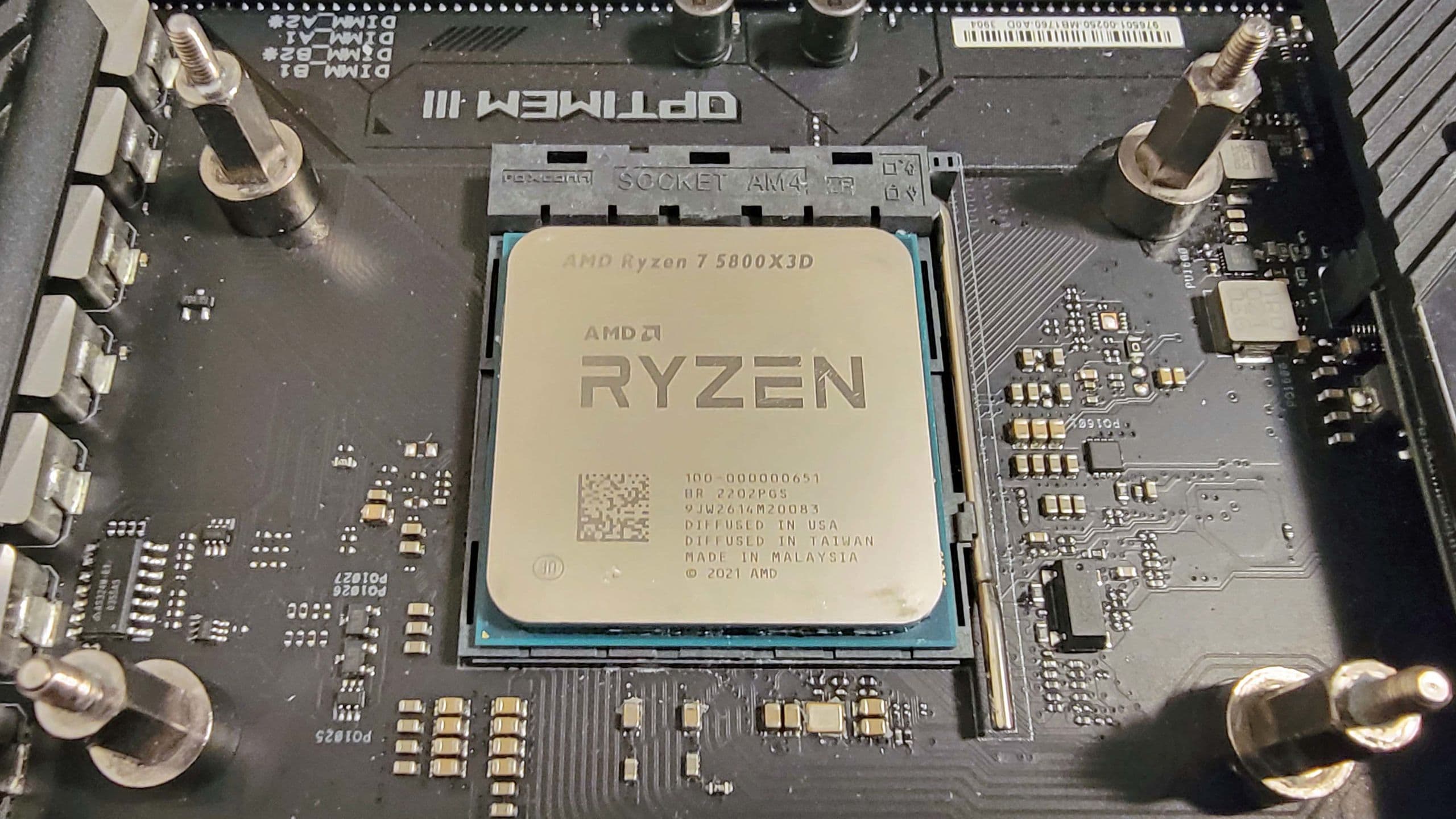
- AMD had to re-engineer the Ryzen 7 5800X3D because TSMC's original 3D V-Cache bonding process is no longer available
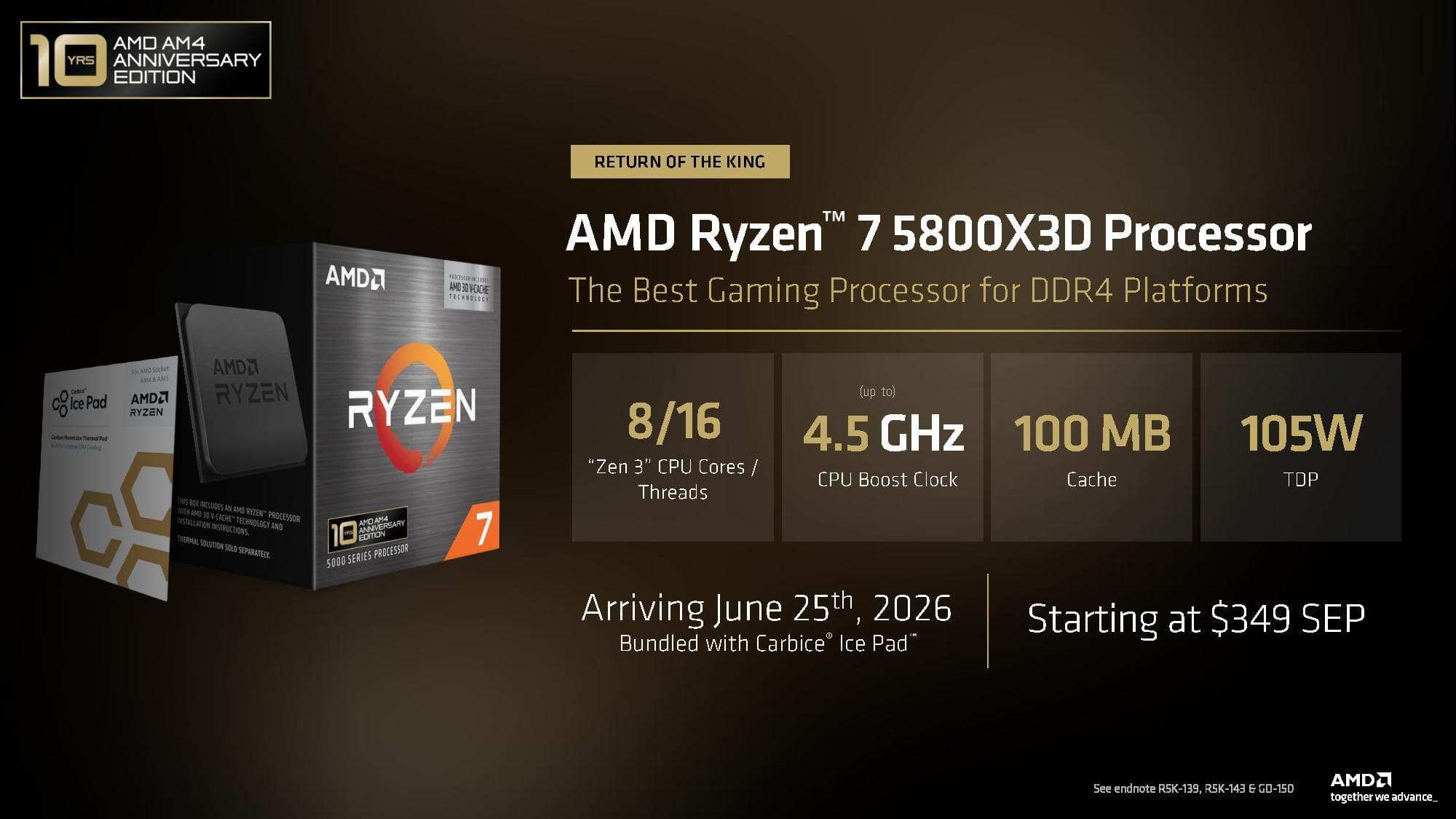
- The new Anniversary Edition launches at $349, about $100 less than the original 2022 price
- This move gives AM4 users a cost-effective upgrade path while avoiding expensive DDR5 memory
When AMD announced the Ryzen 7 5800X3D Anniversary Edition at Computex 2026, it looked like a simple product revival. Dust off the old files, spin up a production run, ship it out. Turns out, it was anything but simple.
David McAfee, AMD's VP and general manager of Radeon and Ryzen, revealed that the company had to completely re-engineer the chip. The reason? TSMC's original manufacturing process for the 3D V-Cache no longer exists.
“It's not as simple as just bringing back the 5800X3D. The original stacking process that was used at TSMC changed when we went from first-gen to second-gen cache, so we had to re-engineer that product, and there actually was a fair amount of development that went into bringing back the 5800X3D.”
— David McAfee, VP and GM of Radeon and Ryzen at AMD
Why TSMC's Old Process Matters
The original Ryzen 7 5800X3D used TSMC's SoIC (System-on-Integrated-Chips) hybrid bonding technology. This process combines "hot" and "cold" bonding to marry two pieces of silicon together. The chips share power through through-silicon vias (TSV).
When AMD moved to Ryzen 7000 series, it made changes to the 3D V-Cache design. Those changes carried forward to Ryzen 9000. The first-generation bonding facility essentially went offline.
McAfee explained that this "completely changed the characteristics of how those two pieces of silicon are bonded together and how they were stacked together." AMD's engineering team had to determine whether they could even migrate the 5800X3D to the newer second-generation stacking process.
This Explains the Long Absence
The Ryzen 7 5800X3D has been nearly impossible to find for two years. Availability was spotty at best, and the chip eventually sold out completely. Now we know why AMD couldn't just order more units.
McAfee hinted that AMD may have wanted to bring back the chip sooner but stopped short of confirming that directly. The engineering validation work took time. You can't just swap manufacturing processes and hope for the best when two pieces of silicon need to work together flawlessly.
Why This Matters for AM4 Owners
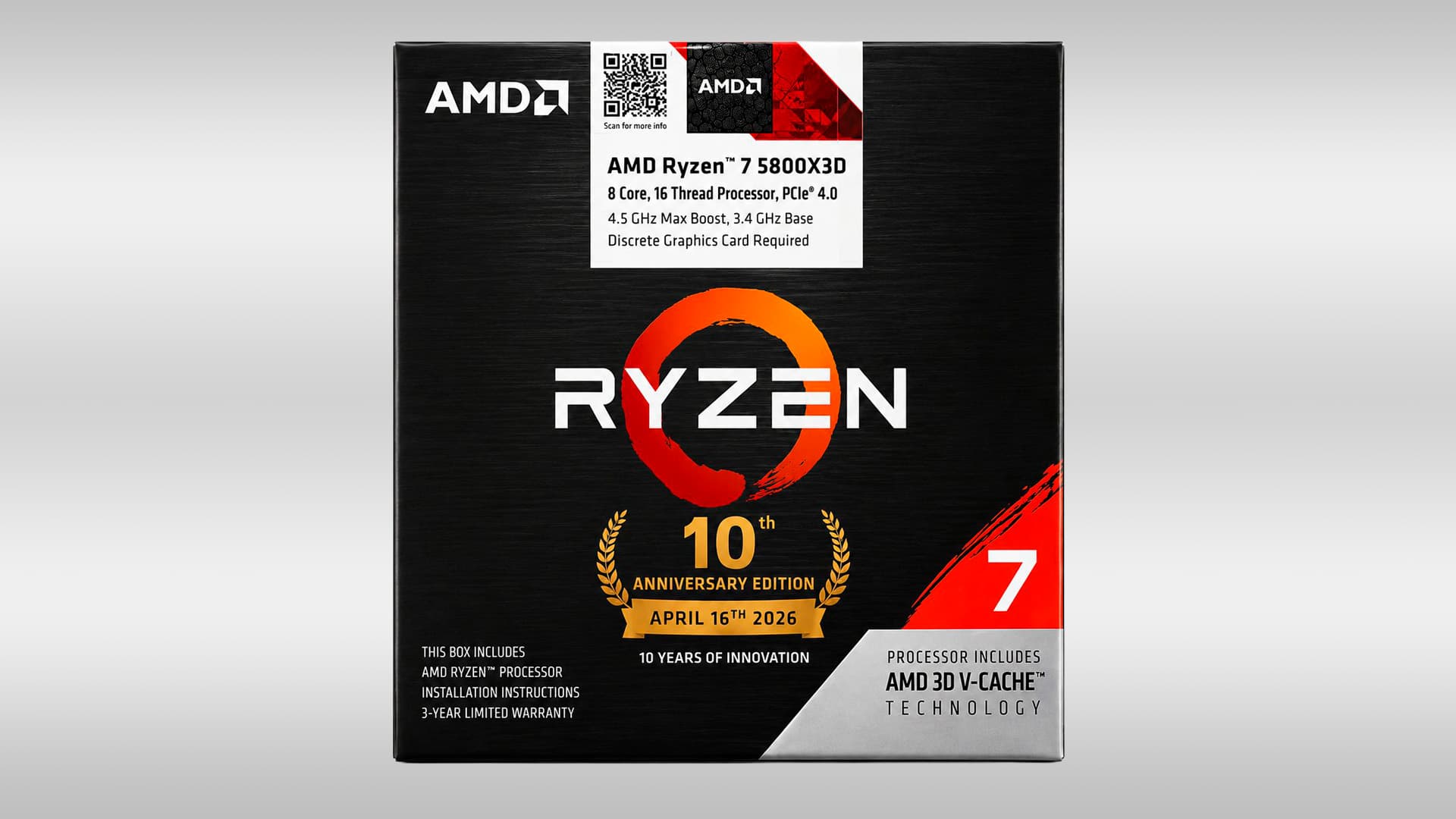
AMD is celebrating 10 years of the AM4 platform (2016-2026) with this re-release. The timing makes sense beyond nostalgia. DDR5 memory prices remain elevated due to AI-sector demand. Gamers who already own AM4 motherboards face a tough choice: pay the DDR5 premium for a new platform or stick with what they have.
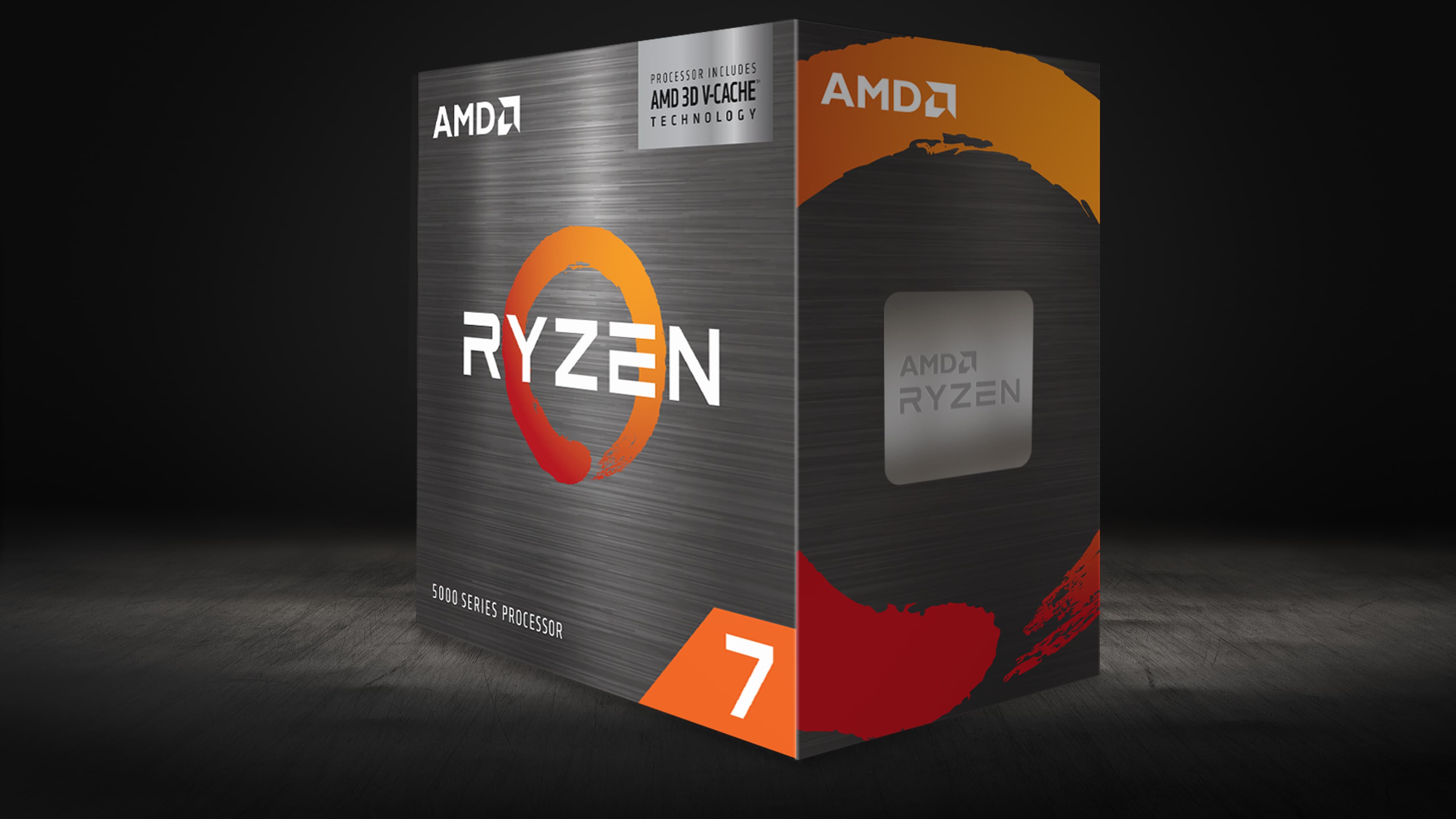
The 5800X3D offers a third option. With 96MB of 3D V-Cache, it remains competitive in modern gaming. Cache-sensitive titles see significant performance gains. And at $349, it costs less than the platform transition alone.
A Note on "Second-Gen" Confusion
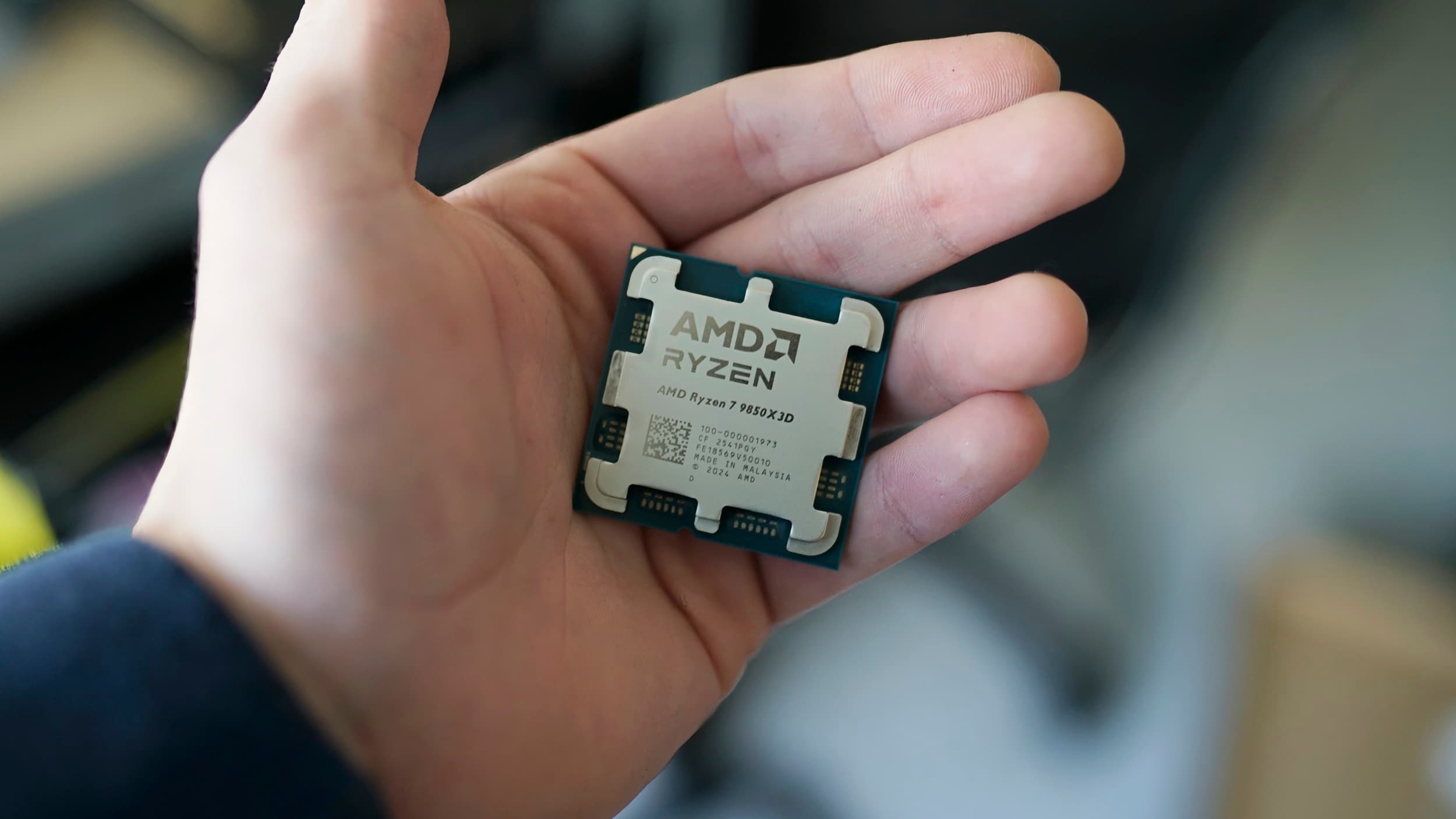
AMD's terminology can get confusing here. When McAfee talks about "second-gen" 3D V-Cache, he means the bonding process used at TSMC. He's not talking about AMD's newer packaging approach on Zen 5 CPUs, where the SRAM sits under the CCD rather than on top.
The Zen 4 and Zen 3 X3D chips all place cache on top of the compute die. The difference is in how TSMC bonds those two pieces together at the manufacturing level.
Community Response
The re-release has been met with enthusiasm. On Reddit's r/AMD community, users are celebrating continued support for the AM4 socket well past its expected end-of-life. Many had written off any chance of getting the chip.
Technical communities like HackerNews focused on the supply chain challenge. The fact that AMD had to re-validate the chip due to deprecated manufacturing processes drew praise. It's not often a company puts this level of effort into legacy hardware.

Logicity's Take
Frequently Asked Questions
Why was the Ryzen 7 5800X3D unavailable for so long?
TSMC's original bonding process for the 3D V-Cache went offline when AMD moved to second-generation stacking. AMD had to re-engineer the chip to work with the newer manufacturing process.
How much does the Ryzen 7 5800X3D Anniversary Edition cost?
The new Anniversary Edition has an MSRP of $349, approximately $100 less than the original 2022 launch price.
Is the Ryzen 7 5800X3D still good for gaming in 2026?
Yes. The 96MB of 3D V-Cache keeps it competitive in modern gaming titles, especially those that are cache-sensitive. It offers strong performance without requiring a costly DDR5 platform upgrade.
Will the Ryzen 7 5700X3D also return?
AMD has indicated plans for the 5700X3D as well, though specific timing and pricing details have not been announced.
Need Help Implementing This?
Source: Latest from Tom's Hardware
Manaal Khan
Tech & Innovation Writer
Produced with AI assistance and reviewed by the Logicity editorial team. Learn more in our Editorial Policy.