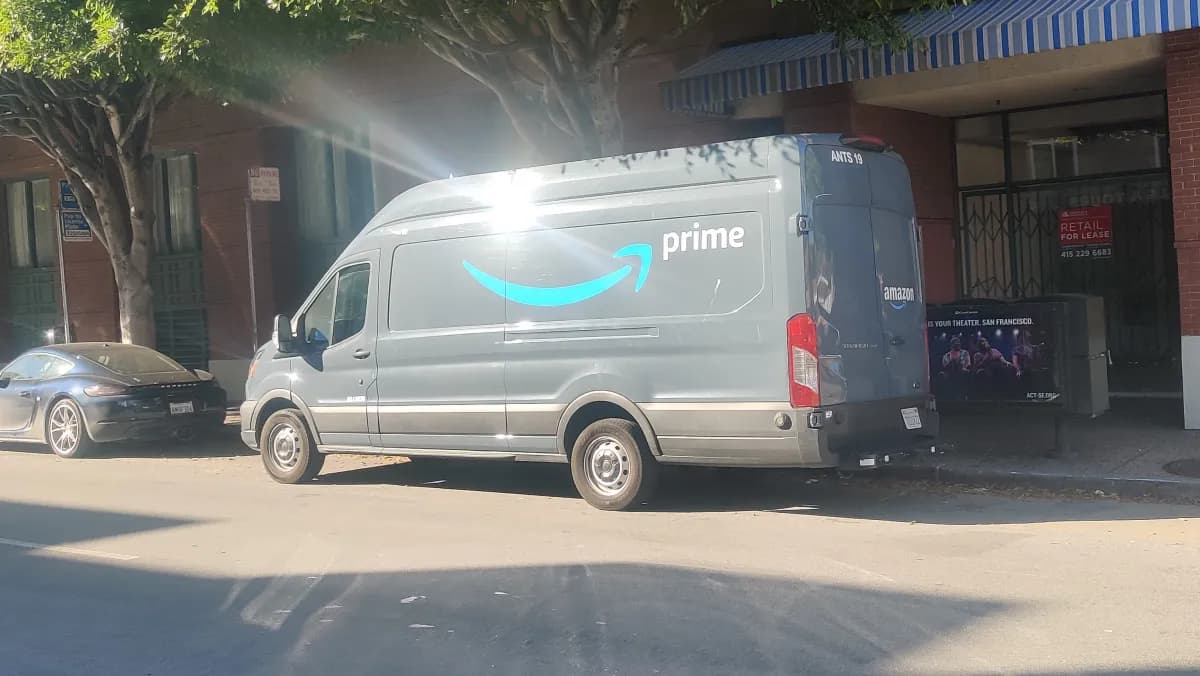
Amazon has introduced a 3.5% fuel surcharge for sellers using its distribution network, citing rising transportation costs due to global energy market fluctuations. This move is expected to significantly impact merchants relying on Amazon's Fulfillment by Amazon service. As the e-commerce giant navigates the challenges of a volatile energy market, sellers are left to wonder what this means for their bottom line.
Key Takeaways
- Amazon has introduced a 3.5% fuel surcharge for sellers using its distribution network
- The surcharge is due to rising transportation costs caused by global energy market fluctuations
- The move is expected to significantly impact merchants relying on Amazon's Fulfillment by Amazon service
In This Article
- The Fuel Surcharge: What's Behind It?
- Amazon's Response: A Necessary Measure?
- What Amazon Is Saying
- The Impact on Sellers: What to Expect
- The Bigger Picture: What This Means for E-commerce
- Looking Ahead: What's Next for Amazon and Sellers
The Fuel Surcharge: What's Behind It?
In a move that's sending shockwaves through the e-commerce world, Amazon has introduced a fuel surcharge for sellers using its distribution network. But what's driving this decision? The answer lies in the current state of global energy markets.
- Global energy markets are experiencing significant fluctuations due to the ongoing conflict in Iran
- As a result, transportation costs are on the rise, affecting companies like Amazon that rely heavily on logistics and distribution
Amazon's Response: A Necessary Measure?
According to Amazon, the fuel surcharge is a necessary measure to partially recover the increased costs of operating in a volatile energy market. But how does this impact sellers, and is it a fair move?
- Amazon claims the surcharge is 'meaningfully lower than surcharges applied by other major carriers'
- The company will continue to evaluate and adjust the policy as market conditions evolve
What Amazon Is Saying
In a statement, Amazon explained the reasoning behind the fuel surcharge. Here's what they had to say:
- Elevated costs in fuel and logistics have increased the cost of operating across the industry
The Impact on Sellers: What to Expect
So, what does this mean for sellers who rely on Amazon's Fulfillment by Amazon service? The answer is complex, and it's likely to vary depending on individual circumstances.
- The surcharge could result in significant new costs for merchants, potentially affecting their profit margins
- Sellers may need to adjust their pricing strategies or explore alternative distribution options
The Bigger Picture: What This Means for E-commerce
The fuel surcharge is not just a minor adjustment; it reflects a broader shift in the e-commerce landscape. As companies navigate the challenges of a volatile energy market, we can expect to see more changes in the way they operate.
- The surcharge is a response to global energy market fluctuations, which are likely to continue in the near future
- E-commerce companies will need to adapt to these changes, potentially leading to innovations in logistics and distribution
Looking Ahead: What's Next for Amazon and Sellers
As the e-commerce world adjusts to the new fuel surcharge, it's essential to consider what the future holds. Will this move mark a turning point for Amazon and its sellers, or is it just a minor blip on the radar?
- Amazon will continue to evaluate and adjust the policy as market conditions evolve
- Sellers will need to stay agile and adapt to changes in the e-commerce landscape
“Elevated costs in fuel and logistics have increased the cost of operating across the industry”
— Amazon Spokesperson
Final Thoughts
As Amazon navigates the challenges of a volatile energy market, the introduction of a fuel surcharge marks a significant shift in the e-commerce landscape. While it's unclear what the future holds, one thing is certain: sellers will need to adapt to these changes and find ways to thrive in a rapidly evolving market.
Sources & Credits
Originally reported by TechCrunch — Lucas Ropek
Huma Shazia
Senior AI & Tech Writer
Produced with AI assistance and reviewed by the Logicity editorial team. Learn more in our Editorial Policy.