Key Takeaways
- 87% of US campaign strategists now use AI daily, embedding it into voter targeting, content creation, and opposition research
- EU regulations require explicit consent for political targeting and mandatory labeling of AI-generated campaign content by August 2026
- Republicans and Democrats both use AI extensively but face different internal pressures, with GOP strategists encountering less pushback
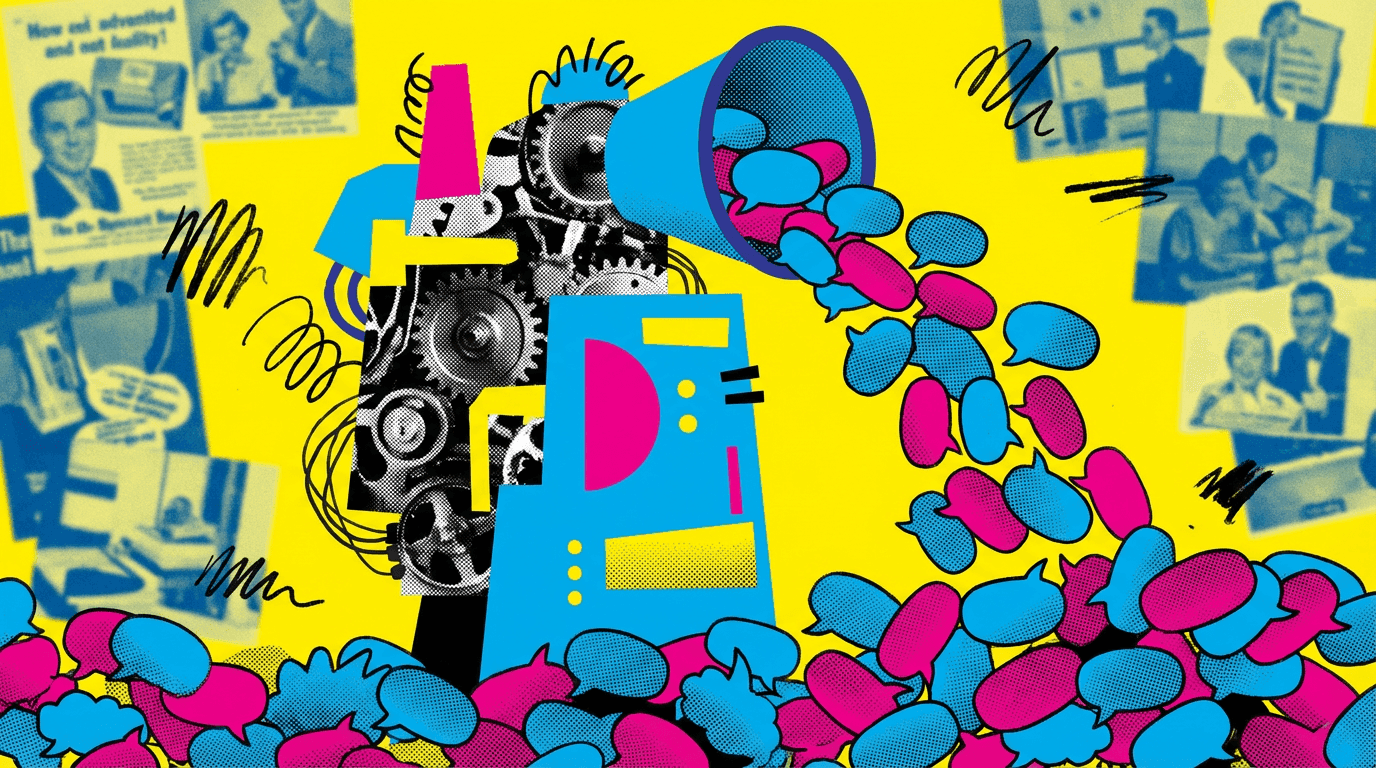
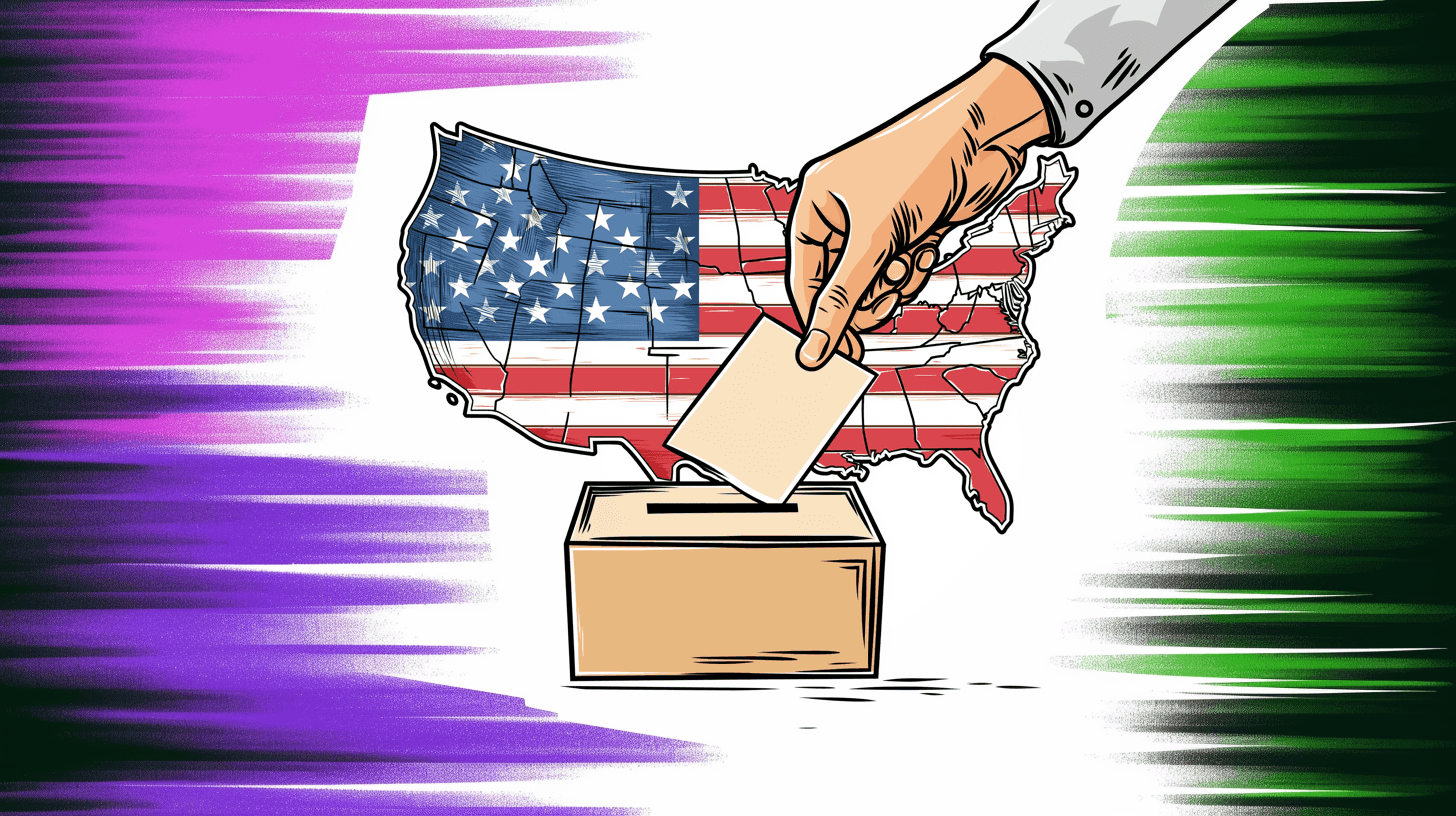
American political campaigns have embedded AI into nearly every operation, from opposition research to voter micro-targeting, according to a New York Times investigation. A survey by the newsletter Anchor Change found 87% of campaign strategists now use AI daily. The EU, meanwhile, has gone the opposite direction: mandatory labeling, explicit consent requirements, and restrictions on targeting voters using sensitive data.
How campaigns actually use AI
The visible layer is AI-generated images and videos. The deeper layer is infrastructure. Campaign managers analyze voter data, produce materials, and craft messages tailored to micro-segments of the electorate. When a 29-year-old voter in Pennsylvania's 10th Congressional District told Democratic canvassers he thought AI was "terrible," his comments were processed by an AI-powered app that synthesizes hundreds of similar conversations.
"Everything a person is saying is a data point," Violet Kopp, organizing director at Swing Left, told the New York Times. The Democratic opposition research group American Bridge 21st Century used AI to vet roughly 250 Republican candidates in one cycle.
The scale matters for product teams building AI tools. Campaign operations represent a testbed for real-time sentiment analysis, document processing at scale, and personalization engines that adapt messaging on the fly. These same capabilities power customer segmentation in CRMs like HubSpot and Salesforce, where political campaigns have become early adopters of enterprise AI features.
Disclosure
Some links in this post are affiliate links — Logicity earns a commission if you sign up, at no extra cost to you. We only link products we have used or actively recommend.
Republicans and Democrats play by different rules
Both parties use AI extensively, but they face asymmetric internal pressures. Polls show Democratic voters are more skeptical of the technology. Progressive groups report angry emails about AI use. Unionized staffers worry about job displacement. Republican strategists face less pushback from their base.
“If voters don't like A.I., they don't want to know that their candidate's campaign is using A.I. to do stuff like draft emails or create press releases or edit videos. So you're just not going to see people bragging about it. But it is happening.”
— Eric Wilson, Republican strategist and director of the Center for Campaign Innovation
The parties also differ on ethical boundaries. Wilson considers AI-generated videos of opponents acceptable as long as they reflect real statements. The National Democratic Training Committee rejects such content outright, arguing it "undermines democratic discourse and voter trust."
Structural differences compound the gap. Republicans lean on privately funded AI companies. Democrats prefer nonprofit models. That hesitation could slow adoption and cost Democrats in tight races. The November midterms are widely viewed as a test run for AI strategies that will shape the 2028 presidential campaign.
Europe's regulatory approach
The EU has taken a fundamentally different position. Since October 2025, political ads across the EU must be clearly labeled with disclosure of who paid for them, which election they target, and how much was spent. Political targeting requires explicit, separate consent. Sensitive data like political views or ethnic background cannot be used for profiling.
The AI Act adds another layer. Transparency requirements for generative AI take effect August 2, 2026. After that date, deepfakes and AI-generated or AI-manipulated texts on topics of public interest must be clearly labeled. The European Commission published a voluntary code of practice for labeling AI-generated content in June 2026.
Germany's 2025 federal election showed what this looks like in practice, at smaller scale. The CDU in North Rhine-Westphalia deployed an AI bot called "Conrad" to help staffers draft press releases and social media posts. The SPD, Greens, and Left Party used AI as a writing aid. The FDP and Left Party used it for image editing. The AfD used it for graphics and select video clips.
In December 2024, six German parties signed a fairness agreement pledging to clearly label AI-generated images, video, and audio, and committed to not using deepfake technology to put words in opponents' mouths. The AfD and BSW did not sign.
What this means for AI builders
Two regulatory regimes are diverging. If you're building AI tools that touch political content, customer communications, or personalization at scale, the compliance requirements will differ dramatically by market. US campaigns operate with minimal disclosure requirements. European deployments require consent flows, labeling infrastructure, and audit trails.
The technical requirements are nontrivial. Labeling AI-generated content at the point of creation, maintaining provenance metadata through distribution, and building consent management into targeting workflows all add engineering overhead. Tools like Zapier and Make that automate cross-platform workflows will need to surface these compliance hooks for European customers.
The campaign use case also signals where enterprise AI is headed. Real-time sentiment synthesis, document-scale vetting, and hyper-personalized messaging are not unique to politics. They're the same capabilities driving customer success, sales enablement, and marketing automation. The regulatory frameworks being tested on campaigns will likely expand to commercial AI in both markets.
Logicity's Take
The 87% daily usage stat is striking, but the more important signal is the infrastructure shift. Campaigns are building AI into core workflows, not bolting it onto existing processes. For AI product teams, this suggests the winning architecture is embedded rather than standalone. The EU's labeling requirements also create a product opportunity: provenance and disclosure tooling that travels with AI-generated content. Expect enterprise customers in regulated industries to start asking for similar capabilities even where not legally required.
The 2028 test
The November midterms will stress-test these AI strategies at scale. The results will shape how both parties deploy AI in the 2028 presidential race, where the stakes and budgets are an order of magnitude larger.
The open question is whether the European approach actually changes voter behavior or just adds compliance overhead. Labeling requirements assume voters will notice and care about AI provenance. That assumption has not been tested at scale in a major election.
Frequently Asked Questions
What percentage of US political campaigns use AI?
According to a survey by Anchor Change, 87% of campaign strategists now use AI daily for tasks ranging from voter analysis to content creation.
When do EU AI Act transparency rules take effect?
Transparency requirements for generative AI, including mandatory labeling of deepfakes and AI-generated political content, take effect August 2, 2026.
Do Republicans and Democrats use AI differently in campaigns?
Both parties use AI extensively, but Republicans face less internal pushback and are more likely to use privately funded AI tools. Democrats encounter more skepticism from their base and prefer nonprofit models.
Can EU campaigns use AI for voter targeting?
Yes, but political targeting requires explicit, separate consent from voters. Sensitive data like political views or ethnic background cannot be used for profiling.
What did German parties agree to regarding AI in elections?
In December 2024, six German parties signed a fairness agreement pledging to label AI-generated content and not use deepfakes to fabricate opponent statements. The AfD and BSW did not sign.
Related coverage on US political responses to AI policy
Need Help Implementing This?
Building AI tools that need to work across US and EU markets? Logicity's consulting team helps product teams architect compliance-ready AI systems. Contact us at consulting@logicity.in.
Source: The Decoder / Maximilian Schreiner
Huma Shazia
Senior AI & Tech Writer
Produced with AI assistance and reviewed by the Logicity editorial team. Learn more in our Editorial Policy.