Key Takeaways
- Screenless wearables like Whoop focus entirely on recovery and sleep analytics, avoiding notification distractions
- Samsung Galaxy Fit3 offers smartwatch features with week-long battery life at a fraction of the price
- The global wearable technology market reached $92.9 billion in 2025, with recovery-focused devices gaining ground
Fitness wearables have moved past counting steps. The new battleground is sleep quality, recovery scores, and AI-driven health coaching. Devices now track heart rate variability, blood oxygen levels, and stress patterns to tell users when to push hard and when to rest.
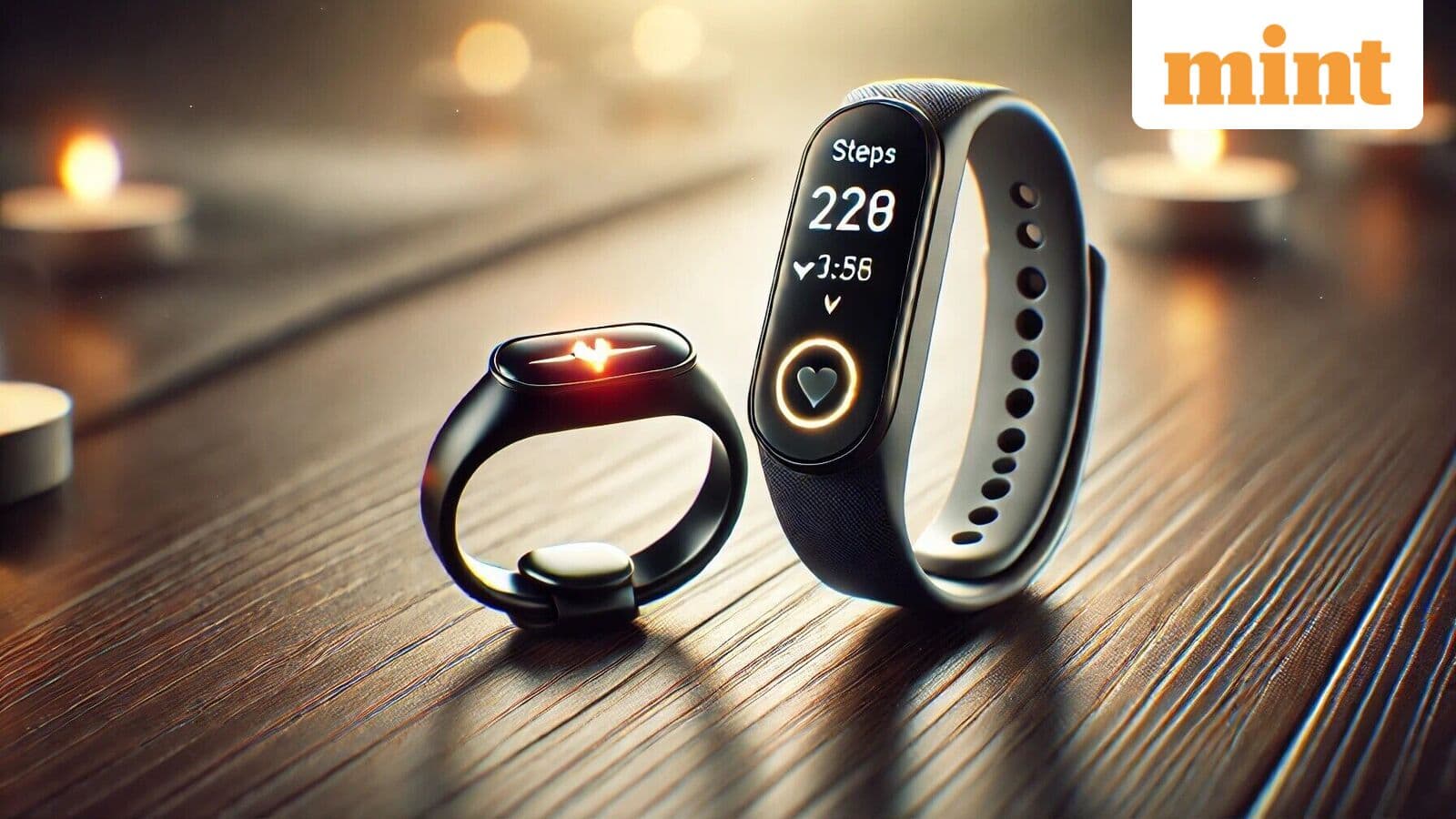
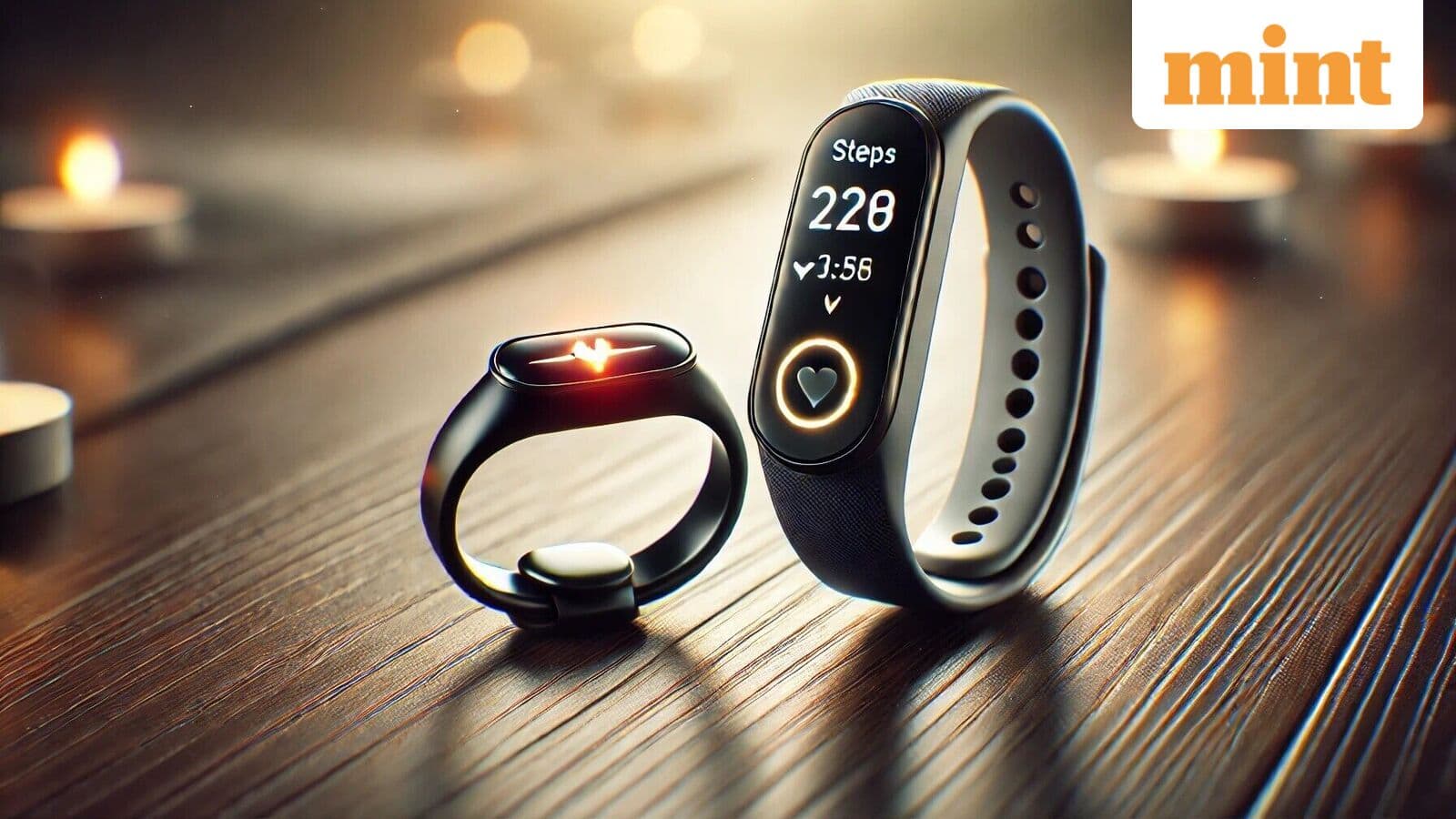
This shift has split the market into two camps. On one side: screenless devices like Whoop that ignore notifications entirely and focus on biometric depth. On the other: affordable bands like Samsung's Galaxy Fit3 that pack smartwatch features into a slim form factor.
The Screenless Philosophy: Whoop's Recovery-First Approach
Whoop has become one of the most talked-about recovery wearables globally. Athletes and startup founders have adopted it for its single-minded focus on strain, recovery, and sleep analytics.
The device has no screen. That's intentional.
“We do not have a screen on purpose. A screen turns a health device into a notification device. We want you looking at your body, not your wrist.”
— Will Ahmed, Founder and CEO of Whoop
Whoop continuously measures heart rate variability, resting heart rate, and sleep performance. It generates daily recovery scores and tracks how alcohol, travel, stress, and workout intensity affect your body. Its behavioral coaching layer tells users when to train hard and when to back off.
The company has grown rapidly. Following its 2026 funding round, Whoop reached a $10.1 billion valuation with over 2.5 million active members globally. Bookings grew 103% year-over-year in 2025.
“I'm quite encouraged that we're going to be able to build a coach that is going to actually be able to tell you exactly what you need to do to improve. And that is going to be an AI. It's not going to be a human.”
— Will Ahmed, Founder and CEO of Whoop
The catch: Whoop requires a subscription. Reddit and Hacker News discussions reveal users appreciate the actionable insights but remain critical of what many call "renting their own health data."
Samsung Galaxy Fit3: The Value Play
Samsung's Galaxy Fit3 targets users who want smartwatch features without the bulk or weak battery life. It includes a large AMOLED display, more than 100 workout modes, and automatic exercise detection for walking, running, and rowing.
The band tracks sleep stages, blood oxygen levels, and stress patterns. Samsung added fall detection and emergency SOS support. These features usually appear in more expensive smartwatches.
Online communities have praised the Galaxy Fit3 as the "value king." Its one-time purchase price and seamless integration with Samsung Health appeal to users who don't want recurring fees. The trade-off: it lacks the advanced coaching depth of subscription-based rivals.
Fitbit Inspire 3: Ecosystem Strength
The Inspire 3 continuously tracks heart rate and offers detailed sleep scores. It monitors stress using Fitbit's Daily Readiness tools. The biggest strength is Fitbit's ecosystem, which simplifies health data into user-friendly insights.
The band includes Active Zone Minutes, menstrual health tracking, and irregular heart rhythm notifications in supported regions. For users already invested in Fitbit's platform, the Inspire 3 slots in without friction.
Garmin Vivosmart 5: Built for Athletes
Garmin's Vivosmart 5 targets users focused on fitness accuracy and recovery data. Its standout feature is "Body Battery," which estimates energy levels based on sleep, stress, and activity.
The wearable offers advanced sleep monitoring, respiration tracking, hydration logging, and pulse oxygen tracking. Garmin's strength lies in performance-focused insights for runners, cyclists, and gym users. The band syncs deeply with Garmin Connect for long-term health and workout tracking.
Huawei Band 10: Budget AI
Huawei's Band 10 includes blood oxygen monitoring, sleep tracking, and heart-rate analysis alongside dozens of workout modes. The company uses AI-backed sleep analysis to identify irregular patterns and provide personalized recommendations.
Despite its lower price, the wearable still offers an AMOLED display and battery life lasting beyond a week.
Amazfit Helio Strap: Minimalist Recovery
The Amazfit Helio Strap reflects the growing trend of minimalist recovery wearables. Instead of functioning like a smartwatch, it focuses heavily on sleep quality, recovery monitoring, and stress tracking.
The wearable analyzes heart-rate variability and recovery data. Unlike Whoop, Amazfit offers this as a subscription-free alternative.
Screen vs. Screenless: The Core Trade-off
| Feature | Whoop (Screenless) | Samsung Galaxy Fit3 (Screen) |
|---|---|---|
| Display | None | Large AMOLED |
| Focus | Recovery, sleep, strain | Workouts, notifications, health |
| Pricing Model | Subscription required | One-time purchase |
| Workout Modes | Automatic detection | 100+ modes |
| Target User | Athletes, biohackers | General fitness users |
| Battery Life | 4-5 days | 7+ days |
The choice comes down to priorities. Whoop and similar screenless devices treat the wearable as a passive sensor. They collect data constantly and surface insights in an app. The goal is behavior change, not real-time notifications.
Screen-based bands like the Galaxy Fit3 serve as mini-smartwatches. They show the time, display messages, and track workouts on-device. They're more versatile but less focused.
What to Consider Before Buying
- Subscription costs: Whoop requires monthly fees. Most others don't. Factor this into total cost of ownership.
- Data ecosystem: Garmin, Fitbit, and Samsung each lock you into their health platforms. Check if your phone and other devices integrate well.
- Recovery focus: If you care more about strain management than step counts, screenless devices may serve you better.
- Battery life: Screen-based devices drain faster. Screenless bands often last longer between charges.
- Display preference: Some users want to check stats on their wrist. Others prefer phone-only interaction.
Logicity's Take
How Samsung's internal workforce decisions may affect its consumer electronics strategy
Frequently Asked Questions
Which fitness wearable has the best sleep tracking?
Whoop and Garmin Vivosmart 5 offer the most detailed sleep analytics. Whoop tracks sleep stages and generates recovery scores based on sleep quality. Garmin adds respiration tracking and Body Battery estimates.
Is Whoop worth the subscription cost?
For athletes and users focused on recovery optimization, Whoop's coaching insights can justify the subscription. Casual fitness users may find better value in one-time purchase devices like Samsung Galaxy Fit3 or Amazfit Helio Strap.
What is heart rate variability and why does it matter?
Heart rate variability measures the variation in time between heartbeats. Higher variability generally indicates better recovery and lower stress. Wearables use HRV data to recommend whether you should train hard or rest.
Which fitness band has the longest battery life?
Huawei Band 10 and Samsung Galaxy Fit3 both offer battery life beyond a week. Screenless devices like Whoop typically last 4-5 days with continuous tracking.
Are screenless fitness wearables better than ones with displays?
Screenless wearables eliminate notification distractions and focus purely on health data. Screen-based bands offer more versatility for checking stats and messages. The choice depends on whether you want a passive health sensor or an active daily companion.
Need Help Implementing This?
Source: mint / Tarunya Sanjay
Manaal Khan
Tech & Innovation Writer
Produced with AI assistance and reviewed by the Logicity editorial team. Learn more in our Editorial Policy.