New York startups closed at least $1.3 billion across seven major funding rounds in July 2026, with sectors ranging from DeFi risk management to food delivery to AI-powered legal compliance. The month's biggest check went to Wonder, the meal platform founded by Jet.com's Marc Lore, which has now raised a cumulative $3.1 billion. But the list also features younger companies moving fast: Norm AI, founded just two years ago, has already pulled in $321 million to automate legal reasoning.
Here's who raised, who backed them, and what they're building.
Wonder: $3.1B total, backed by General Catalyst and Accel
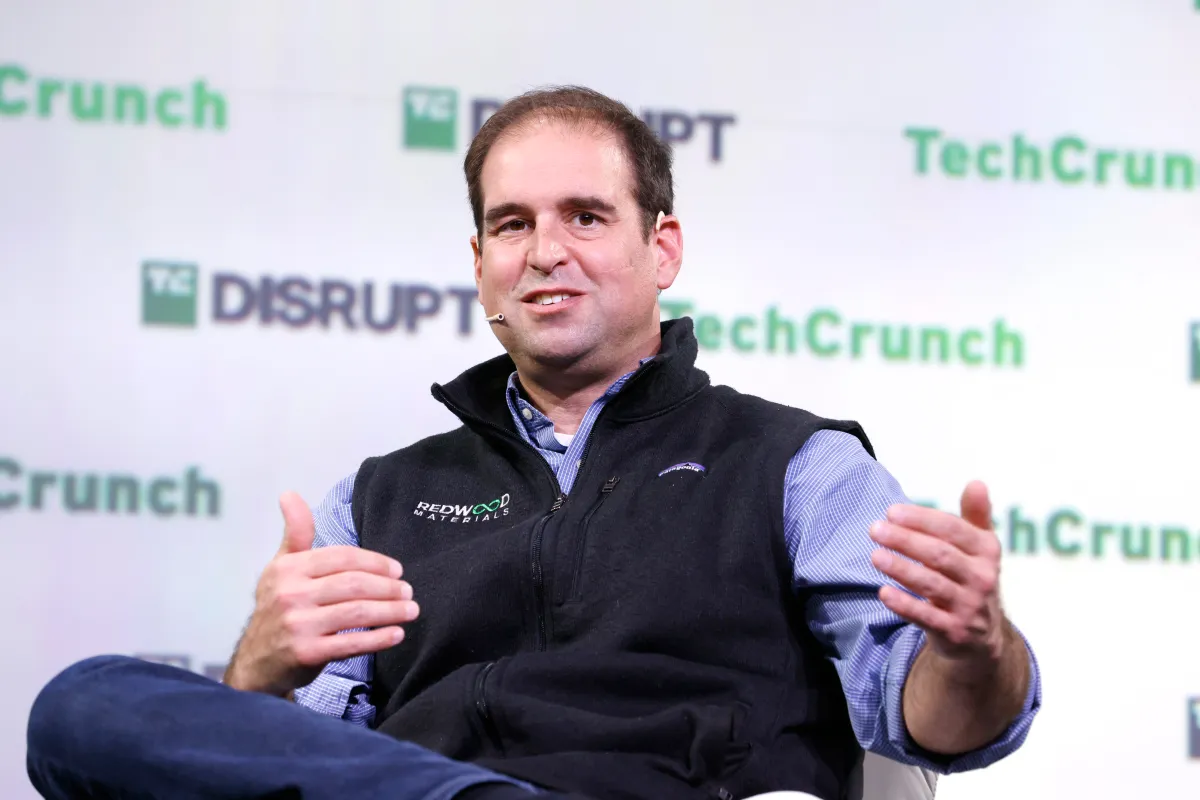
Wonder operates a unified mealtime platform combining restaurant meals, meal kits, and food delivery. Founded in 2018 by Marc Lore (who sold Jet.com to Walmart for $3.3 billion) and Juan Cappello, the company has now raised $3.1 billion in total equity funding. Backers include General Catalyst, Accel, New Enterprise Associates, Bain Capital Ventures, and Forerunner.
Lore's bet is that the food delivery market remains fragmented and that consumers want one app for everything from ghost kitchen meals to grocery delivery. With this capital, Wonder is the most well-funded private food tech company in New York.
CAIS: $916M total, Franklin Templeton among backers
CAIS is a fintech platform giving independent wealth advisors access to alternative investments. The company was founded in 2009 by Jeremy Norton, Matthew Brown, and Rafay Farooqui. It has raised $916 million to date from Franklin Templeton, Vista Equity Partners, Fortress Investment Group, Motive Partners, and Apollo.
The platform solves a structural problem: independent advisors historically couldn't offer their clients the same alternative asset access that large wirehouses provide. CAIS is 17 years old, which makes it a rarity on this list dominated by companies founded after 2018.
Cover Genius: $345M for embedded insurance
Cover Genius builds insurance distribution infrastructure for e-commerce companies, letting them offer coverage at checkout. Founded in 2014 by Angus McDonald and Chris Bayley, the company has raised $345.1 million from Vista Equity Partners, Spark Capital, Dawn Capital, G Squared, and King River Capital.
Embedded insurance is a growing category as e-commerce platforms look for new revenue streams. Cover Genius competes with companies like Extend and Clyde, but its global footprint (it operates in over 60 countries) gives it a distribution advantage.
Norm AI: $321M for AI legal reasoning
Norm AI develops software that embeds legal reasoning into AI agents, automating compliance and legal workflows. Founded by John Nay in 2023, the company has raised $321 million from Craft Ventures, Khosla Ventures, Bain Capital, Coatue, and Bain Capital Ventures.
That's a staggering amount for a two-year-old company. The thesis: as enterprises deploy AI agents across operations, those agents need to understand regulatory constraints natively. Norm AI is betting it can become the compliance layer for agentic AI.
Gauntlet: $170M for DeFi risk management
Gauntlet provides quantitative risk management and yield optimization for DeFi protocols and institutional participants. Founded in 2018 by John Morrow, Rei Chiang, and Tarun Chitra, the company has raised $169.8 million from Paradigm, Dragonfly, Coinbase Ventures, First Round Capital, and Hack VC.
The company's timing is notable. DeFi protocols need institutional-grade risk tooling to attract serious capital. Gauntlet runs simulations and stress tests that help protocols like Aave and Compound set parameters for collateralization ratios and liquidation thresholds.
Fora, Pearl Health, InstaLILY, Vendelux
Fora has raised $138.5 million for its travel advisor platform connecting travelers with independent advisors. Backers include Insight Partners, Forerunner, Thrive Capital, and Tribeca Venture Partners. Celebrity investor Amy Schumer also participated. The company was founded in 2021 by Evan Frank, Henley Vazquez, and Jake Peters.
Pearl Health has raised $125 million to help primary care providers focus on high-need patients. Co-founded in 2020 by Kevin Ryan (the serial entrepreneur behind Gilt Groupe and MongoDB), along with Ankit Patel, Jeff De Flavio, and Michael Kopko, Pearl is backed by Andreessen Horowitz, Alumni Ventures, SV Angel, and AlleyCorp.
InstaLILY AI has raised $85 million for workflow automation in sales, service, and operations. Founded in 2023 by Amit Shah and Sumantro Das, the company counts Insight Partners, Energize Capital, Home Depot Ventures, and United Rentals among its investors.
Vendelux has raised $67.1 million for its AI-powered event intelligence platform. The company helps B2B marketers optimize event ROI and meeting scheduling. Founded in 2021 by Alex Reynolds and Stefan Deeran, it's backed by Alumni Ventures, FirstMark, S3 Ventures, Cervin Ventures, and HubSpot Ventures. Companies looking to measure event ROI often pair event intelligence tools like Vendelux with CRM systems such as HubSpot or Salesforce to track the full funnel from booth conversation to closed deal.
Disclosure
Some links in this post are affiliate links — Logicity earns a commission if you sign up, at no extra cost to you. We only link products we have used or actively recommend.
What the July numbers suggest
Three patterns stand out. First, AI is everywhere but not uniform. Norm AI raised for legal reasoning; InstaLILY raised for workflow automation; Vendelux raised for event intelligence. The AI label doesn't tell you much anymore. What matters is the specific workflow being automated and whether the company can defend that vertical.
Second, consumer and enterprise coexist. Wonder and Fora serve consumers directly. CAIS and Gauntlet serve institutions. Pearl Health sits in the middle, selling to healthcare providers who serve patients. NYC's startup base isn't skewing toward one or the other.
Third, check sizes are polarizing. Norm AI raised $321 million in two years. Vendelux raised $67 million in five. The gap between well-capitalized AI plays and steady SaaS builders is widening.
Logicity's Take
The interesting signal here isn't the total dollar amount. It's the investor composition. Vista Equity appears twice (CAIS and Cover Genius), Insight Partners appears twice (Fora and InstaLILY), and Bain Capital appears twice (Norm AI via two vehicles). When the same growth and PE shops keep showing up across sectors, it suggests NYC's startup ecosystem has matured into a repeatable deal flow machine rather than a collection of isolated bets.
Compare July's NYC funding activity with India's startup momentum in the same month
What founders should watch
If you're raising in New York, these rounds suggest a few tactical points. Healthcare, fintech, and AI remain the most active sectors. Having a serial entrepreneur on your cap table (like Kevin Ryan at Pearl Health or Marc Lore at Wonder) still accelerates fundraising. And the investors writing the largest checks, Khosla, Coatue, Paradigm, are concentrated in a handful of deals rather than spread thin.
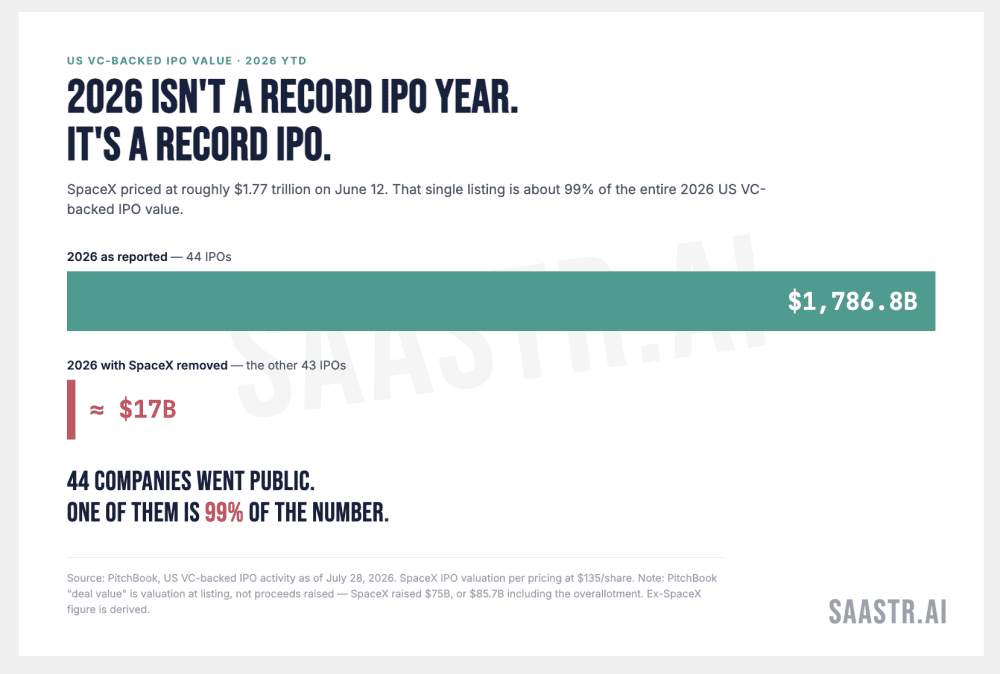
The IPO market remains the open question. Several of these companies, Wonder and CAIS in particular, have raised enough capital that a public exit is the most plausible path. Whether they pursue it in 2026 or 2027 will depend on broader market conditions.
Context on the 2026 IPO market that NYC's largest startups are evaluating
Need Help Implementing This?
If you're a founder raising capital in NYC or evaluating your go-to-market strategy, reach out to the Logicity team for introductions to relevant investors and operators in your sector.
Source: AlleyWatch
Huma Shazia
Senior AI & Tech Writer
Produced with AI assistance and reviewed by the Logicity editorial team. Learn more in our Editorial Policy.