Key Takeaways
- Jaws was the first film to cross $100 million domestically, proving summer could be Hollywood's most profitable season
- Batman's 1989 marketing campaign created the template for modern movie hype culture
- Jurassic Park's digital effects revolution changed what audiences expect from blockbuster visuals
Before 1975, Hollywood treated summer as a dumping ground. Studios assumed families would choose beaches over theaters. Then Steven Spielberg released a movie about a shark, and everything changed.
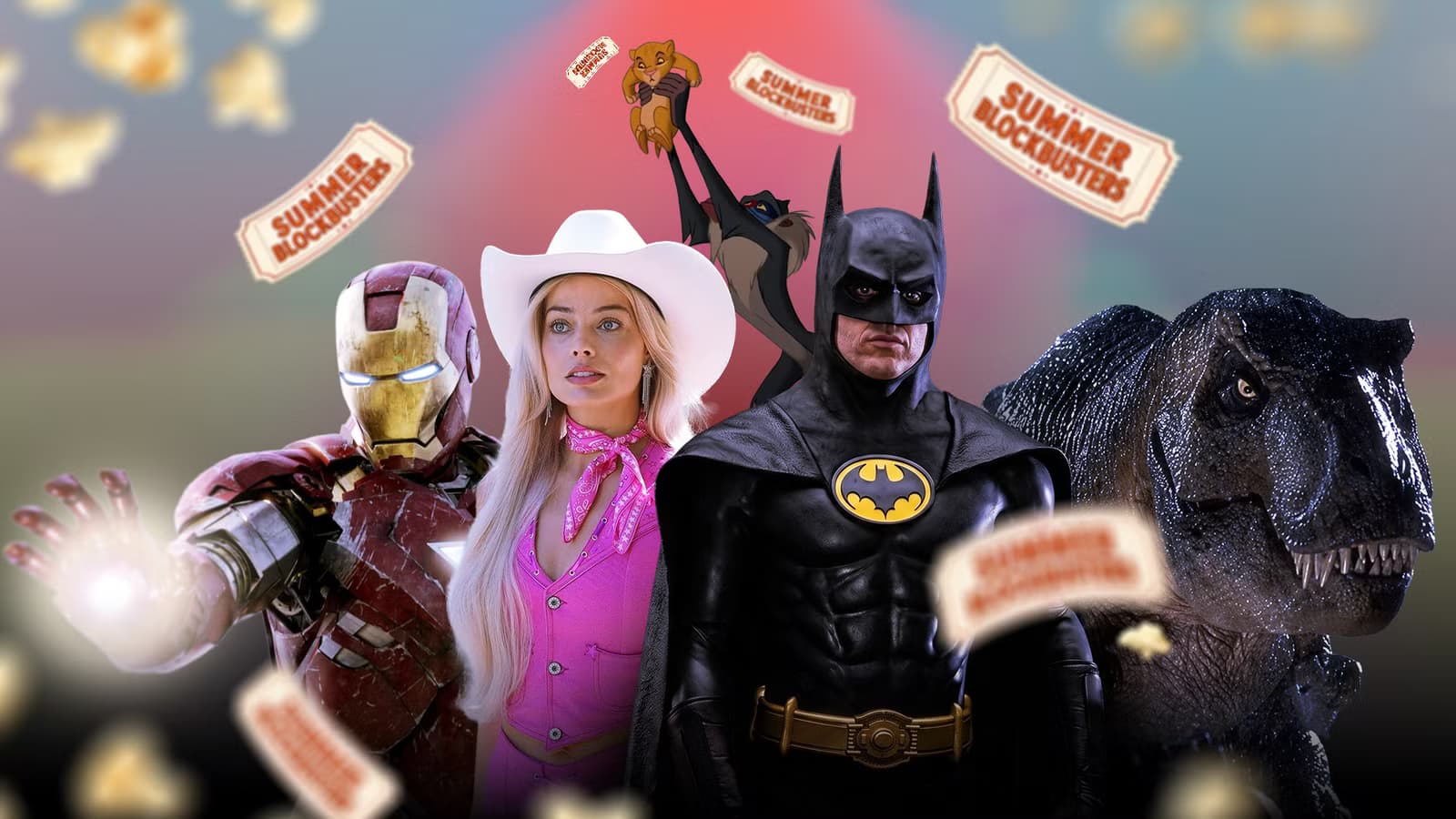
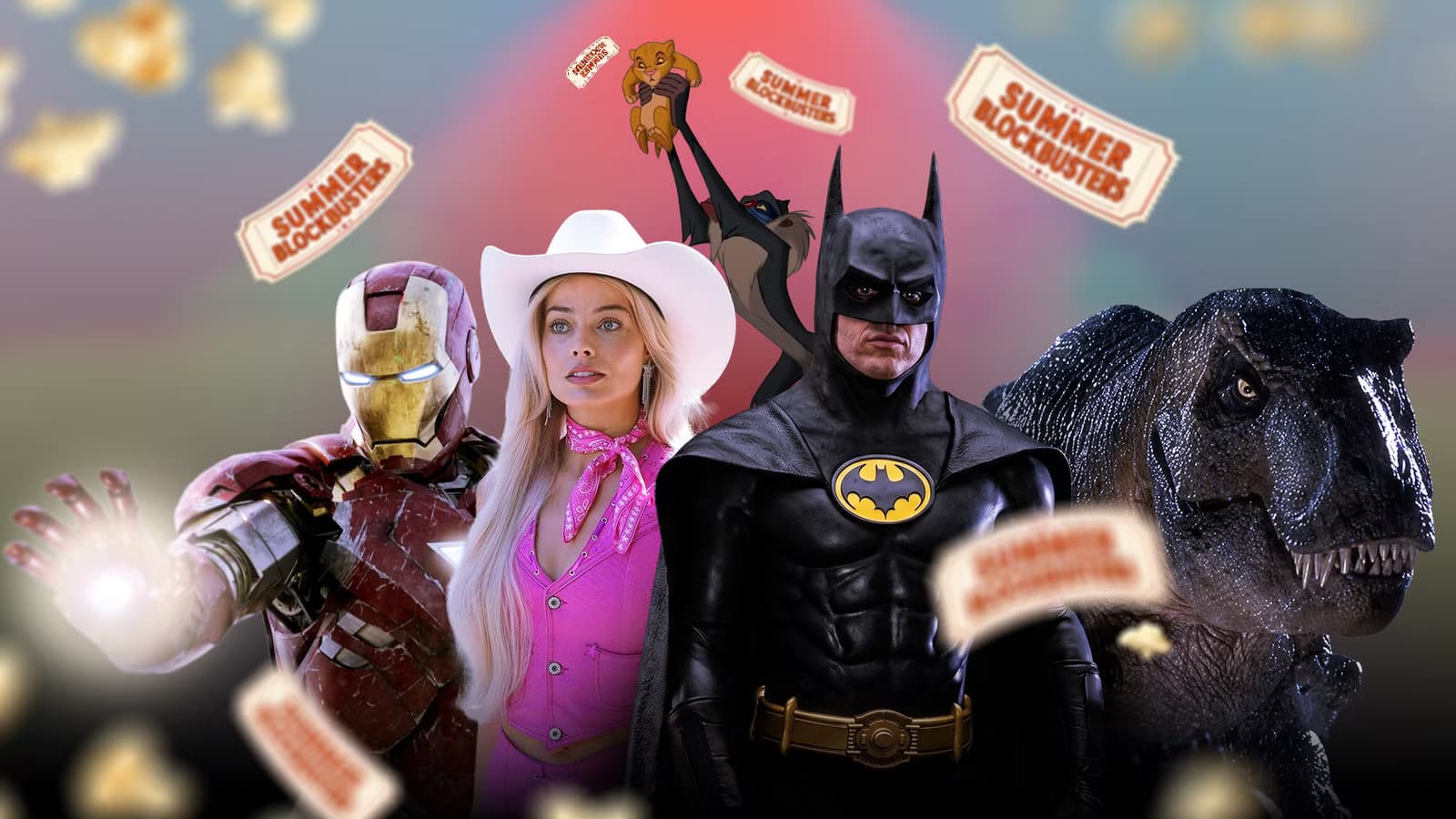
The summer blockbuster has become one of cinema's most reliable institutions. But it wasn't always this way. A handful of films over the past five decades didn't just succeed at the box office. They fundamentally altered how movies get made, marketed, and released.
How-To Geek recently examined which films deserve credit for shaping the modern blockbuster. Their list of six standouts reveals a clear evolution from Spielberg's mechanical shark to the CGI dinosaurs that would follow nearly two decades later.
Jaws: The Film That Created Summer
Universal's 1975 thriller didn't just perform well. It shattered every assumption the industry held about summer moviegoing. Jaws became the first film to cross $100 million in domestic box office, eventually grossing over $470 million worldwide against a $9 million budget. That's roughly a 50x return on investment.
The wide-release strategy was radical for its time. Universal deployed a massive national television advertising campaign and opened the film in 464 theaters simultaneously. Previous hits had relied on slow rollouts, building word of mouth over months. Jaws proved you could create instant nationwide demand.
“Jaws didn't just change the box office; it changed the way we sit in a dark room together and feel the same thing at the exact same time.”
— Steven Spielberg, Director
The cultural impact extended beyond ticket sales. Beach attendance in the U.S. dropped an estimated 28% during summer 1975. A movie about a fictional shark kept real people out of real water. That's the kind of audience penetration no marketing budget can buy.
Batman (1989): Marketing Becomes the Movie
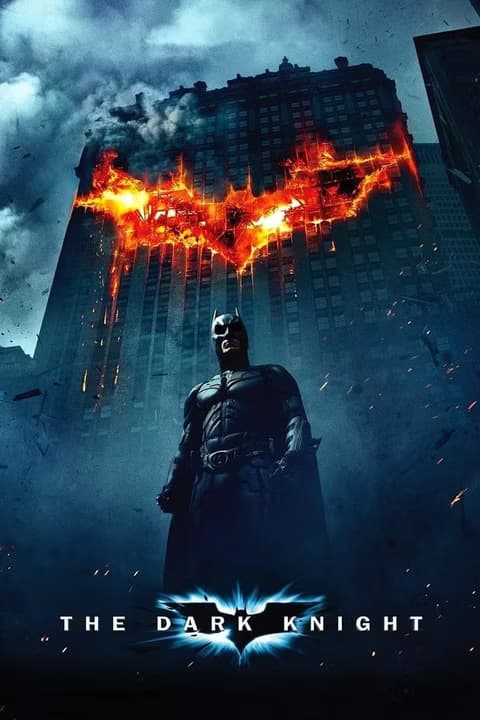
Tim Burton's Batman wasn't the first superhero film or even the first Batman film. But it was the first to treat marketing as a cultural event in its own right. The Bat signal appeared on buildings, buses, and billboards across the globe months before release. Warner Bros. spent $35 million on production but treated the promotional campaign as equally important.
This approach created something new: hype culture. The film didn't need to be seen to be discussed. The marketing itself became content. Studios learned that a summer blockbuster could dominate the cultural conversation through promotion alone, weeks before audiences saw a single frame.
Film historian Mark Harris has noted the shift this represented. "The blockbuster is not just a type of movie; it's a social contract between the studio and the audience that says this is the movie you must see this summer," he observed. Batman made that contract explicit.
Jurassic Park: When Digital Became Believable
Spielberg returned to reshape blockbusters again in 1993. Jurassic Park proved that computer-generated imagery could create creatures audiences would accept as real. The dinosaurs weren't just impressive for their time. They convinced viewers they were watching living animals.
This sparked the CGI revolution that continues today. Before Jurassic Park, digital effects were obvious and often distracting. After it, they became invisible. The film raised the technical floor for what a major summer release needed to deliver visually.
Reddit discussions on r/movies frequently debate whether modern blockbusters can match the cultural impact of films from this era. Users note that while CGI capabilities have expanded dramatically since Jurassic Park, fragmented streaming audiences make the kind of universal cultural moment it created increasingly rare.
The Template That Still Works
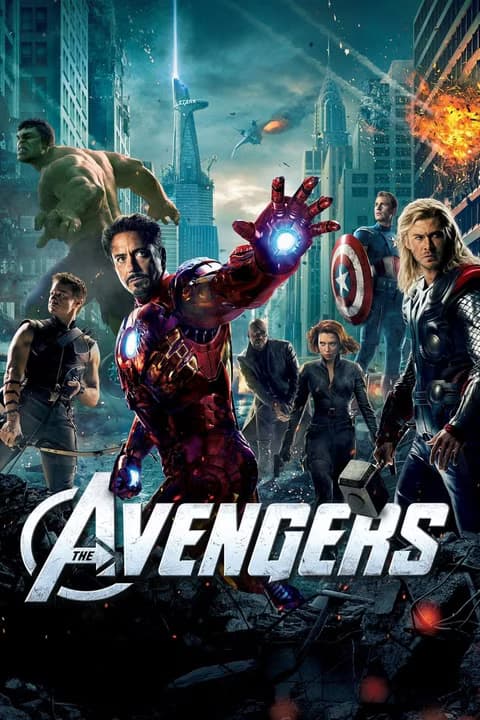
These three films established components that remain standard in every major summer release. Wide opening, saturation marketing, and visual effects that don't break immersion. The other films on How-To Geek's list built on this foundation rather than replacing it.
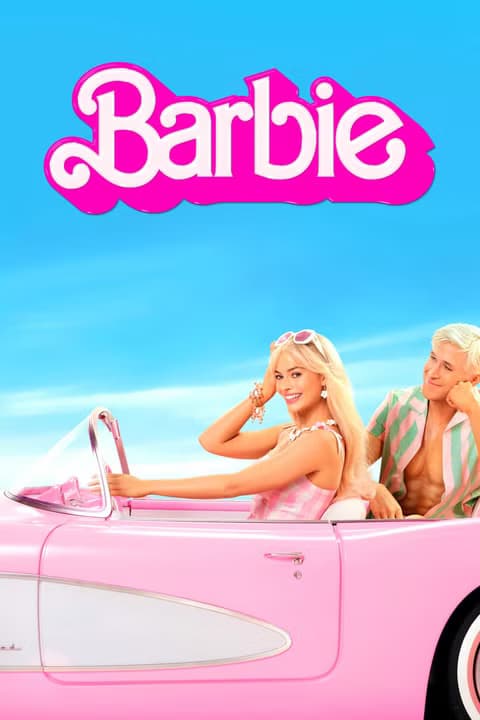
What's notable is how the formula has proven durable. The 2023 success of films like Barbie and Oppenheimer showed that the summer blockbuster format still works when executed well. Different genres, different decades, same basic playbook.
The source article notes that one film on their list "caused a massive outcry that forced a change within the Academy Awards." This hints at how blockbusters eventually demanded recognition beyond box office performance, seeking critical legitimacy alongside commercial success.
Why the Era Matters Now
Understanding blockbuster history isn't just film trivia. These strategies inform how media companies approach any major launch. The Jaws model of synchronized national release with heavy advertising applies equally to streaming platform premieres, game launches, and product reveals.
The Batman lesson about making marketing into content predates social media by decades but describes exactly how companies now approach Instagram campaigns and TikTok strategies. Create conversation before the product ships.
And Jurassic Park's demonstration that technical execution must be invisible remains the standard for any visual medium. Users don't praise good interfaces. They simply stop noticing them.
Logicity's Take
Frequently Asked Questions
What was the first summer blockbuster?
Jaws (1975) is widely credited as the first true summer blockbuster. It pioneered the wide-release strategy with 464 theaters simultaneously and became the first film to gross over $100 million domestically.
How did Batman 1989 change movie marketing?
Tim Burton's Batman transformed film promotion into a cultural event. Warner Bros. deployed the Bat signal globally months before release, creating hype culture where the marketing itself became content worth discussing.
Why was Jurassic Park important for visual effects?
Jurassic Park proved CGI could create creatures audiences would accept as real. Before 1993, digital effects were obvious and distracting. The film raised the technical standard for all major releases that followed.
Why were summers considered bad for movie releases before Jaws?
Studios assumed families would choose outdoor activities over theaters during warm months. Summer was treated as a dumping ground for weaker films until Jaws proved the opposite in 1975.
Can modern blockbusters replicate the cultural impact of 1990s films?
It's harder now. While technical capabilities have expanded, fragmented streaming audiences make universal cultural moments like Jurassic Park achieved increasingly difficult to create.
Another look at how major entertainment companies orchestrate launch events
Maximizing value from entertainment subscriptions
Need Help Implementing This?
Source: How-To Geek
Manaal Khan
Tech & Innovation Writer
Produced with AI assistance and reviewed by the Logicity editorial team. Learn more in our Editorial Policy.