Key Takeaways
- A smart plug and electric kettle can automate your morning beverage with zero hub required
- The best smart home routines are ones you set up once and forget about
- Start small: most useful automations don't require expensive hubs or complex setups
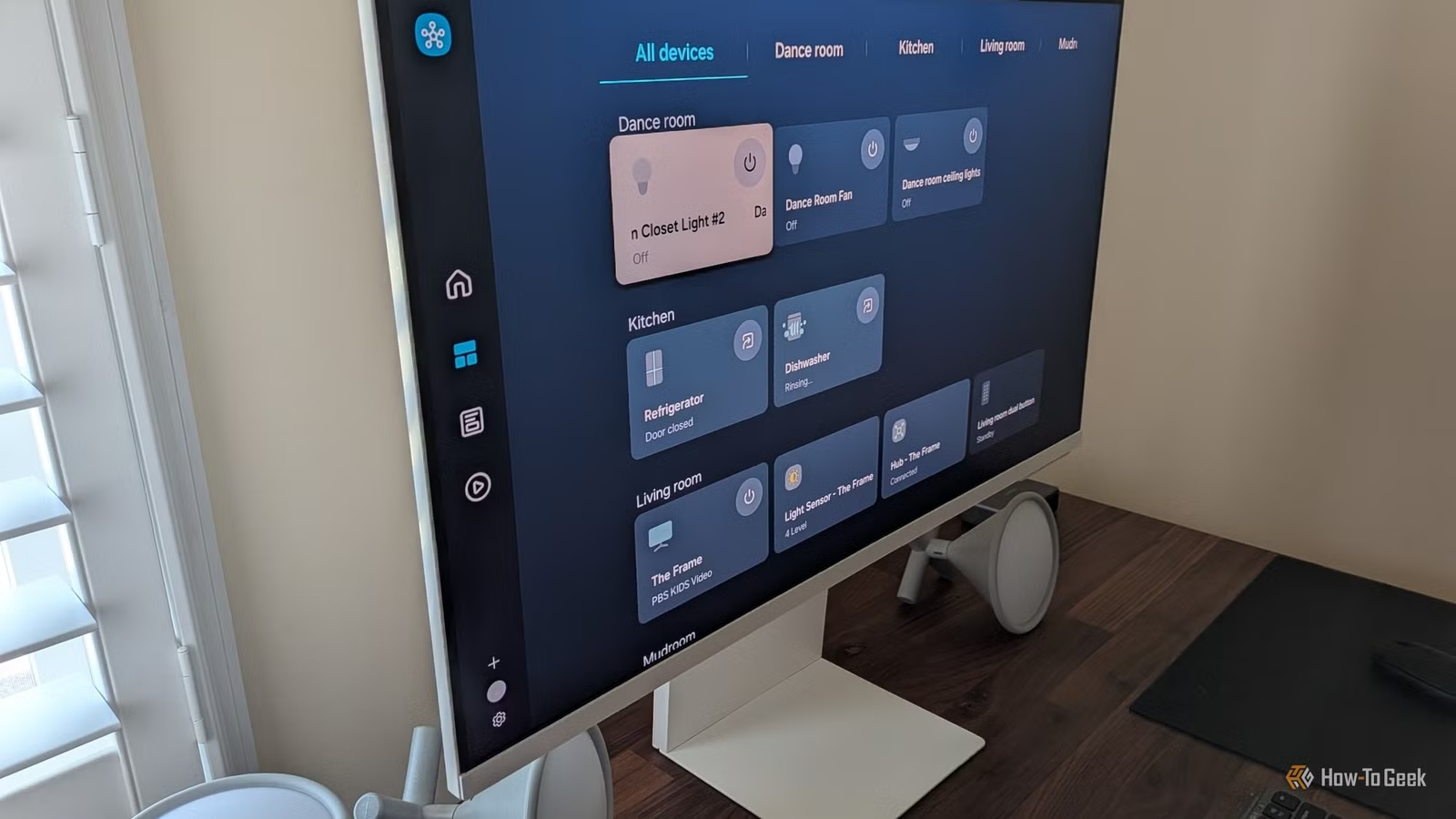
Smart home technology has a reputation problem. Most demos involve dimming lights with voice commands or changing bulb colors to match the music. Impressive at parties. Useless on Tuesday morning when you're late for work.
Chris Hachey, a consumer tech contributor at MakeUseOf, has tested hundreds of smart home products. His recommendation: skip the flashy stuff and focus on routines you'll actually use every day. The best automation is the one you forget exists because it just works.
The Morning Tea Routine
Hachey's simplest and most effective automation involves a smart plug and an electric tea kettle. The problem he solved: by the time he finished getting his kids ready for school, his tea was always cold.
The fix takes about two minutes to set up. Fill the kettle the night before. Press the plunger down so it's ready to heat. Plug it into a smart plug. Schedule the plug to turn on at 7 AM.
When his alarm goes off, he heads downstairs to let the dog out. By the time he's done, the water is already boiling. No waiting. No forgotten, cold tea.
The beauty of this approach: it requires no hub, no complex setup, no monthly fees. Almost any smart plug on the market can set a schedule. You don't need to be deep into the smart home ecosystem to benefit.
Why Simple Automations Win
The tea kettle example illustrates a principle that applies to all home automation. The best routines share three traits:
- They solve a real annoyance you experience regularly
- They require no daily interaction once set up
- They work reliably without intervention
Voice commands for lights sound futuristic. But you know what's faster? A motion sensor that turns on the bathroom light when you walk in at 3 AM. You don't have to say anything, find your phone, or fumble for a switch.
Where to Start
If you're new to smart home automation, Hachey's advice is practical: don't overbuy. A single smart plug costs under $15 and can automate any device that turns on when it receives power. Coffee makers, space heaters, fans, and kettles all qualify.
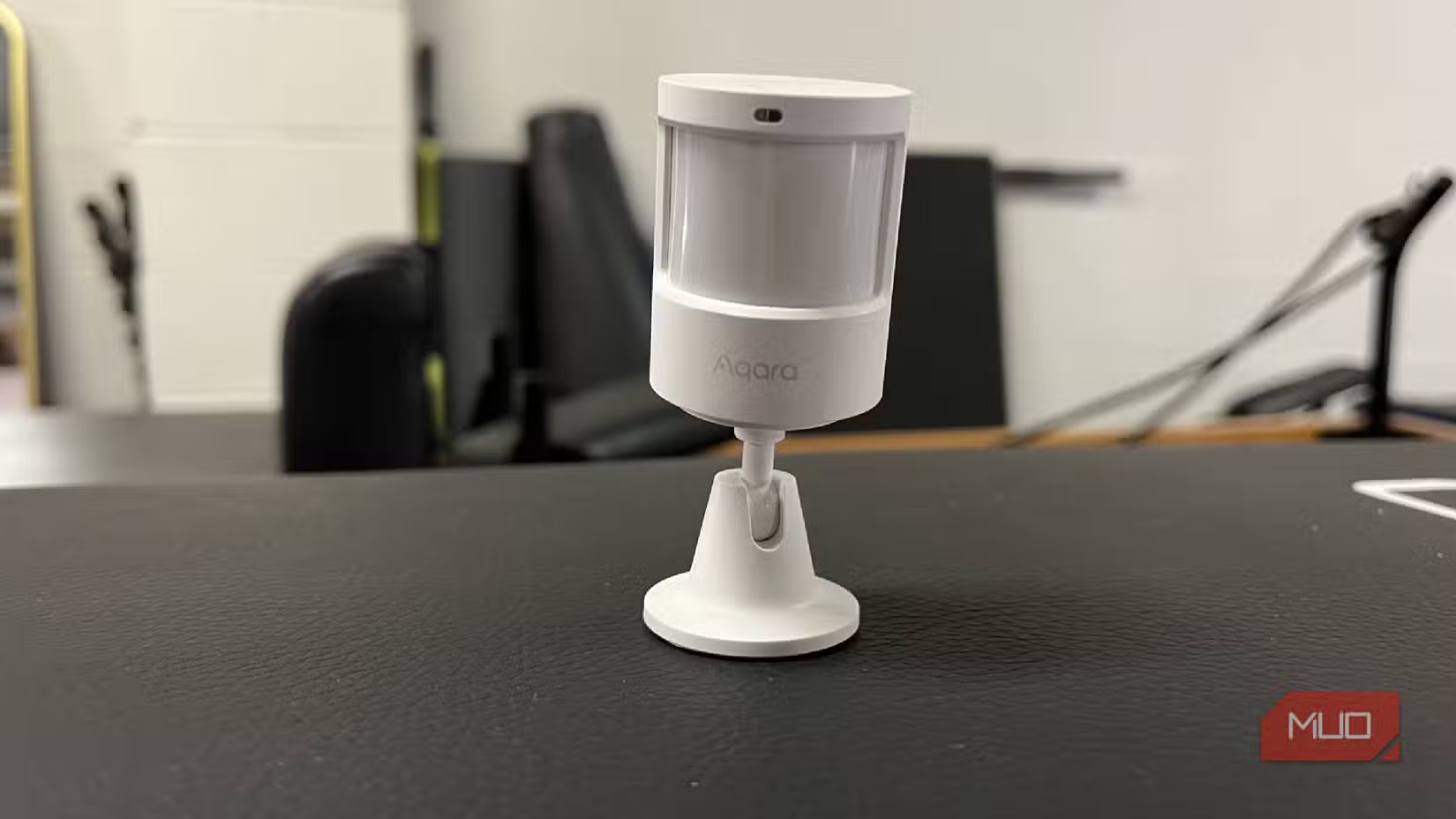
Motion sensors are another low-cost entry point. Put one in a hallway or bathroom, connect it to smart bulbs, and you've eliminated the need to touch a light switch in that room forever.
The trap to avoid: buying a hub or expensive system before you know what problems you want to solve. Start with one annoyance. Fix it. Then expand.
Logicity's Take
The Business Case for Home Automation
For remote workers and home office setups, small automations compound. Lights that turn off when you leave a room. A space heater that warms your office 15 minutes before you start work. A coffee maker that's ready when you finish your first meeting.
None of these save hours. Each saves a minute or two. But across a workweek, that adds up. More importantly, they remove small frictions that interrupt focus.
Another look at how tech convenience comes with tradeoffs
Frequently Asked Questions
Do smart home routines require a hub?
Not necessarily. Many smart plugs and bulbs work directly with Wi-Fi and their manufacturer's app. Hubs become useful when you want devices from different brands to work together, but you can start without one.
What's the cheapest way to start with home automation?
A single smart plug costs $10-15 and can automate any device that turns on when plugged in. Coffee makers, kettles, fans, and space heaters are good candidates.
Are smart home devices secure?
Security varies by manufacturer. Stick to established brands, keep firmware updated, and use strong Wi-Fi passwords. Avoid devices that require cloud accounts for basic functionality if possible.
What's the difference between a routine and a scene?
A scene is a preset state (like 'all lights dim to 30%'). A routine triggers actions based on conditions like time, motion, or other events. Routines are generally more useful for daily automation.
Need Help Implementing This?
Source: MakeUseOf
Manaal Khan
Tech & Innovation Writer
Produced with AI assistance and reviewed by the Logicity editorial team. Learn more in our Editorial Policy.