Key Takeaways
- BMW owners pay roughly $1,019 annually in maintenance, well above the luxury segment average
- Volvo's five-year maintenance cost runs $3,240, saving nearly $2,000 versus a comparable BMW
- Brands like Lexus, Genesis, and Acura benefit from shared parts with mass-market parent companies, cutting repair bills
The sticker price on a luxury car tells half the story. The other half arrives quarterly in service invoices.
According to CarEdge, BMW owners can expect to spend an estimated $5,145 on maintenance during the first five years of ownership. That works out to roughly $1,019 per year, significantly higher than the luxury segment average. The culprit isn't just premium parts. It's specialized labor and diagnostic complexity that keep German machines running.
But not every luxury badge extracts the same toll. Several premium automakers deliver comparable comfort, technology, and prestige while costing thousands less to maintain over the same period.
Why German Luxury Costs More After Warranty
The warranty period is a honeymoon. Once you cross the four-year or 50,000-mile mark, German luxury repair costs tend to surge. Independent mechanics point to parts availability as a factor. When a component ships from Germany, you're waiting. And paying.
“The best car is the one that starts every morning, not the one that sits on a dealer lift for three weeks waiting for a part from Germany.”
— The Car Care Nut, Independent Toyota/Lexus Master Diagnostic Technician
The alternatives leverage a different approach. Brands like Lexus, Genesis, and Acura share parts with their mass-market parents (Toyota, Hyundai, Honda). That shared infrastructure means more available parts, more mechanics familiar with the platform, and lower bills.
Volvo: $3,240 Over Five Years
Volvo built its reputation on safety innovation, but the Swedish brand also delivers on long-term affordability. CarEdge estimates Volvo's five-year maintenance cost at $3,240. That's nearly $1,900 less than a comparable BMW.
The driving experience leans toward comfort over sport. Those seeking precise handling may find Volvo too relaxed. But for buyers who prioritize a quiet cabin, modern tech integration, and predictable ownership costs, Volvo offers a compelling alternative.
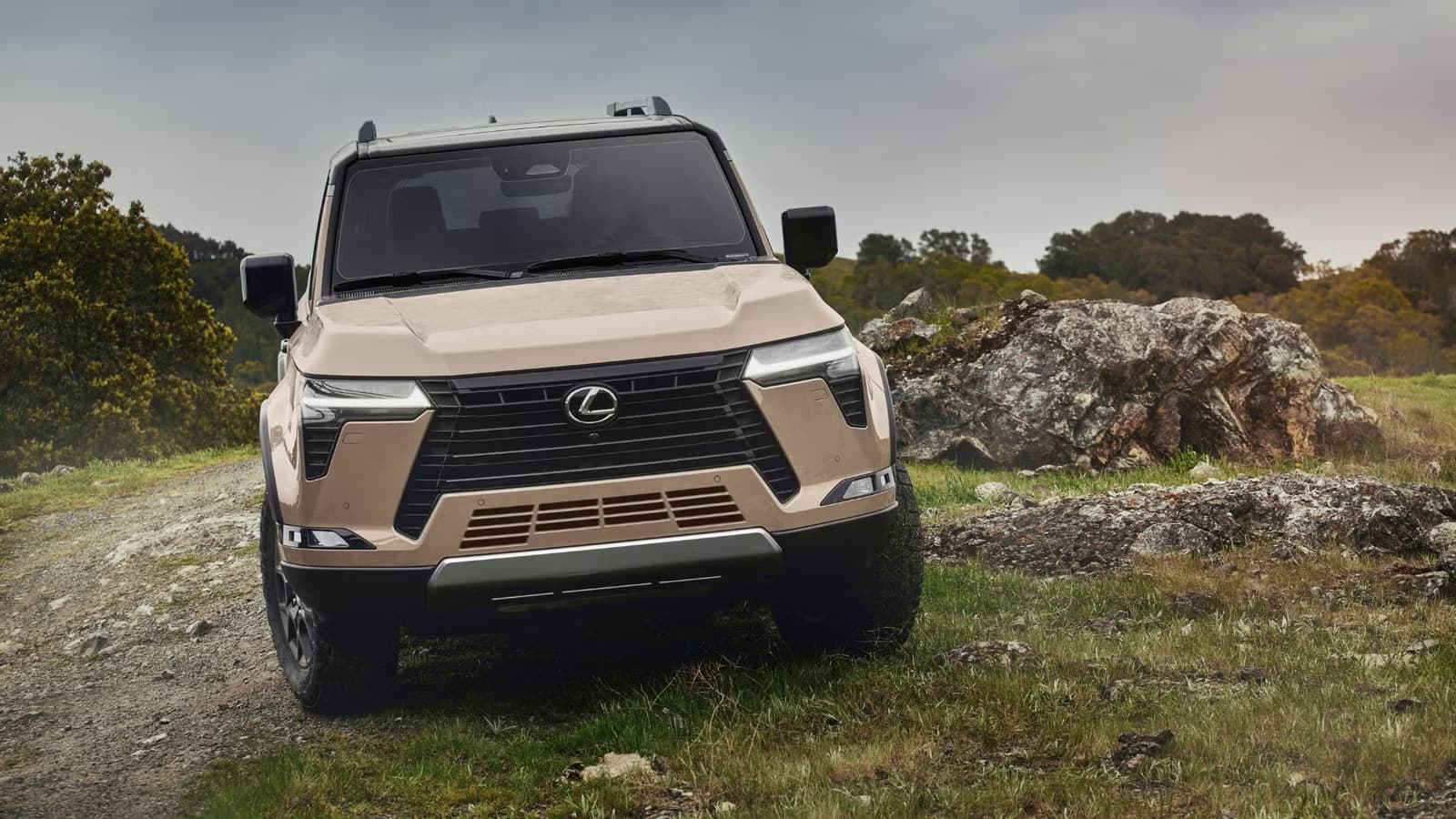
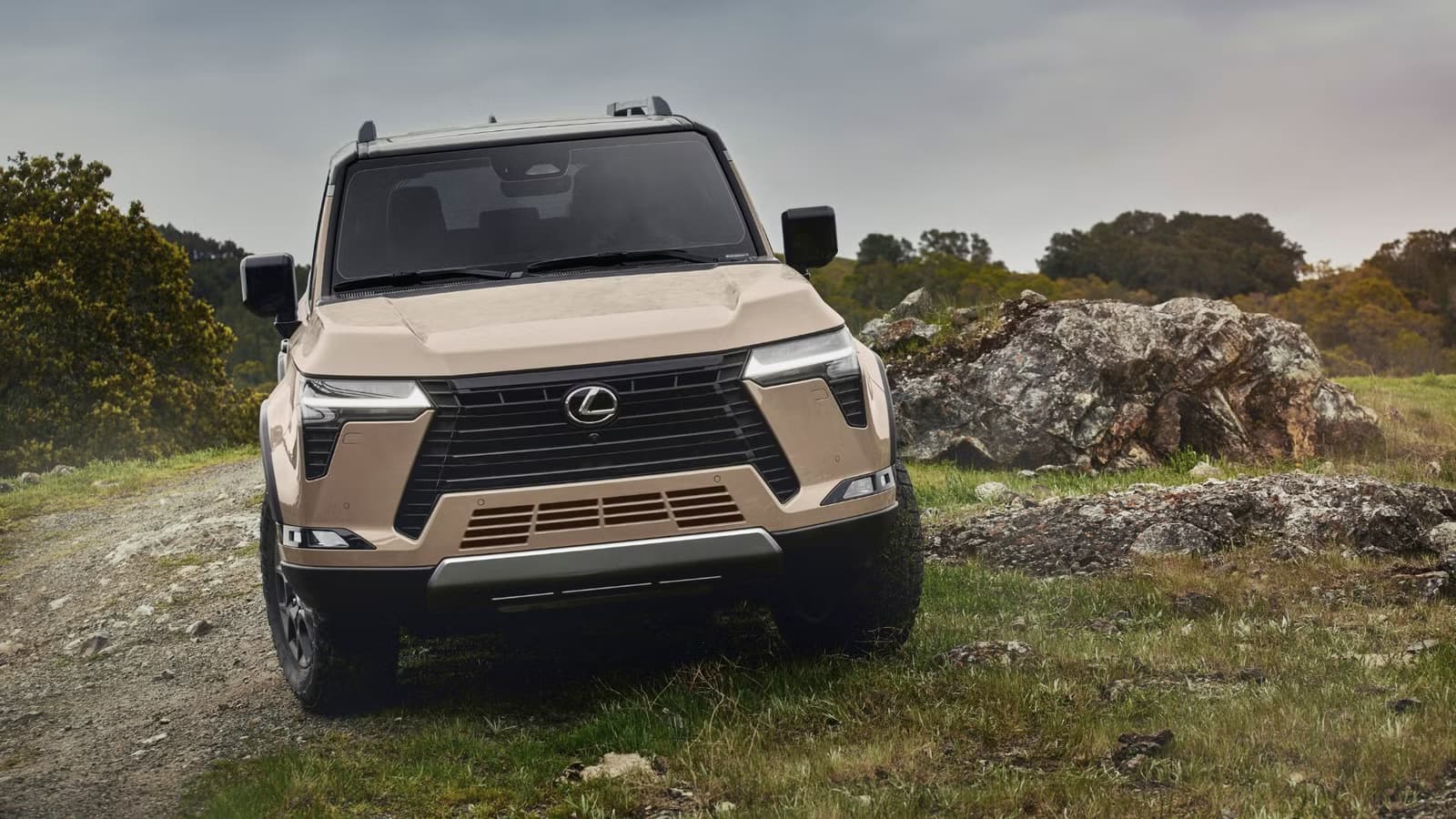
Lexus: The Reliability Standard
Lexus consistently ranks as the most reliable premium brand. J.D. Power's dependability score puts Lexus at 151 problems per 100 vehicles, an industry-leading figure. That reliability translates directly into lower maintenance costs.
The Toyota connection helps. Parts are widely available, and most independent shops can service a Lexus without specialized equipment. The trade-off: Lexus sedans and SUVs tend toward conservative styling and less aggressive driving dynamics than their German counterparts.
Genesis: Warranty as a Feature
Hyundai's luxury division takes a different approach to ownership anxiety. Genesis offers a 10-year, 100,000-mile powertrain warranty. That coverage dwarfs what BMW provides and eliminates the most expensive potential repairs for a full decade.
The brand is young, which means less established dealer infrastructure in some regions. But Genesis has rapidly improved its product lineup, and the warranty alone makes it worth consideration for buyers planning to keep their vehicle long-term.
Acura: Honda Engineering, Luxury Packaging
Acura benefits from Honda's engineering and parts ecosystem. Service costs stay low because the underlying components are shared with Honda's mass-market vehicles. Any competent shop can work on an Acura without requiring dealer-specific diagnostic tools.
The brand doesn't chase the same performance benchmarks as BMW's M division. But for daily driving and long-term reliability, Acura offers a practical middle ground between mainstream and true luxury.
The 'Pay to Play' Argument
BMW owners often counter that the superior driving experience justifies higher maintenance costs. There's merit to this. Few vehicles match BMW's steering feel and chassis tuning. If driving engagement is your priority, the maintenance premium may be worth it.
But online communities show a clear divide. Reddit's r/cars and r/Lexus lean heavily toward Japanese alternatives for buyers prioritizing financial predictability. The consensus: if you want peace of mind over raw performance, look east.
| Brand | 5-Year Maintenance Cost | Key Advantage |
|---|---|---|
| BMW | $5,145 | Driving dynamics, brand prestige |
| Volvo | $3,240 | Safety tech, comfort focus |
| Lexus | Lower than BMW | Industry-leading reliability (151 PP100) |
| Genesis | Lower than BMW | 10-year/100,000-mile powertrain warranty |
| Acura | Lower than BMW | Honda parts ecosystem, accessible service |
Making the Choice
The right luxury car depends on what you value. If driving engagement ranks highest, BMW's maintenance costs may be acceptable. If you want a comfortable daily driver that won't surprise you with service bills, Volvo, Lexus, Genesis, or Acura deserve your attention.
Either way, factor maintenance into your purchase decision. The five-year cost difference can exceed $2,000. That's money better spent on fuel, insurance, or the next upgrade.
Logicity's Take
For business owners and executives who view cars as tools rather than hobbies, the math favors reliability-focused brands. A $2,000 maintenance savings over five years may seem modest against the purchase price, but it's the unexpected dealer visits and downtime that truly cost you. Lexus and Genesis offer genuine luxury without the German complexity tax.
Frequently Asked Questions
Why are BMW maintenance costs so high compared to other luxury brands?
BMW requires specialized labor, proprietary diagnostic tools, and parts often shipped from Germany. This combination drives costs above $1,000 annually, especially after warranty expires.
Is Lexus really more reliable than BMW?
Yes. J.D. Power rates Lexus at 151 problems per 100 vehicles, making it the most dependable premium brand. BMW scores significantly higher in reported issues.
Does Genesis offer better warranty coverage than BMW?
Genesis provides a 10-year, 100,000-mile powertrain warranty. BMW's coverage is shorter, leaving owners exposed to expensive repairs sooner.
Can independent mechanics service luxury cars like Lexus and Acura?
Yes. Lexus and Acura share platforms with Toyota and Honda, so parts are widely available and most independent shops can perform repairs without specialized equipment.
Is the BMW driving experience worth the higher maintenance cost?
That depends on your priorities. BMW offers superior steering feel and chassis dynamics. If driving engagement matters more than cost predictability, the premium may be justified.
Need Help Implementing This?
Evaluating fleet vehicle choices or total cost of ownership for your company? Logicity.in covers automotive technology and business mobility trends. Reach out to discuss how these insights apply to your specific situation.
Source: How-To Geek
Huma Shazia
Senior AI & Tech Writer
Produced with AI assistance and reviewed by the Logicity editorial team. Learn more in our Editorial Policy.