Key Takeaways
- The 2026 Kia Niro EV starts at $39,700 with dimensions closer to compact SUVs than subcompacts
- Affordable EVs no longer mean stripped interiors or limited range
- Federal tax credits can reduce effective prices further below $40,000
Electric vehicles carried a predictable tradeoff for years: stop paying for gas, start paying a premium. That math is shifting. A growing number of electric crossovers now land below $40,000 while delivering enough range, tech, and cargo space to work as primary vehicles.
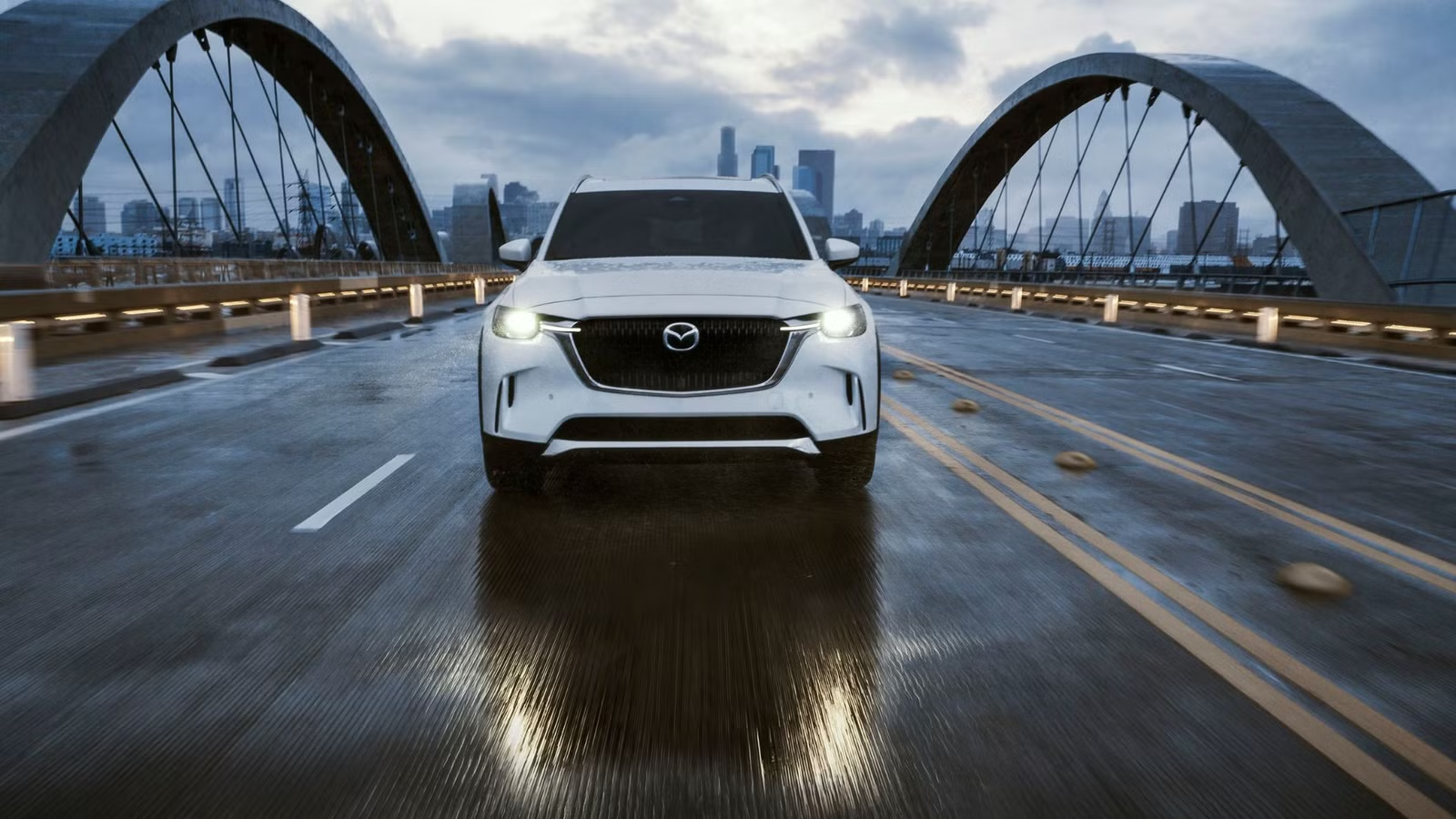
The latest affordable EVs have shed their reputation as stripped-out commuter pods. Quick acceleration, comfortable interiors, and useful cargo capacity are now standard. These five models show that going electric no longer requires luxury-car money.
2026 Kia Niro EV: $39,700
The Kia Niro EV sits at the top of this price range at $39,700. It's been around longer than most competitors in the electric subcompact SUV segment, and that experience shows.
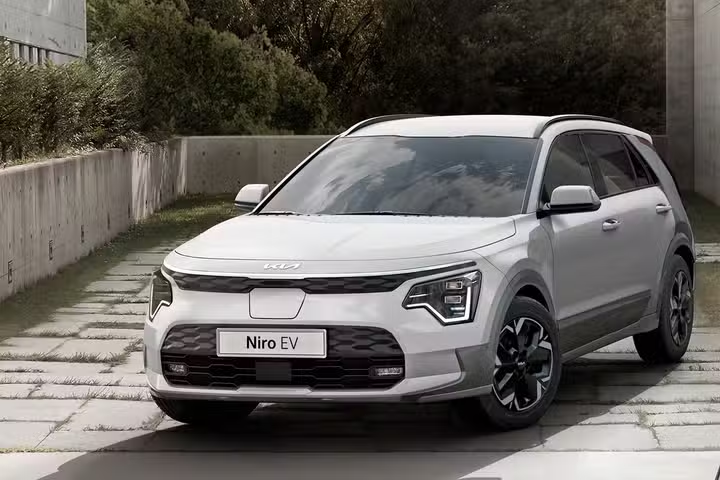
The Niro's dimensions blur category lines. It's closer to a compact SUV than a true subcompact, which translates to more interior space and cargo room than several rivals on this list. The base trim comes with front-wheel drive and an automatic transmission.
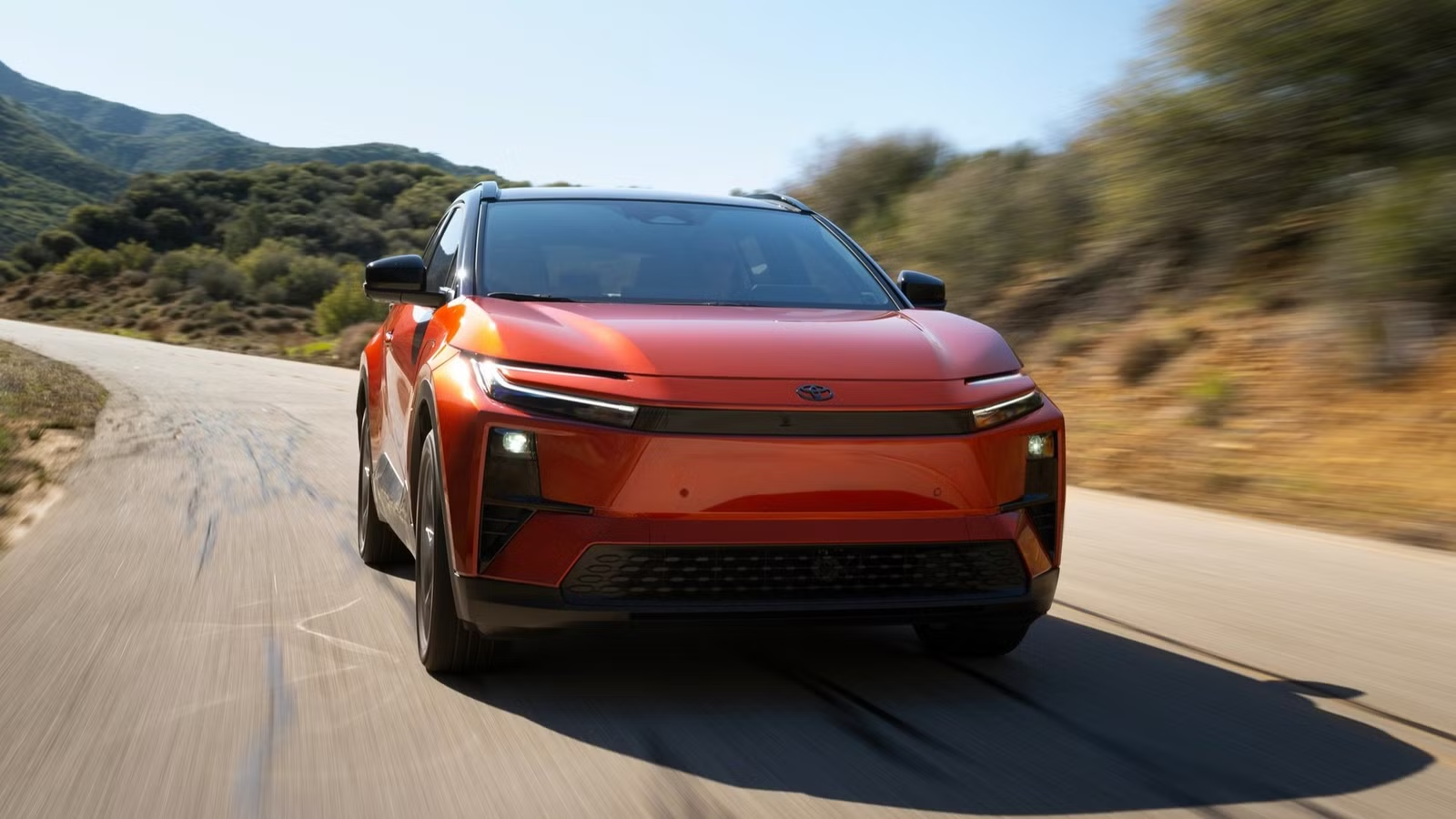
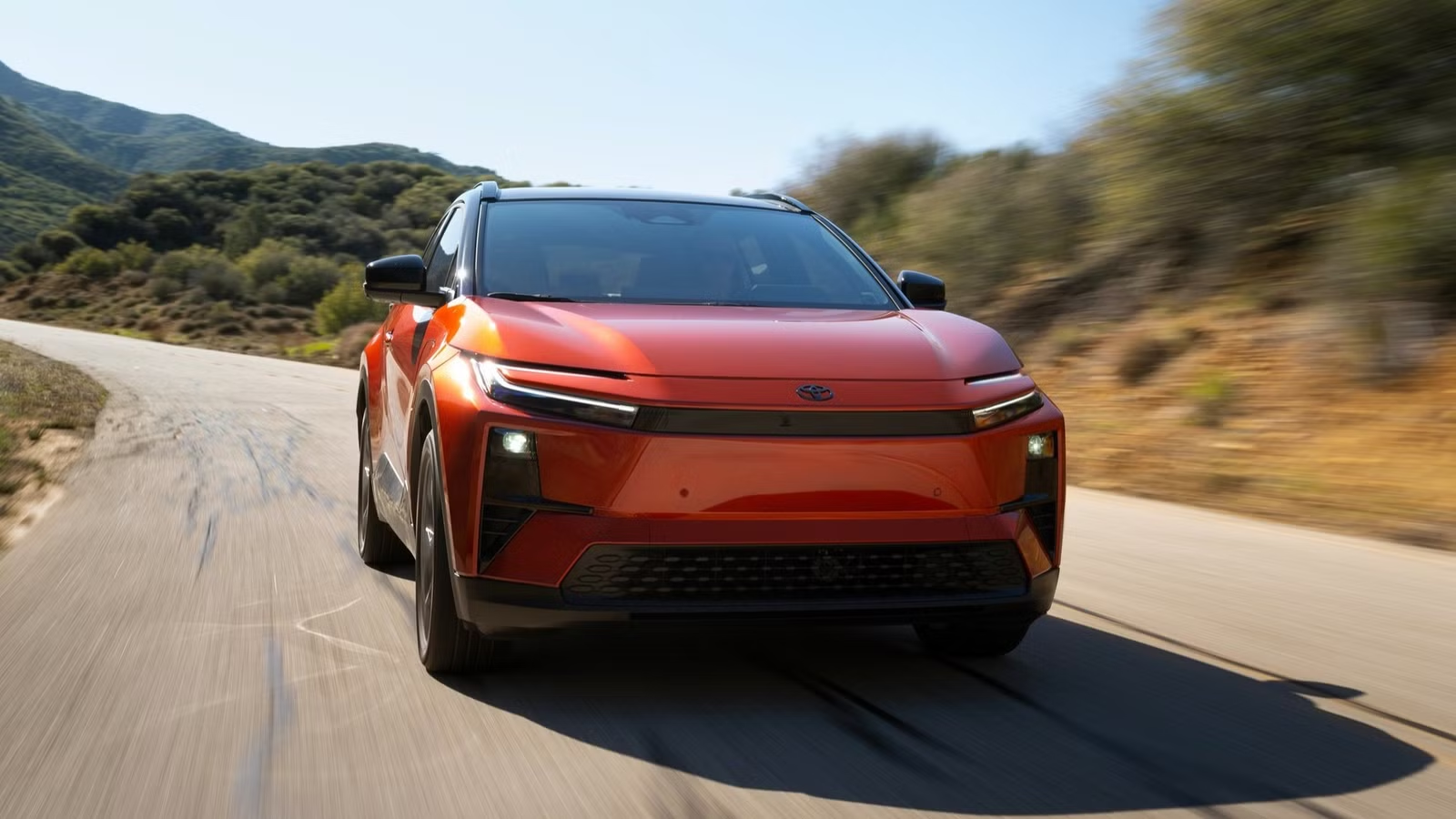
2026 Toyota C-HR Electric
Toyota's C-HR gets an all-electric version for 2026. The compact crossover brings Toyota's reliability reputation to the affordable EV segment.
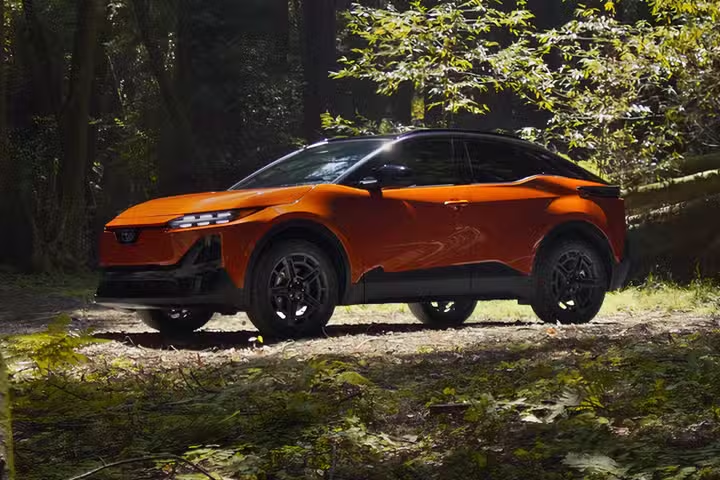
2026 Subaru Uncharted
Subaru enters the affordable EV crossover market with the Uncharted. The brand's all-wheel-drive heritage makes it a natural fit for buyers who want electric power without sacrificing capability.
2026 Nissan Leaf
The Nissan Leaf has evolved from a quirky early adopter's choice into a mature electric crossover. The 2026 model continues Nissan's long EV track record with updated styling and improved range.
2027 Chevrolet Bolt
Chevrolet's Bolt returns after a brief hiatus. The 2027 model brings updated design and technology while maintaining the value proposition that made earlier Bolts popular with budget-conscious EV buyers.
What Changed in the Affordable EV Market
Three years ago, finding an electric SUV under $40,000 meant accepting serious compromises. Limited range forced careful trip planning. Interiors felt cheap. Styling often screamed "economy car."
That's no longer true. Battery costs have dropped enough that automakers can pack usable range into affordable packages. Interior quality has improved across the segment. These vehicles work as genuine daily drivers, not just second cars for short commutes.
The Real Cost Equation
Sticker price tells only part of the story. Federal tax credits can shave up to $7,500 off qualifying EVs, pushing effective prices into the low $30,000s. Some state incentives stack on top of federal credits.
Operating costs favor EVs too. Electricity costs less per mile than gasoline in most markets. EVs skip oil changes and have fewer brake jobs thanks to regenerative braking. Over a typical ownership period, the total cost comparison often favors electric.
Logicity's Take
The sub-$40,000 EV crossover segment has reached a tipping point. These aren't compliance cars or science projects. They're practical daily drivers that happen to skip the gas station. For fleet managers and company car programs, the math now works without subsidies.
Frequently Asked Questions
Which electric SUV under $40,000 has the best range?
Range varies by model and trim. Check EPA ratings for each vehicle, as manufacturers update these figures regularly. The Kia Niro EV has historically offered competitive range in this segment.
Do electric SUVs under $40,000 qualify for the federal tax credit?
Many do, but eligibility depends on where the vehicle is manufactured and battery sourcing. Check the IRS list of qualifying vehicles before purchasing, as the rules changed in 2024.
Can affordable electric SUVs handle highway driving?
Yes. Modern affordable EVs deliver strong acceleration and comfortable highway cruising. The main consideration is range, and planning charging stops on longer trips.
What's the biggest compromise in budget electric SUVs?
Charging speed often lags behind more expensive EVs. Budget models may take longer at DC fast chargers, which matters most on road trips.
How much do electric SUVs cost to charge at home?
Costs depend on local electricity rates, but most EV owners spend $30-60 monthly on home charging. That's typically 50-70% less than equivalent gasoline costs.
Need Help Implementing This?
Evaluating EVs for your fleet or company car program? Logicity can connect you with analysts who specialize in total cost of ownership modeling and charging infrastructure planning. Reach out to discuss your specific use case.
Source: How-To Geek
Manaal Khan
Tech & Innovation Writer
Produced with AI assistance and reviewed by the Logicity editorial team. Learn more in our Editorial Policy.