Key Takeaways
- The Hays Code forced queer filmmakers to embed LGBTQ+ themes as subtext rather than explicit representation
- Films like Rope, Top Gun, and A Nightmare on Elm Street 2 are now recognized for their unintentional or coded queer content
- 78% of Gen Z viewers actively seek out LGBTQ+ themes even in films not marketed as queer content
Why 'Straight' Movies Often Aren't
Gay marriage became legal across the United States in 2015. Yet queer movies still feel relatively rare in mainstream cinema. Despite critical hits like 'The History of Sound,' 'Queer,' and 'I Saw the TV Glow,' 2025 marked a low point for explicit LGBTQ+ representation on screen.
But queer content in Hollywood has never been limited to films explicitly labeled as such. For nearly a century, filmmakers have embedded gay themes, characters, and relationships into ostensibly straight movies. Sometimes this was intentional, a way to dodge censorship. Sometimes it was accidental, the result of hypermasculinity circling back into homoeroticism.
A new roundup from Lifehacker identifies 30 of these films, ranging from 1930s horror classics to 1980s action blockbusters. The list serves as both a viewing guide and a history lesson in how Hollywood's restrictions shaped queer storytelling.
The Hays Code Era: Hiding in Plain Sight
The late 1920s and early 1930s were a golden age for films dealing explicitly with queer characters. Greta Garbo, Marlene Dietrich, and Katharine Hepburn became bisexual icons before that term was commonly used. Then came the Motion Picture Production Code, better known as the Hays Code, which banned depictions of 'sexual perversion' from 1934 to 1968.
Queer filmmakers didn't disappear. They adapted. They became experts at subtext, sneaking in themes that would fly over censors' heads but land with the right audiences. Alfred Hitchcock's 1948 thriller 'Rope' is a prime example.
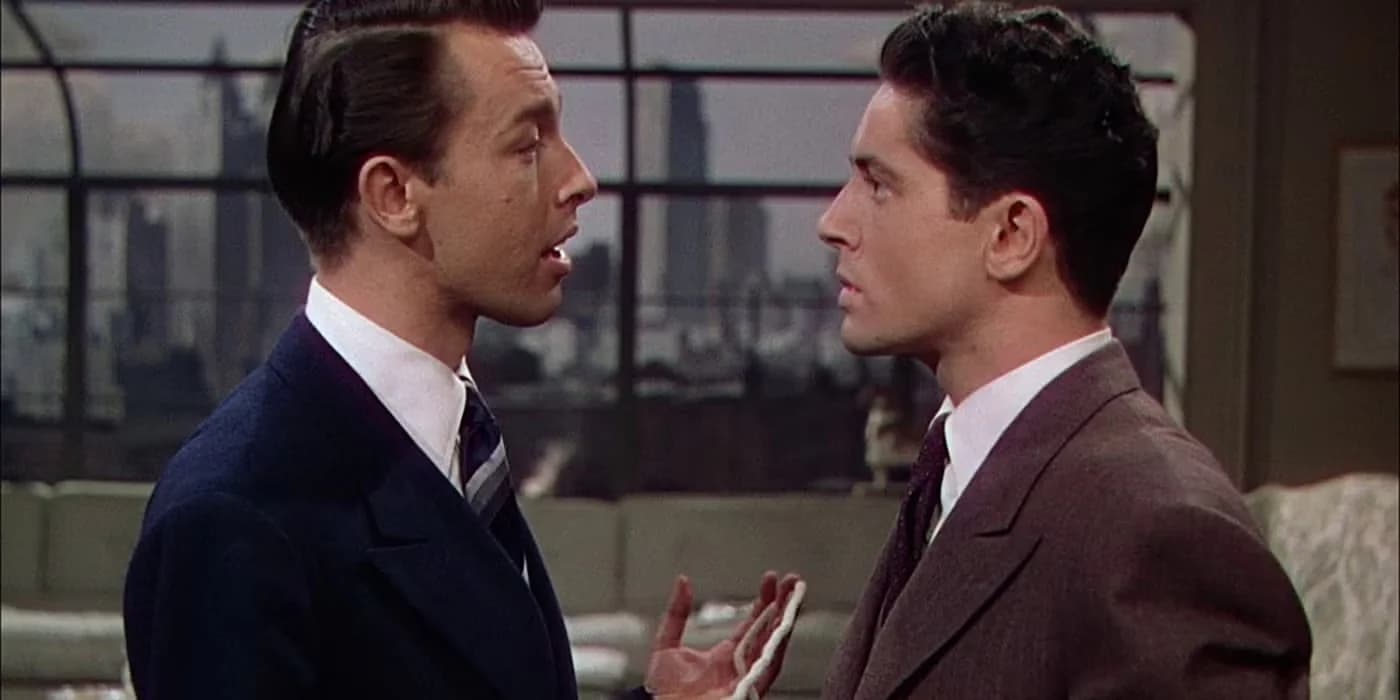
The film is based on a play loosely inspired by the Leopold and Loeb murders. In the play, the two killers are explicitly gay. The movie obscures this without really suggesting anything else. The two 'roommates,' played by Farley Granger (who came out late in life) and John Dall (widely believed to have been gay), are effete, sassy, and share an apartment. Screenwriter Arthur Laurents, who was gay, was an expert at dodging Hays Code restrictions.
Jimmy Stewart, who played a supporting role, apparently never caught on to his character's role in the subtext. The audiences of the 1940s? That's less certain.
Horror and the Queer Monster
Horror films have long served as a repository for queer coding. 'Bride of Frankenstein' (1935), directed by the openly gay James Whale, features a monster whose otherness has been read as a metaphor for queer identity. 'Cat People' (1942) centers on a woman terrified of her own desires. 'The Haunting' (1963) includes what film scholars consider one of cinema's earliest coded lesbian characters.
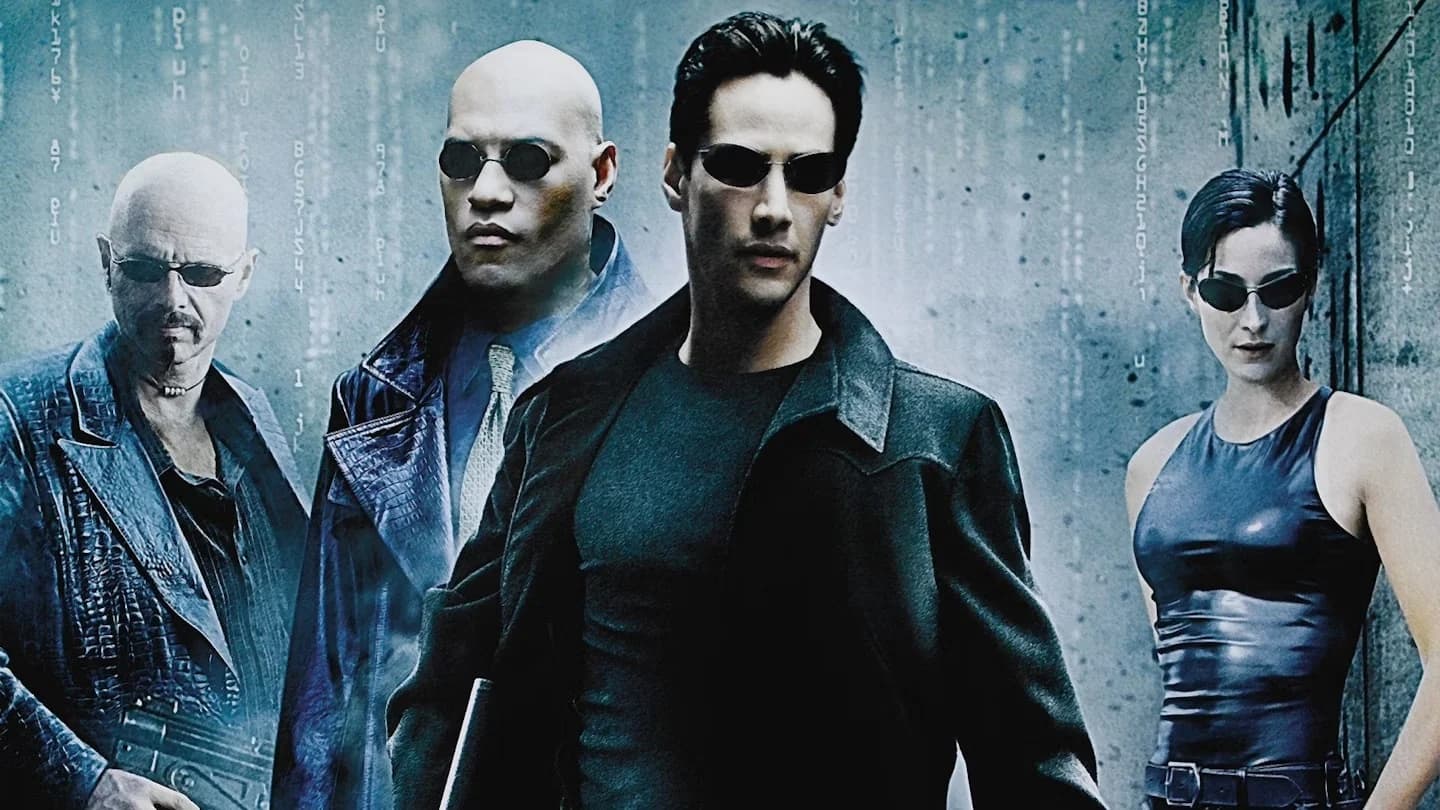
Then there's 'A Nightmare on Elm Street 2: Freddy's Revenge' (1985). The film has become widely considered the gayest horror movie ever made, though its queer subtext was apparently unintentional on the part of the director. Lead actor Mark Patton, who is gay, has spoken extensively about how the film's themes resonated with queer audiences.
Action Films and Accidental Homoeroticism
If horror offered space for queer monsters, action films offered space for queer desire, even when that wasn't the intention. The genre's emphasis on male bodies, intense same-sex relationships, and emotional repression created fertile ground for homoerotic readings.
'Top Gun' (1986) has become the gold standard for unintentional homoerotic subtext in action cinema. The volleyball scene. The locker room lingering. The intense rivalry between Maverick and Iceman that reads more like romantic tension than professional competition.
Quentin Tarantino famously described the film as 'a story about a man's struggle with his own sexuality.' Whether you agree with that reading or not, the interpretation has become impossible to ignore.
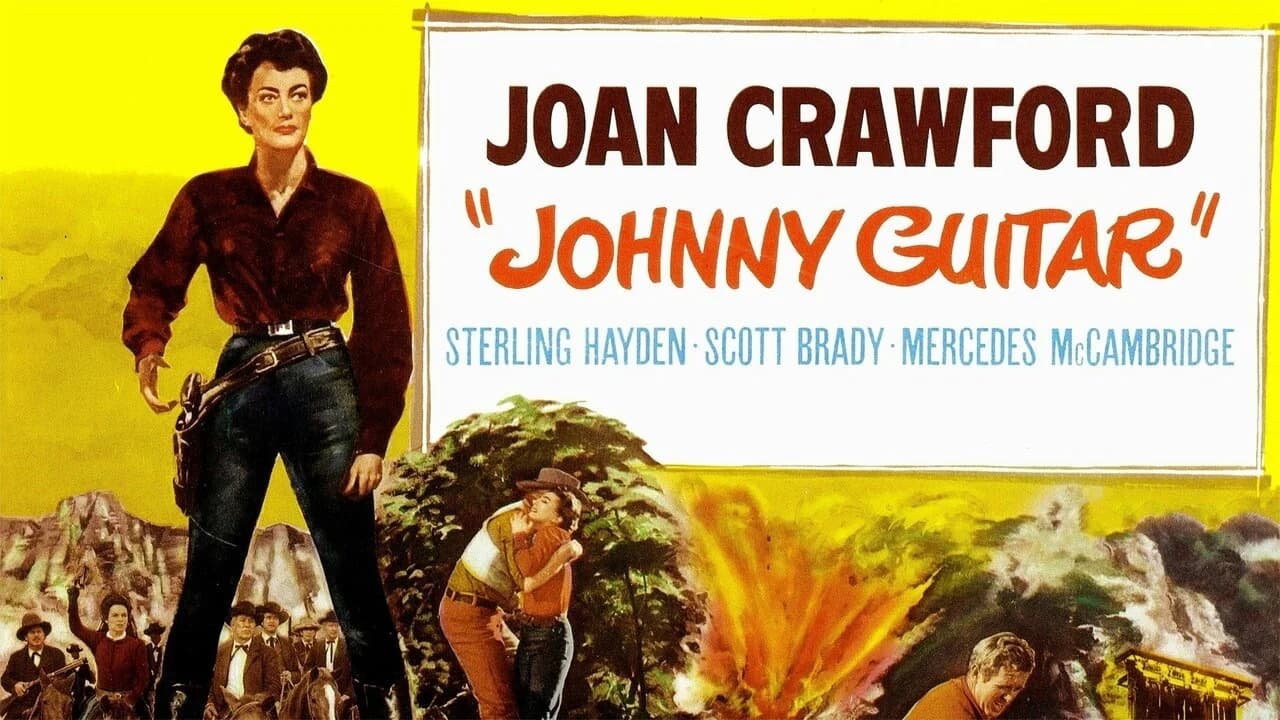
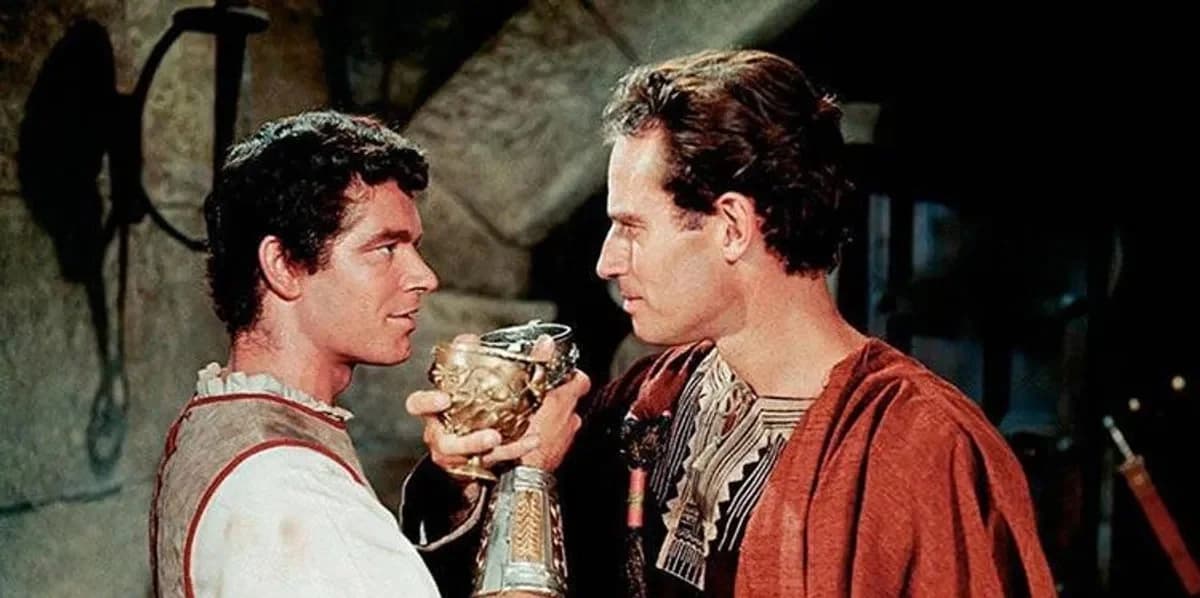
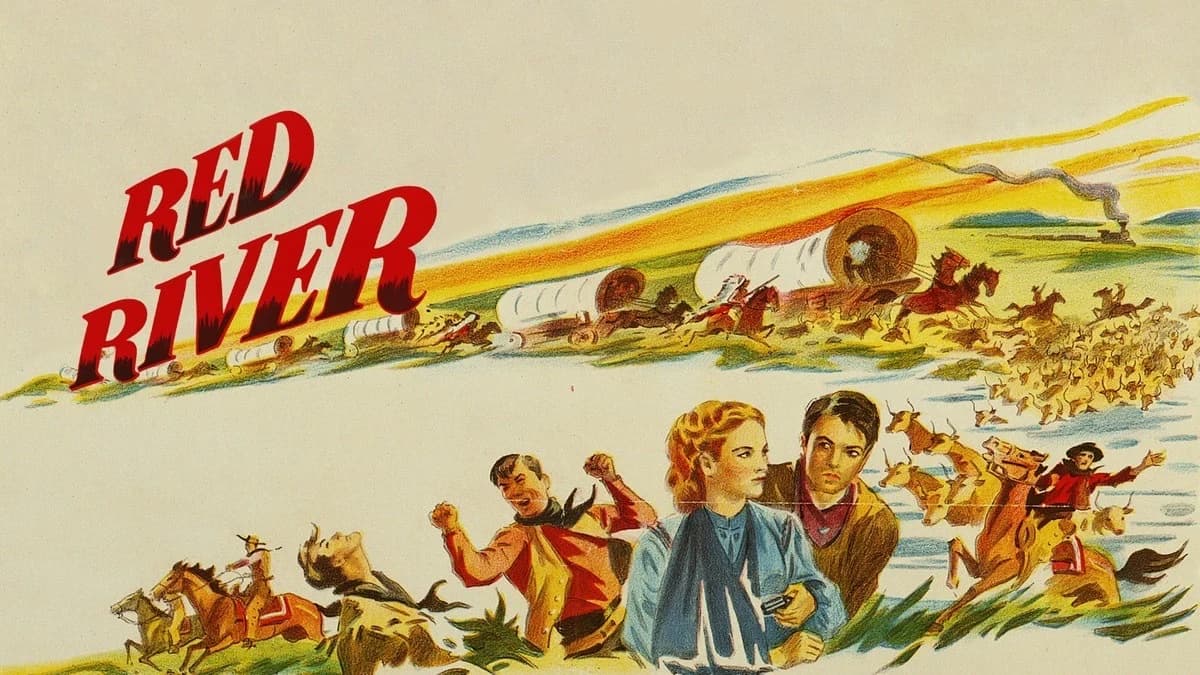
'Red River' (1948), 'Ben-Hur' (1959), and 'Rebel Without a Cause' (1955) all appear on the list. Each features intense male relationships that modern viewers read as romantic, whether or not the filmmakers intended them that way.
Why This Matters Now
These films aren't just historical curiosities. They represent the only space where queer longing could be expressed for much of cinema's history. For LGBTQ+ viewers of earlier generations, spotting the subtext was a survival skill. It was a way of seeing yourself on screen when explicit representation was forbidden.
Modern audiences are rediscovering these films with fresh eyes. Reddit's r/movies regularly hosts threads debating 'the gayest movie that isn't actually gay.' The consensus often points to the intense, obsessive friendships in 1980s and 1990s action films. Users debate whether the representation was intentional or a product of hypermasculine standards circling back into homoeroticism.
The debate itself is valuable. It forces viewers to think critically about how films construct gender and desire. It reveals how much of what we consider 'normal' male behavior in cinema is, on closer inspection, deeply strange and often quite gay.
The Full List
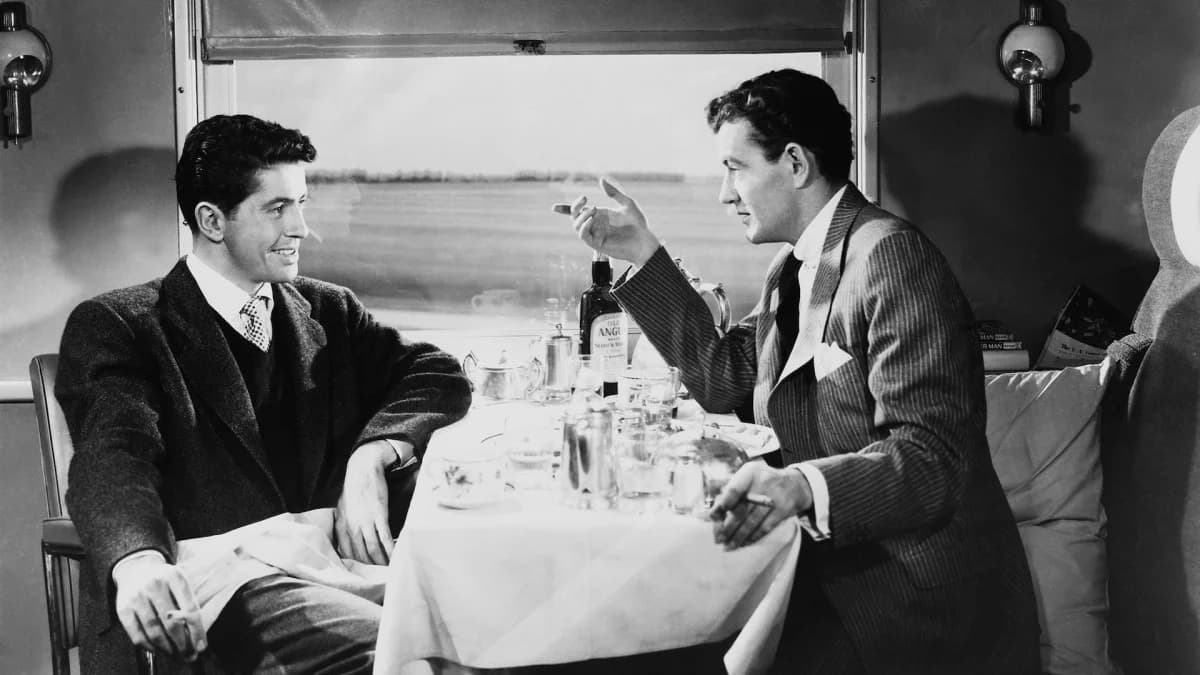
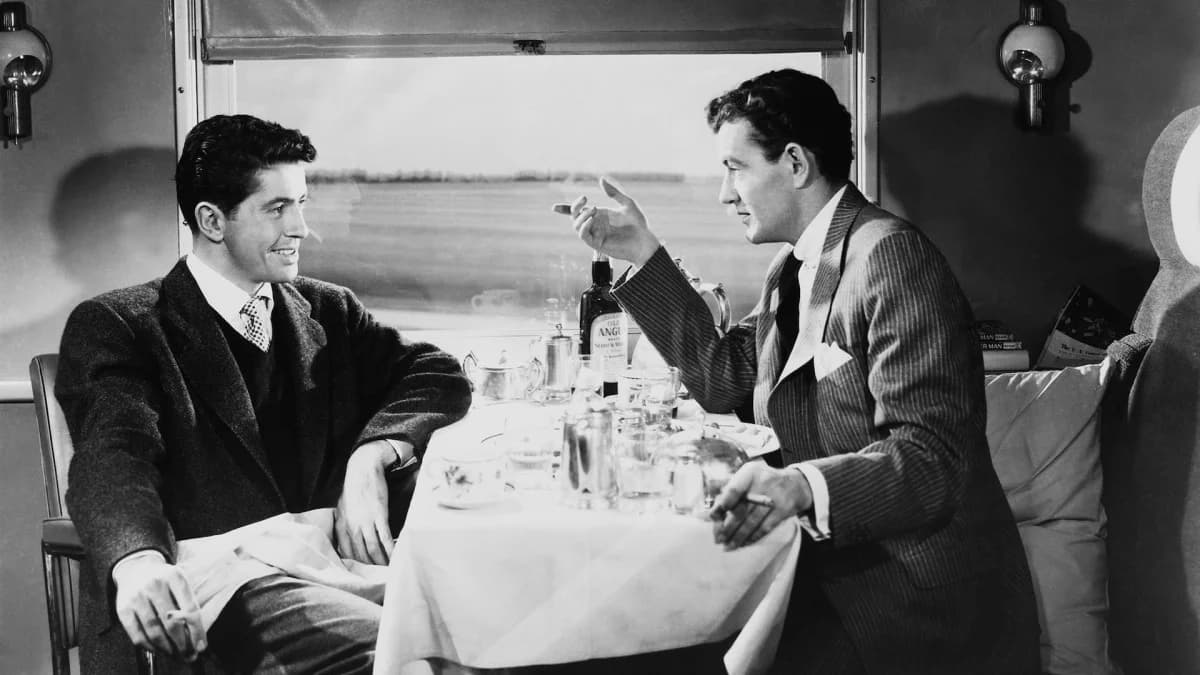
The roundup spans nearly 90 years of cinema. Highlights include Hitchcock's 'Strangers on a Train' (1951), film noir classic 'The Maltese Falcon' (1941), and even 'Star Wars: The Force Awakens' (2015), whose Finn and Poe relationship launched a thousand fan theories.
Most of these films are available to stream. 'Rope' can be rented on Prime Video. Many of the classic Hollywood entries appear on TCM and the Criterion Channel. The 1980s entries are scattered across various streaming platforms.
Logicity's Take
Frequently Asked Questions
Frequently Asked Questions
What is queer subtext in films?
Queer subtext refers to LGBTQ+ themes, relationships, or coding that exists beneath the surface of a film's explicit narrative. During the Hays Code era (1934-1968), filmmakers used subtext to include queer content without triggering censorship.
Why do action movies have so much homoerotic subtext?
Action films emphasize male bodies, intense same-sex relationships, and emotional repression. The genre's hypermasculine conventions often circle back into homoeroticism, creating space for queer readings even when filmmakers didn't intend them.
Where can I watch these classic films with queer subtext?
Many are available on streaming platforms. 'Rope' is on Prime Video. Classic Hollywood entries appear on TCM and the Criterion Channel. Newer entries like 'Top Gun' and 'A Nightmare on Elm Street 2' are on various streaming services.
Was the queer subtext in these films intentional?
It depends on the film. Some, like 'Rope,' had openly gay writers who deliberately encoded queer themes. Others, like 'Top Gun,' appear to have developed homoerotic subtext unintentionally through genre conventions.
Why are modern audiences rediscovering these films?
Greater LGBTQ+ visibility has given viewers new frameworks for understanding older films. What earlier generations sensed as subtext, modern audiences can name and analyze. Gen Z viewers in particular actively seek out queer themes in media.
Need Help Implementing This?
Source: Lifehacker
Huma Shazia
Senior AI & Tech Writer
Produced with AI assistance and reviewed by the Logicity editorial team. Learn more in our Editorial Policy.