Key Takeaways
- The Prius Prime starts at $35,070, undercutting most PHEV crossovers by thousands
- 44 miles of all-electric range covers most daily commutes without using gas
- 52 mpg combined efficiency in hybrid mode makes long trips economical
The Math Still Favors the Prius
Plug-in hybrids occupy an awkward middle ground. They promise electric driving for short trips and gas backup for long ones. In practice, many PHEVs disappoint: high sticker prices eat into fuel savings, limited electric range forces gasoline use too often, or hybrid-mode efficiency drops to unremarkable levels once the battery empties.
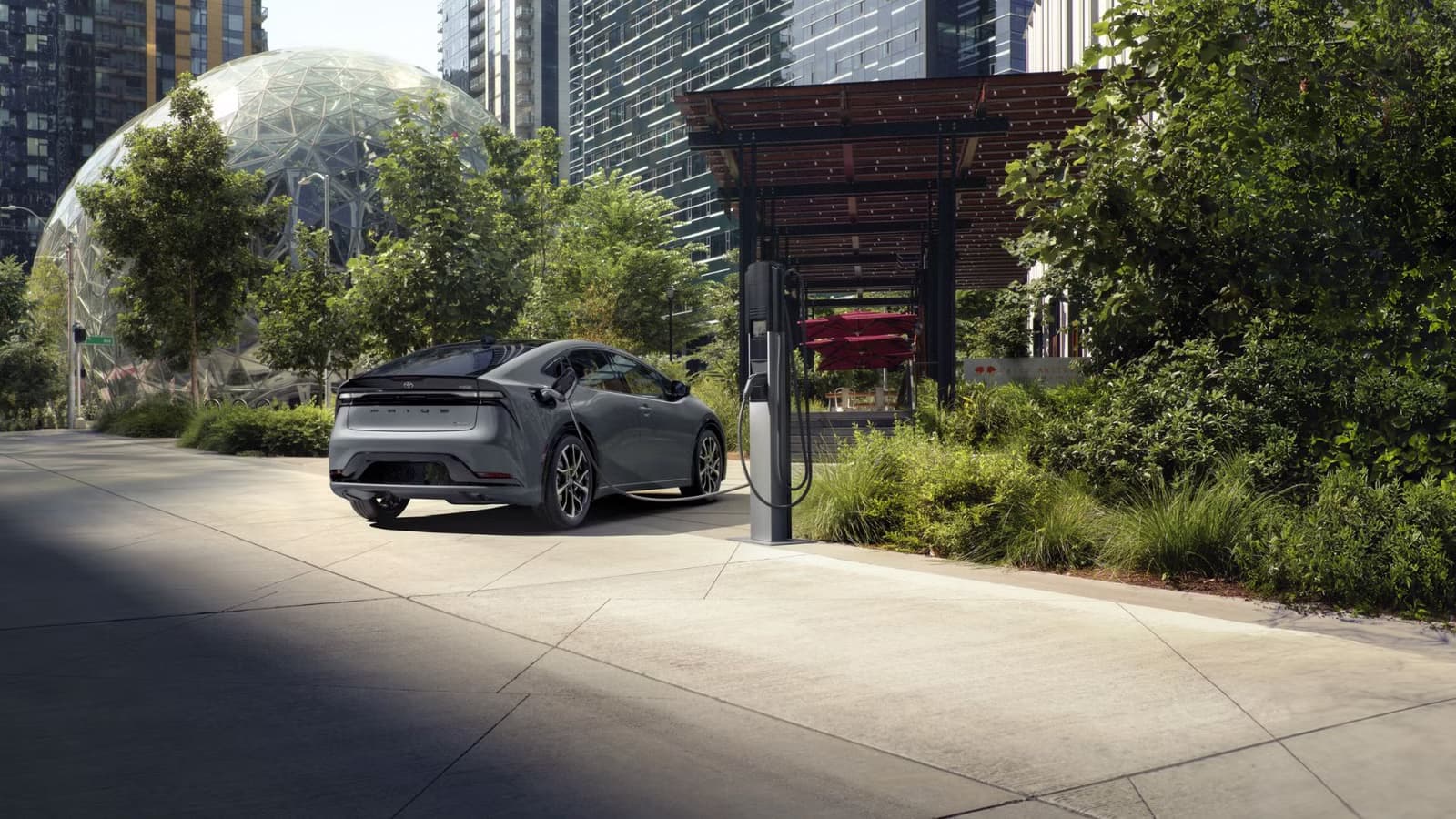
The 2026 Toyota Prius Prime dodges all three problems. At $35,070 to start, it undercuts most PHEV crossovers. Its 44-mile EPA-estimated electric range handles the average American commute (roughly 40 miles round-trip) without burning a drop of gas. When the battery depletes, the car still returns 52 mpg combined. That combination remains unmatched in the segment.
What Changed for 2026
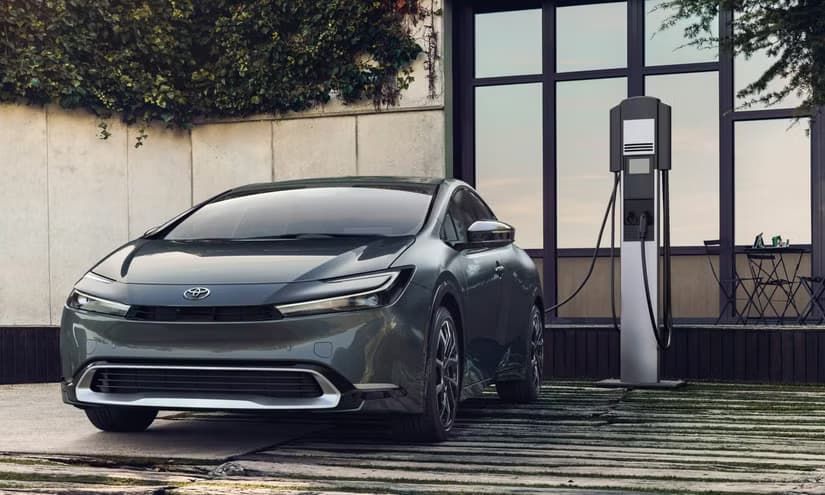
Toyota redesigned the Prius in 2023, dropping the quirky eco-box look for a sleeker, lower-slung shape. The 2026 model carries that design forward with refinements. The cabin feels more premium than older Prius generations. Ride quality has improved. And the powertrain delivers surprisingly strong acceleration for a car built around efficiency.
The Nightshade Edition, a trim Toyota introduced for 2026, has drawn attention in enthusiast communities. It adds blacked-out exterior accents for a sportier appearance. Reddit discussions on r/Prius show buyers debating whether the Nightshade's price premium over the base SE erodes the car's value advantage. For most buyers focused purely on cost-per-mile, the SE trim remains the sweet spot.
How It Compares to Competitors
The PHEV market has grown crowded. Honda, Hyundai, Kia, and several European brands now offer plug-in options. Yet none package efficiency, electric range, and price as tightly as the Prius Prime.
PHEV crossovers like the Toyota RAV4 Prime or Hyundai Tucson Plug-In Hybrid offer more space but cost $5,000 to $10,000 more. Compact PHEVs from European brands carry higher base prices and often deliver lower hybrid-mode mpg. The Prius Prime's closest competitor on paper, the Hyundai Ioniq Plug-In, was discontinued after 2022.
Total Cost of Ownership Wins
The Prius Prime's value story extends beyond the sticker price. Toyota's hybrid reliability record remains strong. Resale values hold well. Insurance costs trend lower than performance-oriented EVs. Maintenance is minimal since the regenerative braking system reduces brake wear.
For a driver with a 30-mile daily commute, the Prius Prime can operate almost entirely on electricity during the workweek. Charge overnight at home using a standard 120V outlet. Weekend road trips tap the hybrid system, where 52 mpg keeps fuel stops infrequent. This pattern makes the Prius Prime one of the cheapest cars to operate in the current market.
Who Should Consider It
The Prius Prime fits buyers who want electric-car efficiency without full EV infrastructure dependence. If you have home charging access and a commute under 40 miles, you can drive gas-free most days. When you need to travel farther, there is no range anxiety.
It also works for buyers skeptical of rapid EV depreciation. Used EV prices have dropped sharply as new models arrive. The Prius, with its simpler hybrid system and Toyota badge, has historically held value better.
✅ Pros
- • Lowest starting price among PHEVs at $35,070
- • 44-mile electric range covers typical daily commutes
- • 52 mpg hybrid efficiency beats most competitors
- • Strong Toyota reliability and resale record
❌ Cons
- • Hatchback body limits cargo space versus crossovers
- • Higher trims like XSE narrow the price advantage
- • No all-wheel drive option on the plug-in model
The Bottom Line
The 2026 Toyota Prius Prime remains the plug-in hybrid to beat. Competitors have tried to match its formula but keep tripping on price, efficiency, or range. Until someone packages all three as effectively as Toyota, the Prius Prime stays the default recommendation for PHEV shoppers.
Logicity's Take
Frequently Asked Questions
How far can the 2026 Prius Prime drive on electric only?
The EPA estimates 44 miles of all-electric range on the SE trim, enough for most daily commutes.
What is the fuel economy after the battery depletes?
The Prius Prime returns 52 mpg combined in hybrid mode, making it efficient even on long trips.
Is the Prius Prime cheaper than other plug-in hybrids?
Yes. At $35,070 starting MSRP, it undercuts most PHEV competitors, especially crossover models.
Can you charge a Prius Prime at home?
Yes. A standard 120V outlet can fully charge the battery overnight. A 240V outlet speeds this up.
Does the Prius Prime qualify for federal EV tax credits?
Eligibility depends on battery sourcing and assembly location. Check the IRS website for current status.
Need Help Implementing This?
Source: How-To Geek
Manaal Khan
Tech & Innovation Writer
Produced with AI assistance and reviewed by the Logicity editorial team. Learn more in our Editorial Policy.