Key Takeaways
- A 2022-2024 Camry Hybrid LE costs around $22,000 used and delivers 52 MPG combined
- The 2026 Corolla starts at $23,125 but only manages 34 MPG combined
- Toyota's 10-year, 150,000-mile hybrid battery warranty often covers used models for years
The Math Favors the Used Hybrid
The 2026 Toyota Corolla is a solid car. It starts at $23,125, returns 34 MPG combined, and includes Toyota's standard safety suite across every trim. For decades, the Corolla has earned its reputation as affordable, reliable, and cheap to own.
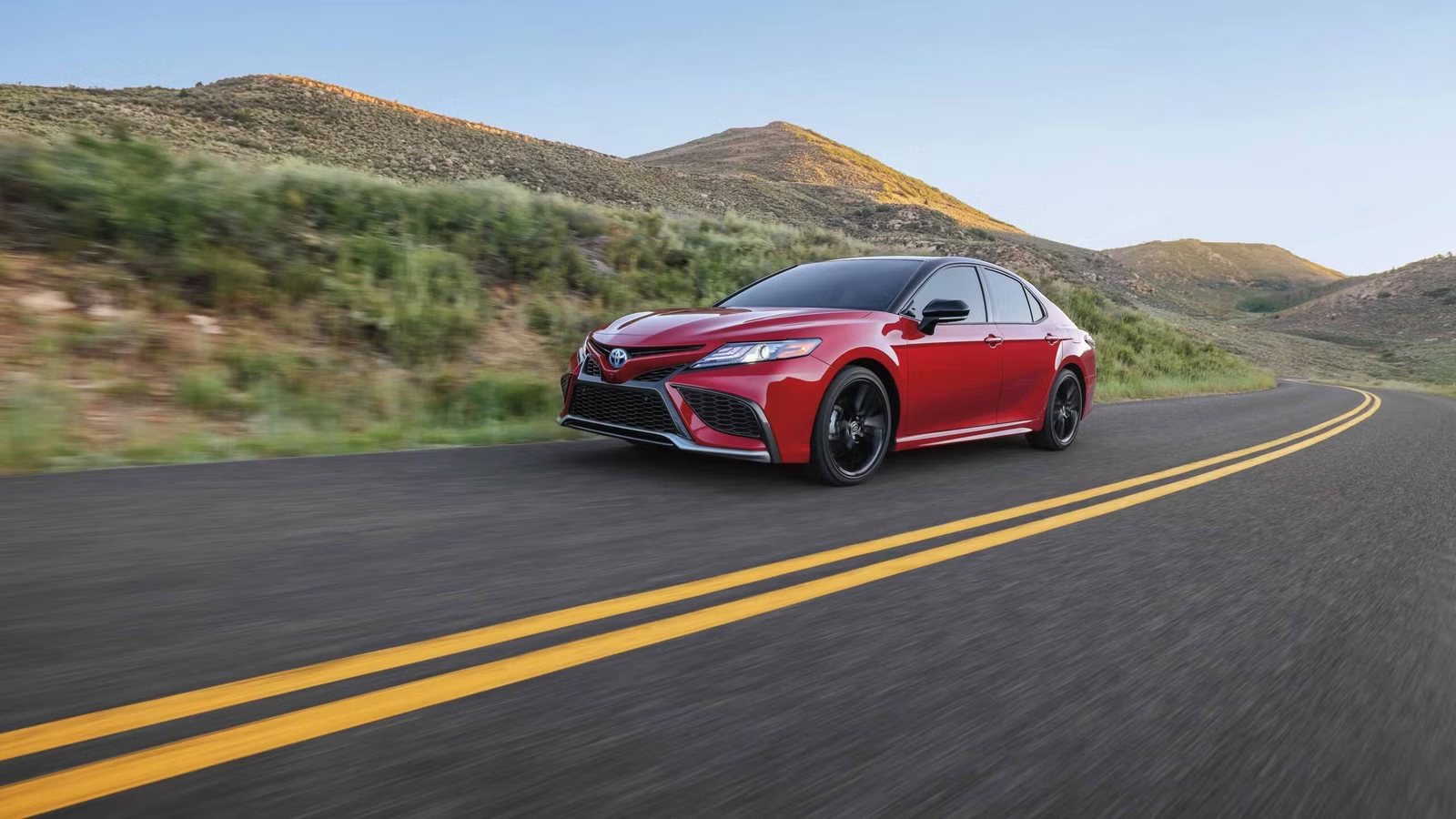
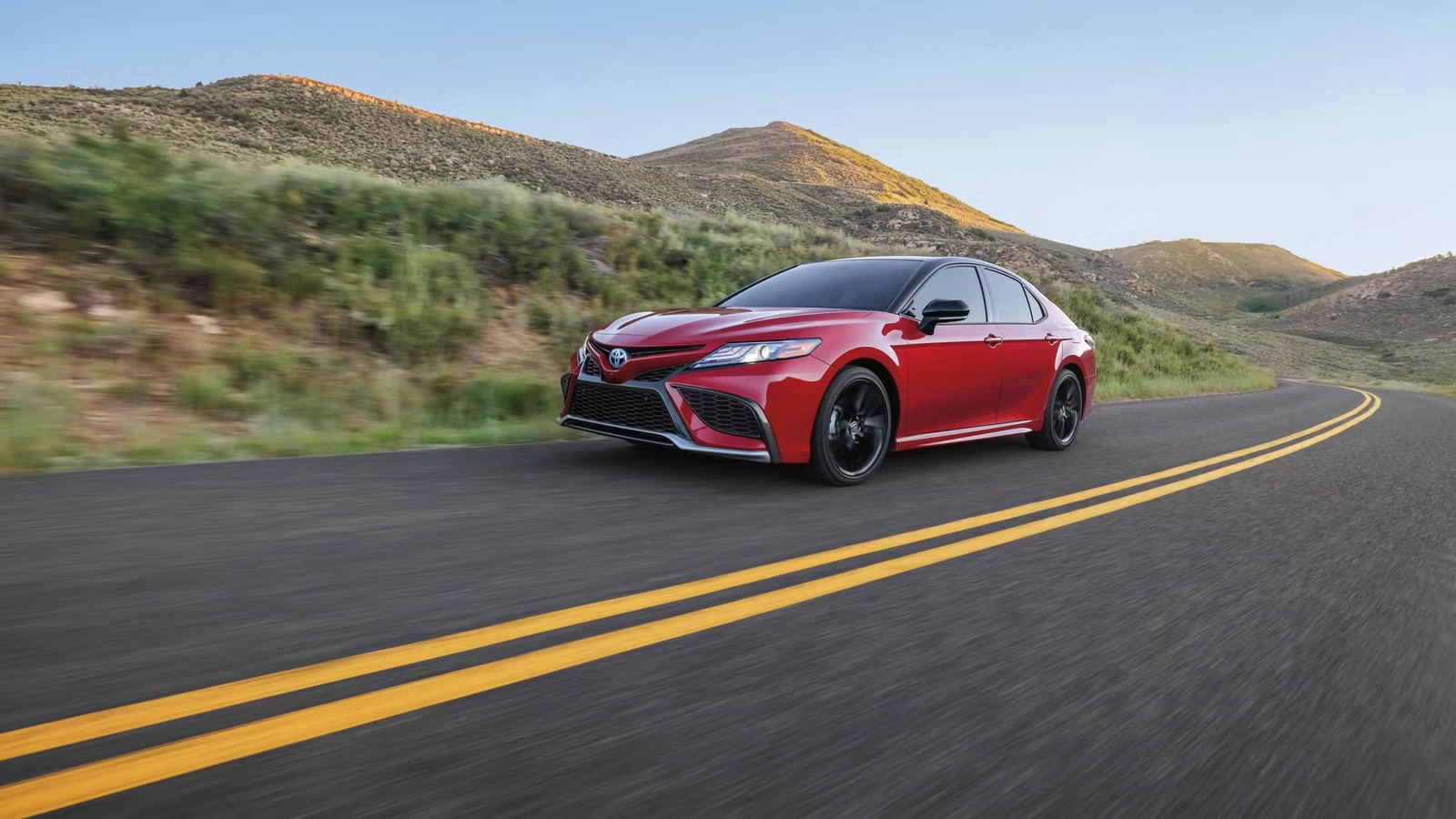
But there's a better deal hiding in used car lots right now. A 2022 to 2024 Toyota Camry Hybrid LE sells for around $22,000 in good condition. It delivers an EPA-rated 52 MPG combined. That's 18 more miles per gallon than the new Corolla, in a larger midsize sedan with more power, at roughly the same price.
What You Get With the Camry Hybrid
The Camry Hybrid pairs a 2.5-liter four-cylinder engine with an electric motor for a combined 208 horsepower. The 2026 Corolla's 2.0-liter four-cylinder produces 169 horsepower. The Camry isn't just more efficient. It's faster.
Interior space favors the Camry too. It's a midsize sedan with significantly more rear legroom and a 15.1 cubic foot trunk. Toyota engineered the battery placement so trunk capacity matches the non-hybrid Camry exactly.
The Warranty Situation
Here's where skeptics raise concerns about buying a used hybrid: battery replacement costs. Toyota addresses this with a 10-year, 150,000-mile hybrid battery warranty.
A 2022 Camry Hybrid LE with 67,000 miles on the odometer still has substantial warranty coverage remaining. That's years of protection on the most expensive component in the car.
Why 2024 Is the Sweet Spot
For the 2025 model year, Toyota moved the Camry to a hybrid-only lineup. The 2024 model represents the final year of the previous generation, a platform refined over years of production.
This matters for buyers who prefer physical controls. The 2024 Camry retains traditional buttons and knobs for climate and infotainment. Enthusiast forums on Reddit consistently cite this as a selling point over newer vehicles that bury everything in touchscreen menus.
“The 2024 Camry Hybrid remains the gold standard for those who want a proven, comfortable, and highly efficient commuter without the premium price tag of a brand-new hybrid model.”
— Carl Anthony, Automotive Lead at How-To Geek
Side-by-Side Comparison
| Spec | 2024 Camry Hybrid LE (Used) | 2026 Corolla LE (New) |
|---|---|---|
| Price | ~$22,000 | $23,125 |
| Combined MPG | 52 | 34 |
| Horsepower | 208 (system) | 169 |
| Body Style | Midsize sedan | Compact sedan |
| Trunk Space | 15.1 cu. ft. | 13.1 cu. ft. |
The Fuel Savings Add Up
Let's run the numbers. Assume you drive 15,000 miles per year and gas costs $3.50 per gallon. The Corolla would burn about 441 gallons annually. The Camry Hybrid would use roughly 288 gallons. That's 153 gallons saved per year, or about $535.
Over five years, you'd save around $2,675 on fuel alone. Combined with the lower purchase price, the Camry Hybrid pulls ahead financially while delivering a more comfortable ride.
What the Community Says
On r/Toyota and r/whatcarshouldIbuy, the 2024 Camry Hybrid frequently appears as a recommended "bulletproof" choice. Users cite its superior ride comfort, interior space, and long-term reliability compared to new budget subcompacts.
Hacker News discussions tend to focus on "feature creep" in newer vehicles. Many commenters praise the 2024 Camry's retention of physical buttons as a usability win.
✅ Pros
- • 52 MPG combined vs 34 MPG in the new Corolla
- • 208 hp system output offers more passing power
- • Larger interior with more rear legroom
- • Toyota's 10-year/150,000-mile hybrid battery warranty transfers
- • Physical controls for climate and infotainment
❌ Cons
- • Higher mileage on used examples (typically around 67,000 miles)
- • No factory warranty on non-hybrid components
- • Older infotainment tech compared to 2026 models
- • May require more effort to find the right example
Logicity's Take
Frequently Asked Questions
Frequently Asked Questions
How long does a Toyota Camry Hybrid battery last?
Toyota warranties the hybrid battery for 10 years or 150,000 miles. Real-world reports suggest many last well beyond that with normal driving.
Is it safe to buy a used hybrid car?
Yes, especially Toyota hybrids. The Camry Hybrid has a strong reliability record, and the remaining factory warranty on the battery reduces risk significantly.
What's the difference in insurance costs between Camry Hybrid and Corolla?
Insurance rates vary by location and driver profile, but the Camry Hybrid typically costs slightly more to insure due to its higher value and repair costs.
Does the Camry Hybrid require special maintenance?
No. The Camry Hybrid follows a similar maintenance schedule to conventional Toyotas. Brake pads often last longer due to regenerative braking.
Can I charge the Camry Hybrid at home?
The Camry Hybrid is a self-charging hybrid, not a plug-in. It charges its battery through regenerative braking and the gasoline engine. No external charging required.
Need Help Implementing This?
Source: How-To Geek
Manaal Khan
Tech & Innovation Writer
Produced with AI assistance and reviewed by the Logicity editorial team. Learn more in our Editorial Policy.