Key Takeaways
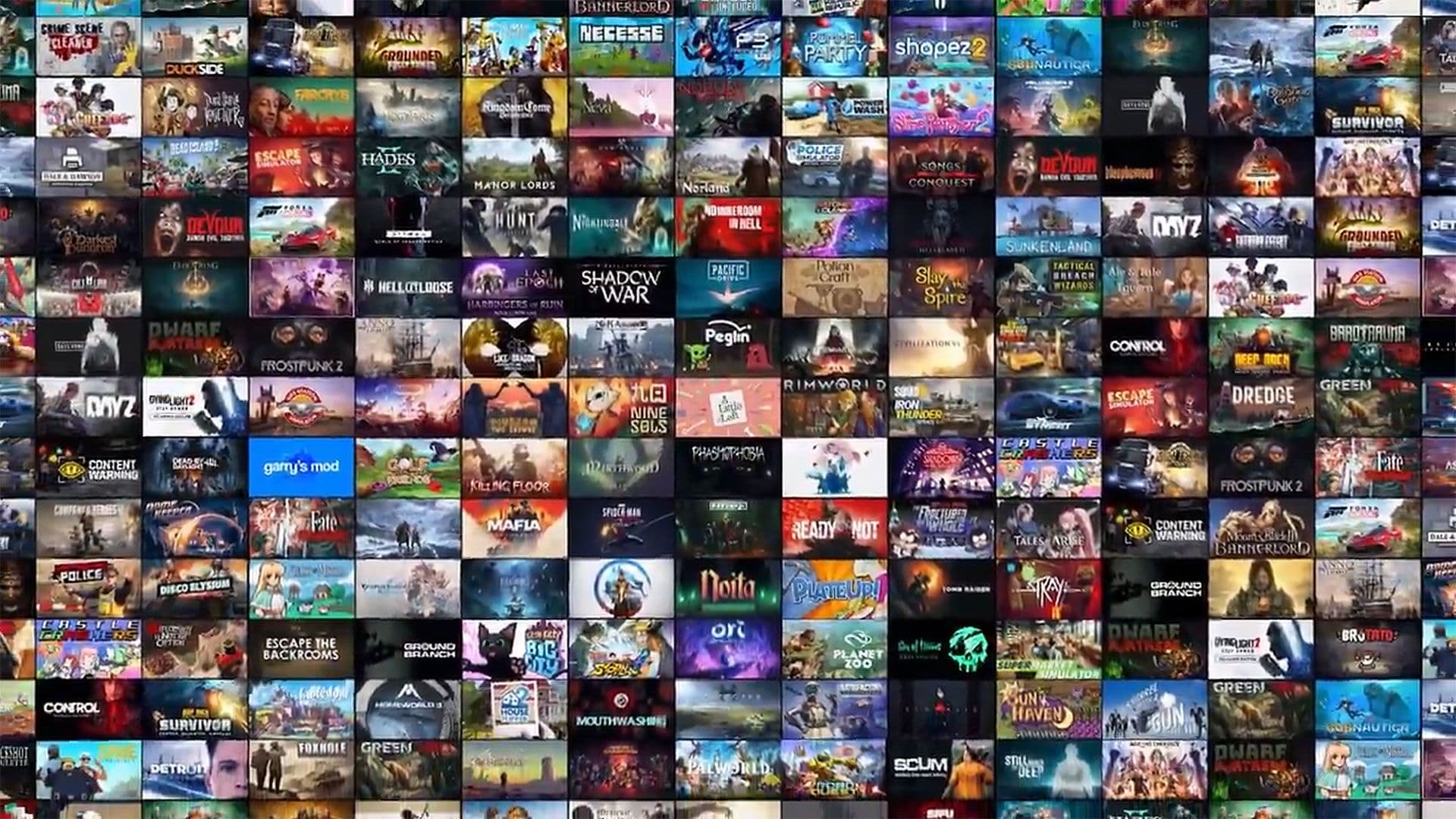
- Three Steam users now own over 40,000 games each, with the top collector Sonix holding 43,085 titles
- The largest Steam library is worth nearly $750,000 at current prices
- Playing through a 40,000-game collection at 8 hours per day would take 21 years
Most PC gamers have a pile of unplayed Steam games. Sale fever hits, credit cards swipe, and libraries grow faster than free time allows. But 120 people have taken this to an extreme that defies comprehension.
According to SteamDB's latest figures, 120 Steam users now own 20,000 or more games each. At the top of this leaderboard sits a user named Sonix, whose collection of 43,085 Steam games would cost nearly $750,000 at today's retail prices.
The 40,000 Club Has Three Members
Sonix isn't alone at the top. Three Steam users have crossed the 40,000-game threshold. Last September, Sonix became the first to earn the 40K badge. Now two others have joined that exclusive club.
To put this in perspective: if you played each of those 40,000 games for just one hour, you'd need nearly five years of continuous, nonstop gaming. At a more realistic eight hours per day, that's 21 years to get through the collection.
What the 120th-Place Collector Looks Like
At the bottom of the 20,000+ club is Cheltan, a Japanese user who has been on Steam for over 17 years. Their 20,005-game collection is worth $148,596 at current prices. The average price paid per game? Just $7.47, suggesting heavy sale shopping.
Cheltan's play statistics reveal a pattern common among mega-collectors. They've played only 8,732 of their 21,938 accessible games (including free titles). That's about 40% of the library. Average playtime per game is 4.7 hours, with an effective cost of $0.92 per hour of entertainment.
The Math Behind Mega-Collections
Building a 40,000-game library takes serious time even before you play anything. If each purchase takes just one minute, and you work eight-hour days, you'd need three months just to buy all the games.
- Playing 40,000 games nonstop: 7 full years
- Playing 8 hours per day: 21 years
- Time to purchase at 1 minute per game, 8 hours per day: 3 months
The Accidental Double-Purchase Problem
When your library reaches thousands of titles, a new problem emerges: buying games you already own. Many collectors admit they've purchased the same game twice after seeing an irresistible sale, only to realize the mistake after checkout.
With Steam's regular seasonal sales, flash deals, and publisher promotions, it's easy to lose track. The platform doesn't always warn you clearly when a game is already in your library, especially when viewing sale pages or external storefronts.
Logicity's Take
Why People Build Massive Libraries
Steam gamification plays a role. The platform awards badges for collection milestones, turning ownership into its own game. Some collectors chase leaderboard positions. Others simply can't resist a 90% off deal, even if they'll never install the game.
The $750,000 valuation of Sonix's library assumes full retail prices. In reality, dedicated collectors use bundling sites, deep discounts, and promotional offers. The actual money spent is likely a fraction of that figure, though still substantial.
Frequently Asked Questions
How many games does the largest Steam library have?
The largest Steam library belongs to a user named Sonix, who owns 43,085 games worth nearly $750,000 at current retail prices.
How many Steam users own over 20,000 games?
According to SteamDB, 120 Steam users currently own 20,000 or more games in their libraries.
How long would it take to play 40,000 Steam games?
Playing each game for one hour would take about 7 years nonstop, or 21 years at a more realistic 8 hours per day.
What is the average price paid per game by large collectors?
The 120th-ranked collector paid an average of $7.47 per game, indicating heavy use of Steam sales and discounts.
Need Help Implementing This?
Source: Latest from Tom's Hardware
Huma Shazia
Senior AI & Tech Writer
Produced with AI assistance and reviewed by the Logicity editorial team. Learn more in our Editorial Policy.