Key Takeaways
- The Chevrolet Trax starts at $21,700 and offers a surprisingly large trunk and solid ride quality for budget buyers.
- Hyundai and Kia's 10-year/100,000-mile powertrain warranty makes them top contenders for value-conscious shoppers.
- Hybrid SUVs like the RAV4 Hybrid now achieve 40+ MPG combined, drastically cutting ownership costs over time.
Average new vehicle prices keep climbing, but you don't need $60,000 to drive a capable, well-equipped SUV. The sub-$40,000 segment has quietly become the most competitive space in the auto industry, with manufacturers packing hybrid powertrains, advanced driver-assistance systems, and oversized infotainment screens into crossovers that cost less than a loaded sedan did five years ago.
"The sub-$40,000 SUV segment has become the primary battleground for the American family," says Sarah Jenkins, an automotive industry analyst at AutoTrend Reports. "Manufacturers are no longer just competing on price, but on the integration of intuitive tech and hybrid reliability."
Here are ten models that prove you can get a lot of SUV without stretching into luxury territory.
Which budget SUV offers the lowest entry price?
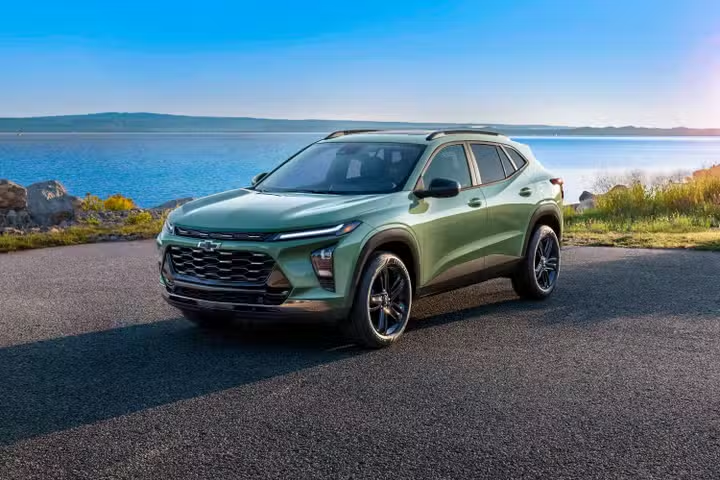
The 2026 Chevrolet Trax starts at $21,700, making it the cheapest option on this list. Chevrolet has done a solid job making the Trax feel like a proper crossover despite its price. You won't confuse it with a luxury vehicle, and it's not fast off the line. But it has a surprisingly large trunk, a clean dashboard design, and ride quality that punches above its weight.
The Trax runs a 1.2-liter turbocharged three-cylinder engine producing 137 horsepower and 162 lb-ft of torque. Combined fuel economy sits at 30 MPG. The tradeoffs? Front-wheel drive only, some low-rent interior materials, and acceleration that requires patience. For city commuting and budget-conscious buyers, those compromises are easy to accept.
What's the best small SUV for driving enjoyment?
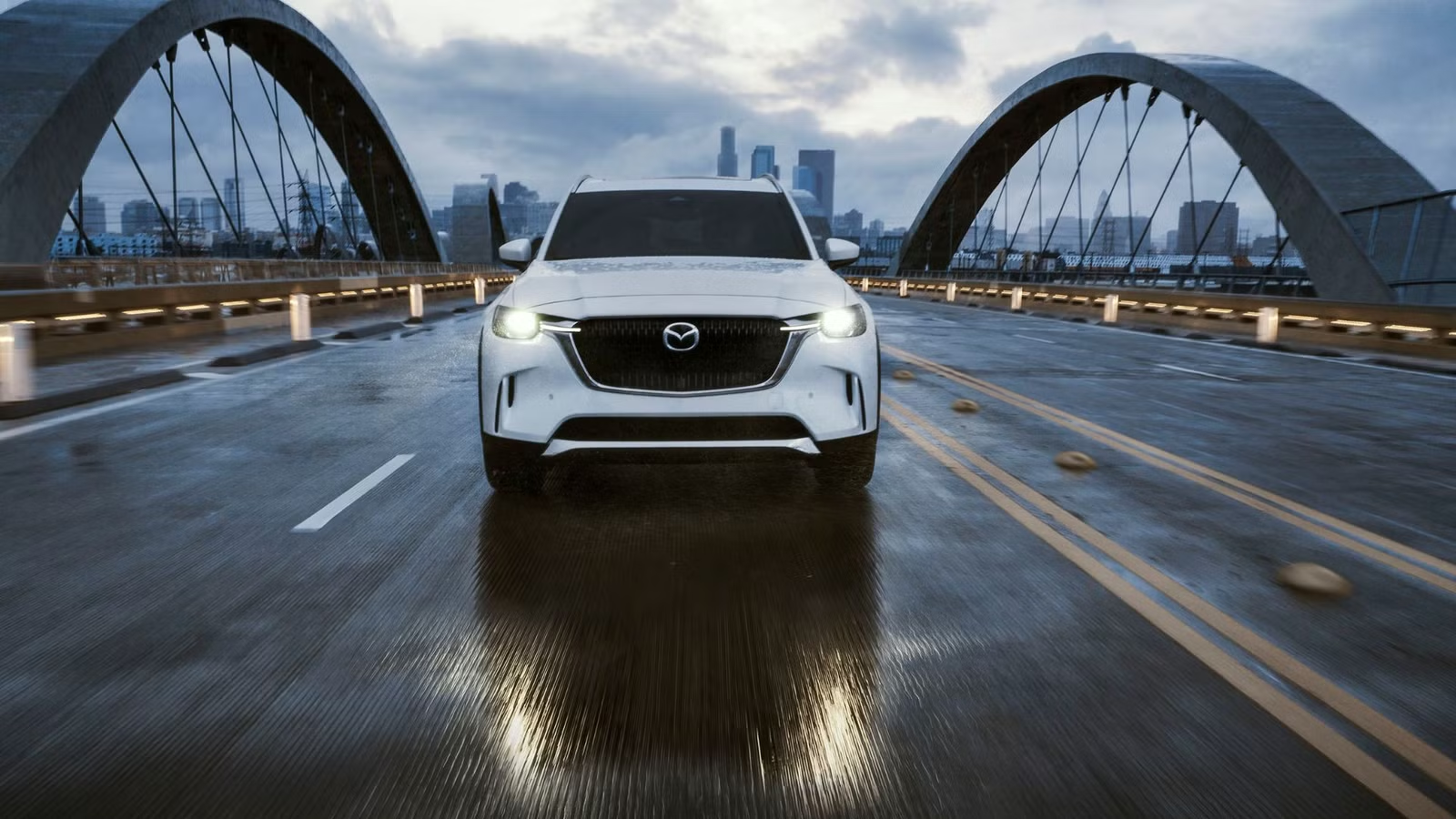
The 2026 Mazda CX-30 starts at $26,375 and offers something rare in this segment: an interior that feels close to luxury and a chassis tuned for people who actually like driving. Mazda has been pushing upmarket for years, and the CX-30 proves they've succeeded without losing mainstream pricing.
The base 2.5-liter four-cylinder puts out 186 horsepower, which feels adequate but not exciting. For buyers who want more punch, a turbocharged variant delivers 250 horsepower. The downsides: tight rear seats and a smaller-than-average trunk. If cargo space matters more than handling, look elsewhere.
Need more space without losing Mazda's feel?
The 2026 Mazda CX-50 starts at $29,900 and scales up the CX-30 formula. You get the same near-luxury interior treatment and sharp handling, but in a larger package that actually fits a family. The cabin is noticeably more spacious and comfortable.
Both Mazdas share a philosophy: vehicles should be engaging, not just functional. That shows in how they drive. The CX-50 manages to feel athletic despite its size, a balance most competitors don't attempt.
Which SUVs offer the best long-term value?
Hyundai and Kia dominate discussions about long-term ownership costs, largely because of their 10-year/100,000-mile powertrain warranty. That coverage is twice what most competitors offer. The 2026 Kia Sportage Hybrid delivers 232 horsepower from its hybrid system, proving that "value" no longer means sacrificing performance.
The 2026 Hyundai Tucson matches its corporate sibling with a tech-heavy interior and similar warranty coverage. Both vehicles have become favorites for short-term leasing because of their feature density. Reddit discussions in r/cars show a consensus: lease a Kia or Hyundai, but buy a Toyota if you plan to keep the vehicle past 150,000 miles.
How do hybrid SUVs cut ownership costs?
40+ MPG — Combined fuel efficiency achieved by top-tier hybrid SUVs like the RAV4 Hybrid, drastically reducing fuel costs
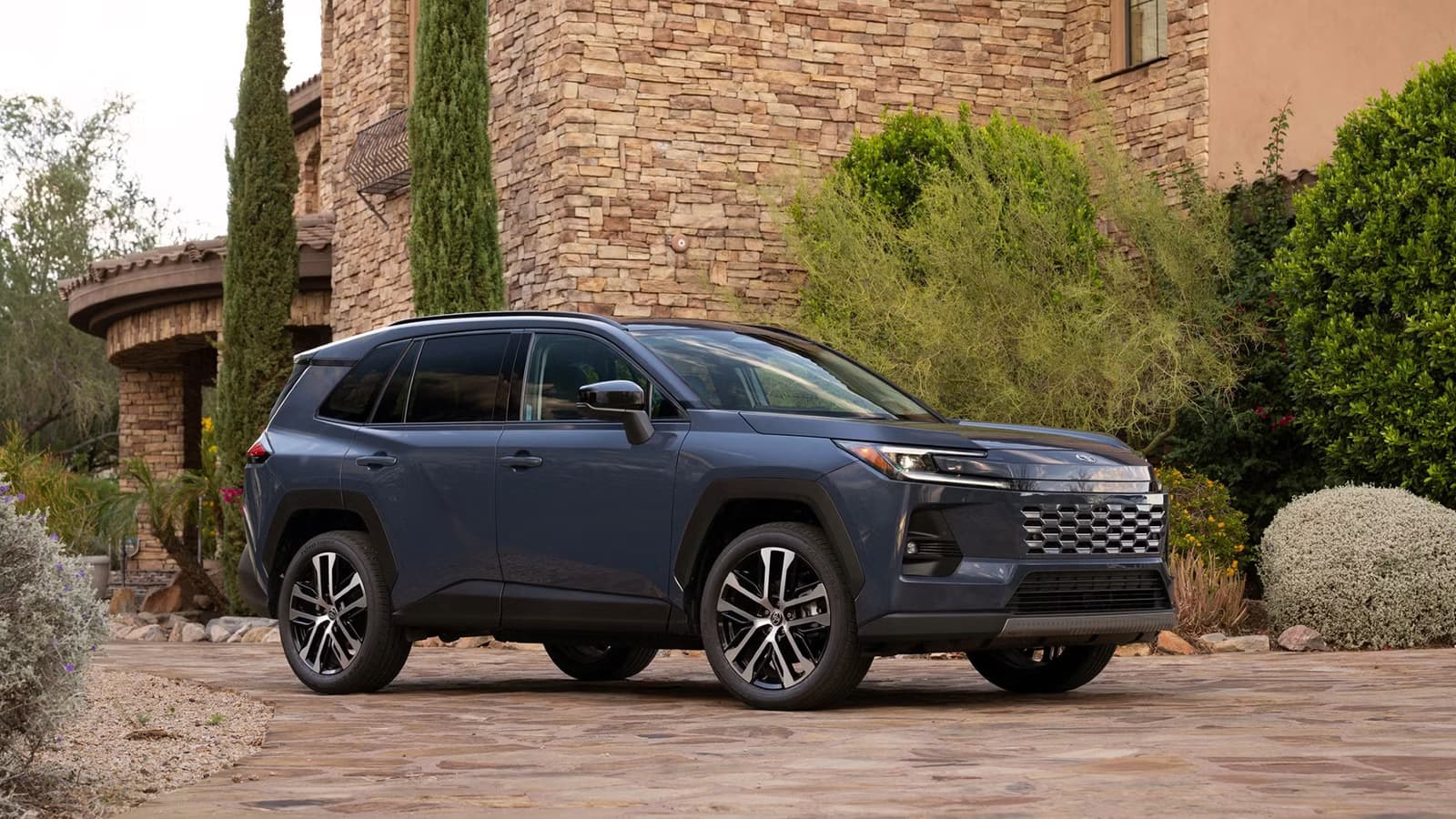
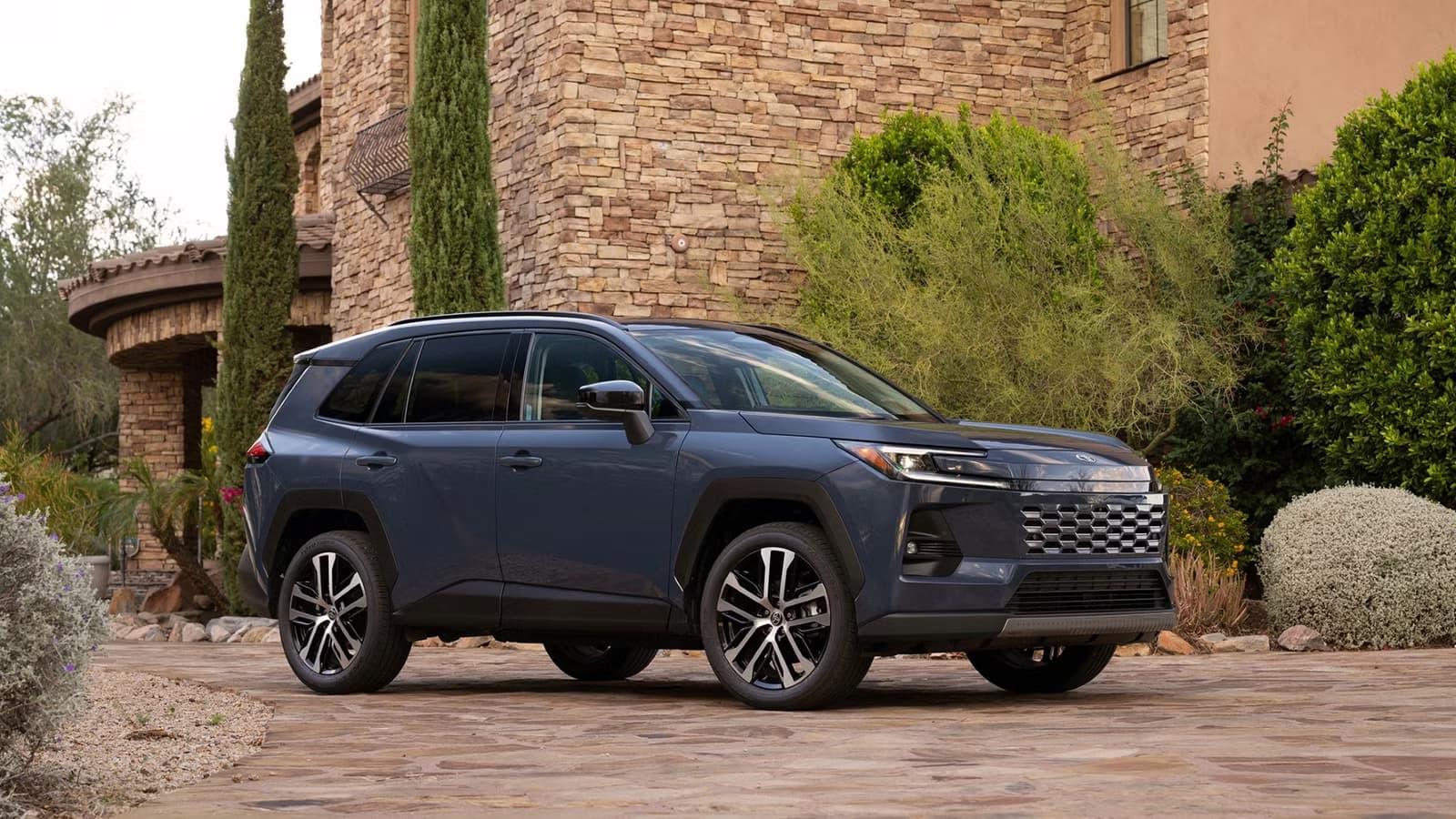
The Toyota RAV4 Hybrid hits 40+ MPG combined. For buyers who drive 15,000 miles per year, that translates to roughly $1,200 less in fuel costs annually compared to a 25 MPG vehicle. Over a five-year ownership period, hybrids in this segment can save $5,000 to $7,000 on fuel alone.
Toyota's hybrid reputation for reliability remains the gold standard. The RAV4 Hybrid consistently ranks highest for long-term ownership confidence in r/cars discussions, even when competing Korean models offer more features per dollar.
What about affordable electric SUVs?
The EV market has finally pushed into budget territory. While Tesla's Model Y dominates volume, alternatives like the Nissan Ariya and refreshed models from Hyundai and Kia offer competitive electric range without the premium markup.
The catch, frequently debated on Hacker News: these tech-heavy vehicles come with questions about long-term software support and repairability. Large integrated displays and over-the-air update dependencies mean buyers are betting on manufacturer commitment years down the line.
Honda CR-V: the no-drama choice
The 2026 Honda CR-V doesn't chase excitement. It prioritizes interior space, reliability, and resale value. The TrailSport trim adds some visual aggression and off-road pretense, but most buyers pick the CR-V because it does everything adequately and nothing poorly.
Honda's hybrid option brings competitive fuel economy to the CR-V lineup, though it trails the RAV4 Hybrid by a few MPG. For families who want maximum practicality without surprises, the CR-V remains a safe bet.
How does tech factor into value calculations?
Features that required $50,000 five years ago now come standard on $35,000 crossovers. Adaptive cruise control, lane-keeping assist, blind-spot monitoring, and wireless smartphone integration appear across most of these models. The infotainment gap between budget and luxury has nearly closed.
That standardization changes the value equation. Buyers choosing between a $32,000 Sportage and a $48,000 entry-luxury SUV often find the practical feature difference is minimal. The luxury badge buys nicer materials and status, not meaningfully better technology.
What are the hidden costs to watch?
Insurance rates vary significantly across these models. The Trax, being cheap to repair and replace, typically costs less to insure than a tech-laden Tucson. Depreciation patterns also differ: Toyotas hold value better, while some Korean models lose 40% in three years despite their initial feature advantage.
Maintenance schedules matter too. Hybrids require less brake work because of regenerative braking, but battery replacement costs loom after eight to ten years. Pure ICE vehicles have predictable maintenance curves. EVs have fewer moving parts but face expensive repairs when something does fail.
| Model | Starting MSRP | Key Advantage | Best For |
|---|---|---|---|
| Chevrolet Trax | $21,700 | Lowest price, large trunk | Budget commuters |
| Mazda CX-30 | $26,375 | Premium feel, driving dynamics | Enthusiasts |
| Mazda CX-50 | $29,900 | Space + handling balance | Small families |
| Toyota RAV4 Hybrid | ~$32,000 | 40+ MPG, reliability | Long-term owners |
| Kia Sportage Hybrid | ~$35,000 | 232 HP, 10-year warranty | Tech-focused buyers |
Frequently Asked Questions
What is the cheapest SUV in 2026?
The 2026 Chevrolet Trax starts at $21,700, making it the most affordable new SUV available.
Which SUV under $40K has the best warranty?
Hyundai and Kia offer a 10-year/100,000-mile powertrain warranty, double what most competitors provide.
Are hybrid SUVs worth the extra cost?
For buyers driving 15,000+ miles annually, hybrid SUVs like the RAV4 Hybrid can save $5,000-$7,000 in fuel over five years.
Which budget SUV holds its value best?
Toyota vehicles, particularly the RAV4, consistently show the strongest resale values in this segment.
Should I buy or lease a Kia/Hyundai SUV?
Consumer discussions suggest leasing Kia/Hyundai for their feature density, but buying Toyota for ownership beyond 150,000 miles.
Logicity's Take
The real shift in this market isn't price, it's parity. A $32,000 Kia Sportage Hybrid now offers nearly identical safety tech and connectivity to a $55,000 BMW X3. What you're paying for at the luxury end is materials and badge prestige, not capability. For buyers focused on transportation rather than status, the math has never been more favorable at the sub-$40K level.
Maximize value from tech you've already purchased
Need Help Implementing This?
Planning a fleet purchase or need guidance on total cost of ownership calculations for your business vehicles? Reach out to our automotive intelligence team for detailed comparisons tailored to your use case.
Source: How-To Geek
Huma Shazia
Senior AI & Tech Writer
Produced with AI assistance and reviewed by the Logicity editorial team. Learn more in our Editorial Policy.