Key Takeaways
- Prophet remains the go-to free option for forecasting, while DataRobot leads enterprise AutoML
- Generative AI integration is now standard, with SAP Analytics Cloud and ThoughtSpot leading adoption
- People analytics is emerging as a distinct category, with One Model purpose-built for HR data
Predictive analytics software has grown from a niche data-science tool into standard RevOps infrastructure. The 2026 market, projected to hit $28.1 billion according to Grand View Research, now spans everything from free open-source forecasting libraries to enterprise MLOps platforms. For operations and RevOps teams, the right pick depends on one question: do you need a model-building environment, or a point-and-click forecasting layer on top of your existing data stack?
Disclosure
Some links in this post are affiliate links — Logicity earns a commission if you sign up, at no extra cost to you. We only link products we have used or actively recommend.
A recent Zapier breakdown of the predictive analytics landscape identifies ten tools worth considering, split across open-source frameworks, vertical-specific platforms, and enterprise suites. The standout shift from prior years: generative AI is now baked into most commercial offerings, turning what used to be a coding exercise into a conversation.
What counts as predictive analytics software?
Not every BI dashboard qualifies. A true predictive analytics platform needs four things: a predictive focus (not just historical reporting), standalone utility outside a CRM or ERP, integrated machine learning as a core feature, and the ability to pull data from multiple sources. That distinction matters. Tools like Salesforce Einstein or HubSpot forecasting are powerful, but they're locked inside their parent platforms. The tools below work independently.
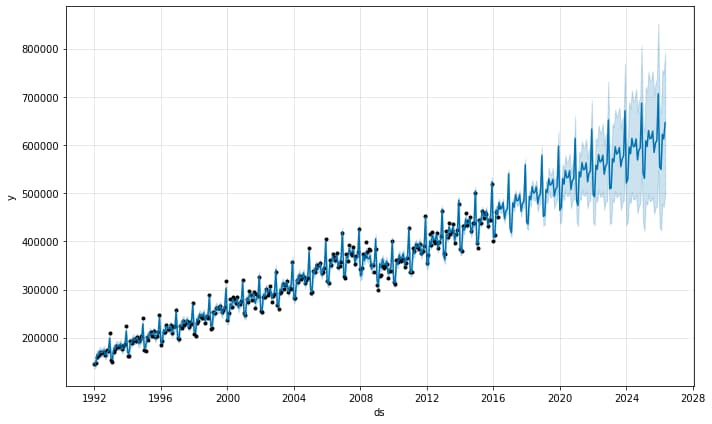
Prophet: the free forecasting standard
Meta's Prophet library remains the default for teams that want open-source forecasting without licensing fees. It handles seasonality, holidays, and missing data gracefully. The tradeoff is obvious: you need Python or R fluency. Prophet won't build dashboards for you.
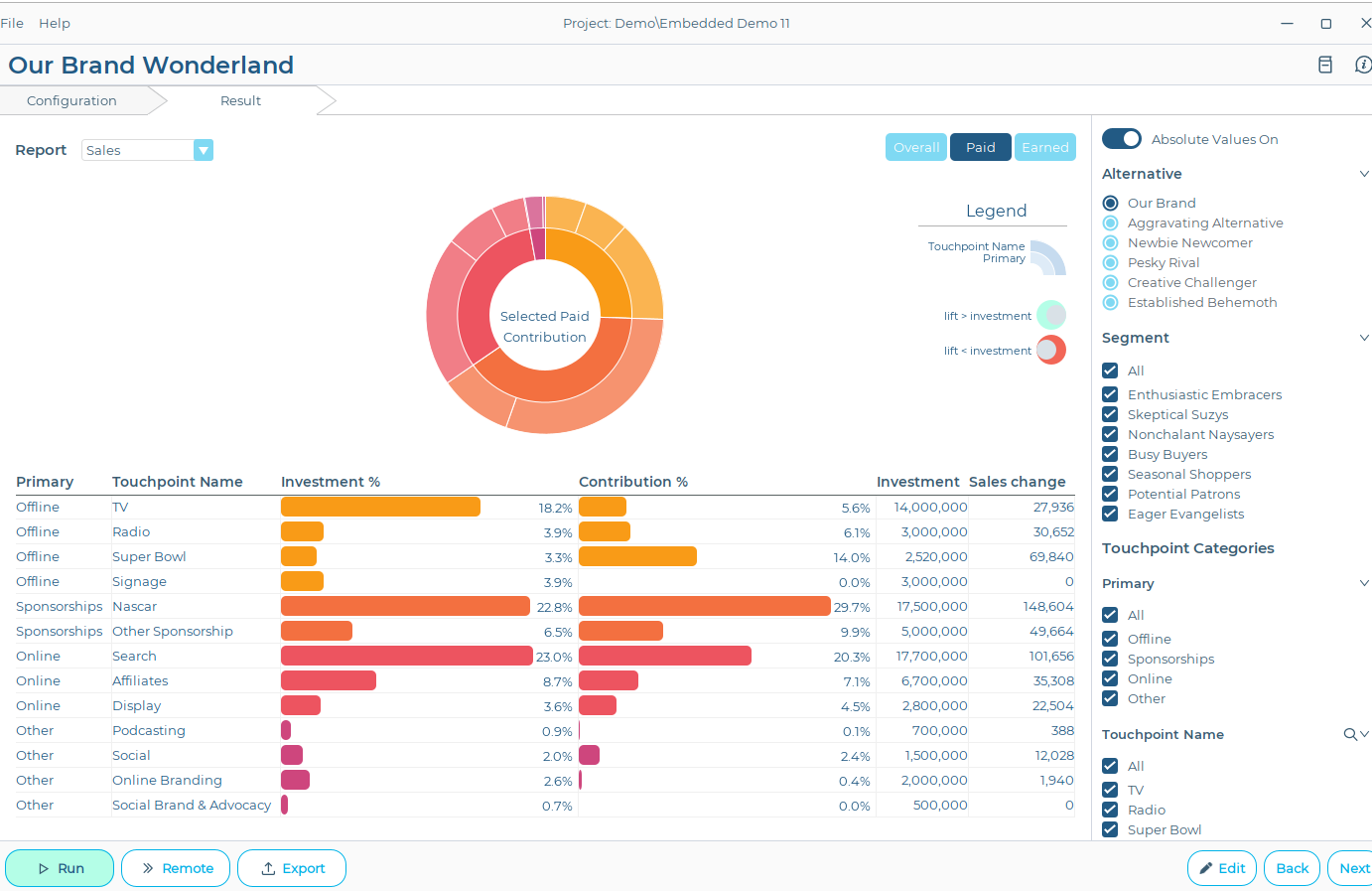
Scios: simulating customer decisions
Scios takes an unusual approach. Instead of forecasting revenue directly, it builds virtual "twin" market environments that simulate how customers make decisions. Pricing is by request, which usually signals enterprise-tier contracts. The use case is clear: CPG and retail brands running what-if scenarios on promotions, pricing, or channel mix.
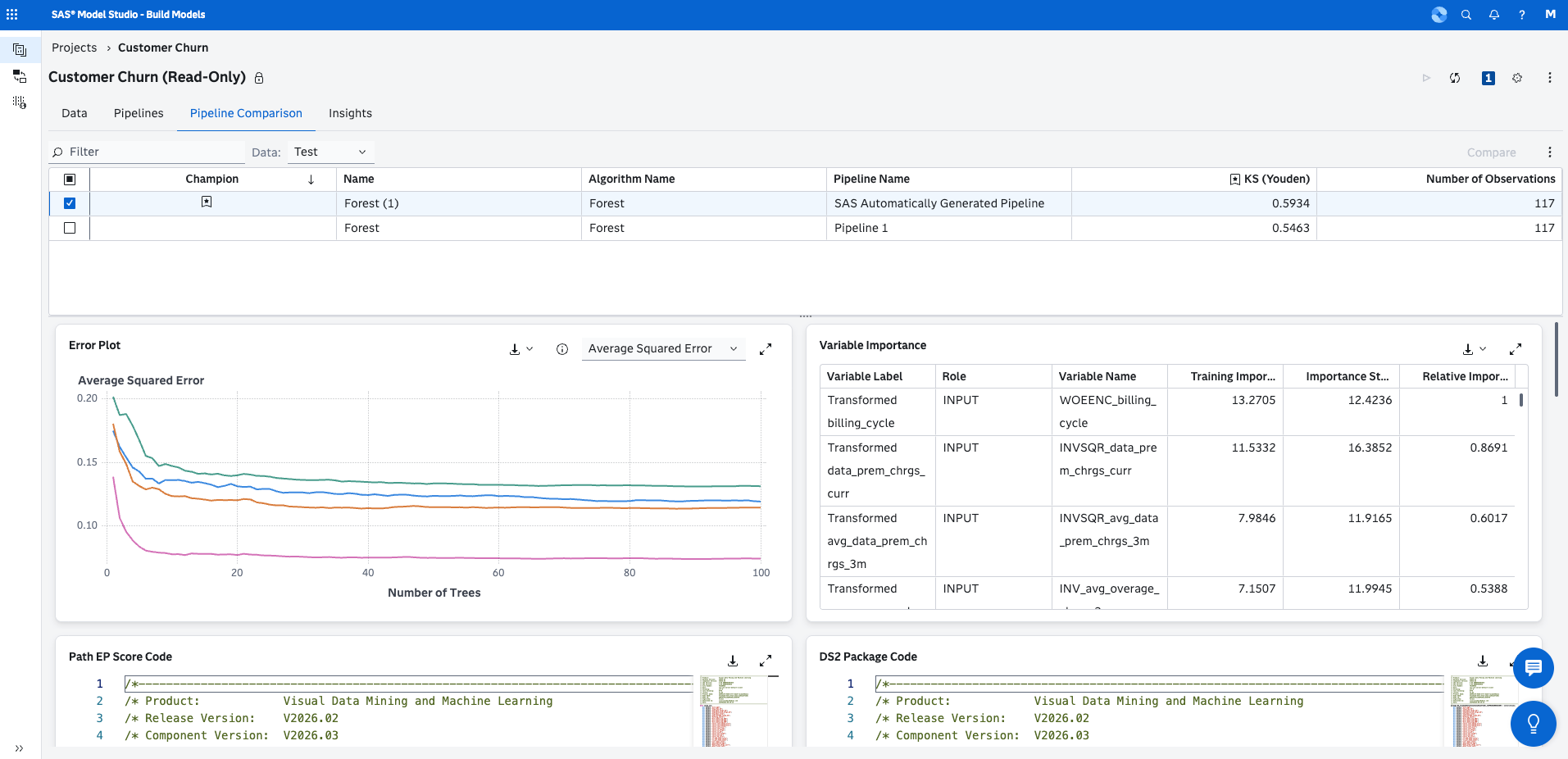
SAS Viya: automated forecasting at scale
SAS Viya bills by usage at $0.55 per SAS unit per hour. For large enterprises already embedded in the SAS ecosystem, the pricing model makes sense. The platform's strength is automated forecasting with flexible automation triggers. RevOps teams at multinationals use it to run thousands of SKU-level forecasts without manual intervention.
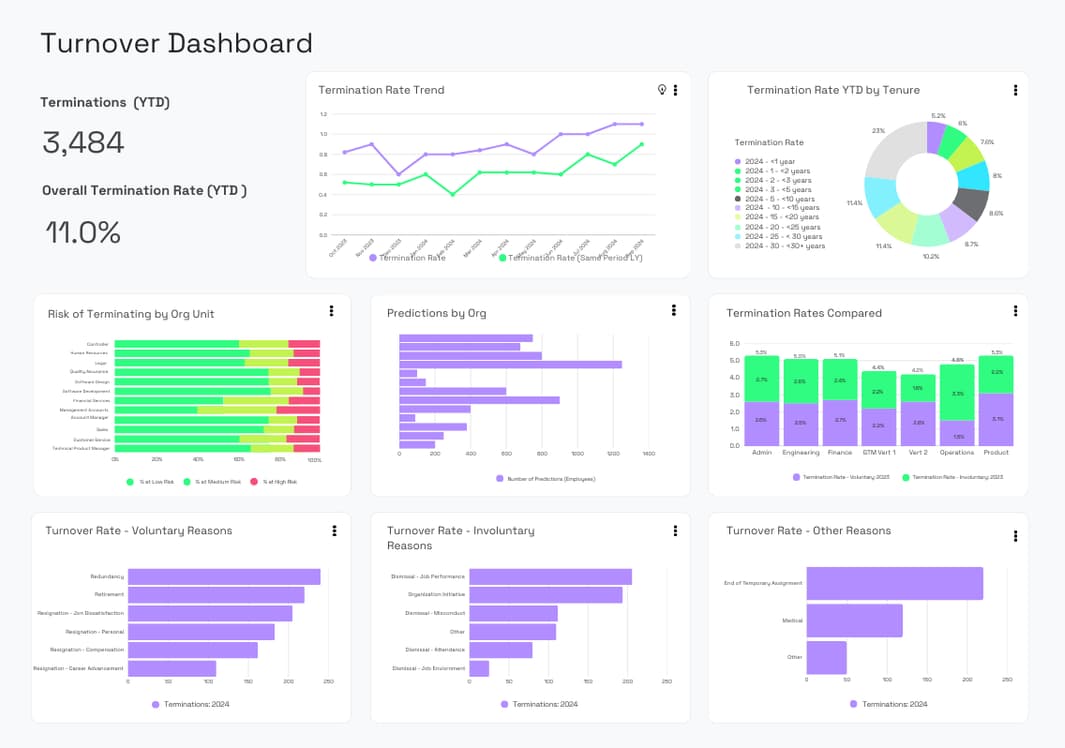
One Model: purpose-built for people analytics
People analytics is splitting off from general predictive analytics into its own category. One Model focuses entirely on workforce data: attrition risk, headcount planning, DEI metrics. If your operations mandate includes HR planning, this is the specialist tool. General-purpose platforms treat HR data as an afterthought.
SAP Analytics Cloud: generative AI arrives
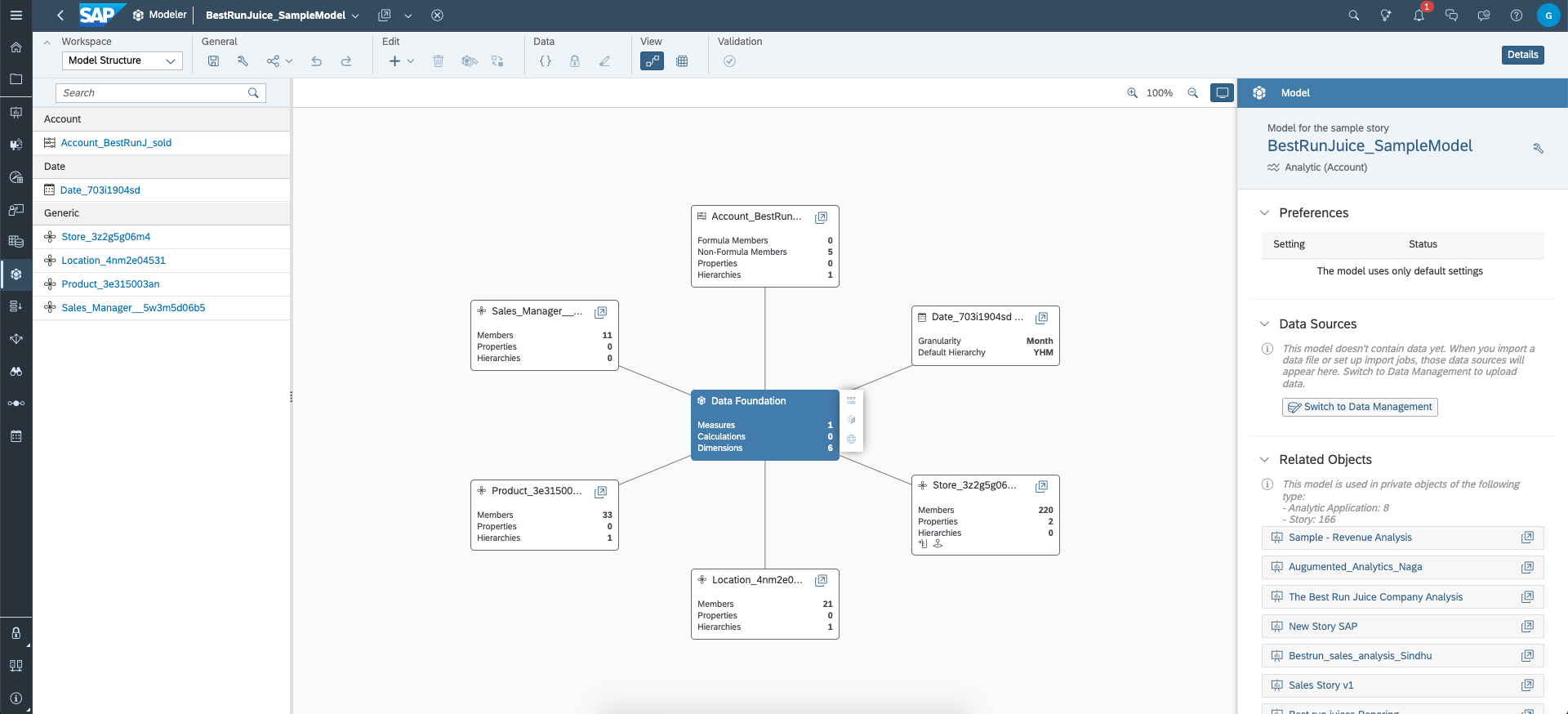
SAP Analytics Cloud now integrates generative AI for natural-language queries. You can ask "What's driving Q3 churn in EMEA?" and get a generated answer with supporting visualizations. The catch: it works best when your data already lives in SAP's ecosystem. Cross-platform data sourcing is possible but adds friction.
Qlik: interactive forecasting
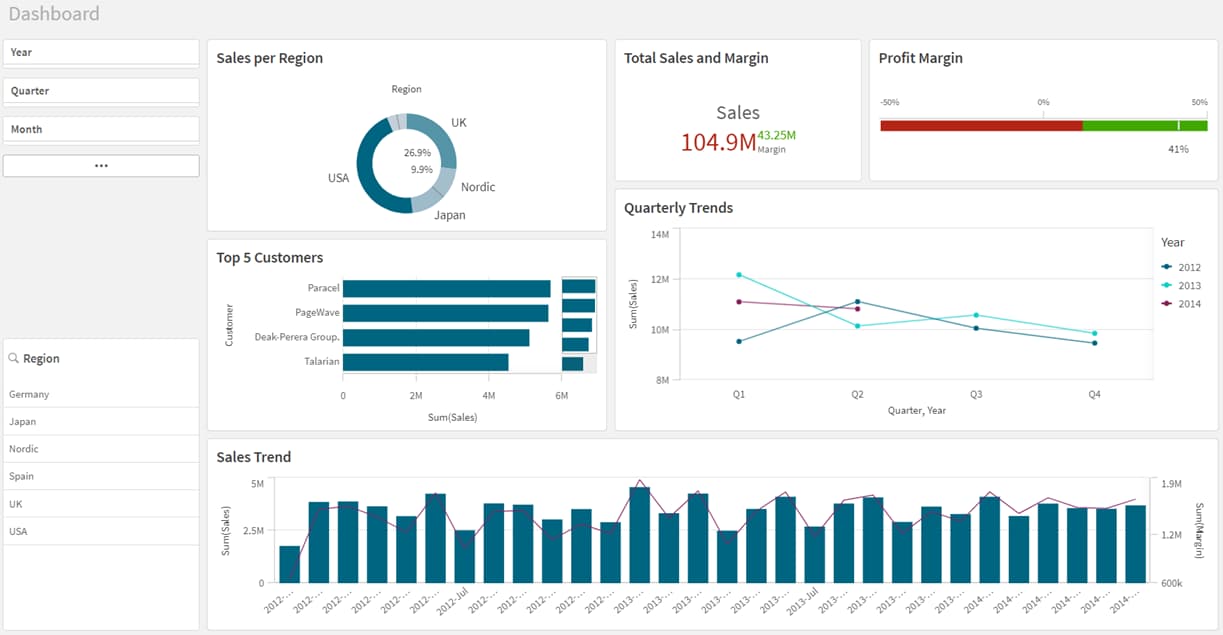
Qlik's strength is interactive exploration. Analysts can click through forecasts, adjust assumptions on the fly, and see updated projections instantly. This makes it popular with finance and FP&A teams who need to present scenarios to executives who want to tweak inputs during a meeting.
ThoughtSpot: the ease-of-use play
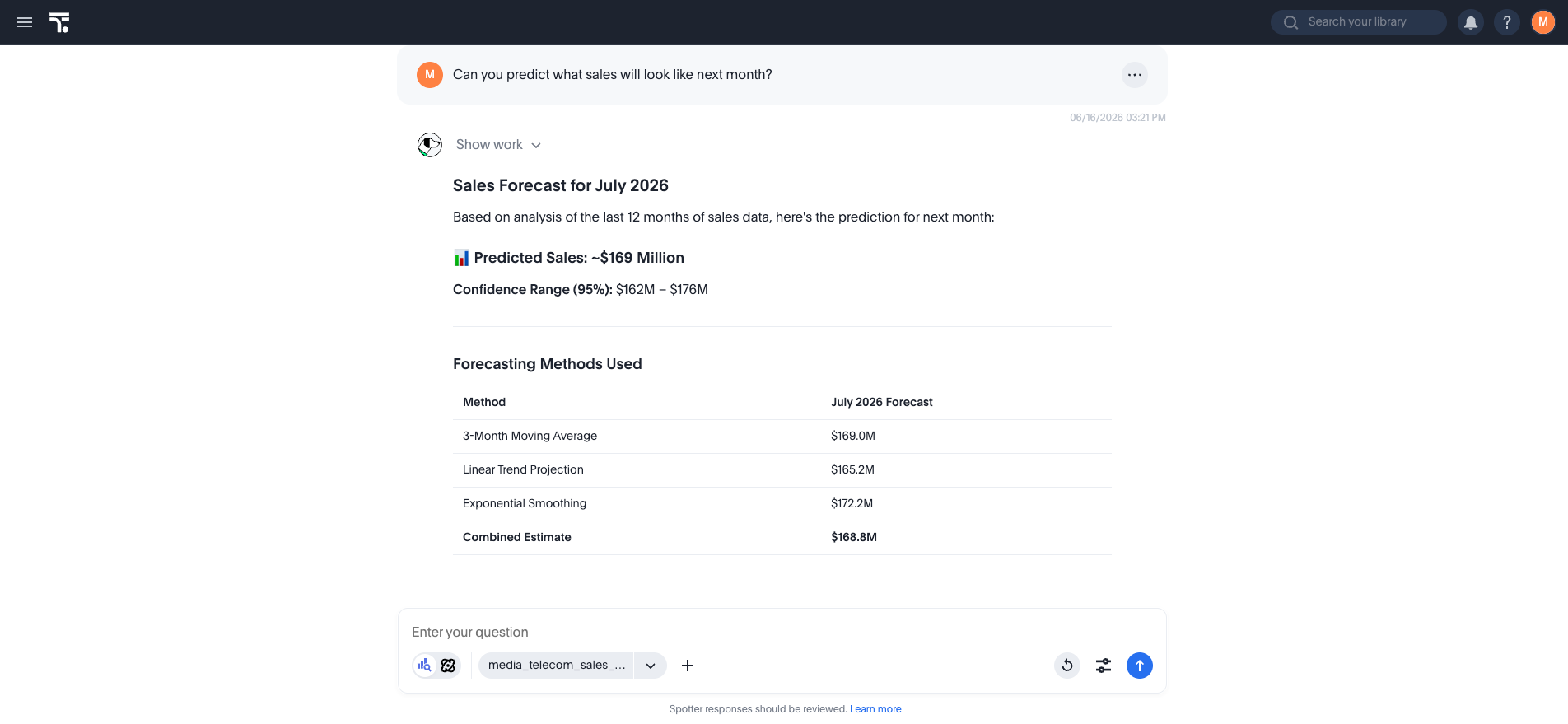
ThoughtSpot brands itself as "search-driven analytics." The value proposition is simple: business users who can't write SQL can still get predictive insights by typing questions. The platform handles the query translation. For RevOps teams that need to democratize forecasting beyond a central data team, this is the argument for ThoughtSpot over more technical alternatives.
Alteryx One: low-code data prep
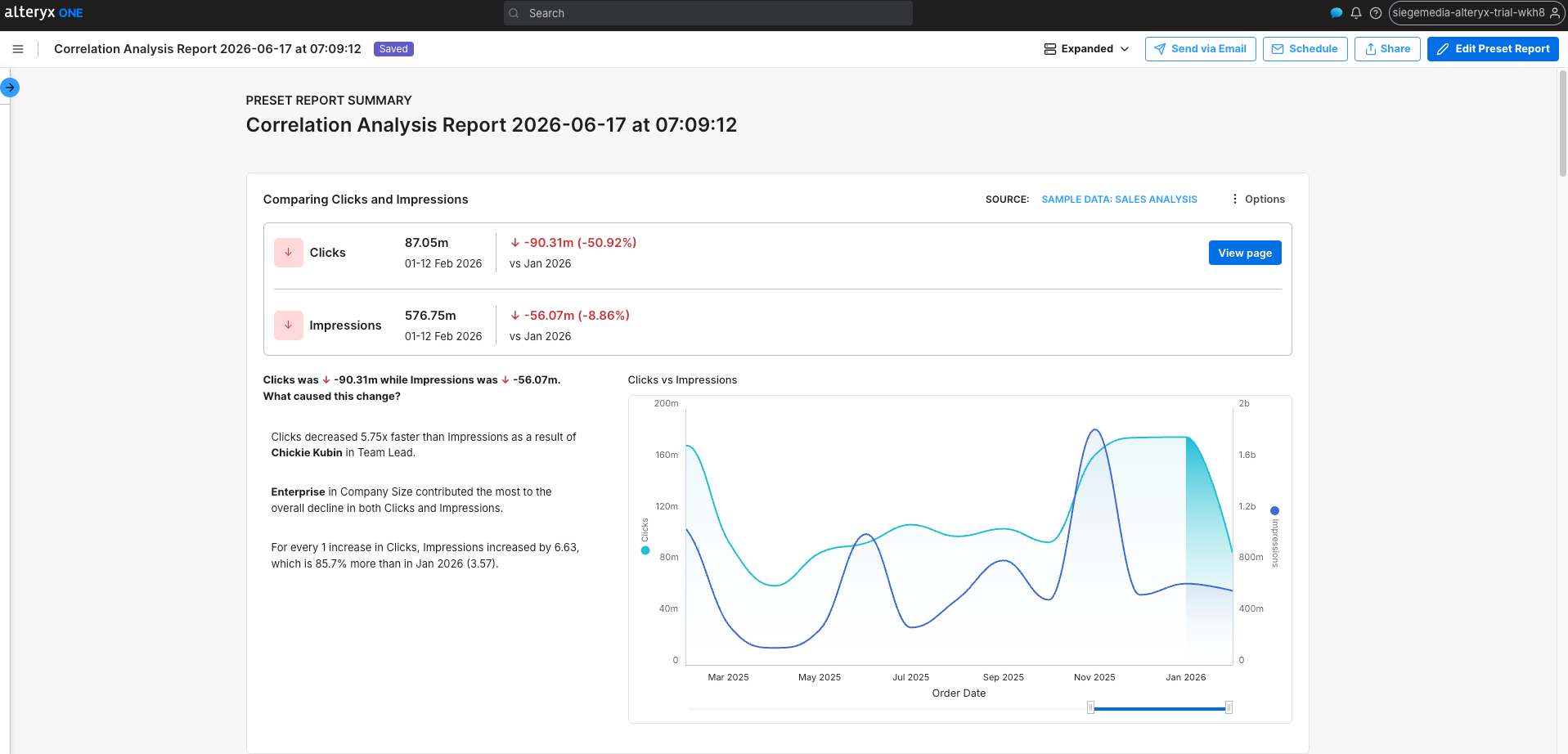
Alteryx One is less about forecasting and more about getting your data ready for forecasting. Its low-code workflow builder lets analysts clean, blend, and transform data from dozens of sources without writing Python. Once the data is prepped, you can run native predictive models or export to other tools. It's the middleware layer many enterprises are missing.
DataRobot and Azure ML: enterprise MLOps
DataRobot leads the AutoML category. It automates feature engineering, model selection, and deployment. You feed it data; it returns production-ready models. Microsoft Azure Machine Learning competes at the same tier but appeals to organizations already deep in the Azure stack. Both platforms charge based on compute consumption, which can scale unpredictably if you're running heavy training jobs.
How much data do you need?
The ML algorithms behind these platforms typically need hundreds to thousands of data points to produce reliable predictions. Thin datasets lead to overfitting. If you're a startup with 18 months of revenue history, Prophet or ThoughtSpot will work. If you're training custom models on customer behavior, DataRobot expects deeper historical data.
Logicity's Take
For most RevOps teams under 50 people, the choice narrows quickly. Prophet is free and powerful if you have Python skills. ThoughtSpot or Qlik are the picks if you need business users to self-serve forecasts. DataRobot and Azure ML are overkill unless you're building custom models at scale. One overlooked option: pair a simple tool like [n8n](https://logicity.in/r/n8n) or [Make](https://logicity.in/r/make) with Prophet via API calls. You get automated forecasting pipelines without enterprise pricing.
Turning predictions into action
Predictive analytics is stage three of four in analytics maturity. Descriptive tells you what happened. Diagnostic tells you why. Predictive tells you what's likely next. Prescriptive tells you what to do about it. Most of these tools stop at prediction. You still need a process to act on the forecasts. That might mean piping outputs into Airtable for planning workflows or triggering alerts in Slack when a forecast crosses a threshold.
Frequently Asked Questions
What's the difference between predictive and prescriptive analytics?
Predictive analytics forecasts what is likely to happen based on historical data. Prescriptive analytics goes further, recommending specific actions to take in response to those predictions.
Can small teams use predictive analytics software?
Yes. Prophet is free and works for any team with Python skills. ThoughtSpot and Qlik offer self-service interfaces that don't require data science expertise.
How much historical data is needed for accurate predictions?
Most ML models require hundreds to thousands of data points. The exact minimum depends on the complexity of the prediction and the tool being used.
Is DataRobot worth the cost for mid-market companies?
DataRobot is designed for enterprises building custom ML models at scale. Mid-market teams often get better ROI from lighter tools like Prophet or ThoughtSpot unless they have dedicated data science staff.
Need Help Implementing This?
Logicity's consulting team helps operations and RevOps teams select, implement, and integrate predictive analytics tools. Reach out at consulting@logicity.in for a free 30-minute scoping call.
Source: The Zapier Blog
Manaal Khan
Tech & Innovation Writer
Produced with AI assistance and reviewed by the Logicity editorial team. Learn more in our Editorial Policy.