Key Takeaways
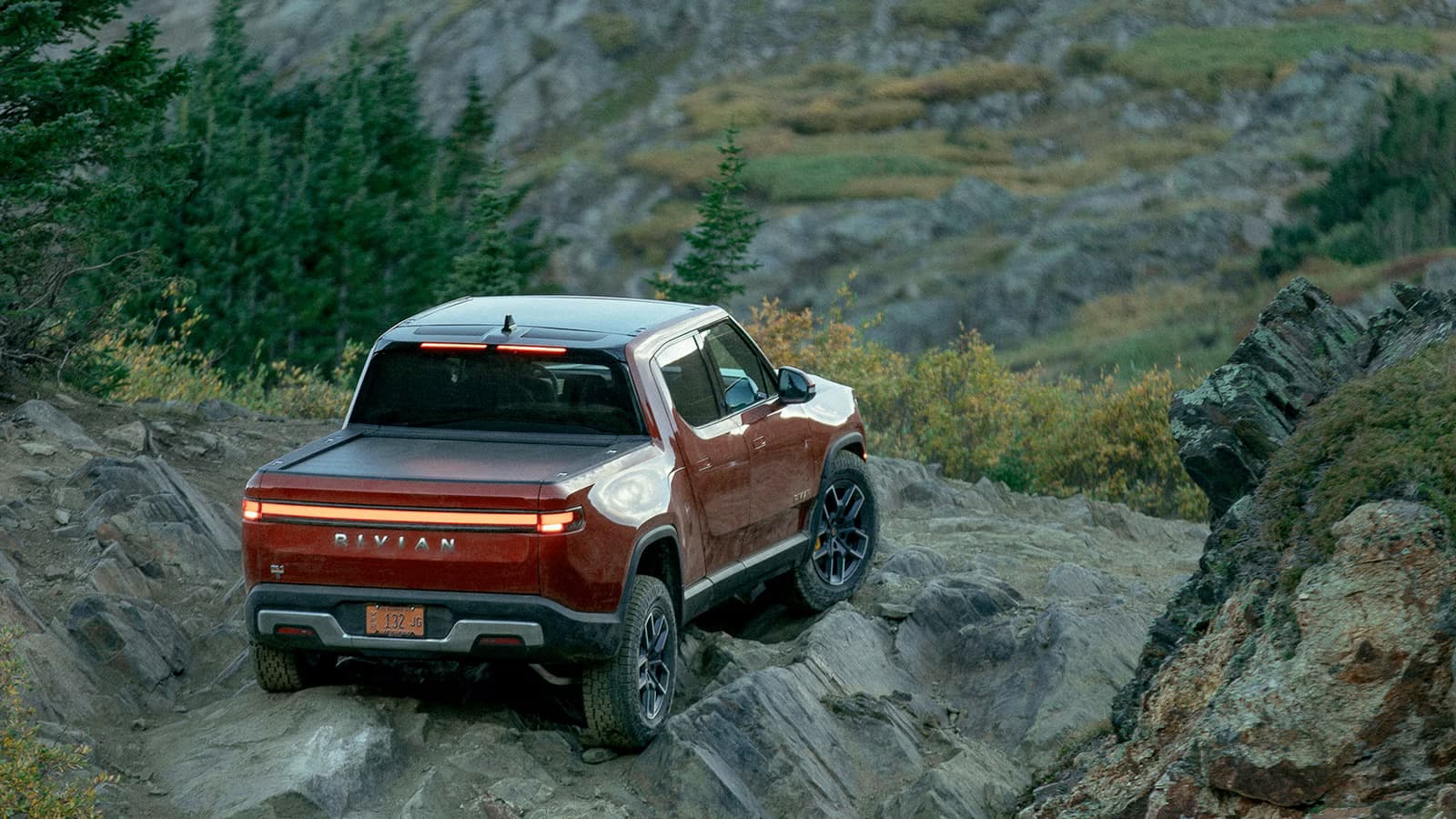
- Rivian leads with 85% of owners saying they would buy again, the highest rate in the industry
- Tech-heavy brands are outperforming traditional automakers in owner satisfaction despite reliability concerns
- Honda and Chevrolet tie at 64% buy-again rates, ranking 9th and 10th respectively
Consumer Reports' 2026 owner satisfaction study tells a story that traditional automakers won't love: drivers are increasingly choosing emotional connection and tech ecosystems over proven reliability. Rivian, the electric truck and SUV maker, now leads the industry with 85% of owners saying they'd buy from the brand again.
That number matters because satisfaction surveys measure something different from reliability ratings. A car can break down occasionally and still make its owner happy. The reverse is also true: bulletproof dependability doesn't guarantee a second purchase.
“Satisfaction isn't just about build quality or reliability statistics; it's about the emotional connection and the unique utility a vehicle provides to the user's daily life.”
— Jake Fisher, Senior Director of Auto Testing at Consumer Reports
The Full Rankings
The 2026 study ranks brands by the percentage of owners who would purchase from them again. The top ten includes a mix of established luxury players, Japanese stalwarts, and newer EV-focused companies.
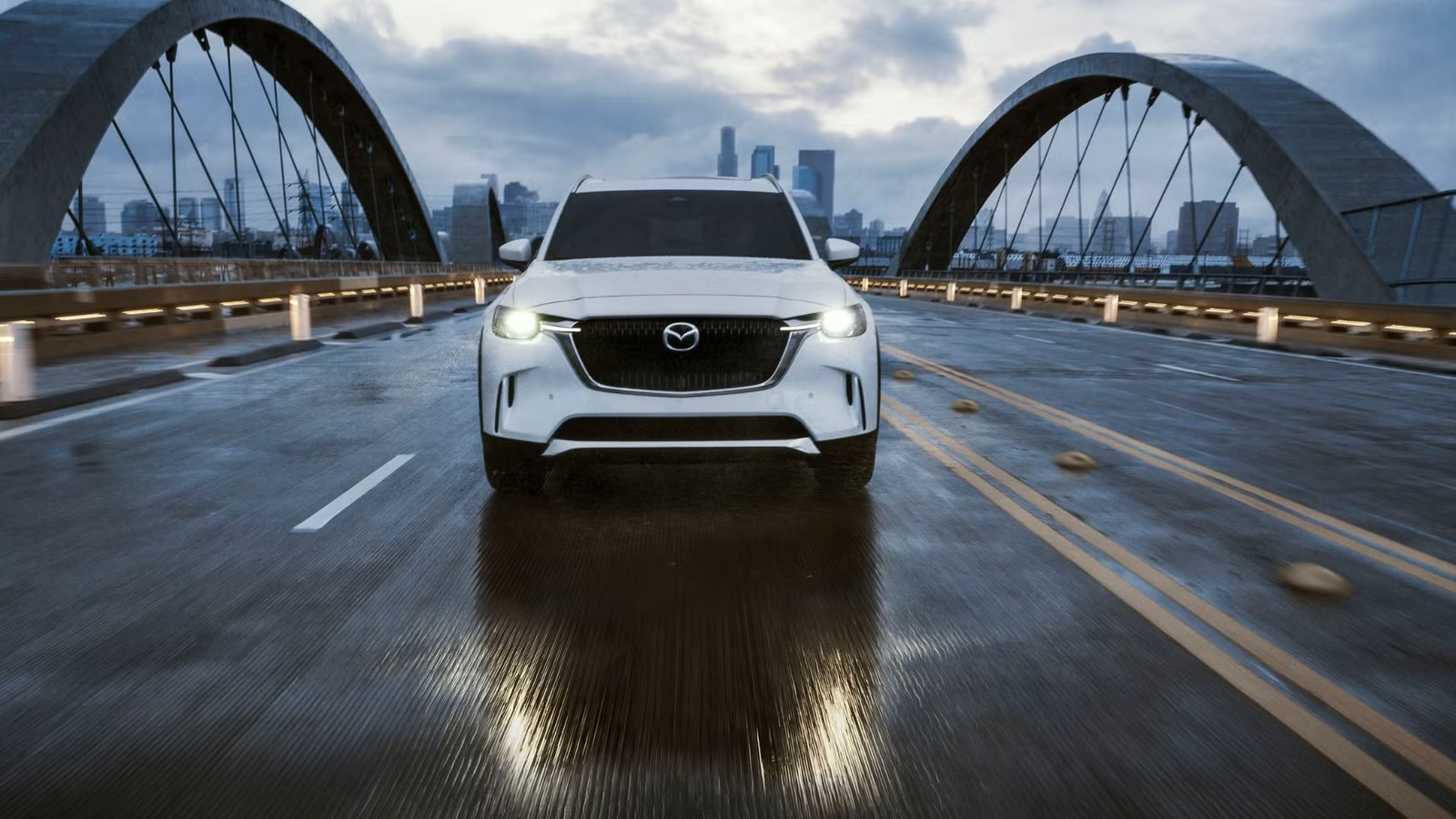
While the full rankings weren't disclosed in Consumer Reports' summary, the available data shows Chevrolet and Honda tying at 64% for the ninth and tenth spots. That's a respectable showing for Chevrolet given its broad lineup spanning the affordable Trax to the high-performance Corvette. For Honda, with its tighter product focus, 64% is less impressive.
Why Rivian Leads
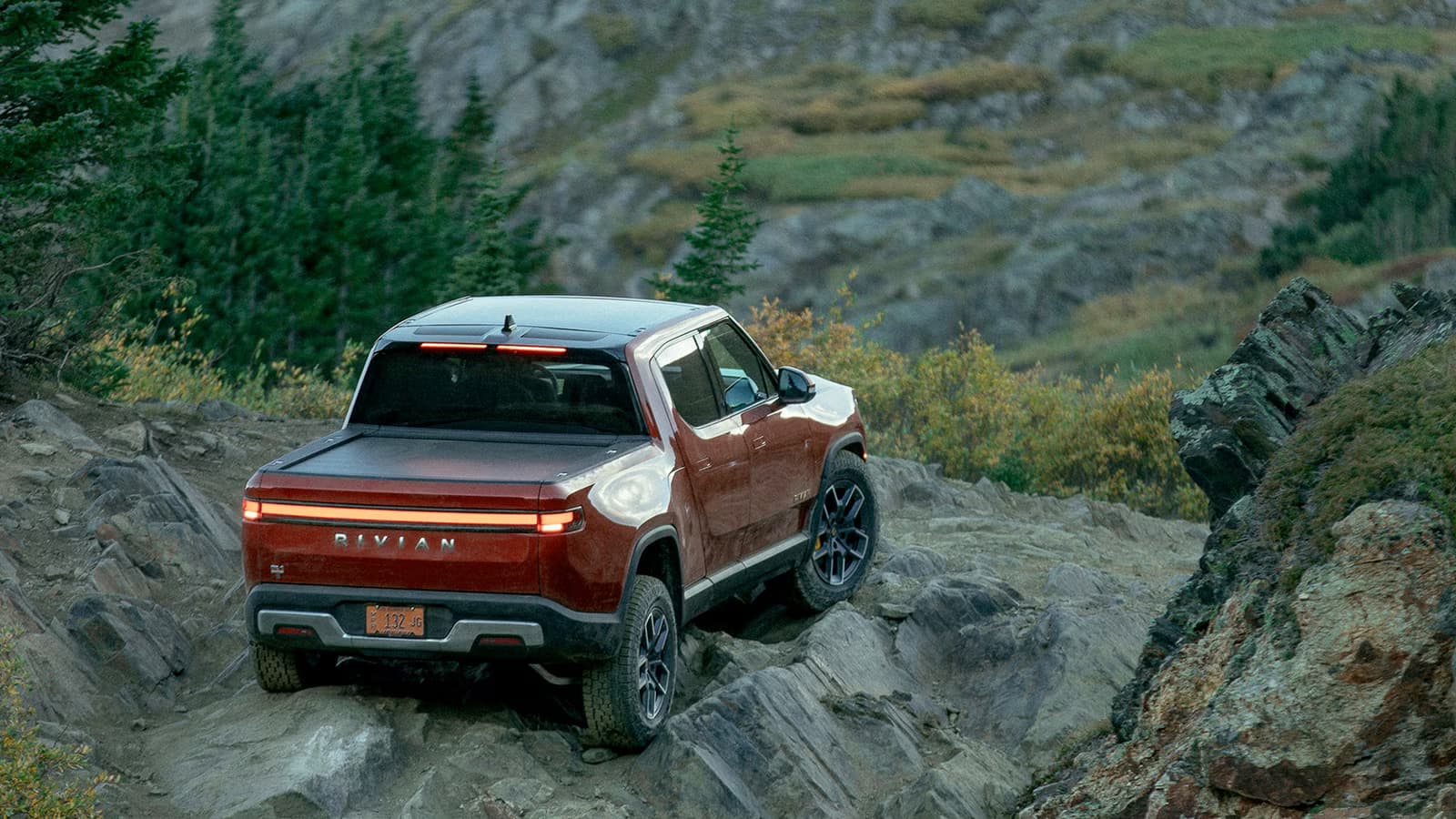
Rivian's dominance is striking for a company that only started delivering vehicles in 2021. The R1T pickup truck scores even higher than the brand average, with 91% of owners willing to buy again. That's exceptional for the pickup segment, where Ford and Chevrolet have traditionally owned customer loyalty.
The company has also made progress on its early reliability struggles. Consumer Reports notes a 71% year-over-year improvement in reliability as Rivian moves to its second-generation hardware. But here's the thing: owners were already satisfied before that improvement materialized.
The Reliability Paradox
Online communities reflect what Consumer Reports is measuring. Reddit discussions on r/cars and r/Rivian show what researchers call the 'reliability paradox': owners acknowledge their vehicles need service visits but insist the driving experience, over-the-air updates, and off-road capability make returning to a traditional gas vehicle unthinkable.
This marks a genuine shift in how people evaluate cars. For decades, reliability was the primary predictor of satisfaction. Toyota and Lexus built empires on the promise of drama-free ownership. That formula still works. Both brands perform strongly in the 2026 rankings alongside BMW, Subaru, and Genesis.
But 'adventure-ready' performance and integrated tech ecosystems now compete with traditional virtues. Brands that deliver a modern, software-defined ownership experience can earn forgiveness for growing pains that would have tanked satisfaction scores a decade ago.
The Skeptical View
Not everyone buys the narrative. HackerNews commenters debate whether these satisfaction rankings are skewed by early-adopter bias. The argument: people who spend $70,000 or more on an electric truck are pre-disposed to love it. The sunk cost of an expensive EV investment creates cognitive pressure to justify the purchase.
There's something to this critique. Rivian and Tesla buyers self-select. They're often tech enthusiasts who prioritize innovation over proven track records. Whether their satisfaction translates to mainstream buyers as EV adoption widens remains an open question.
What the Rankings Mean for Buyers
If you're shopping for a car in 2026, these rankings offer useful signal but require context. High satisfaction doesn't mean a vehicle suits your needs. Rivian owners love their trucks in part because of off-road capability and adventure-oriented design. If you never leave pavement, that enthusiasm may not transfer.
Similarly, Honda and Chevrolet's 64% scores don't mean their cars are bad. Both brands serve price-sensitive buyers who may care less about brand loyalty and more about practical value. A Trax buyer shopping on monthly payment isn't the same customer as someone buying a Rivian R1S for weekend camping trips.
Chevrolet's Mixed Bag
Chevrolet's lineup creates interesting dynamics in the satisfaction data. The brand's most popular models are the Silverado, Equinox, and Trax. Its least popular are the Suburban, Blazer, and Colorado. That spread suggests satisfaction varies dramatically by segment within the same brand.
Honda's Tighter Focus
Honda's 64% is more disappointing given its narrower lineup. The brand doesn't have the range that Chevrolet does, so there's less room to blame mixed results on diverse customer bases. Honda has traditionally competed on reliability and resale value. Those attributes may be losing ground to tech-forward competitors.
Logicity's Take
Frequently Asked Questions
Which car brand has the highest owner satisfaction in 2026?
Rivian leads with 85% of owners saying they would buy from the brand again, according to Consumer Reports' 2026 study.
Is owner satisfaction the same as reliability?
No. Owner satisfaction measures whether buyers would purchase from the brand again based on overall happiness with their vehicle. A car can have reliability issues but still score high on satisfaction if owners love other aspects of the experience.
Where do Honda and Chevrolet rank in owner satisfaction?
Both brands tie at 64% buy-again rates, placing them at 9th and 10th in the Consumer Reports 2026 rankings.
Why do EV owners report high satisfaction despite reliability concerns?
Researchers observe a 'reliability paradox' where EV owners acknowledge service visits but value driving experience, over-the-air updates, and tech features enough to remain loyal to the brand.
Are these satisfaction rankings reliable for mainstream car buyers?
Some analysts question whether early-adopter bias skews results for newer brands like Rivian and Tesla, since those buyers self-select for tech enthusiasm and may justify expensive purchases differently than mainstream buyers.
Need Help Implementing This?
Source: How-To Geek
Huma Shazia
Senior AI & Tech Writer
Produced with AI assistance and reviewed by the Logicity editorial team. Learn more in our Editorial Policy.