أبرز النقاط
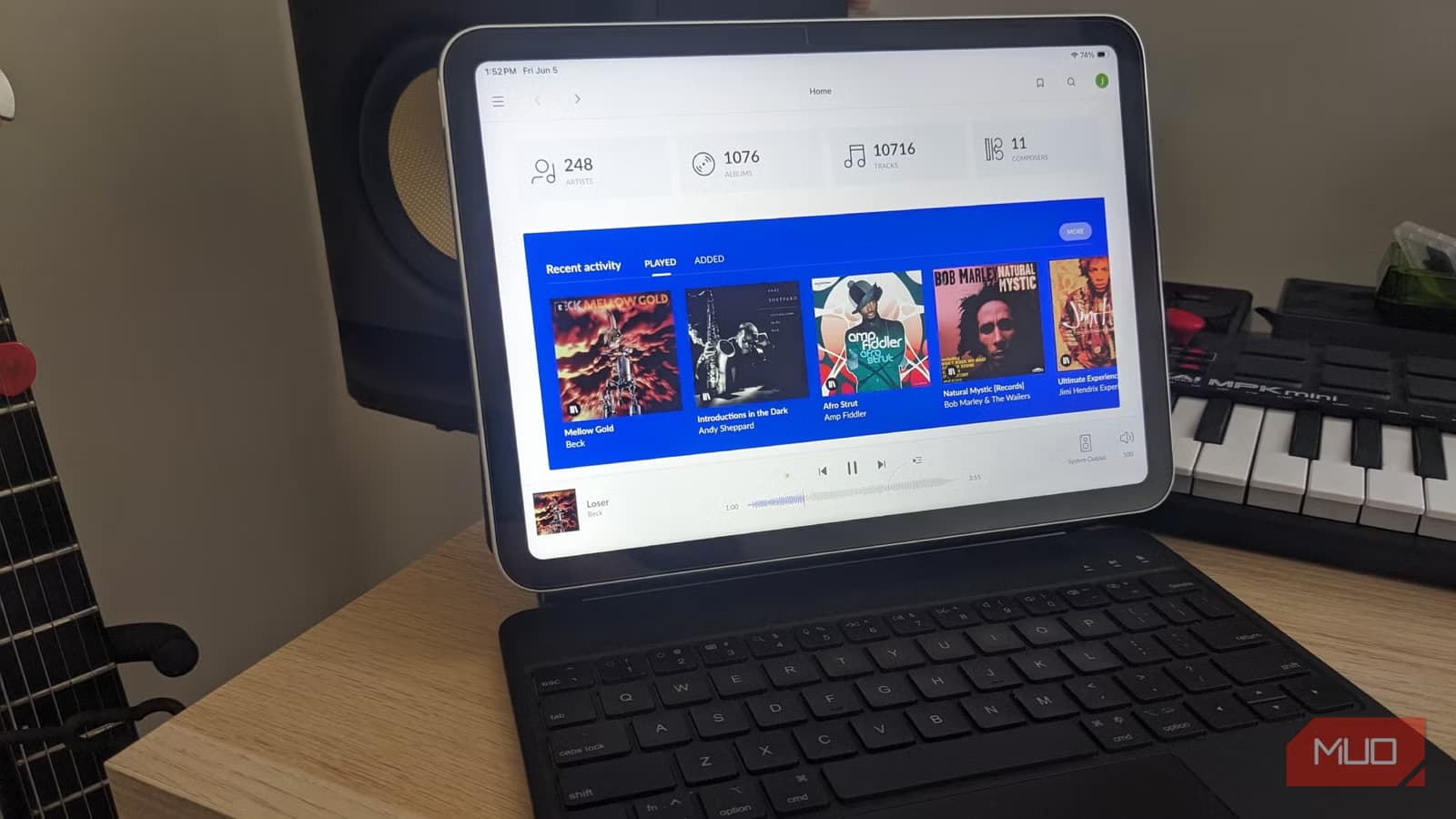
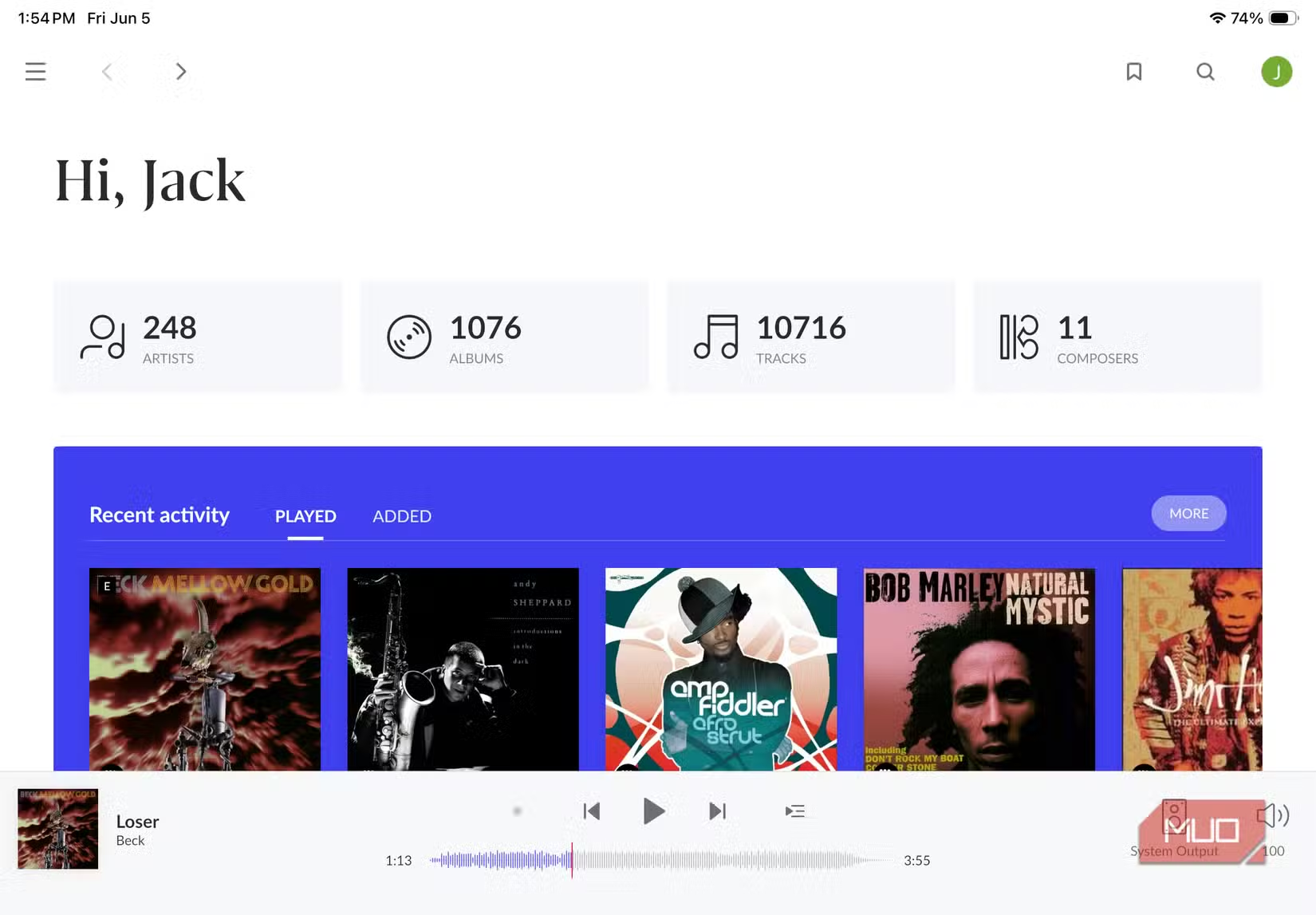
- Roon يدمج ملفاتك المحلية مع خدمات البث في مكتبة موحدة غنية بالبيانات الوصفية
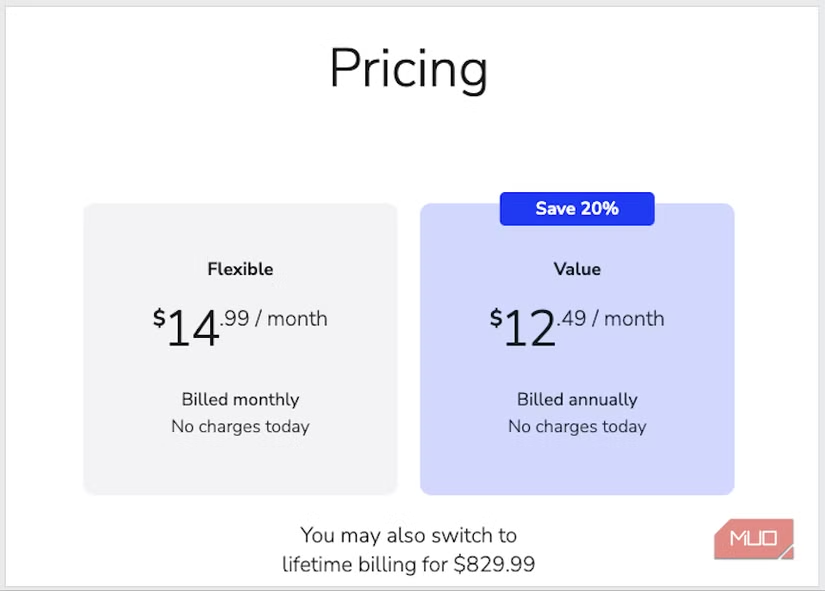
- اشتراك مدى الحياة يكلف 829.99 دولاراً، وهو استثمار يناسب هواة الجمع أكثر من المستمعين العاديين
- البرنامج يتفوق في إدارة المكتبات الضخمة وبث الصوت متعدد الغرف
حين تسمع أن مشغّل موسيقى يُباع باشتراك مدى الحياة بقيمة 829.99 دولاراً، قد تظن الأمر مبالغة. لكن Roon ليس مجرد برنامج تشغيل؛ إنه منصة تحوّل مجموعتك الموسيقية إلى موسوعة تفاعلية قابلة للاستكشاف، وهذا بالضبط ما يجعله الخيار الأول لعشاق الصوت حول العالم.
ما الذي يميّز Roon عن Spotify أو Apple Music؟
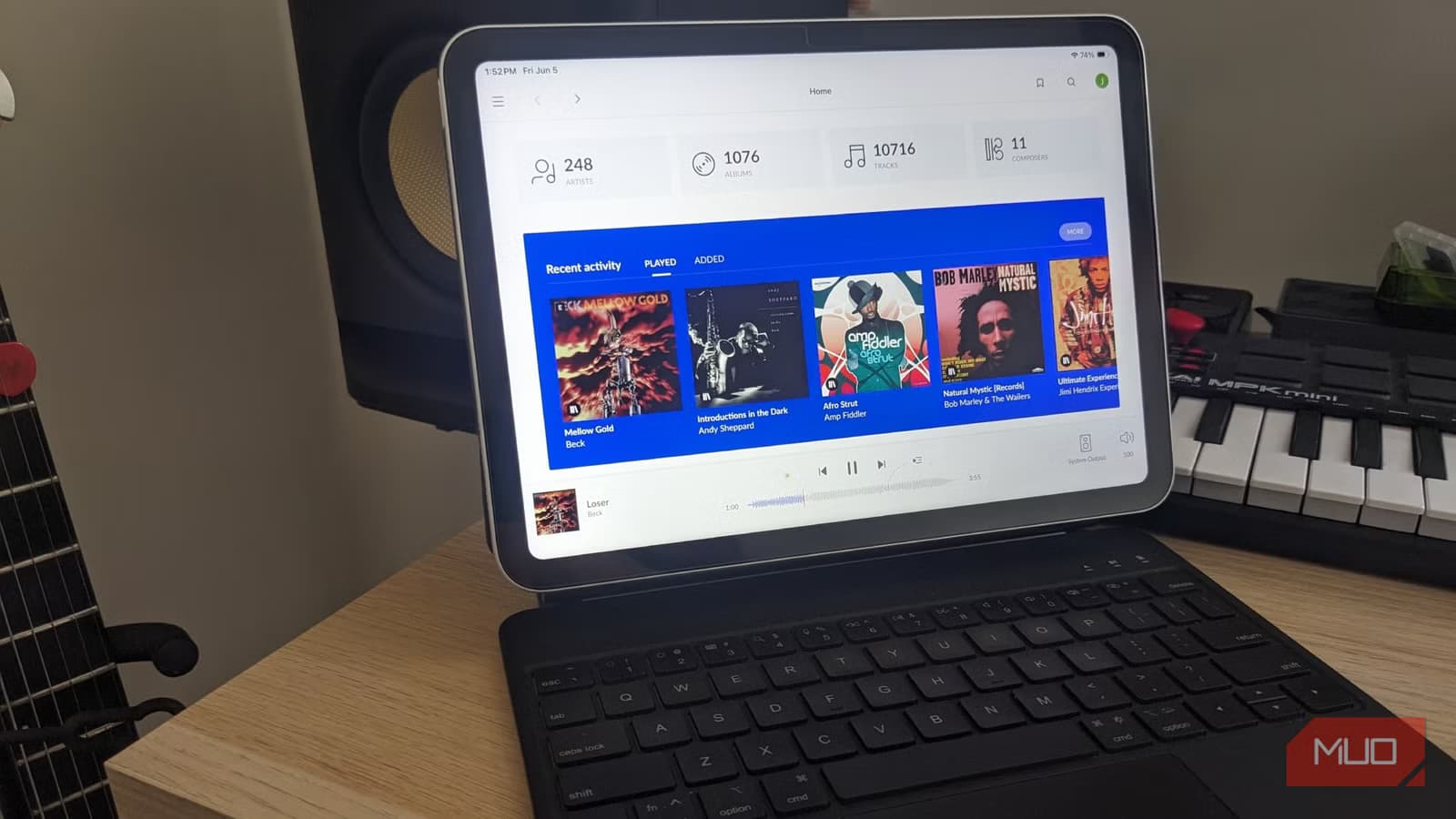
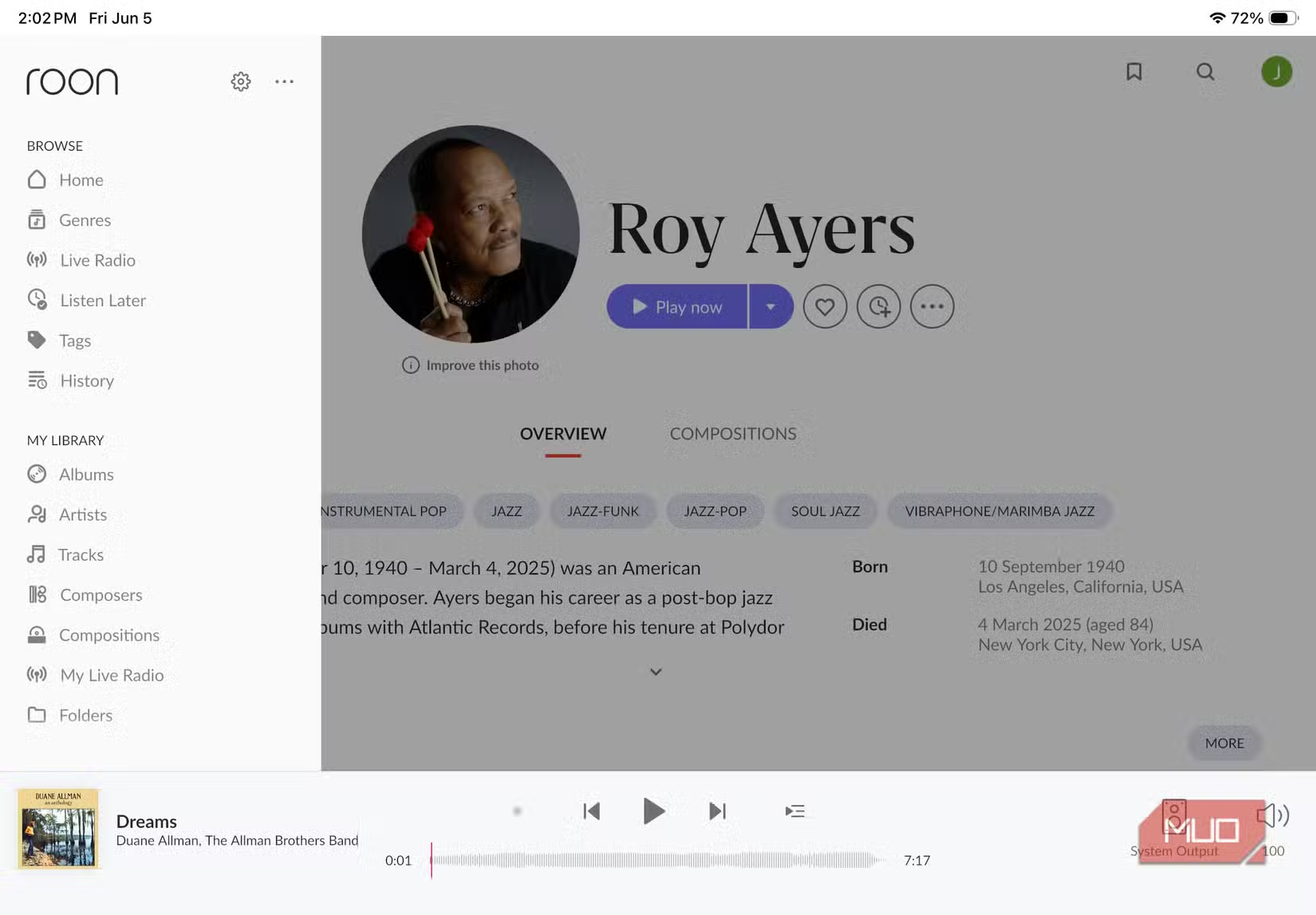
معظم مشغّلات الموسيقى تعرض الألبومات والفنانين بأسلوب موحّد ومكرر. Roon يذهب أبعد من ذلك بكثير: يُثري مكتبتك بسِيَر الفنانين، ومراجعات الألبومات، وأسماء المنتجين والمهندسين، والروابط بين الأعمال المختلفة. إذا كنت من جيل أغلفة الفينيل التي كانت تحمل كل هذه التفاصيل، ستشعر أن Roon يُعيدك إلى تلك التجربة الغنية.
الفارق الجوهري أن البرنامج لا يكتفي بتشغيل الموسيقى، بل يدمج ملفاتك المحلية بصيغ FLAC وDSD مع خدمات البث عالية الدقة مثل Tidal وQobuz في مكتبة واحدة موحدة. النتيجة: تجربة متماسكة بصرف النظر عن مصدر الملف.
كيف يتعامل Roon مع المكتبات الموسيقية الضخمة؟
إدارة آلاف المقطوعات عبر تطبيقات متعددة قد تكون كابوساً تنظيمياً. هنا يتألق Roon بأدوات بحث متقدمة، وخيارات فلترة ذكية، ونظام بيانات وصفية يُسهّل العثور على تسجيلات محددة أو إعادة اكتشاف مفضّلات قديمة نسيتها. البرنامج يجمع الألبومات وقوائم التشغيل والتوصيات من مصادر متعددة في واجهة واحدة سلسة.
ما قيمة البث متعدد الغرف لعشاق الصوت؟
لمن استثمر في أنظمة صوتية متعددة في منزله، يوفر Roon تحكماً مركزياً من منصة واحدة. بدلاً من التنقل بين تطبيقات مختلفة لكل غرفة أو جهاز، يعمل كل شيء بتناغم بغض النظر عن موقع الخادم. هذه الميزة وحدها قد تبرر التكلفة لبعض المستخدمين.
هل يستحق Roon هذا السعر فعلاً؟
الإجابة تعتمد على طبيعة استخدامك. إذا كنت مستمعاً عادياً يبث الموسيقى عبر جهاز واحد، فالتكلفة صعبة التبرير فوق اشتراكاتك الحالية. لكن إذا كنت منتج موسيقى يحتاج سماع مزيجه بدقة متناهية، أو جامع ألبومات يملك مكتبة ضخمة من الملفات المحلية، أو هاوي صوتيات استثمر في معدات متعددة الغرف، فإن Roon يقدم قيمة حقيقية لا تجدها في البدائل المجانية.
- البيانات الوصفية العميقة تحوّل الاستماع إلى تجربة استكشافية
- التكامل بين الملفات المحلية وخدمات البث يوحّد مكتبتك
- البث متعدد الغرف يناسب المنازل الذكية
- السعر يبقى العائق الأكبر للمستمع العادي
رأي Logicity
في سوق الخليج حيث تتسارع مشاريع المنازل الذكية ضمن رؤية 2030 وما يماثلها، يمثّل Roon نموذجاً للبرمجيات المتخصصة التي تستهدف شريحة ضيقة لكنها مستعدة للدفع مقابل جودة استثنائية. استحواذ Harman International على الشركة عام 2023 منحها موارد بحثية أكبر، لكنه أثار أيضاً تساؤلات مشروعة في مجتمعات المستخدمين حول مستقبل البرمجيات المتخصصة بعد الاستحواذ. المنافسة من بدائل مفتوحة المصدر مثل Jellyfin تظل محدودة على صعيد تجربة المستخدم، مما يُبقي Roon معياراً يصعب تكراره.
ماذا يقول الخبراء والمجتمع عن Roon؟
وصف الناقد الصوتي John Darko البرنامج بأنه ليس مجرد مشغّل بل موسوعة موسيقية غامرة تغيّر طريقة تفاعلك مع مجموعتك. من جهتها، أكدت إدارة Roon Labs بعد الاستحواذ أن مهمتها تظل توفير أدق البيانات الوصفية للمستمعين الأكثر تطلباً، بصرف النظر عن مكان تخزين الموسيقى.
النقاش في مجتمع Reddit الصوتي يكشف انقساماً واضحاً: مشتركو الاشتراك مدى الحياة يعتبرونه صفقة رابحة، بينما يشكو المستخدمون الجدد من النموذج الاشتراكي المتكرر. أما على HackerNews، فيُقرّ كثيرون بأن واجهة Roon تبقى معياراً صناعياً لم تنجح البدائل مفتوحة المصدر في مجاراته حتى الآن.
الأسئلة الشائعة
هل يعمل Roon مع خدمات البث العربية؟
يدعم Roon حالياً خدمات مثل Tidal وQobuz وnugs.net، لكن التكامل مع منصات بث محلية يعتمد على توفر واجهات برمجية مفتوحة من تلك الخدمات.
هل أحتاج أجهزة خاصة لتشغيل Roon؟
يمكن تشغيل Roon على حاسوب عادي، لكن الشركة تقدم أجهزة مخصصة مثل خط Nucleus للحصول على أداء مثالي دون ضجيج المراوح.
ما الفرق بين الاشتراك الشهري واشتراك مدى الحياة؟
الاشتراك الشهري يمنحك مرونة الإلغاء، بينما اشتراك مدى الحياة بقيمة 829.99 دولاراً يناسب من يخطط لاستخدام البرنامج لسنوات طويلة.
هل توجد بدائل مجانية لـ Roon؟
Jellyfin وPlex يقدمان إدارة مكتبات موسيقية، لكنهما يفتقران إلى عمق البيانات الوصفية وتكامل البث متعدد الغرف الذي يوفره Roon.
هل تحتاج مساعدة في التطبيق؟
إذا كنت تفكر في بناء نظام صوتي منزلي متكامل أو تحتاج استشارة حول أفضل الحلول البرمجية لإدارة مكتبتك الموسيقية، تواصل مع فريق Logicity للحصول على توصيات مخصصة تناسب احتياجاتك.
فاطمة الزهراء
كاتبة تقنية متخصصة في الذكاء الاصطناعي
أُنتِج هذا المقال بمساعدة الذكاء الاصطناعي وراجعه فريق التحرير في لوجيسيتي. اعرف المزيد في سياسة التحرير.