Lyrid Meteor Shower 2026: A Business Case for Dark Sky Tourism
Key Takeaways
- 2026 offers ideal viewing conditions with moonless skies during peak hours, making it a prime year for dark sky events
- Dark sky tourism is projected to reach $8 billion globally, with astro-tourism packages commanding 40-60% premiums
- Indian hospitality businesses in low-light-pollution zones can tap into this niche with minimal infrastructure investment
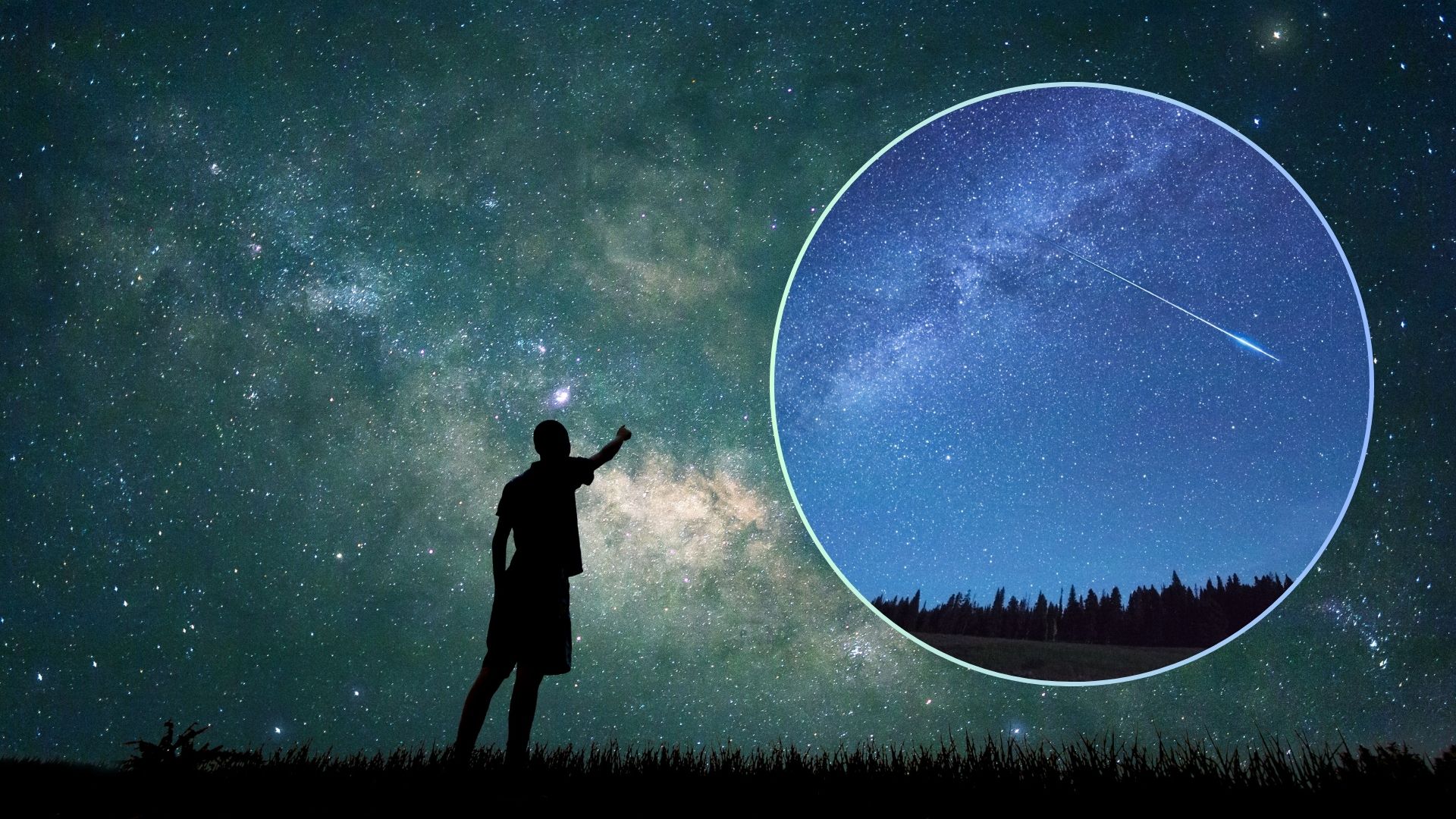
According to [Space.com](https://www.space.com/stargazing/meteor-showers/how-to-see-the-lyrid-meteor-shower-2026-where-to-look-in-the-night-sky), the 2026 Lyrid meteor shower will peak under nearly perfect conditions, with the moon setting after midnight and leaving dark skies for optimal viewing of up to 18 meteors per hour.
Here's why that matters if you're running a hotel, resort, or tourism operation: dark sky events are no longer just for astronomy enthusiasts. They're a legitimate revenue stream that hospitality businesses worldwide are cashing in on. And the 2026 Lyrids represent one of the best viewing opportunities in years.
Why Should CEOs Care About Meteor Showers?
Let's be direct: you're not in the meteor business. But if you're in hospitality, travel, or experience-based services, you're in the business of selling moments. And a meteor shower is a moment that sells itself.
The Lyrids have been observed for 2,700 years, first documented by Chinese astronomers in 687 B.C. That's not just history. That's marketing gold. You're not selling a night under the stars. You're selling participation in humanity's oldest ongoing celestial observation.
“They are the proverbial swallow of spring for observers in the Northern Hemisphere.”
— Peter Jenniskens, Meteor Astronomer
The business model is straightforward. Properties in low-light-pollution areas can charge premium rates for meteor shower packages. We're seeing 40-60% rate increases for astro-tourism events at properties that have invested in the positioning. The investment? Often just marketing and staff training. The night sky is already there.
What Makes the 2026 Lyrid Meteor Shower Special?
Reddit's r/Astronomy community is calling 2026 a 'Goldilocks year' for the Lyrids. The reason is simple: timing. The moon sets at 1:30 AM, creating a rare window of complete darkness right when the meteor activity peaks before dawn.
For context, most meteor showers compete with moonlight. The 2026 Lyrids won't. That means brighter visible meteors, better photography conditions, and happier guests. It also means your marketing can promise exceptional viewing without the usual astronomical disclaimers.
“The Lyrids are capable of producing meteors that are spectacularly bright, with approximately 20-25 percent leaving persistent trains.”
— Alastair McBeath, Meteor Expert
Those 'persistent trains' are glowing trails that linger for several seconds after the meteor passes. They're Instagram moments. They're the shots guests will share and tag your property in. That's organic marketing you can't buy.
How to See the Lyrid Meteor Shower: The Viewing Strategy
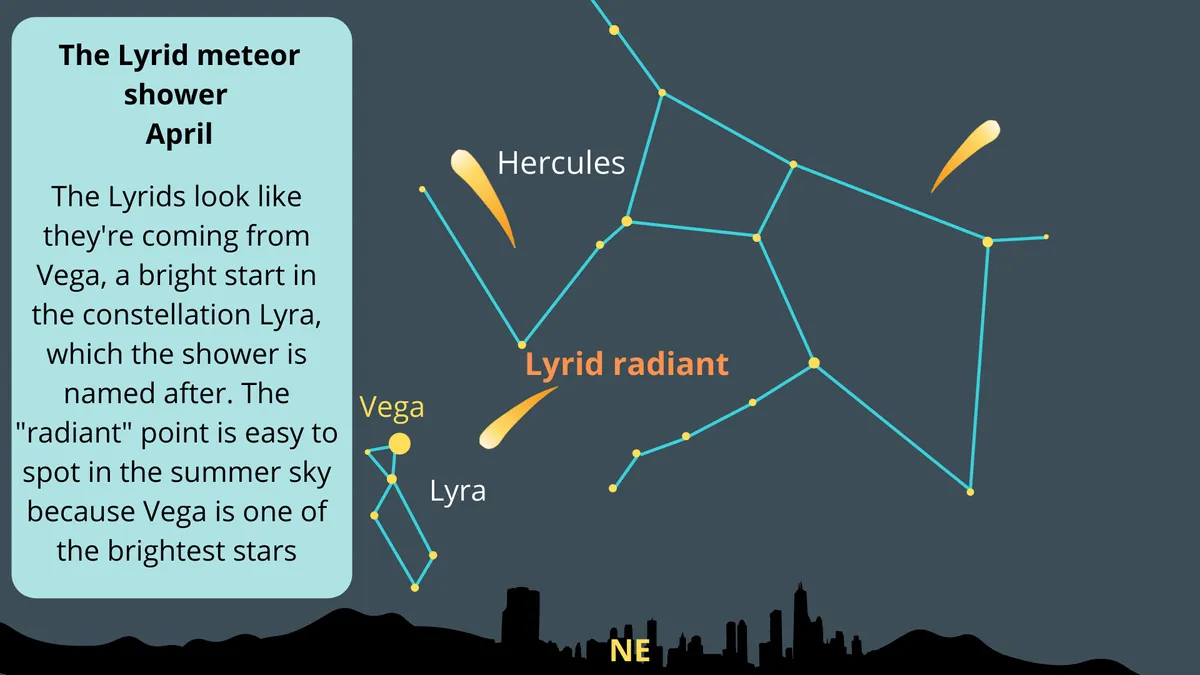
Whether you're planning a personal viewing or designing an experience for guests, understanding the mechanics matters. NASA's Bill Cooke explains the geometry: 'Hitting the Lyrids is like hitting the left front fender of a car as you drive through a cloud of debris.' Earth is passing through dust left by Comet Thatcher, which won't return until 2283.
- Don't look directly at the radiant point near Vega. The longest meteor trails appear 30-40 degrees away from the source
- Face the darkest part of the sky, away from any artificial light sources
- Allow 20-30 minutes for eyes to fully adapt to darkness. No phone screens during this period
- Peak viewing is between 2 AM and dawn when the radiant is highest in the sky
- Expect 15-20 meteors per hour under ideal conditions, with occasional bright fireballs
The recent 'Green Fireball' captured over Bristol and Ireland on April 12, 2026 demonstrates what's possible when conditions align. These viral moments drive interest and, for businesses positioned correctly, drive bookings.
Dark Sky Tourism: The Revenue Opportunity for Indian Hospitality
India has significant untapped potential in astro-tourism. Properties in Ladakh, Spiti Valley, parts of Rajasthan, and the Western Ghats have naturally low light pollution. The infrastructure investment to capitalize on events like the Lyrids is minimal compared to the premium pricing these experiences command.
| Investment Area | Typical Cost | Revenue Impact | Payback Period |
|---|---|---|---|
| Staff astronomy training | ₹50,000-1,00,000 | Enables premium packages | 1-2 events |
| Basic telescope equipment | ₹2-5 lakhs | Adds upsell opportunity | 6-12 months |
| Dark sky certification | ₹1-2 lakhs | Marketing differentiation | 12-18 months |
| Viewing deck/platform | ₹5-15 lakhs | Property amenity upgrade | 18-24 months |
The key insight: you don't need to become an observatory. You need to become a destination for people who want to see the night sky without driving hours from a major city. The Lyrids happen every April. The Perseids in August. The Geminids in December. That's three premium pricing windows annually before you even consider new moon weekends.
Applies the same ROI framework to technology investments
What Equipment Do You Need for Meteor Shower Events?
Here's what guests actually need for meteor shower viewing: nothing. That's the beauty of it. Unlike solar eclipses or deep-sky observation, meteor showers require no equipment. Naked-eye viewing is optimal. Telescopes and binoculars actually limit your field of view.
What you should provide as a host: comfortable reclining positions (blankets, loungers, or designated viewing areas), warm beverages for pre-dawn viewing, and ideally a knowledgeable guide who can point out constellations and explain what guests are seeing.
For guests interested in photography, the requirements scale up. But that's an upsell opportunity, not a baseline requirement. Camera rentals, tripod setups, and basic astrophotography workshops can generate additional revenue from serious enthusiasts while casual viewers enjoy the show for free.
The Science Behind the Spectacle: What Creates Lyrid Meteors?
Understanding the science helps you tell a better story to guests. The Lyrids originate from Comet C/1861 G1 (Thatcher), which orbits the sun every 415.5 years. The comet last passed through the inner solar system in 1861 and won't return until 2283. What we see today is debris the comet left behind centuries ago.
Each meteor is typically a grain of dust or small pebble burning up at 29 miles per second. The bright flash occurs roughly 50-80 miles above Earth's surface. The occasional 'fireballs' that cast shadows are slightly larger fragments, perhaps pea-sized. It's remarkable that something so small creates such a visible display.
This context transforms the viewing experience. You're not just watching lights in the sky. You're watching 160-year-old comet debris incinerate in the upper atmosphere at speeds that would cross India in under 90 seconds.
Planning Your 2026 Lyrid Viewing: Key Dates and Conditions
The peak night of April 21-22 is your primary target. But smart operators will market the entire week as a 'Lyrid Week' experience. Cloud cover on peak night? Guests still have four other nights with decent activity. That flexibility is valuable when you're selling packages months in advance.
Another guide on optimizing for conditions you can't control
Logicity's Take
We build websites and AI agents at Logicity, not telescopes. But we understand how niche positioning creates business value. The dark sky tourism angle isn't something we'd claim technical expertise in. What we do see is a pattern that applies across industries: underserved audiences plus natural assets equals premium pricing opportunities. For Indian hospitality businesses reading this, the tech layer is straightforward. A simple booking system that highlights moon phases, automated weather alerts for guests, maybe an AI chatbot that answers astronomy questions. These are problems we solve daily. The harder work is the positioning and storytelling. That's where we see most businesses struggle. If you're operating a property in a low-light-pollution zone and haven't explored astro-tourism packaging, the 2026 Lyrids are a good forcing function. Start planning six months out. Test your marketing. See what books. The night sky isn't going anywhere, and neither is the growing urban population that's never seen the Milky Way.
Frequently Asked Questions About the Lyrid Meteor Shower
Frequently Asked Questions
Is dark sky tourism actually profitable for small resorts?
Properties that have invested in astro-tourism positioning report 40-60% rate premiums during celestial events. The investment is primarily marketing and staff training, with equipment costs under ₹5 lakhs for basic setups. Payback typically occurs within 12-18 months for properties in genuinely dark locations.
What if clouds ruin the meteor shower viewing for guests?
Smart operators market multi-night packages covering the full active period (April 16-25 for the Lyrids). This hedges weather risk. Additionally, cloud-cover nights can feature indoor programming: astronomy talks, astrophotography workshops, or planetarium-style presentations.
Where in India has the darkest skies for meteor viewing?
Ladakh, Spiti Valley, and parts of Rajasthan (particularly around Jaisalmer) have internationally recognized dark sky conditions. The Andaman Islands and remote areas of the Western Ghats also offer excellent viewing. Properties within 100km of major metros will struggle regardless of local conditions.
How many meteors will guests actually see during the Lyrids?
Under ideal conditions (dark skies, clear weather, peak night), expect 15-20 meteors per hour. Realistically, with horizon obstructions and attention gaps, guests will see 8-12 per hour. Set expectations at 'one every few minutes' rather than 'constant shooting stars.'
Do I need expensive telescopes for meteor shower events?
No. Telescopes actually harm meteor viewing because they restrict your field of view. Meteors appear randomly across the entire sky. Naked-eye viewing is optimal. Provide comfortable reclining positions, warm blankets, and perhaps a constellation guide. Save telescope investments for dedicated stargazing programs.
Need Help Building Your Digital Presence?
Logicity specializes in websites, AI agents, and automation for businesses looking to stand out in niche markets. If you're building an astro-tourism offering or any experience-based business, we can help you create booking systems, AI chatbots for guest questions, and marketing automation that converts interest into reservations. Based in Hyderabad, working with clients globally.
Another analysis of timing market opportunities correctly
Source: Latest from Space.com
Manaal Khan
Tech & Innovation Writer
اقرأ أيضاً
كيف تستخدم JavaScript Fetch API: إرسال الطلبات ومعالجة الأخطاء وإلغاء الاتصالات
تُعدّ JavaScript Fetch API الأداة المدمجة لإجراء طلبات HTTP في المتصفحات الحديثة وبيئة Node.js بدءاً من الإصدار 18. تعتمد هذه الواجهة على Promises، مما يُتيح لك استخدام سلسلة .then() أو صيغة async/awa

دليل إعداد PHP-FPM مع Nginx على Ubuntu خطوة بخطوة
يُعدّ الجمع بين PHP-FPM مع Nginx الطريقة المعيارية لتشغيل تطبيقات PHP على خوادم Nginx، إذ لا يمتلك Nginx وحدة PHP مدمجة كما هو الحال مع mod_php في Apache. بدلاً من ذلك، يتولى Nginx تقديم الملفات الثاب

مستثمرون صينيون اشتروا سراً حصصاً في SpaceX قبل الطرح العام
كشفت وثائق محكمة أمريكية أن مستثمرين صينيين وروس استحوذوا سراً على حصص في شركة SpaceX قبل سنوات من طرحها العام، وذلك عبر شركة وسيطة مقرها الولايات المتحدة، في وقت تبني فيه شركة إيلون ماسك أقماراً تجسس