أبرز النقاط
- عقدة 18A-P تدخل مرحلة الإنتاج التجريبي تمهيداً للإنتاج الضخم خلال 12-24 شهراً
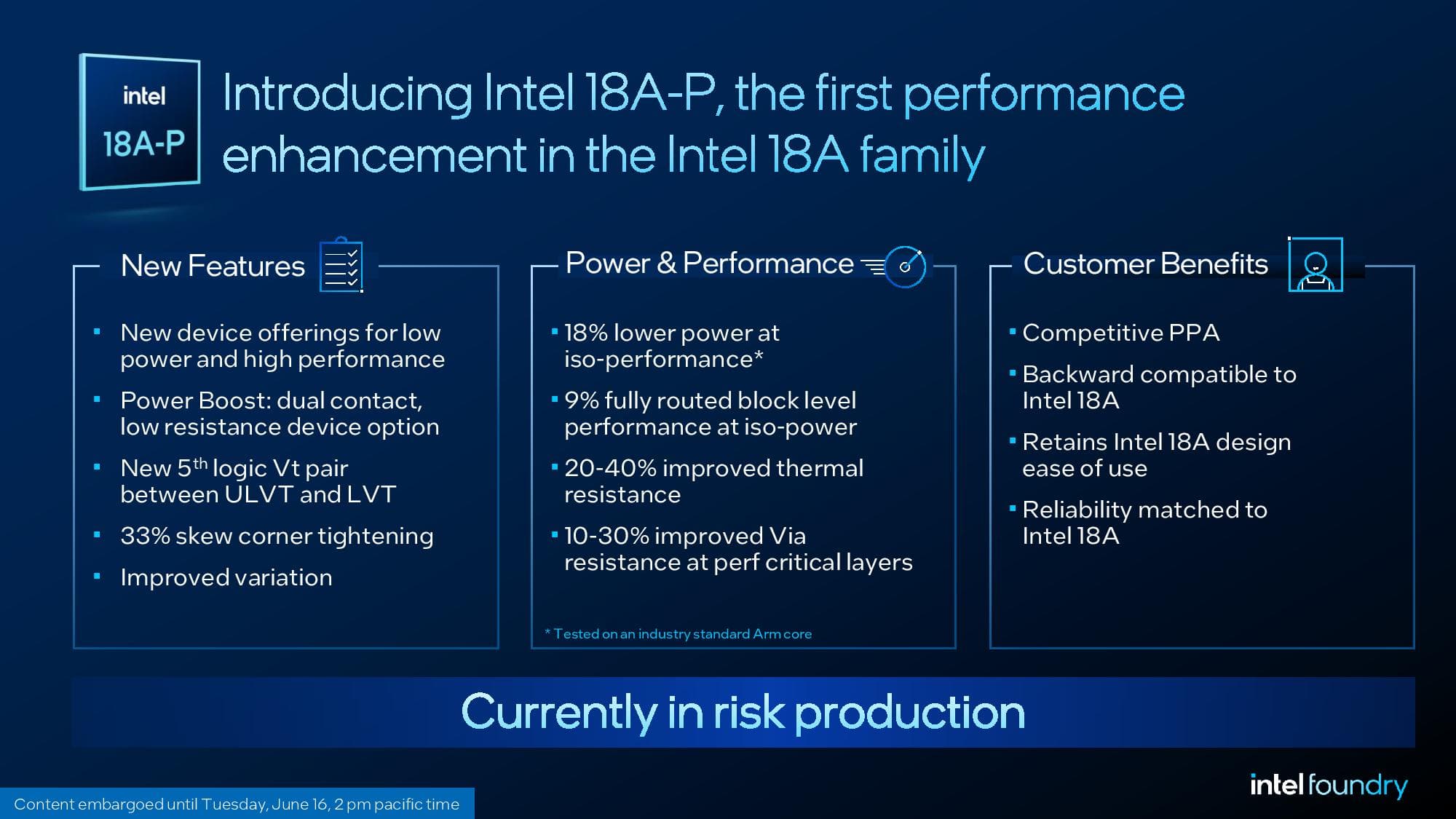
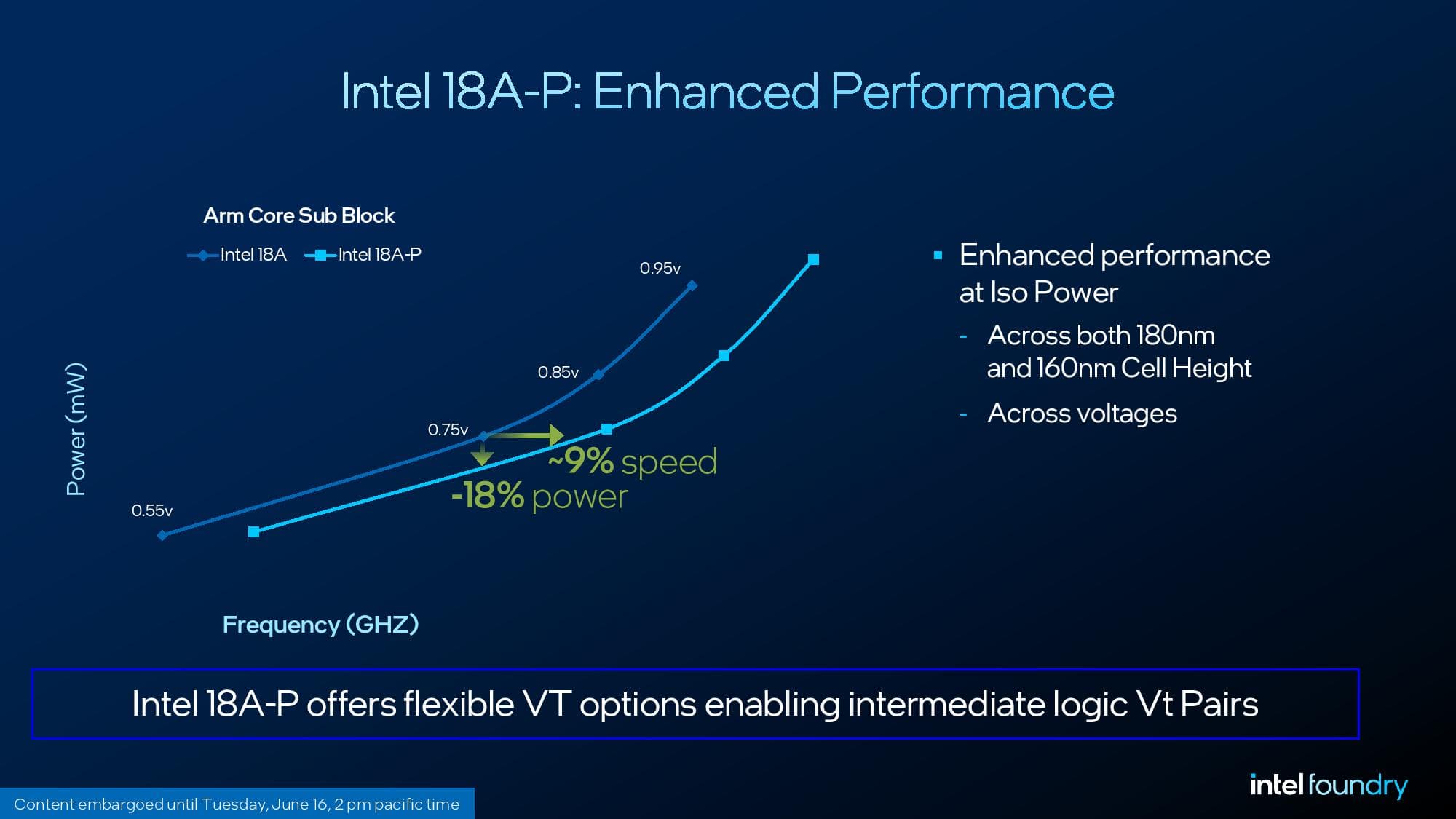
- تحسين الأداء بنسبة 9% عند نفس استهلاك الطاقة أو خفض الاستهلاك 18% عند نفس الأداء
- توافق عكسي كامل مع تصاميم 18A دون الحاجة لأي تعديلات
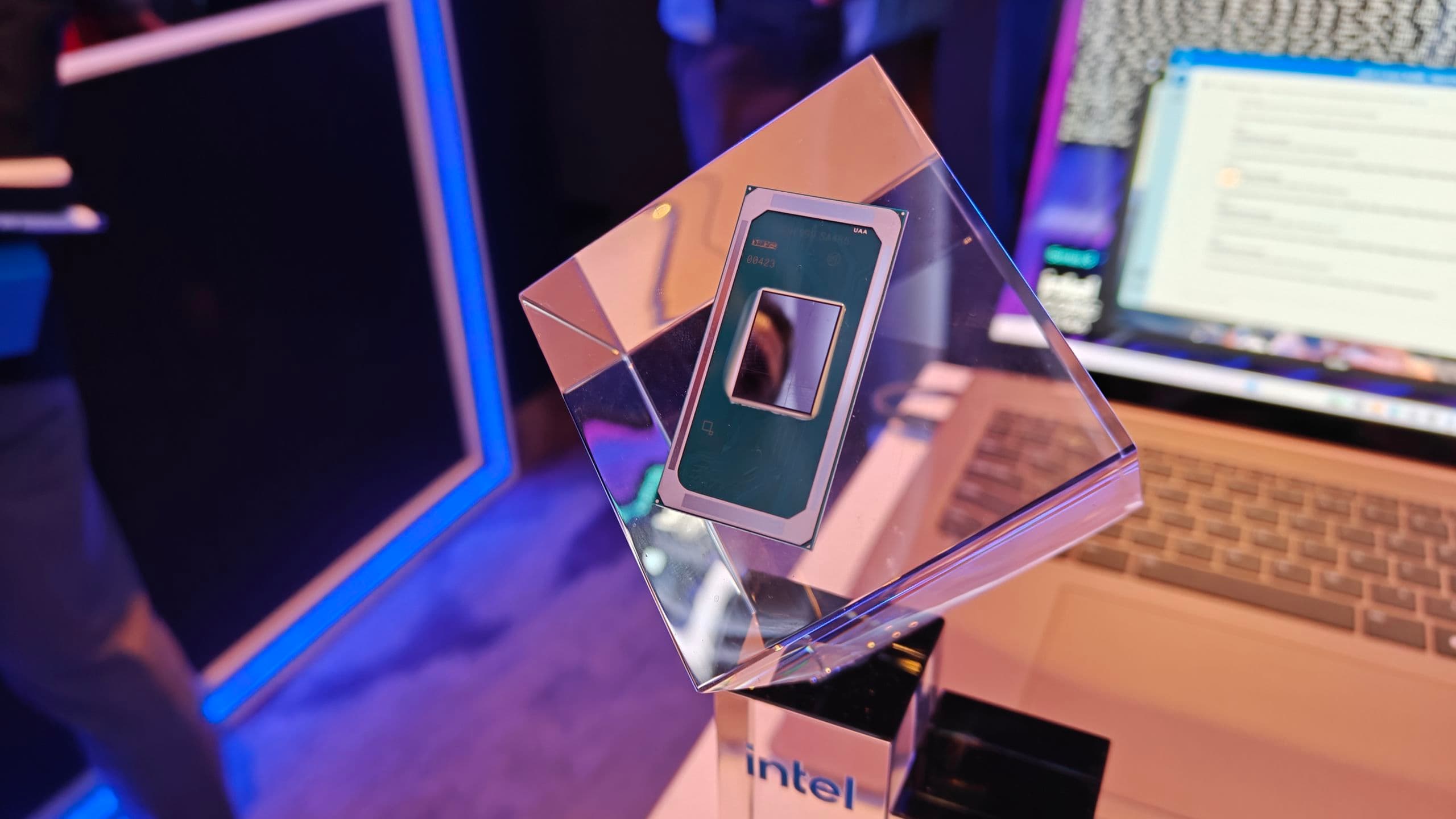
كشفت إنتل عن تفاصيل تقنية موسّعة حول عقدة التصنيع المحسّنة 18A-P خلال مؤتمر VLSI 2026، معلنةً دخولها مرحلة الإنتاج التجريبي (Risk Production). تَعِد هذه العقدة بتحسين الأداء بنسبة 9% عند نفس مستوى استهلاك الطاقة، أو خفض استهلاك الطاقة بنسبة 18% عند الحفاظ على نفس مستوى الأداء — أرقام ستنعكس مباشرة على منتجات الجيل القادم مثل معالجات Panther Lake للحواسيب المحمولة ومعالجات Xeon 6+ للخوادم.
ما المقصود بمرحلة الإنتاج التجريبي وماذا تعني للسوق؟
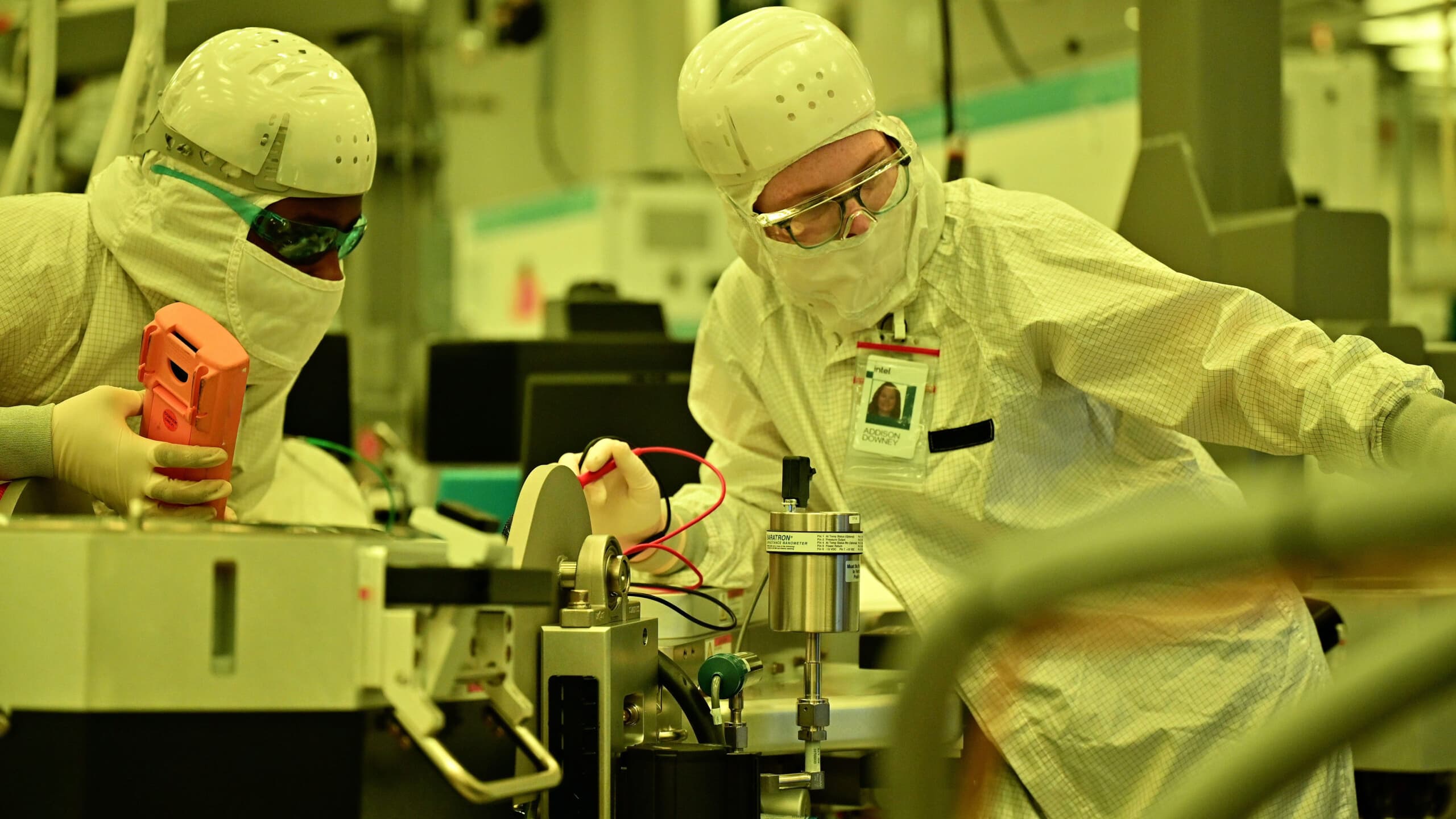
مرحلة الإنتاج التجريبي هي المرحلة التي تسبق الإنتاج الضخم مباشرة في صناعة أشباه الموصلات. خلالها، تُنتج إنتل رقائق كاملة على خطوط الإنتاج القياسية لكن بكميات محدودة، بهدف جمع بيانات دقيقة حول معدلات العيوب والأداء الفعلي والتباين بين الشرائح. عادةً ما تسبق هذه المرحلة الإنتاج الضخم بفترة تتراوح بين 12 و24 شهراً للعقد الجديدة كلياً، لكن نظراً لأن 18A-P هي نسخة محسّنة من 18A القائمة، فإن الجدول الزمني سيكون أقصر.
التوافق العكسي: ترقية سلسة دون إعادة تصميم
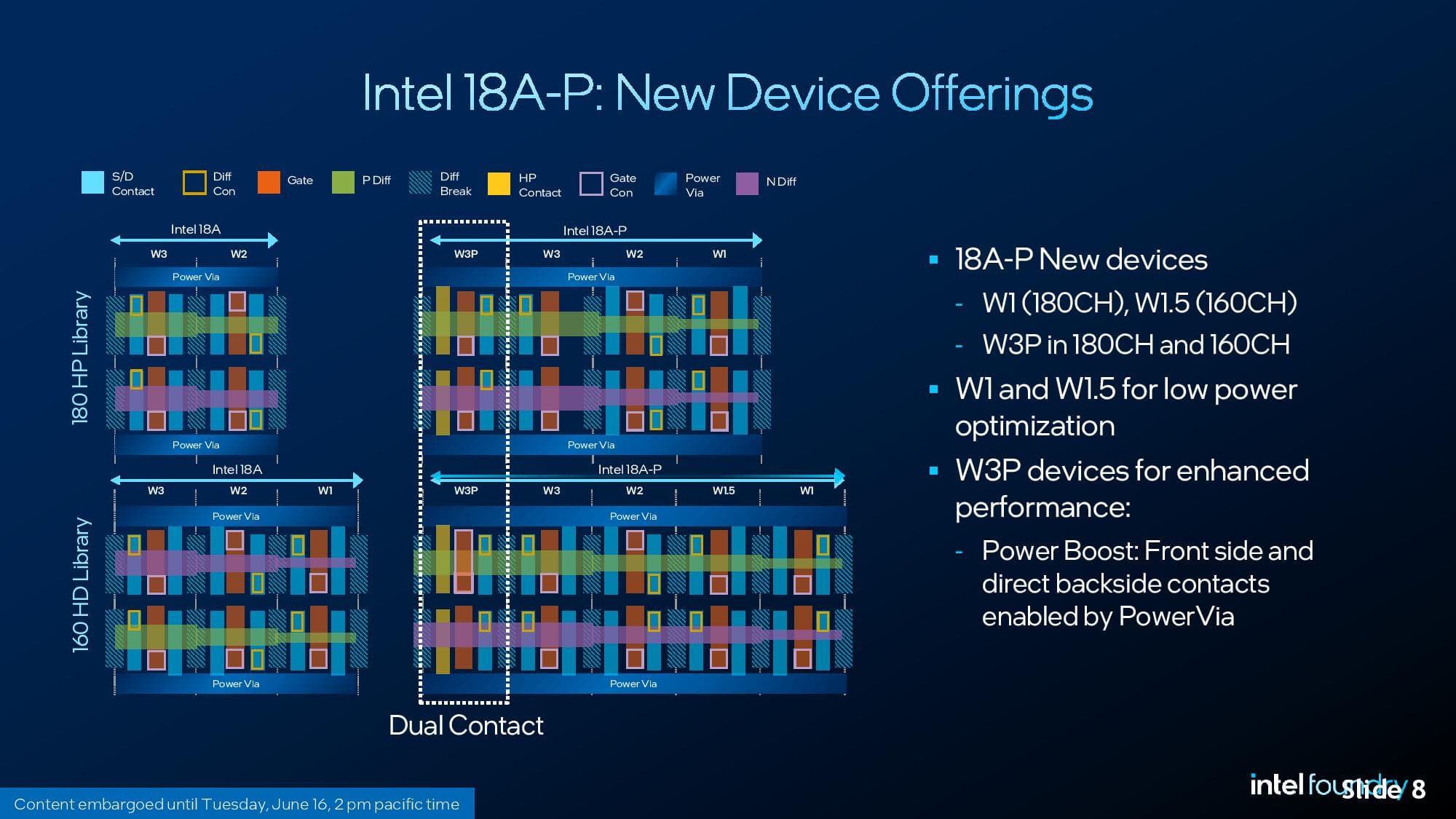
أحد أبرز مزايا 18A-P هو التوافق العكسي الكامل مع تصاميم 18A. تستخدم العقدة الجديدة نفس المكتبات عند ارتفاعات الخلايا 180 نانومتر للأداء العالي و160 نانومتر للكثافة العالية. هذا يعني أن المصممين يستطيعون نقل تصاميمهم الحالية إلى 18A-P دون أي تعديلات والحصول على تحسينات أداء فورية، وإن كانت طفيفة. أما من يرغب في الاستفادة القصوى، فيمكنه اعتماد تصاميم الترانزستورات الجديدة.
ثلاثة تصاميم ترانزستور جديدة توسّع خيارات المصممين
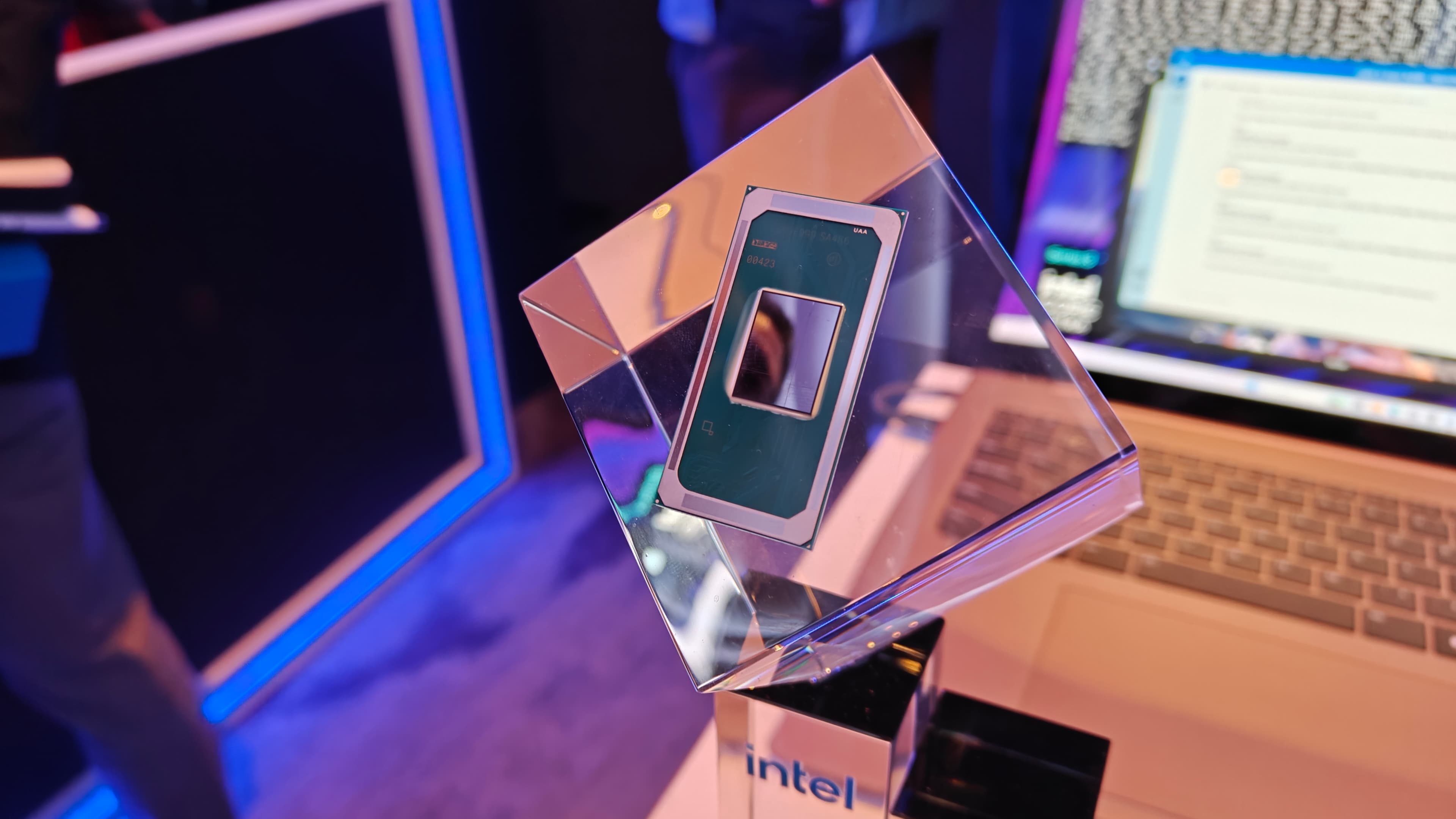
أضافت إنتل ثلاثة تصاميم ترانزستور جديدة إلى مكتبتها مع 18A-P:
- W1: أصبح متاحاً الآن في مكتبة 180 نانومتر بعد أن كان محصوراً في 160 نانومتر، وهو تصميم ضيق محسّن لاستهلاك الطاقة المنخفض
- W1.5: تصميم ضيق جديد متاح في مكتبة 160 نانومتر، يسدّ فجوات في التصاميم المحسّنة للطاقة
- W3P: تصميم ثنائي التوصيل مع ميزة Power Boost، متاح في كلتا المكتبتين، ويمثل القفزة الأكبر في الأداء

تقنية Power Boost: كيف يحقق W3P قفزة الأداء؟
يُعدّ تصميم W3P الأكثر إثارة للاهتمام بفضل تقنية Power Boost. تستخدم عقدة 18A أصلاً تقنية توصيل الطاقة من الخلف PowerVia، التي توجّه الطاقة عبر الجهة الخلفية للرقاقة، مما يحرر مساحة في الجهة الأمامية لتوصيلات الإشارات ويقلل المقاومة الحرارية. يذهب تصميم W3P أبعد من ذلك بإضافة نقاط توصيل في الجهتين الأمامية والخلفية، مما يخفض المقاومة الطفيلية ويرفع تيار القيادة لتسريع عمليات التبديل.
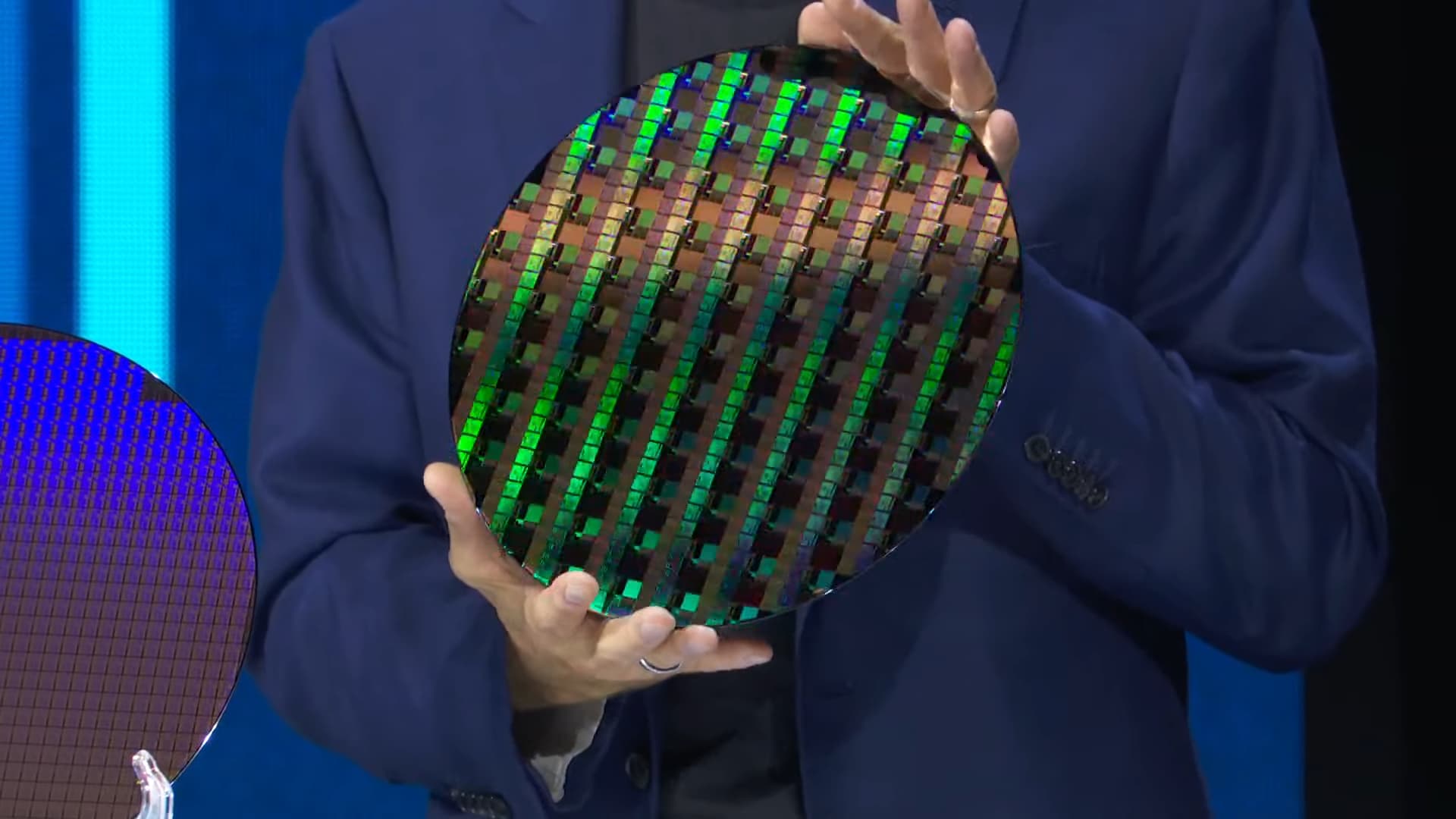
أظهرت اختبارات إنتل على نواة Arm قياسية أن تحسين التردد بنسبة 9% أو خفض الطاقة بنسبة 18% يتحقق تحديداً عند جهد 0.75 فولت. لكن حتى عند الابتعاد عن هذه النقطة المثالية، تحتفظ 18A-P بتحسينات ملموسة في التردد واستهلاك الطاقة مقارنة بالعقدة السابقة.
خيار جديد لجهد العتبة يوازن بين الأداء والتسريب
تضيف إنتل أيضاً زوجاً جديداً من جهد العتبة (VT) إلى تشكيلتها. تقليدياً، توفر الشركات المصنّعة أربعة خيارات: HVT وSVT وLVT وULVT، تتدرج من جهد عتبة عالٍ إلى منخفض جداً. كلما انخفض جهد العتبة، قلّت الطاقة اللازمة لتفعيل الترانزستور لكن زاد تسريب الطاقة. الخيار الجديد ULVTLL (جهد عتبة منخفض جداً مع تسريب منخفض) يقع بين ULVT وLVT، مقدماً أداءً أفضل من LVT مع تسريب أقل من ULVT — توازن كان مفقوداً في المكتبات السابقة.
تحسينات حرارية وكهربائية إضافية
تشير البيانات المتاحة إلى أن 18A-P تحقق خفضاً في المقاومة الحرارية يصل إلى 40% عبر تقنيات ترقيق الرقائق المتقدمة، إضافة إلى تقليل هبوط الجهد الديناميكي بمعامل يصل إلى 10 أضعاف بفضل تحسينات توصيل الطاقة من الخلف. هذه التحسينات تعني استقراراً أفضل للمعالجات تحت الأحمال الثقيلة وكفاءة حرارية أعلى — عوامل حاسمة للحواسيب المحمولة عالية الأداء ومراكز البيانات.
ما الذي يعنيه هذا لمنافسة إنتل مع TSMC؟
تأتي هذه الإعلانات في سياق سباق محتدم مع TSMC التايوانية التي تهيمن على تصنيع الرقائق المتقدمة. دخول 18A-P مرحلة الإنتاج التجريبي يُظهر أن إنتل تسير وفق خارطة طريقها الطموحة "خمس عقد في أربع سنوات". التوافق العكسي مع 18A يسهّل على العملاء المحتملين تبنّي العقدة الجديدة دون مخاطر إعادة التصميم، وهي نقطة بيع قوية لخدمات Intel Foundry Services.
رأي Logicity
تُظهر 18A-P نضجاً ملحوظاً في نهج إنتل التصنيعي: بدلاً من القفز إلى عقد جديدة كلياً، تستثمر الشركة في تحسينات تراكمية تحافظ على التوافق العكسي وتقلل مخاطر التبني للعملاء. هذا النهج قد يكون المفتاح لاستعادة حصة سوقية في قطاع التصنيع التعاقدي، خاصة مع تزايد اهتمام الشركات الأمريكية والأوروبية بتنويع سلاسل توريدها بعيداً عن الاعتماد الكامل على آسيا.
الأسئلة الشائعة
متى ستتوفر منتجات مبنية على عقدة 18A-P في الأسواق؟
بناءً على الجدول الزمني المعتاد، يُتوقع أن تصل المنتجات التجارية خلال 12-24 شهراً من دخول مرحلة الإنتاج التجريبي، مع احتمال أن يكون الجدول أقصر نظراً لكون 18A-P نسخة محسّنة وليست عقدة جديدة كلياً.
هل يمكن لعملاء Intel Foundry استخدام تصاميمهم الحالية على 18A-P؟
نعم، العقدة الجديدة متوافقة عكسياً بالكامل مع تصاميم 18A. يمكن نقل التصاميم دون أي تعديلات مع الحصول على تحسينات أداء، أو اعتماد الترانزستورات الجديدة للاستفادة القصوى.
ما الفرق بين 18A و18A-P؟
18A-P هي نسخة محسّنة للأداء تضيف تصاميم ترانزستور جديدة (W1، W1.5، W3P) وخيار جهد عتبة جديد (ULVTLL)، مع تحسينات في التوصيل الحراري والكهربائي تصل إلى 9% أداء إضافي أو 18% توفير في الطاقة.
ما أهمية تقنية PowerVia في هذه العقدة؟
تقنية PowerVia لتوصيل الطاقة من الخلف تحرر مساحة في الجهة الأمامية لتوصيلات الإشارات، وتقلل المقاومة الحرارية وهبوط الجهد الديناميكي، مما يحسّن الاستقرار والكفاءة تحت الأحمال العالية.
هل تحتاج مساعدة في التطبيق؟
إذا كنت تعمل في قطاع أشباه الموصلات أو تصميم الرقائق وترغب في فهم أعمق لتقنيات التصنيع المتقدمة وتأثيرها على مشاريعك، تواصل مع فريق Logicity للحصول على تحليلات متخصصة ومحتوى تقني مفصّل.
عمر حسن
كاتب تقني وابتكار
أُنتِج هذا المقال بمساعدة الذكاء الاصطناعي وراجعه فريق التحرير في لوجيسيتي. اعرف المزيد في سياسة التحرير.


