Claude Design Lets Non-Designers Build App Mockups With AI
Key Takeaways
- Claude Design generates design artifacts like app mockups, website prototypes, and pitch decks using AI
- The tool integrates with GitHub, Figma, and local files to build custom design systems
- Currently in research preview with weekly usage caps for paid Claude subscribers
Anthropic has quietly rolled out Claude Design, a tool that lets users generate app mockups, website prototypes, pitch decks, and landing pages through text prompts. The product is now available in research preview for paid Claude subscribers at claude.ai/design.
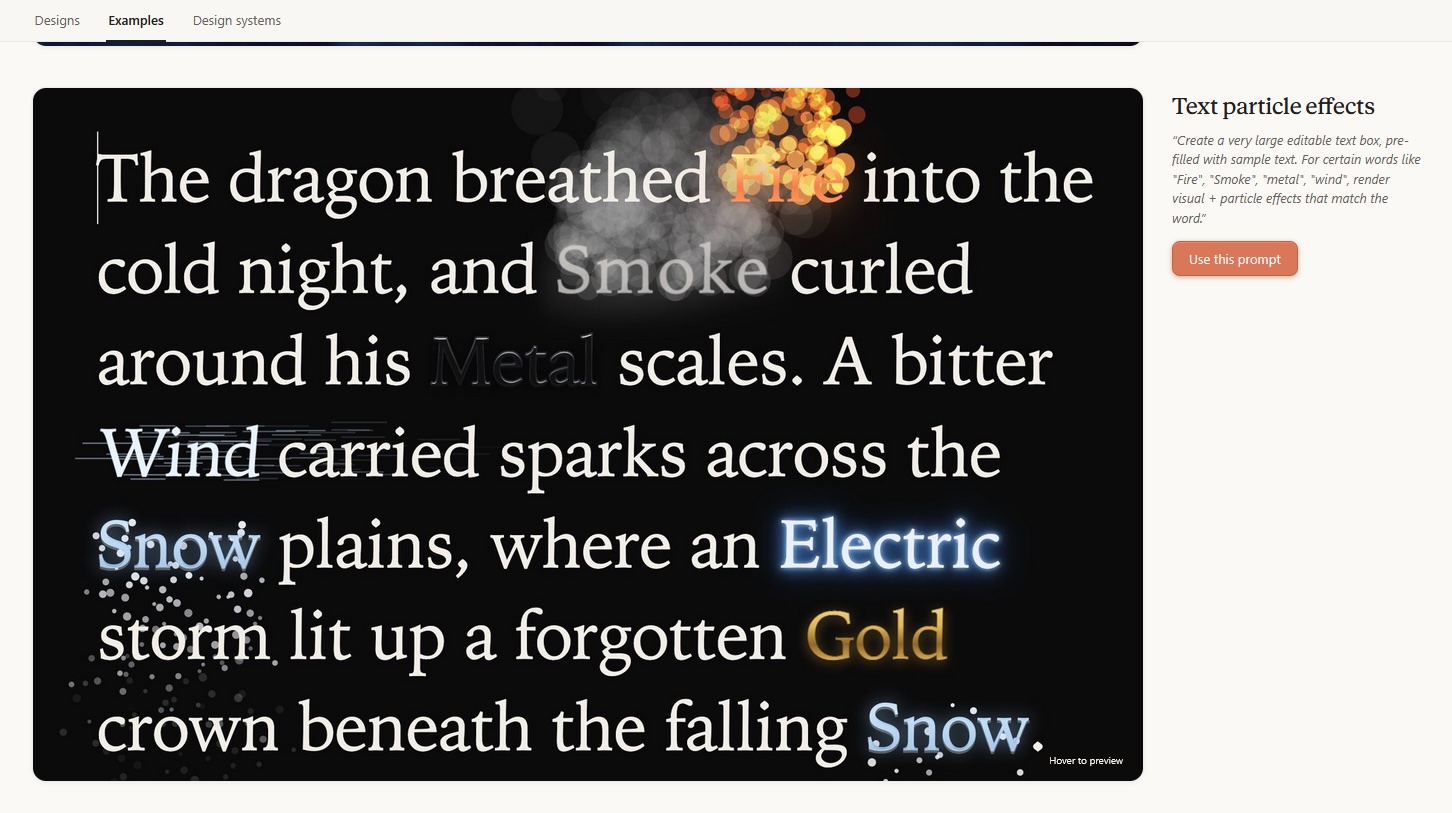
The pitch is straightforward: instead of wrestling with Figma layers or Sketch artboards, you describe what you want. The AI builds it. You review the output in a preview window and refine through follow-up prompts or inline comments.
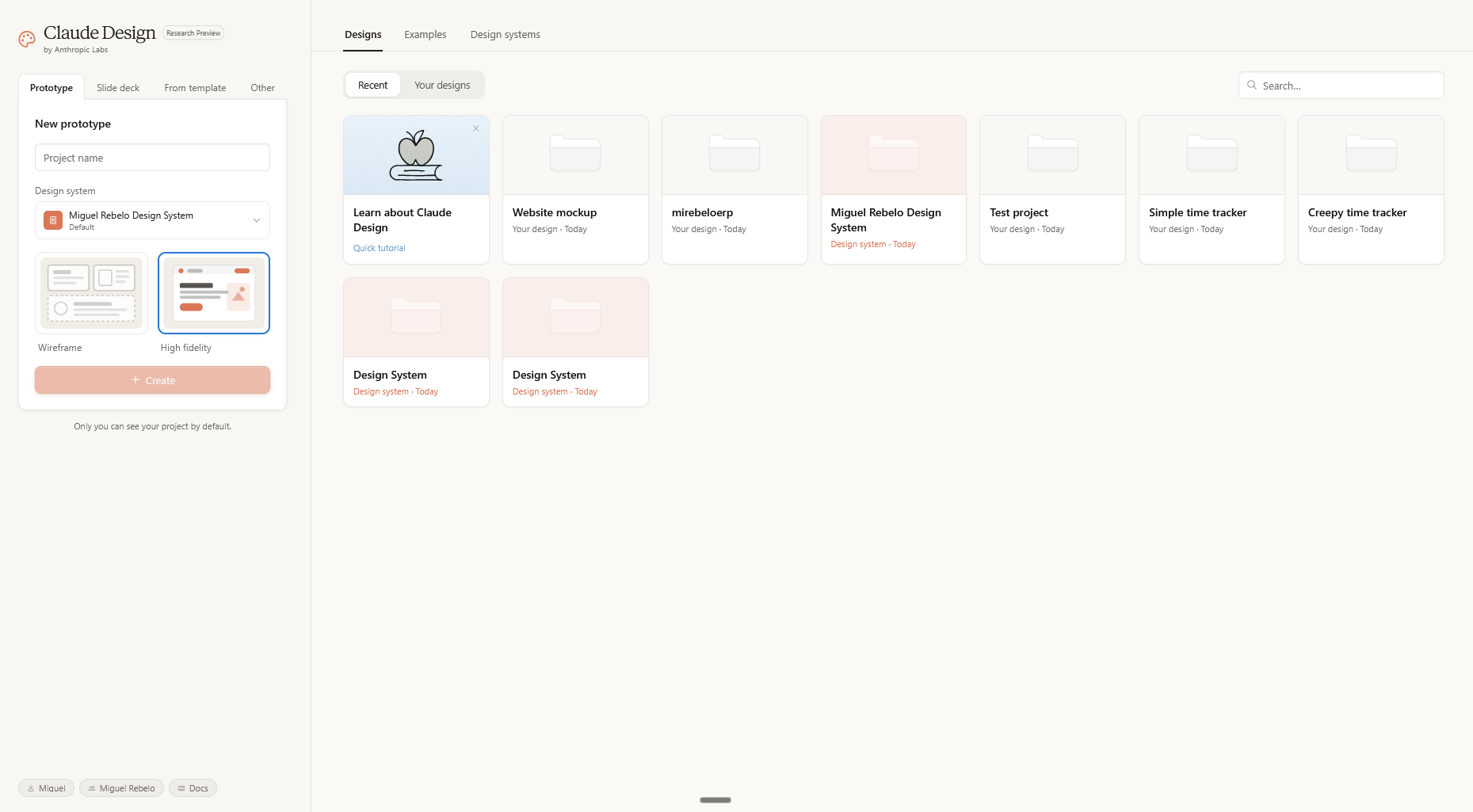
How Claude Design Works
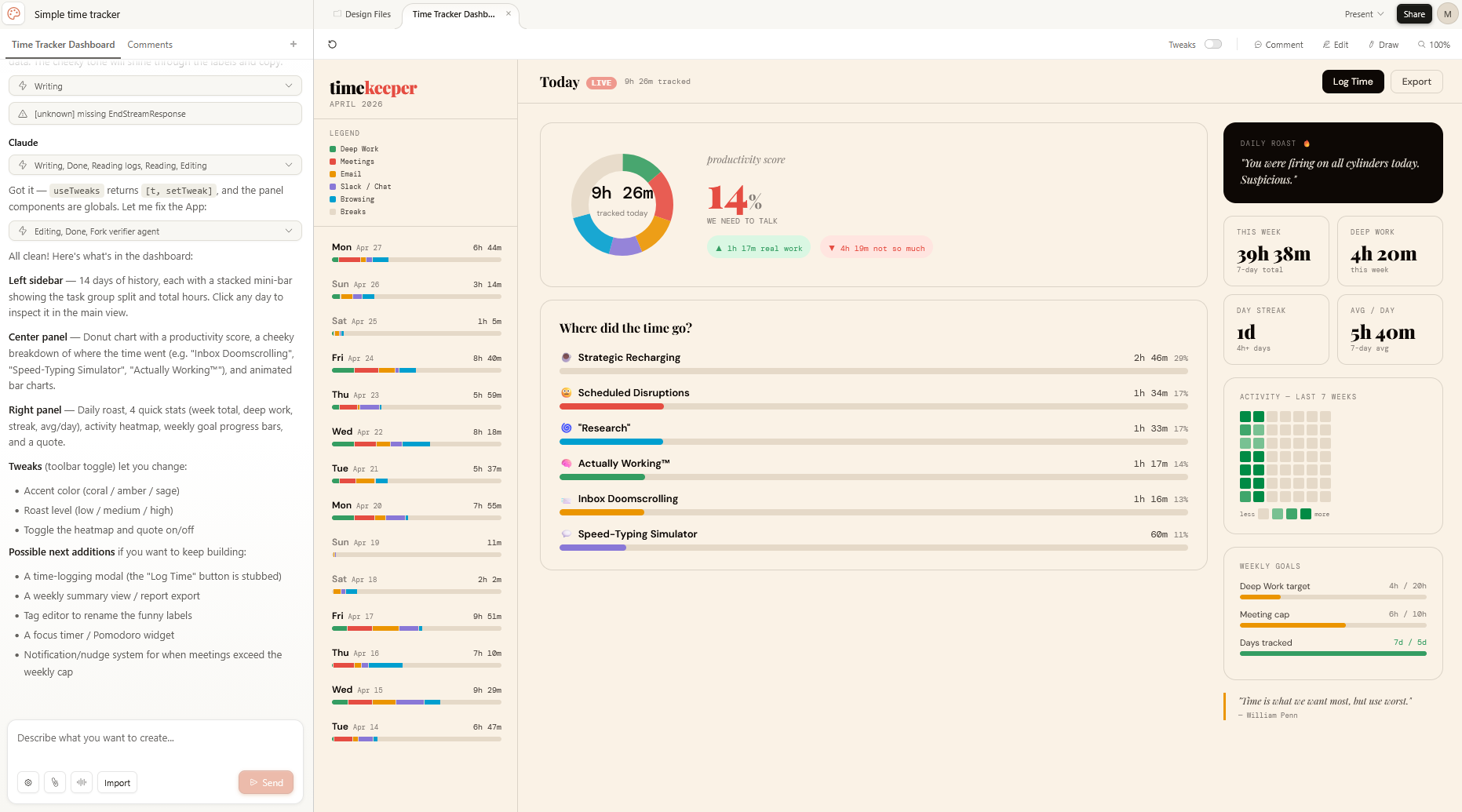
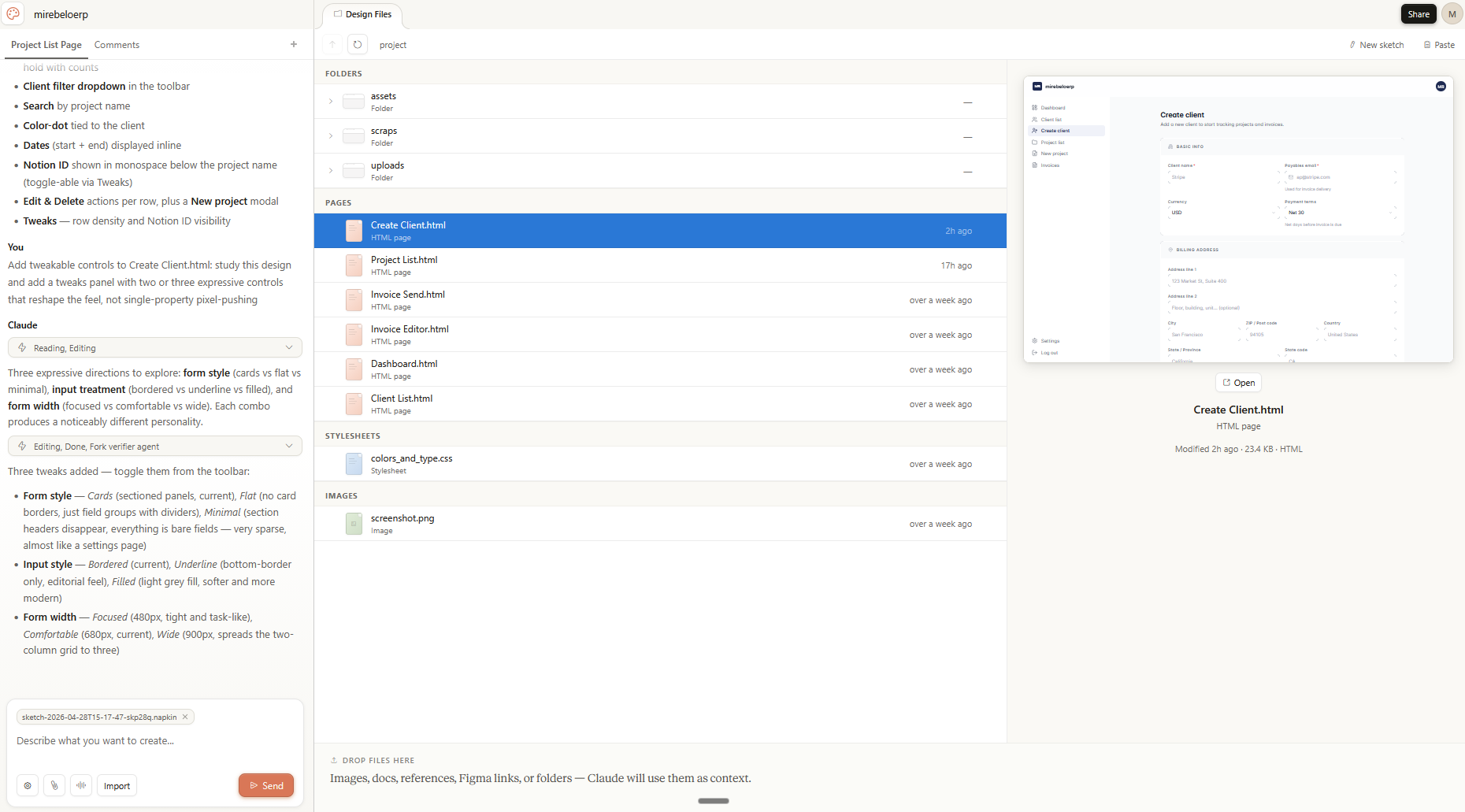
Claude Design operates as a chat window connected to a virtual workspace. When you prompt the system to create something, an AI agent builds the assets and saves them to the workspace in real time. Once finished, you can preview the result, make tweaks, or add comments before prompting again.
The workspace stores everything you create or upload, organized by file type. You'll find folders containing SVG files, pasted image references, and the HTML and CSS files that power your designs. The AI agent uses these as context while building, and you can download any of them at any time.
Design System Integration
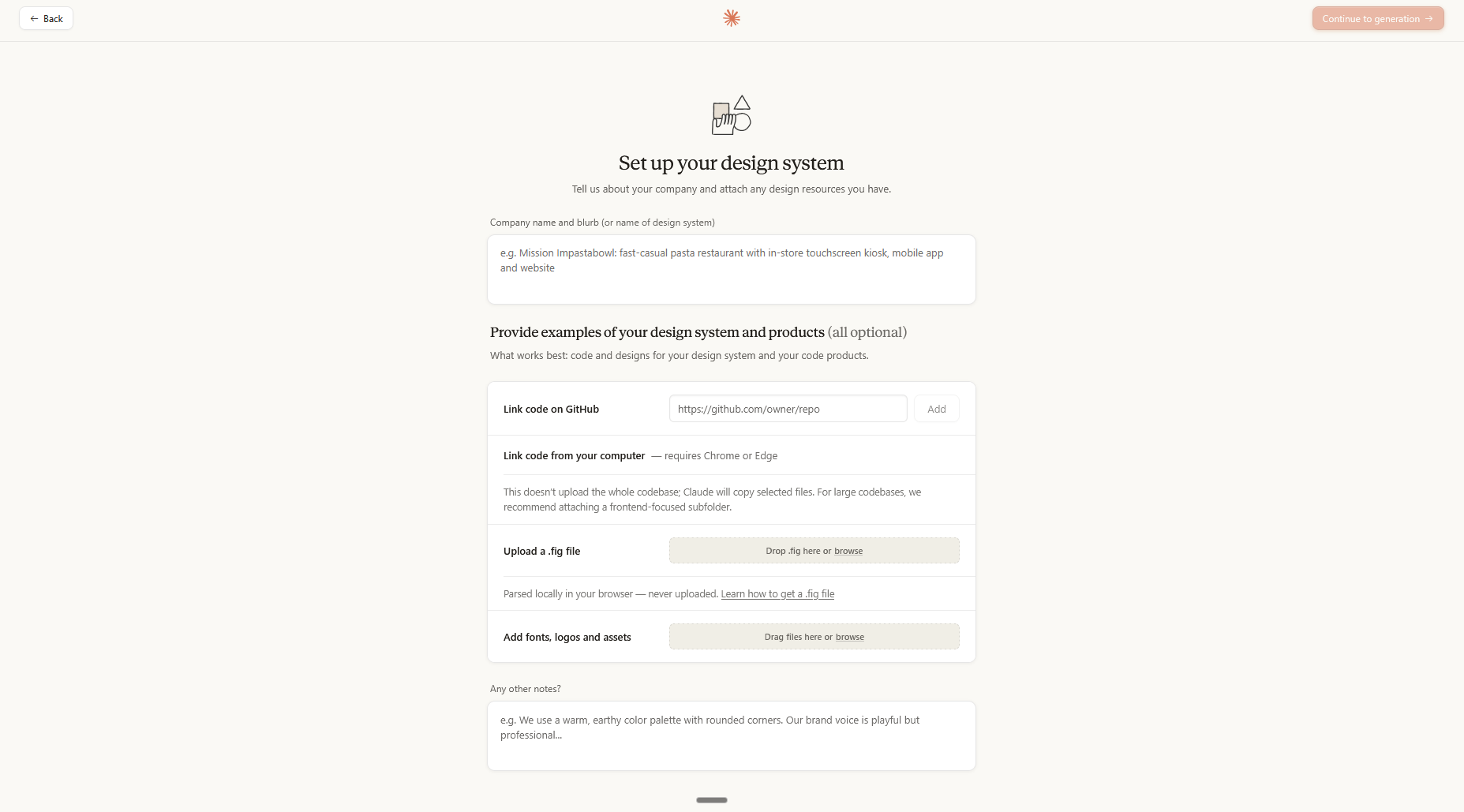
One of Claude Design's more interesting features is its design system integration. During setup, you can feed it a link to your GitHub repository, local file uploads, Figma references, and assets like fonts or images. You can also add text prompts with specific instructions.
After about five minutes of processing, Claude returns a detailed list of design elements. This includes dozens of files covering colors, typography, components, and UI kits. You review and approve each element manually before it becomes part of your system.
This approach means the AI isn't just generating generic designs. It's working within your brand guidelines, using your color palette and typography. The output should look like it came from your team, not a template library.
The Claude Code Handoff
Claude Design includes a handoff to Claude Code, Anthropic's coding agent. The idea is to speed up the transition from design to working code. Once you're satisfied with a mockup, you can move it into Claude Code and start building the actual product.
This creates a tighter loop between design and development than most teams currently have. Traditionally, designers export assets, write documentation, and hope developers interpret everything correctly. Here, the same AI system handles both phases.
Who Is This Actually For?
Claude Design is aimed at people who need designs but lack design skills. Think founders building pitch decks, product managers mocking up features, or small teams without dedicated designers. It lowers the barrier to getting a first draft in front of stakeholders.
Professional designers will find the tool limiting. Fine-grained control over spacing, alignment, and visual hierarchy requires manual editors. But that's not the point. Claude Design is a starting point, not a replacement for Figma.
Current Limitations
The tool is in research preview, which means several constraints apply. Anthropic has set weekly usage caps that are described as "highly restrictive." You'll need a paid Claude subscription to access it, though there's no additional cost beyond the subscription fee.
- Weekly usage caps limit how much you can generate
- Research preview status means features may change
- Requires paid Claude subscription (no free tier access)
- Limited to design artifacts, not production-ready code
The design system setup process takes about five minutes per configuration, and you need to manually review dozens of files before approval. For teams with existing design systems, this could feel tedious. For teams without them, it's a structured way to build one.
Getting Started
Paid Claude subscribers can access Claude Design at claude.ai/design. The first step is setting up a design system, either by connecting existing assets or letting Claude generate one from scratch. From there, you can start prompting for specific designs.
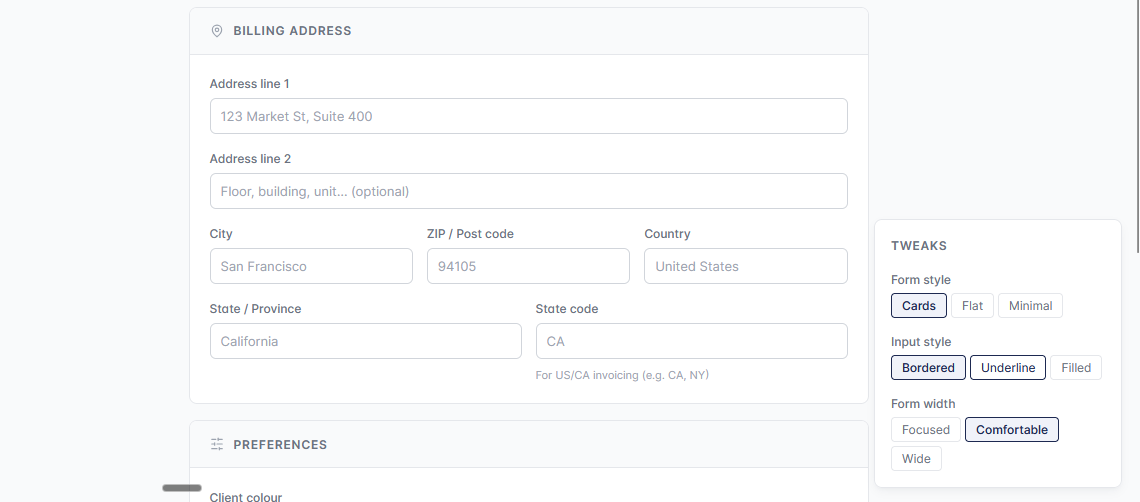
The interactive preview window lets you see results immediately and make inline comments for targeted edits. This iterative workflow is faster than traditional design tools for simple projects, though complex designs will still require professional tools.
Logicity's Take
Claude Design makes sense as part of Anthropic's broader agent strategy. By controlling the design-to-code pipeline, they're positioning Claude as a complete product development assistant. The real test will be whether the usage caps loosen enough for teams to actually rely on it.
More on Anthropic's expanding AI agent portfolio
How competing AI models are tackling reliability
Frequently Asked Questions
Is Claude Design free to use?
Claude Design is included with paid Claude subscriptions at no additional cost. However, it has weekly usage caps and is not available on free plans.
Can Claude Design replace Figma or Sketch?
Not for professional designers who need fine-grained control. Claude Design is better suited for quick mockups and first drafts that can be refined in traditional design tools.
What file types does Claude Design export?
Claude Design generates HTML, CSS, and SVG files that you can download from the workspace at any time.
How does Claude Design integrate with existing brand guidelines?
You can connect GitHub repositories, Figma files, and local assets during setup. Claude analyzes these to build a design system with your colors, typography, and components.
What is the Claude Code handoff?
Claude Design includes integration with Claude Code, Anthropic's coding agent. This lets you move from mockups to working code within the same AI ecosystem.
Need Help Implementing This?
Exploring AI design tools for your team? Our editors track the latest developments in AI-assisted product development. Reach out to discuss how these tools might fit your workflow.
Source: The Zapier Blog
Manaal Khan
Tech & Innovation Writer
مقالات ذات صلة
تصفح الكل
9 ميزات في Google Forms تحوّل الاستبيانات إلى أدوات عمل متكاملة
يُنظر إلى Google Forms غالباً على أنه أداة بسيطة لإنشاء الاستبيانات، لكن هذا التصور يُغفل قدرات حقيقية تجعل منه محركاً لسير العمل المؤسسي. بحصة سوقية تبلغ 48.45% في قطاع برمجيات الاستبيانات عالمياً، ل
أفضل 9 تطبيقات لياقة بدنية في 2026: اختبرناها ورتّبناها لك
إن كنت تشعر بالحيرة أمام عشرات تطبيقات اللياقة البدنية المتاحة اليوم، فأنت لست وحدك. السوق يعجّ بالخيارات: تطبيقات للجري، وأخرى لرفع الأثقال، وثالثة لتتبّع النشاط اليومي الشامل. المشكلة أن المقارنة بي
اقرأ أيضاً

iQOO Z11i يظهر في الصين: هاتف vivo Y60 بثوب جديد وبطارية 6,500 مللي أمبير
بدأت iQOO بالتشويق لهاتفها الجديد Z11i في السوق الصينية، ليُضاف إلى عائلة Z11 المتنامية التي باتت تضم نماذج عدة. الهاتف يأتي ببطارية ضخمة سعة 6,500 مللي أمبير، لكن تسريبات من منصة Weibo تشير إلى أنه ق

Honor Watch 6: بطارية تدوم 35 يوماً في ساعة تزن 68 غراماً فقط
كشفت Honor عن ساعتها الذكية الجديدة Honor Watch 6، وهي تطرح سؤالاً مباشراً على منافسيها: كيف تحشرون بطارية بسعة 980mAh في ساعة لا يتجاوز وزنها مع السوار 68 غراماً، وتجعلونها تدوم 35 يوماً كاملة؟ هذا ل

الإمارات تحظر وسائل التواصل الاجتماعي على من هم دون 15 عاماً: أول دولة عربية تتخذ هذه الخطوة
في خطوة تاريخية تضع الإمارات في طليعة الدول العربية، أعلنت الحكومة الإماراتية حظر وسائل التواصل الاجتماعي على الأطفال دون 15 عاماً حظراً فعلياً، لتصبح بذلك أول دولة عربية تتخذ إجراءً بهذا الحجم لحماية