أبرز النقاط
- معالجات Threadripper القادمة تحمل الاسم الرمزي Mustang Peak وتعتمد على معمارية Zen 6 بتقنية تصنيع 2nm من TSMC
- المنصة الجديدة TR6 ستدعم PCIe 6.0 وذاكرة DDR5، مع احتمال وصول عدد الأنوية إلى 144 نواة
- الإطلاق المتوقع في النصف الثاني من 2027، مع قفزة محتملة في الترددات تتجاوز 6 جيجاهرتز
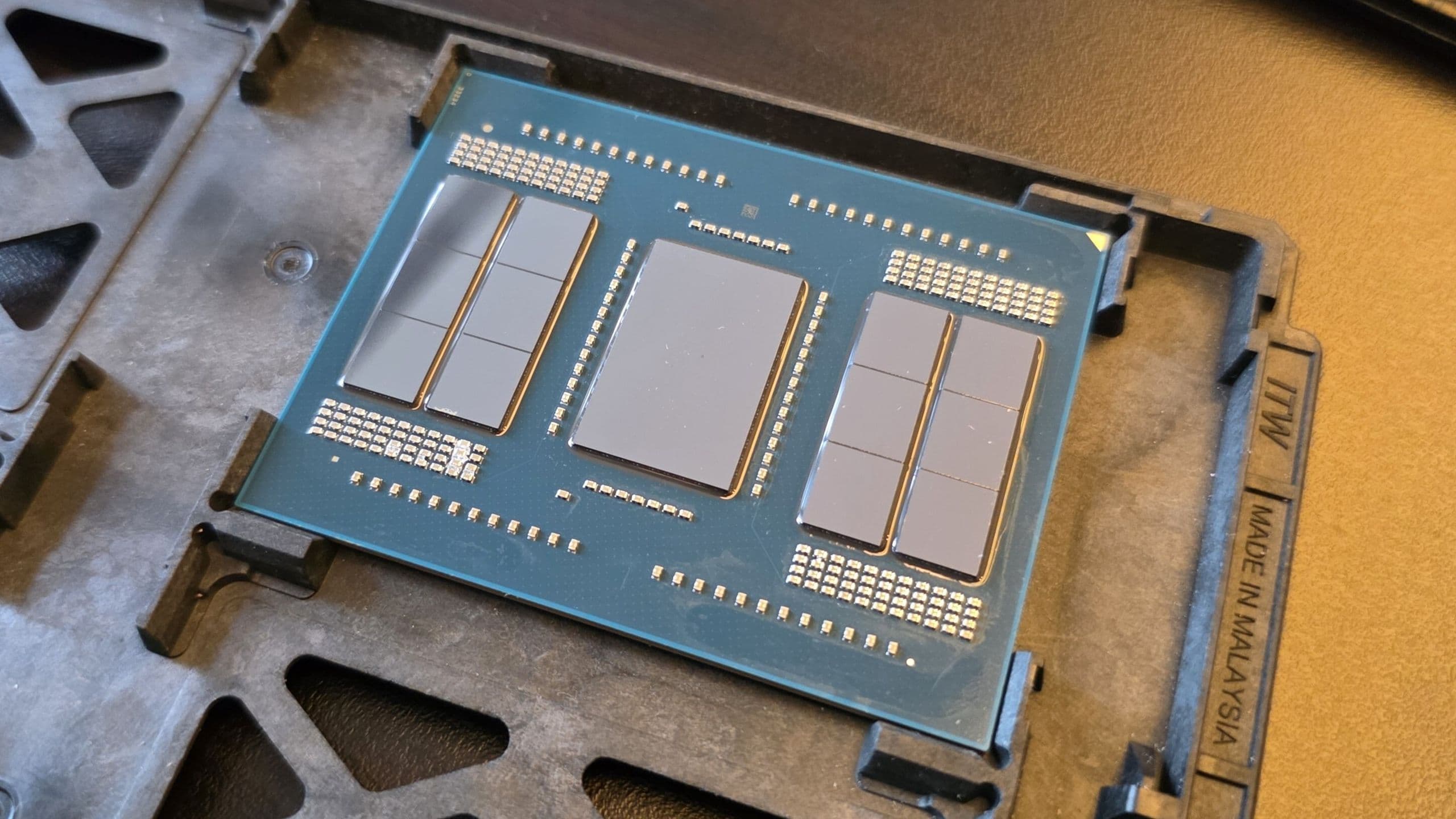
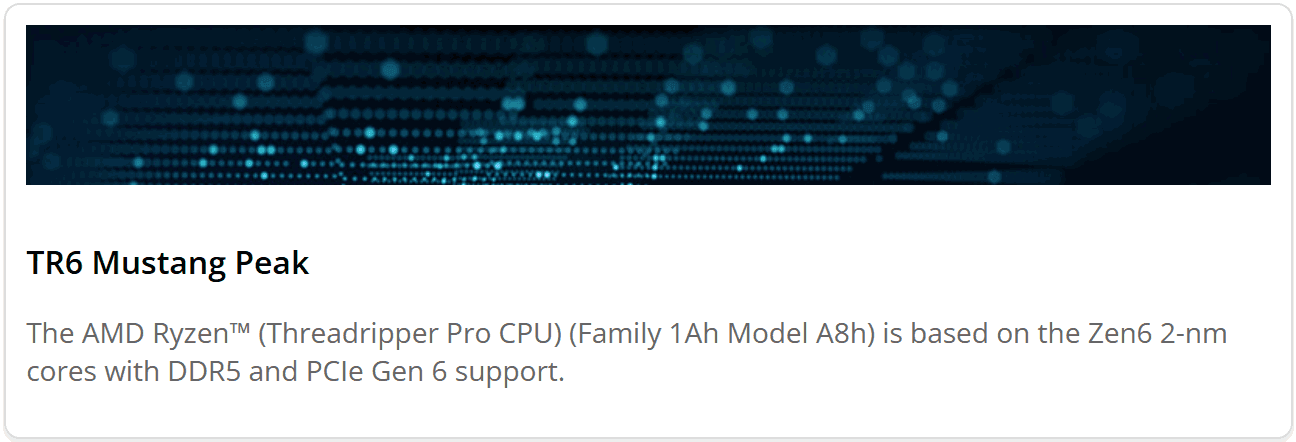
كشفت وثائق تقنية مسربة من بوابة AMD الرسمية عن تفاصيل معالجات Threadripper القادمة التي تحمل الاسم الرمزي Mustang Peak، لتؤكد انتقال الشركة إلى معمارية Zen 6 المبنية على تقنية تصنيع 2nm من TSMC. هذه المعالجات ستتطلب منصة جديدة كلياً تحمل اسم TR6، مع دعم كامل لواجهة PCIe 6.0 — وهي قفزة تقنية ستعيد رسم خارطة محطات العمل الاحترافية.
ما الذي نعرفه عن Mustang Peak حتى الآن؟
المعلومات المؤكدة جاءت من الباحث المجري المتخصص في البرمجة منخفضة المستوى InstLatX64، الذي رصد هذه التفاصيل في وثائق AMD الداخلية. الثابت تقنياً هو أن معالجات Threadripper القادمة ستستخدم شرائح CCD مصنعة بتقنية 2nm، وستعتمد على ذاكرة DDR5 مع دعم PCIe 6.0. هذا الأخير تحديداً هو السبب الرئيسي وراء الحاجة لمنصة TR6 جديدة.
144 نواة: هل نحن أمام حاسوب شخصي أم خادم مصغر؟
معمارية Zen 6 تستخدم شرائح CCD جديدة تحمل الاسم الرمزي Powderhorn، ترفع عدد الأنوية في كل شريحة من 8 إلى 12 نواة. هذه الزيادة بنسبة 50% تعني أن معالجات Threadripper Pro قد تصل إلى 144 نواة كاملة — أي 288 خيطاً معالجاً يعمل بترددات يُتوقع أن تتجاوز 6 جيجاهرتز بشكل ملموس.
لكن هذا العدد الهائل من الأنوية يطرح تحدياً جوهرياً: كيف تُغذي هذا الوحش بعرض نطاق ذاكرة كافٍ؟ معيار DDR6 لم يكتمل بعد رغم جاهزية LPDDR6، لذا قد تلجأ AMD إلى زيادة عدد قنوات الذاكرة. معالجات EPYC Venice الشقيقة سترفع القنوات من 12 إلى 16 قناة بعرض 64-بت، محققةً ناقل ذاكرة بعرض 1024-بت وعرض نطاق يصل إلى 1.6 تيرابايت في الثانية.
لماذا PCIe 6.0 ضرورة وليس رفاهية؟
واجهة PCIe 6.0 توفر عرض نطاق يصل إلى 256 جيجابايت في الثانية ثنائي الاتجاه على منفذ x16 — ضعف ما تقدمه PCIe 5.0. هذه القفزة ليست للاستعراض التقني؛ محطات العمل الحديثة تتعامل مع بطاقات تسريع الذكاء الاصطناعي، ووحدات تخزين NVMe فائقة السرعة، وبطاقات رسومية احترافية تتطلب كل منها عرض نطاق هائل.
الانتقال إلى منصة TR6 يعني أن المستخدمين سيحتاجون لوحات أم جديدة بالكامل، وهو ما أثار نقاشات في مجتمعات التقنية حول ما يسميه البعض «إرهاق تغيير المنافذ» — خاصة أن منصة TR5 لا تزال حديثة نسبياً. لكن دعم PCIe 6.0 يجعل هذا التغيير حتمياً تقنياً.
هل ستدعم Threadripper ذاكرة MRDIMM؟
أحد التكهنات المثيرة هو إمكانية دعم ذاكرة MRDIMM من الجيل الثاني، التي تحقق معدل نقل 12.8 GT/s — وهو مستوى لا يمكن الوصول إليه عبر تقنيات رفع التردد التقليدية مثل EXPO. معالجات Threadripper دائماً ما استُمدت من تقنية EPYC، ودعم MRDIMM قد يحل معضلة عرض نطاق الذاكرة في أحمال العمل متعددة الأنوية المكثفة.
البديل الآخر هو الاعتماد على ذاكرة CUDIMM مع DDR5-9600، وهو ما قد يحقق زيادة 50% في عرض النطاق مقارنة بدعم DDR5-6400 في Threadripper 9000 الحالية.
متى نتوقع الإطلاق؟
المؤشرات تشير إلى إطلاق في النصف الثاني من 2027، بالتزامن مع معالجات Ryzen المكتبية Olympic Ridge ومعالجات EPYC Venice. هذا يمنح AMD وقتاً كافياً لنضج تقنية تصنيع 2nm في مصانع TSMC، ولتطوير منظومة لوحات TR6 الأم.
- الاسم الرمزي: Mustang Peak
- المعمارية: Zen 6 على تقنية 2nm من TSMC
- المنصة: TR6 (منفذ جديد)
- الذاكرة: DDR5 مع احتمال دعم MRDIMM
- الواجهات: PCIe 6.0
- الأنوية المتوقعة: حتى 144 نواة (288 خيطاً)
- الترددات المتوقعة: تتجاوز 6 جيجاهرتز
- الإطلاق المتوقع: النصف الثاني من 2027
رأي Logicity
انتقال AMD إلى منصة TR6 مع PCIe 6.0 يكشف عن استراتيجية واضحة: محطات العمل الاحترافية لم تعد مجرد حواسيب شخصية قوية، بل أصبحت خوادم مصغرة للذكاء الاصطناعي والحوسبة المكثفة. بالنسبة للسوق الخليجي تحديداً، حيث تتوسع مراكز البيانات ومختبرات الذكاء الاصطناعي ضمن رؤى التحول الرقمي، فإن معالجات بهذه القدرات قد تجد طلباً متزايداً في قطاعات الطاقة والتمويل والترفيه الرقمي.
الأسئلة الشائعة
ما الفرق بين Threadripper و EPYC؟
Threadripper مصممة لمحطات العمل الاحترافية مع توازن بين الأداء والتكلفة، بينما EPYC موجهة للخوادم ومراكز البيانات بقدرات أعلى في عدد القنوات والمنافذ.
هل سأحتاج لوحة أم جديدة لـ Mustang Peak؟
نعم، منصة TR6 تتطلب لوحات أم جديدة بسبب دعم PCIe 6.0 والتغييرات في تصميم المنفذ.
متى ستتوفر معالجات Mustang Peak في الأسواق؟
التوقعات تشير إلى النصف الثاني من 2027، لكن AMD لم تعلن تاريخاً رسمياً بعد.
هل ستدعم المعالجات الجديدة ذاكرة DDR6؟
لا، الدعم المؤكد هو لذاكرة DDR5، حيث أن معيار DDR6 لم يكتمل بعد.
هل تحتاج مساعدة في التطبيق؟
إذا كنت تخطط لتحديث بنية محطات العمل في مؤسستك أو تقييم خيارات الأجهزة لمشاريع الذكاء الاصطناعي، تواصل مع فريق Logicity للحصول على استشارة تقنية متخصصة تناسب احتياجاتك.
فاطمة الزهراء
كاتبة تقنية متخصصة في الذكاء الاصطناعي
أُنتِج هذا المقال بمساعدة الذكاء الاصطناعي وراجعه فريق التحرير في لوجيسيتي. اعرف المزيد في سياسة التحرير.


