Amazon's AI Pivot to Inference Chips Is Paying Off
Key Takeaways
- Amazon's Trainium inference chips position AWS well for the current AI market shift from training to inference workloads
- AWS is adding OpenAI models to Bedrock and launching Bedrock Managed Agents as a new enterprise product
- China's NDRC is blocking Meta's $2 billion acquisition of Manus, an AI company that had already reincorporated in Singapore
Amazon's Quiet AI Infrastructure Play
Every quarter brings a new AI winner and loser. Ben Thompson, writing in his Stratechery newsletter this week, argues Amazon is emerging as an increasingly compelling player. The reason: AWS positioned itself for inference while competitors chased training.
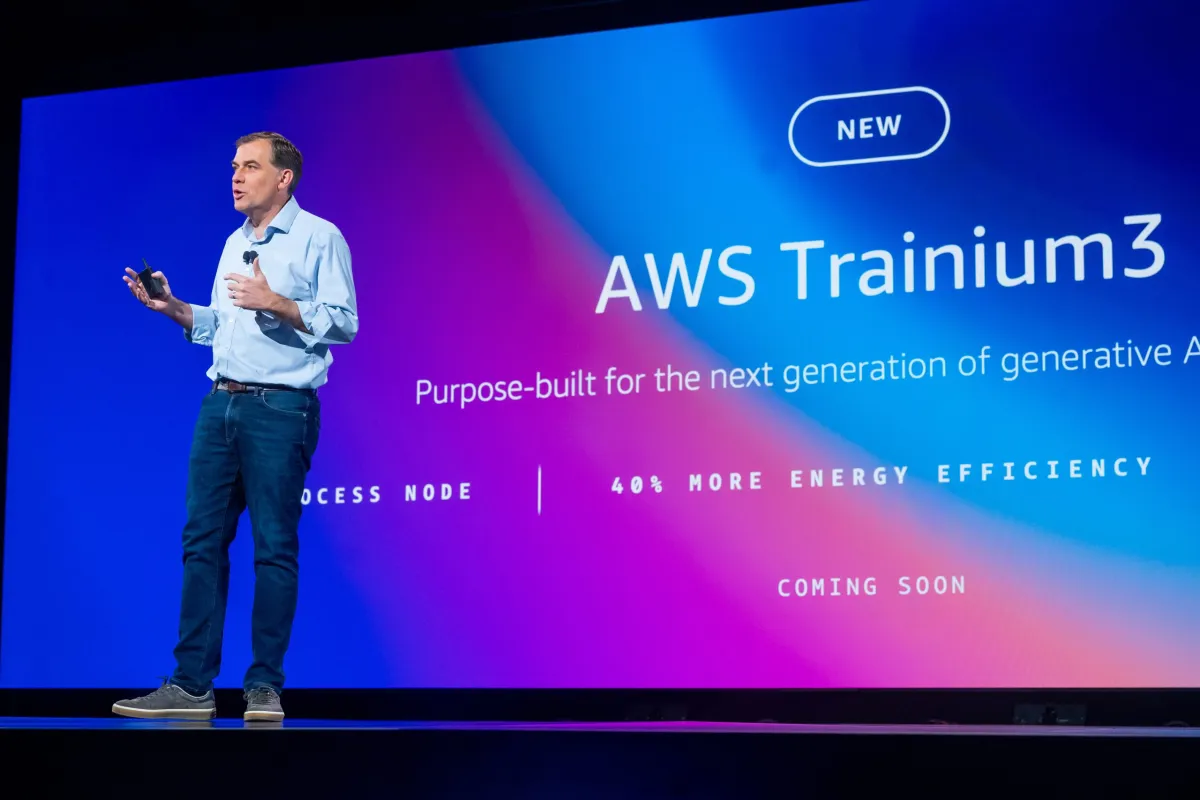
A couple of years ago, things looked rough for Amazon in AI. Training dominated infrastructure spending, and AWS wasn't the leader. But the company, whether through foresight or luck, built for a different future. Thompson notes that Amazon's inference chip is literally called Trainium, suggesting the company saw this shift coming.
Now AWS is capitalizing on that position. The company is adding OpenAI's models to its offerings and collaborating with the frontier lab on Bedrock Managed Agents, a new enterprise product. Thompson interviewed AWS CEO Matt Garman and OpenAI CEO Sam Altman about the partnership.
Why Inference Matters Now
The AI infrastructure market has two phases. Training requires massive compute to build models. Inference is what happens when those models run in production, answering queries and powering applications. As AI moves from research labs to enterprise deployments, inference demand is exploding.
Amazon's bet on inference chips looks prescient. While Nvidia dominates training with its GPUs, the inference market is more competitive. Custom chips optimized for running models, rather than training them, can offer cost and performance advantages.
The OpenAI partnership adds another dimension. AWS customers can now access frontier models through Bedrock while running on Amazon's optimized infrastructure. Bedrock Managed Agents extends this further, offering enterprise customers a turnkey agent product rather than raw model access.
Meta's AR Vision Takes Shape
Thompson's weekly roundup also covers his experience with Meta's Display glasses. He describes trying the Meta Ray-Ban Display and having an epiphany about what AR should look like. The Stratechery team discussed why the Display glasses are superior to Meta's Orion prototype.
The conversation extended to VR headsets and a philosophical question: should phones or books be characterized as AR devices? The point is that AR doesn't require head-mounted displays with transparent overlays. Glasses that add information to your experience, without trying to overlay virtual objects on the physical world, might be the better path.
China Blocks Meta's Manus Acquisition
The newsletter also covers a geopolitical mess in Singapore. China's National Development and Reform Commission is blocking Meta's $2 billion acquisition of Manus, an AI company. The twist: Manus had already reincorporated in Singapore, received payment from Meta, and integrated its products and employees into Meta's operations.
Thompson's colleague Andrew Sharp argues this decision illustrates a pattern in Beijing's behavior. The CCP's geopolitical and domestic strategies are generally reactive, not proactive. And they're often counterproductive. Blocking a deal after the company has already left China and integrated with the acquirer creates uncertainty without accomplishing clear strategic goals.
Sharp argues Western media tends to get this wrong, assuming more strategic coherence than exists. The Manus decision looks less like calculated geopolitics and more like bureaucratic reflex.
Logicity's Take
What This Means for AI Infrastructure
The AI infrastructure market is fragmenting. Training will continue to matter for building new models, but most enterprise spending will go to inference. Companies deploying AI applications care about cost per query, latency, and reliability, not training benchmarks.
AWS has always been strongest in enterprise infrastructure. Adding OpenAI models to Bedrock means enterprises can use frontier AI without leaving the AWS ecosystem. Managed Agents goes further, abstracting away model selection and orchestration entirely.
For enterprises already on AWS, the switching costs just got higher. For competitors, the pressure to offer comparable inference economics increases.
Frequently Asked Questions
What is Amazon Trainium?
Trainium is Amazon's custom chip designed for AI inference workloads. Despite the name suggesting training, it's optimized for running AI models in production rather than building them.
What is AWS Bedrock Managed Agents?
Bedrock Managed Agents is a new enterprise product from AWS in collaboration with OpenAI. It provides turnkey AI agent capabilities for enterprise customers through the Bedrock platform.
Why did China block Meta's acquisition of Manus?
China's NDRC moved to block the $2 billion deal even though Manus had already reincorporated in Singapore and integrated into Meta. The decision appears reactive rather than strategically calculated.
What is the difference between AI training and inference?
Training is the compute-intensive process of building AI models. Inference is running those models in production to answer queries and power applications. Enterprise AI spending is shifting toward inference.
Practical applications of the AI infrastructure trends discussed here
Need Help Implementing This?
Source: Stratechery by Ben Thompson
Manaal Khan
Tech & Innovation Writer
مقالات ذات صلة
تصفح الكل
Clair Health تجمع 11.6 مليون دولار لتتبع الهرمونات عبر جهاز قابل للارتداء
أعلنت شركة Clair Health الناشئة عن جمع تمويل بقيمة 11.6 مليون دولار لتطوير جهاز قابل للارتداء يُحدث نقلة نوعية في مجال تتبع الهرمونات الأنثوية. الجهاز الذي يشبه الإكسسوار الأنيق يعد بتقديم رؤى فورية ح

ترقية مجانية لـ GTA V على PS5 وXbox Series X قبل إطلاق GTA VI
أعلنت Rockstar Games عن ترقية مجانية للعبة Grand Theft Auto V تتيح لأصحاب النسخ القديمة الانتقال إلى إصدار PlayStation 5 وXbox Series X/S دون أي تكلفة إضافية، وذلك قبل أشهر قليلة من الموعد المرتقب لإط

Google تعيد اختراع السماعات الذكية: Google Home Speaker بتقنية Gemini AI بسعر 99 دولاراً
أعلنت Google عن إطلاق Google Home Speaker، أول سماعة ذكية مستقلة من الشركة منذ خمس سنوات، مدمج فيها نظام الذكاء الاصطناعي Gemini بسعر 99.99 دولاراً. يمثل هذا الإطلاق تحولاً جذرياً في فلسفة السماعات ال

تيليغرام تقاضي الهند بعد حظر التطبيق: معركة حرية التعبير تصل للمحاكم
في تصعيد قانوني غير مسبوق، رفعت شركة تيليغرام دعوى قضائية أمام محكمة دلهي العليا ضد قرار الحكومة الهندية بحظر التطبيق على مستوى البلاد، معتبرةً أن هذا الإجراء ينتهك الحقوق الدستورية لـ 150 مليون مستخد
اقرأ أيضاً

iQOO Z11i يظهر في الصين: هاتف vivo Y60 بثوب جديد وبطارية 6,500 مللي أمبير
بدأت iQOO بالتشويق لهاتفها الجديد Z11i في السوق الصينية، ليُضاف إلى عائلة Z11 المتنامية التي باتت تضم نماذج عدة. الهاتف يأتي ببطارية ضخمة سعة 6,500 مللي أمبير، لكن تسريبات من منصة Weibo تشير إلى أنه ق

Honor Watch 6: بطارية تدوم 35 يوماً في ساعة تزن 68 غراماً فقط
كشفت Honor عن ساعتها الذكية الجديدة Honor Watch 6، وهي تطرح سؤالاً مباشراً على منافسيها: كيف تحشرون بطارية بسعة 980mAh في ساعة لا يتجاوز وزنها مع السوار 68 غراماً، وتجعلونها تدوم 35 يوماً كاملة؟ هذا ل

الإمارات تحظر وسائل التواصل الاجتماعي على من هم دون 15 عاماً: أول دولة عربية تتخذ هذه الخطوة
في خطوة تاريخية تضع الإمارات في طليعة الدول العربية، أعلنت الحكومة الإماراتية حظر وسائل التواصل الاجتماعي على الأطفال دون 15 عاماً حظراً فعلياً، لتصبح بذلك أول دولة عربية تتخذ إجراءً بهذا الحجم لحماية